Post by : Omar Nasser
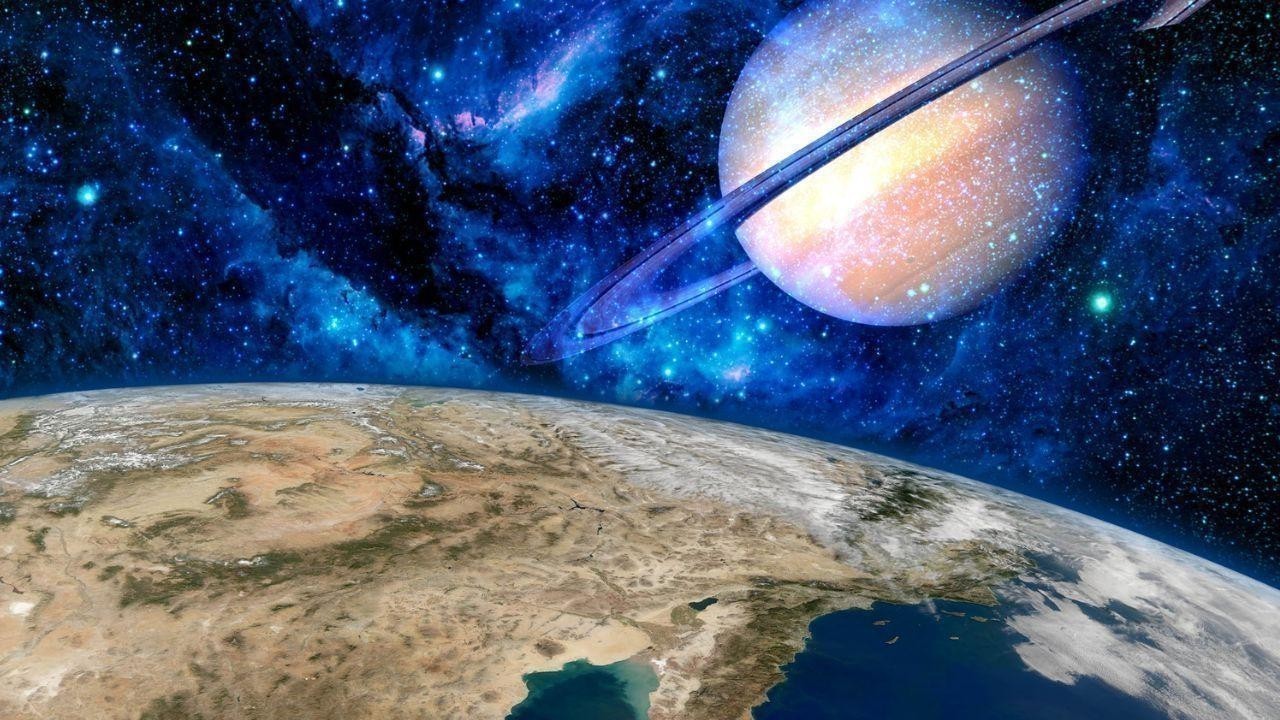
In a recent paper published in Earth & Planetary Science Letters, researchers have presented compelling evidence suggesting that Earth may have once had a ring system similar to Saturn's. This ring is believed to have formed around 466 million years ago and persisted for several tens of millions of years, potentially explaining several enigmatic aspects of our planet's geological history.
Stay informed with the latest news. Follow DXB News Network on WhatsApp Channel
The researchers argue that the alignment and distribution of 21 craters from this period, predominantly located near the equator, is too specific to be coincidental. They propose that these craters are remnants of a large asteroid that broke apart during a close encounter with Earth. The asteroid's fragments then fell to Earth over a prolonged period, resulting in a distinctive pattern of craters, sediment deposits, and tsunamis.
The formation of planetary rings is well-understood from studies of Saturn and other ringed planets like Jupiter, Neptune, and Uranus. When a small celestial body, such as an asteroid, passes close to a larger planet, the planet’s gravity can stretch and fragment the smaller body. If this approach occurs within a critical distance known as the Roche limit, the fragments break apart into numerous pieces. These fragments can then form a debris ring around the planet’s equator. Over time, the ring material falls back to the planet's surface, creating craters aligned with the equatorial region.
In Earth's case, the research suggests that if a passing asteroid was captured and destroyed around 466 million years ago, it would account for the observed distribution of impact craters, meteorite debris in sedimentary rocks, and the evidence of tsunamis. The brief exposure of meteorites to space radiation supports this theory.
The research also touches on the possible climatic effects of such a ring. During this time, the continents were situated differently due to continental drift. North America, Europe, and Australia were near the equator, while Africa and South America were positioned at higher latitudes. The hypothetical ring would have orbited the equator, potentially causing significant shading of Earth's surface. This reduction in sunlight could have contributed to global cooling, which began around 465 million years ago. By 445 million years ago, Earth entered the Hirnantian Ice Age, marking the coldest period in the last half-billion years.
The researchers suggest that the shading effect of the ring might have played a role in this dramatic cooling. To explore this further, they plan to develop mathematical models to simulate the breakup and dispersion of asteroids and how these dynamics would influence the evolution of the ring. These models will also be used to study the potential climate impact of such a ring system.
This intriguing hypothesis opens new avenues for understanding Earth's ancient climate and geological history and highlights the intricate interactions between celestial bodies and planetary environments.

Samsung Launches Galaxy S26 with Smarter Galaxy AI Features
Samsung unveils Galaxy S26 with advanced Galaxy AI, featuring Now Nudge, Now Brief, upgraded Bixby,
Iran Missiles Strike UAE, Dubai’s Calm Shattered
Iran launched missile and drone attacks on UAE, hitting Dubai and Abu Dhabi. Fires broke out at key
UAE Crown Prince Honors Ecuador Independence Heroes
Sheikh Khaled bin Mohamed bin Zayed laid a wreath at Ecuador’s Independence Monument in Quito, honor

UAE Team Shines at Omloop and Ardeche Classic
UAE Team Emirates-XRG secured podium finishes in Belgium and France as Florian Vermeersch finished t
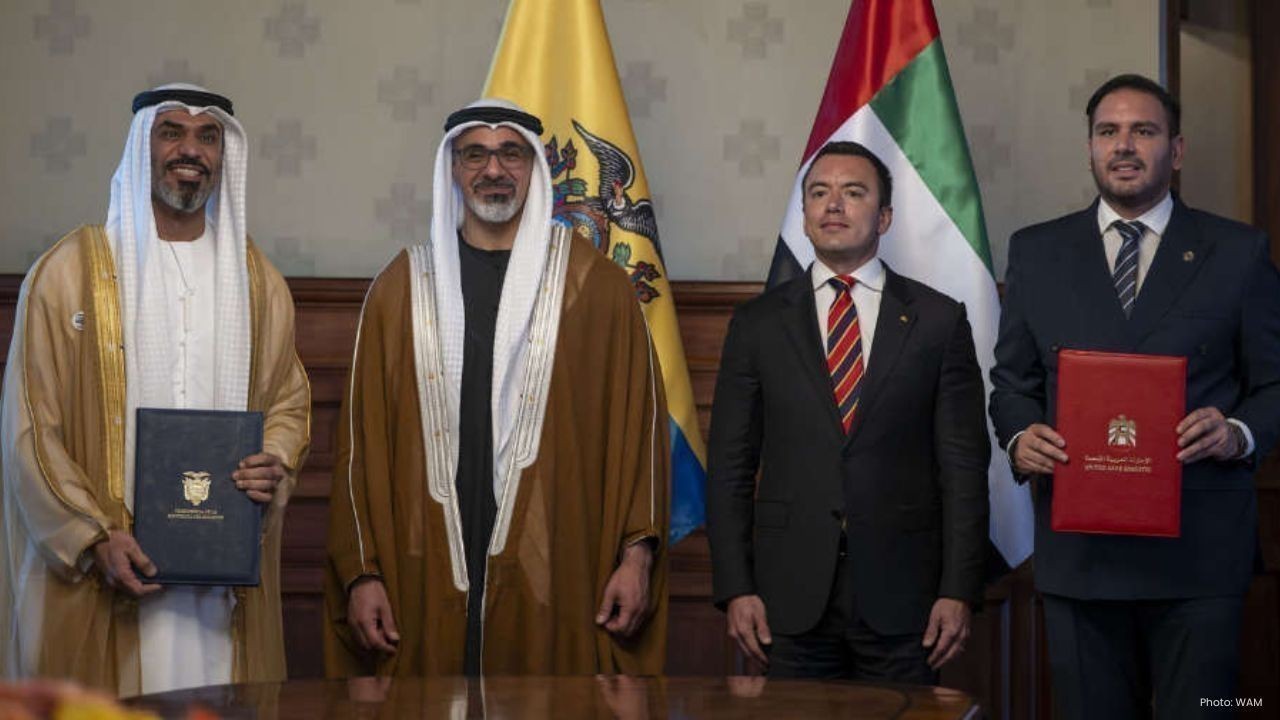
UAE and Ecuador Sign Historic CEPA Agreement
UAE and Ecuador sign a CEPA in Quito, unlock $3B investment talks, $250M defence MoU, and expand tra
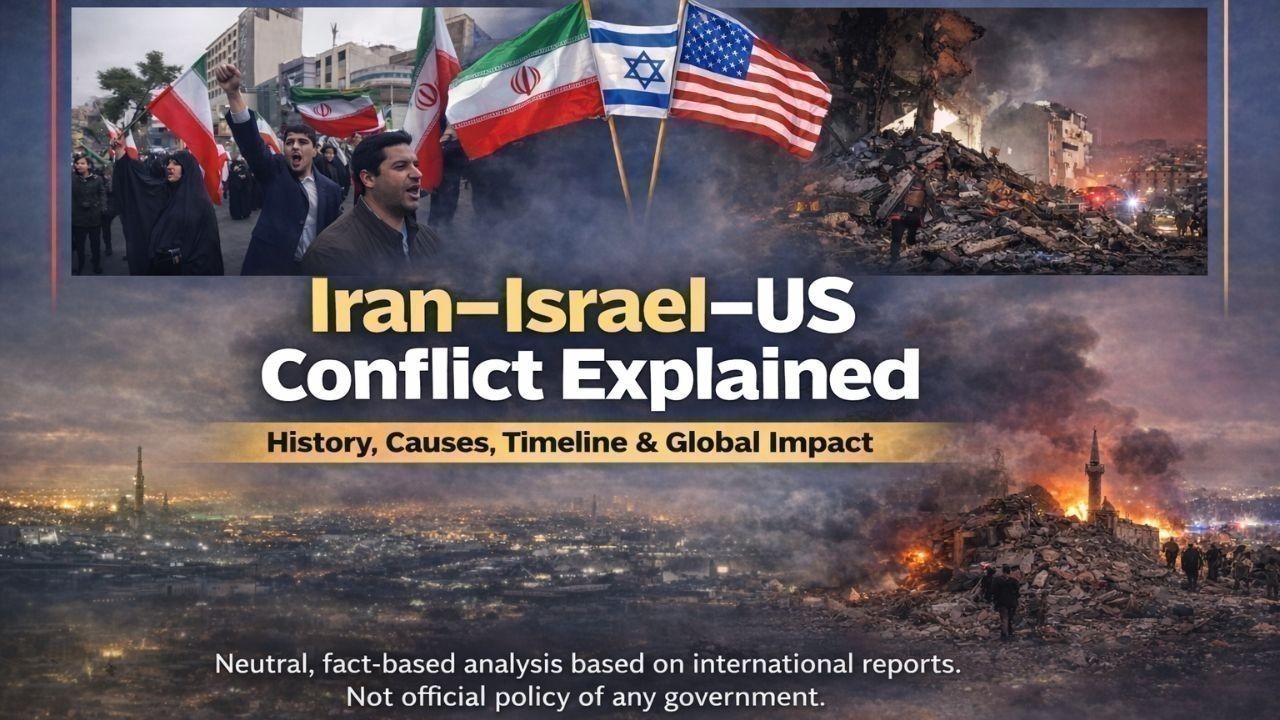
Iran–Israel–US Conflict Explained: History, Causes & Middle East Impact
A neutral overview of Iran–Israel–US tensions, covering history, nuclear disputes, proxy conflicts,

UAE and Qatar Targeted in Iran Missile Attacks
Explosions rocked UAE, Qatar and Bahrain as Iran launched missiles and drones after Ayatollah Ali Kh


Bank of Baroda Faces Abu Dhabi Legal Battle over NMC Collapse
Bank of Baroda’s involvement in Abu Dhabi litigation tied to the NMC Healthcare collapse raises repu

Top Museum Openings of 2026 Set to Transform Global Tourism
From Los Angeles to Abu Dhabi and Brussels, 2026 brings major museum launches—Lucas Museum, Guggenhe

UAE Tour Highlights UAE’s Strength in Hosting Global Sports Events
Abu Dhabi Sports Council says the successful UAE Tour reflects the UAE’s leading role in hosting maj

EU Seeks Clarity from US After Supreme Court IEEPA Ruling
European Commission urges full transparency from the US on steps after Supreme Court ruling, emphasi
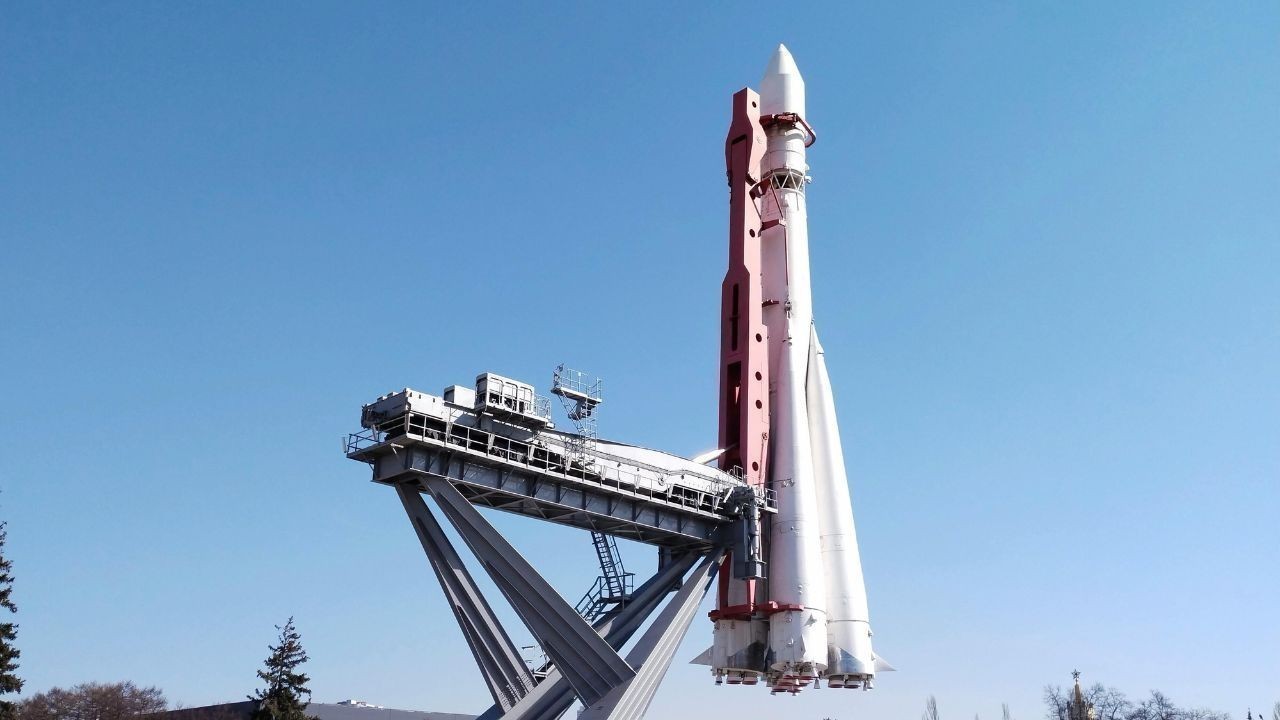
SpaceX Launches 53 New Satellites for Expanding Starlink Network
SpaceX launches 53 Starlink satellites in two Falcon 9 missions, breaking reuse records and expandin

RTA Awards Contract for Phase II of Hessa Street Upgrade in Dubai
Phase II of Hessa Street Development to add bridges, tunnel, and upgraded intersections, doubling ca
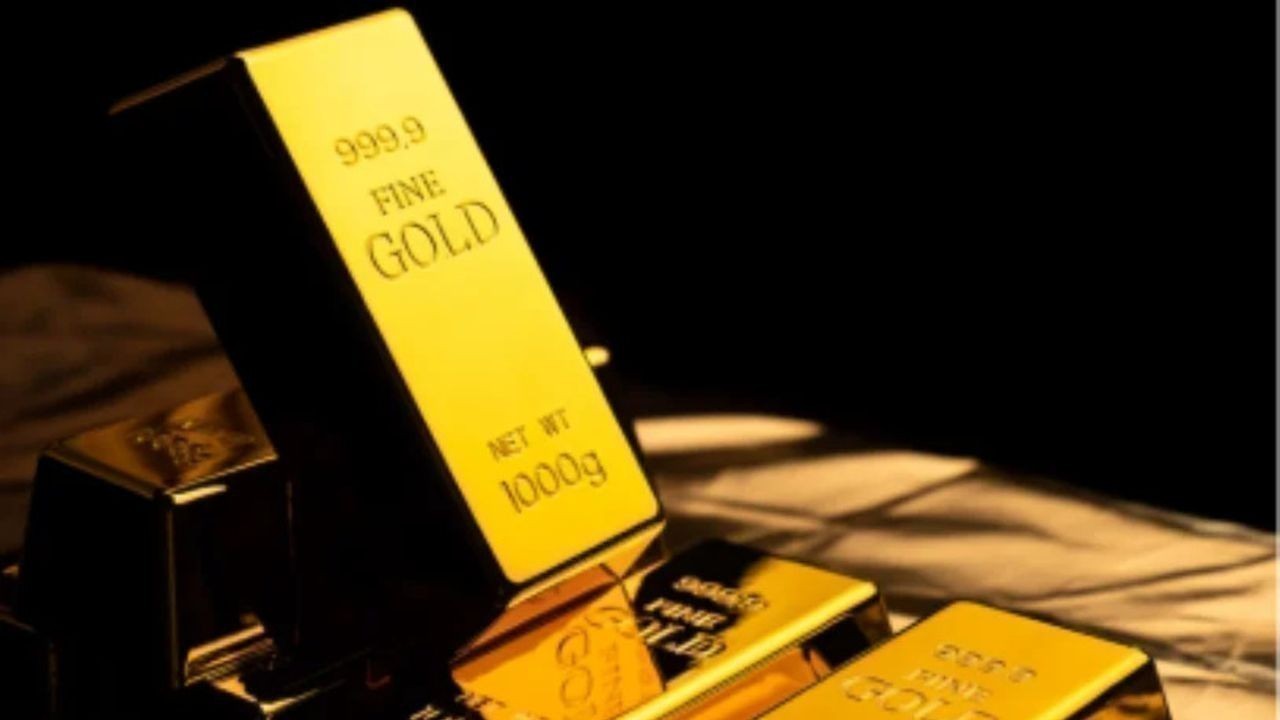
UAE Gold Prices Today, Monday 16 February 2026: Dubai & Abu Dhabi Updated Rates
Gold prices in UAE on 16 Feb 2026 updated: 24K around AED 599.75/gm, 22K AED 555.25/gm, and 18K AED

Over 25 Ahmedabad Schools Receive Bomb Threat Email, Authorities Investigate
More than 25 schools in Ahmedabad evacuated after bomb threat emails mentioning Khalistan. Authoriti