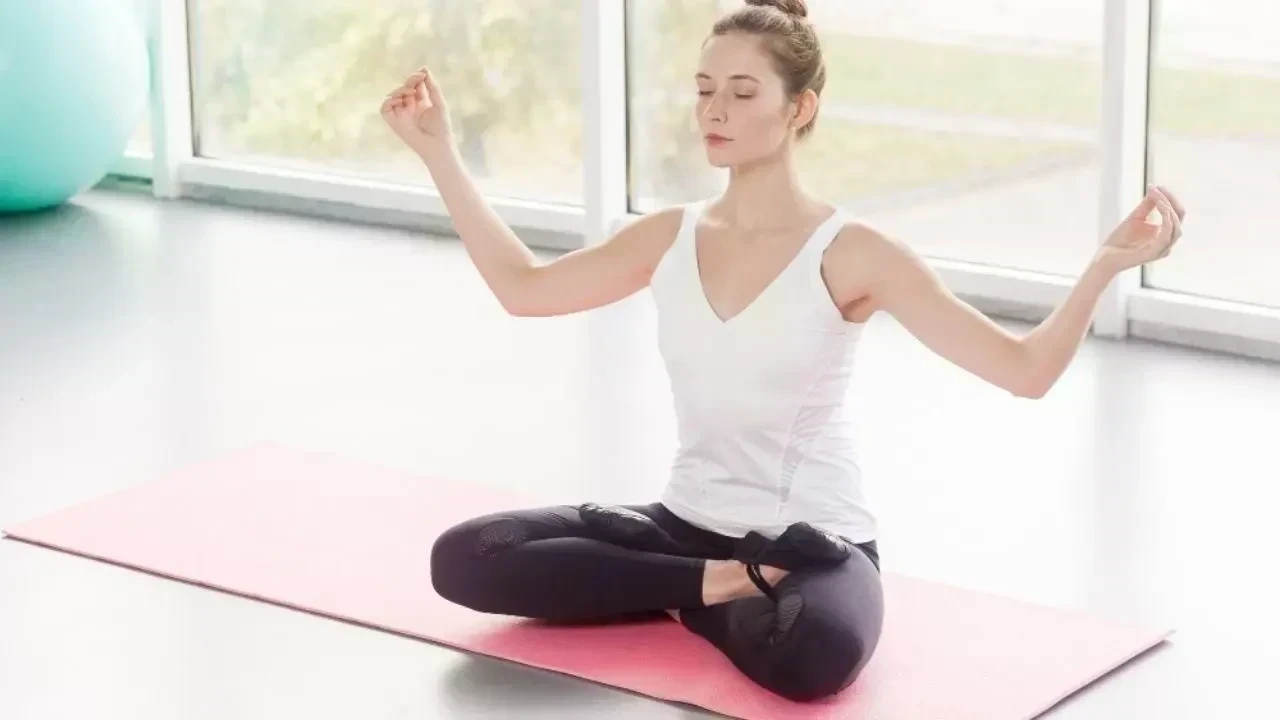
Post by : Michael Darzi
Hair fall has become a daily worry for many people. Students, office workers, parents, and even teenagers notice their hair becoming thinner, weaker, or more fragile than before. Long study hours, endless screen time, late-night work, unhealthy food, and constant pressure slowly weaken the scalp. When stress increases, the hair roots suffer first.
The good thing is that you don’t always need costly hair products or salon treatments to control hair fall. A few minutes of yoga, pranayama (breathing exercises), and gentle self-massage can calm your mind, improve blood flow, and naturally support healthy hair growth. These simple practices nourish the body and bring balance from within.
Let’s look at this routine in an easy and practical way.
Shedding a few strands daily is normal. But when hair starts falling more than usual, it is a sign that something inside the body is disturbed. Some common reasons include:
Stress and overthinking
Poor sleep habits
Skipping meals or eating junk food
Weak blood circulation
Hormonal changes
Tight hairstyles
Excessive use of heat tools
Dust and pollution
Chemicals in shampoos and gels
Out of all these, stress is often the biggest hidden cause. Many people don’t realise how directly stress affects their scalp.
When stress levels rise, your body responds in several ways that affect hair growth:
Stress causes the blood vessels to tighten. This limits the nutrients reaching your hair roots.
The hormone cortisol disturbs your hair’s natural growth cycle and leads to early shedding.
A tense scalp has less flexibility, making it harder for new hair to grow properly.
This is why yoga and pranayama are powerful—they calm the mind, open blood vessels, and bring more oxygen to the scalp.
Yoga not only relaxes the mind but also supports overall health. Healthy hair is a reflection of a healthy system. With regular practice, yoga:
Improves blood flow
Reduces mental stress
Supports deeper breathing
Relaxes the nervous system
Helps balance hormones
Improves nutrient absorption
These benefits make yoga a natural solution for anyone dealing with heavy hair fall.
You can do this routine every morning or evening.
Bend down and let your head hang loose.
Why it helps: Fresh blood flows toward the scalp, giving the hair roots the nourishment they need.
Lift your chest and gently bend backward.
Why it helps: Opens up the chest and lungs, improving the flow of oxygen throughout the body.
Sit on your heels and stretch forward with your arms.
Why it helps: This pose relaxes the mind, reduces tension, and comforts the nervous system.
Raise your hips and stretch your body like an inverted “V.”
Why it helps: Sends blood toward your head and loosens stiffness in the shoulders and spine.
Breathing exercises help fill the body with oxygen and reduce stress—two important factors for healthy hair.
Breathe through one nostril at a time.
Helps with: Hormone balance and calming the mind.
Short, quick exhales while tightening the stomach.
Helps with: Detoxification and digestion, which play a big role in hair strength.
Make a soft humming sound while exhaling.
Helps with: Instant relaxation and tension relief.
Cool air is inhaled through the mouth.
Helps with: Cooling the body and reducing heat-related hair fall.
Slowly fill your lungs and release the air gently.
Helps with: Increasing oxygen levels and improving scalp circulation.
Even a 5-minute routine can make a noticeable difference in a few weeks.
Massage works like food for the scalp. It improves blood flow and nourishes the hair roots.
Use coconut, almond, or bhringraj oil.
Warm oil helps repair weak roots and reduces breakage.
Move your fingertips in gentle circular motions.
This relaxes the scalp muscles and boosts circulation.
Press gently around the temples, the crown of the head, and the back of the head.
These points help ease stress and encourage growth.
Your diet plays a huge role in how healthy your hair becomes. Include:
Almonds, walnuts
Eggs
Spinach and leafy greens
Pumpkin seeds
Yogurt
Amla, oranges, lemons
These foods provide protein, vitamins, iron, and healthy fats needed for strong hair.
Sleep 7–8 hours
Drink enough water
Avoid tight ponytails or buns
Reduce heat styling
Wash hair after sweating
Use mild shampoos
Do yoga or a short walk daily
Small changes every day lead to long-term results.
1. How soon will I see improvement?
Most people notice changes within 3–6 weeks.
2. Is yoga alone enough?
Yoga helps a lot, but adding a good diet and scalp care gives better results.
3. Can beginners try these pranayama exercises?
Yes, all the techniques mentioned here are simple and safe.
4. Can older adults do this routine?
Yes, it is gentle and suitable for all ages.
5. Does Kapalabhati really help hair?
Yes, because it improves digestion and increases oxygen flow.
6. How many minutes should I practice daily?
Around 10–15 minutes is enough.
You don’t always need expensive treatments or chemical-based solutions to stop hair fall. Often, the most effective remedies are simple and natural. Daily yoga, pranayama, and gentle scalp massage help reduce stress, improve circulation, and support thicker, healthier hair. When the mind is calm and the body receives enough oxygen, your hair begins to grow stronger from within.
The information in this article is meant for general awareness and should not be taken as medical advice. Every person’s body and health condition are different, and results may vary. If you have severe hair fall, scalp infections, or medical concerns, please consult a dermatologist or healthcare professional before starting any new routine. The author is not responsible for any reactions or issues caused by following the practices mentioned.

US Stocks Slide as AI Fears, Inflation and Oil Surge Weigh
US stocks dropped as AI disruption fears hit tech firms, inflation rose above forecasts, and oil pri

Pacific Prime Wins Top Honors at Cigna Awards 2026
Pacific Prime secured Top Individual Broker and Top SME Broker awards at Cigna’s Annual Broker Award

QatarEnergy Halts LNG Output After Military Attack
QatarEnergy has stopped LNG production after military attacks hit its facilities in Ras Laffan and M
Strong 6.1 Magnitude Earthquake Hits West Sumatra, No Damage
A 6.1 earthquake struck off West Sumatra, Indonesia. No casualties, damage, or tsunami alert reporte

Saudi Confirms Drone Strike on US Embassy Riyadh
Two drones hit the US Embassy in Riyadh, causing a small fire and minor damage. No injuries were rep

UAE Restarts Limited Flights as Regional Airspace Disruptions Continue
UAE restarts limited flights from Dubai as US-Israel attacks on Iran disrupt regional airspace, forc

Asia Faces Energy Shock After Iran Closes Strait
Iran shuts Strait of Hormuz amid US-Israel strikes, sending oil prices higher and raising serious en


Bank of Baroda Faces Abu Dhabi Legal Battle over NMC Collapse
Bank of Baroda’s involvement in Abu Dhabi litigation tied to the NMC Healthcare collapse raises repu

Top Museum Openings of 2026 Set to Transform Global Tourism
From Los Angeles to Abu Dhabi and Brussels, 2026 brings major museum launches—Lucas Museum, Guggenhe

UAE Tour Highlights UAE’s Strength in Hosting Global Sports Events
Abu Dhabi Sports Council says the successful UAE Tour reflects the UAE’s leading role in hosting maj

EU Seeks Clarity from US After Supreme Court IEEPA Ruling
European Commission urges full transparency from the US on steps after Supreme Court ruling, emphasi

SpaceX Launches 53 New Satellites for Expanding Starlink Network
SpaceX launches 53 Starlink satellites in two Falcon 9 missions, breaking reuse records and expandin

RTA Awards Contract for Phase II of Hessa Street Upgrade in Dubai
Phase II of Hessa Street Development to add bridges, tunnel, and upgraded intersections, doubling ca

UAE Gold Prices Today, Monday 16 February 2026: Dubai & Abu Dhabi Updated Rates
Gold prices in UAE on 16 Feb 2026 updated: 24K around AED 599.75/gm, 22K AED 555.25/gm, and 18K AED

Over 25 Ahmedabad Schools Receive Bomb Threat Email, Authorities Investigate
More than 25 schools in Ahmedabad evacuated after bomb threat emails mentioning Khalistan. Authoriti