Post by : Sam Jeet Rahman
Most people believe recovery happens only when you stop exercising or take a rest day. In reality, true recovery happens mostly outside the gym, not during workouts. Training breaks muscles down. Recovery is what rebuilds them stronger, restores energy, balances hormones, and prevents long-term fatigue or injury. Without proper recovery habits, even the best workout plan stops delivering results.
In today’s fast-paced lifestyle, recovery is often misunderstood or ignored. This leads to burnout, plateaus, chronic soreness, poor sleep, and declining performance. Understanding what recovery truly looks like outside workouts can completely change how your body responds to training.
Exercise creates controlled stress on the body. Recovery is the phase where adaptation happens.
Without recovery:
Muscles fail to repair fully
Hormones remain imbalanced
Nervous system stays overstimulated
Immune function weakens
Injury risk increases
You don’t grow stronger while lifting weights or running. You grow stronger when your body recovers from that stress.
Sleep is the most powerful recovery tool, yet the most neglected.
Muscle tissue repairs itself
Growth hormone is released
Inflammation reduces
Nervous system resets
Energy stores replenish
Deep sleep is when real recovery occurs. Sleeping long hours without deep sleep still results in fatigue.
Waking up tired
Muscle soreness lasting several days
Low motivation to train
Frequent injuries
Consistent sleep timing matters more than sleeping extra hours on random days.
Food is not only for energy during workouts—it is raw material for repair.
Muscle fibers damaged during training need protein to rebuild. Inadequate protein slows recovery and increases muscle breakdown.
Carbs refill glycogen stores, preventing fatigue and performance drop in future workouts.
Healthy fats support hormone production, joint health, and inflammation control.
Skipping meals or under-eating causes the body to prioritize survival over recovery.
Water is essential for nutrient transport, waste removal, and muscle function.
Increased muscle cramps
Slower recovery
Joint stiffness
Fatigue and headaches
Even mild dehydration can delay recovery significantly.
Recovery does not always mean complete rest.
Walking
Stretching
Mobility work
Light swimming
Yoga
Active recovery improves circulation, helping nutrients reach muscles faster while flushing out metabolic waste.
Training stresses not only muscles but also the nervous system.
Poor coordination
Reduced strength despite effort
Elevated resting heart rate
Sleep disturbances
Mental exhaustion
High-stress lifestyles combined with intense training overload the nervous system.
Deep breathing exercises
Reducing constant notifications
Short breaks from screens
Quiet time without stimulation
Calming the nervous system improves sleep, focus, and physical recovery.
Stress and recovery are directly connected.
Chronic stress raises cortisol, a hormone that:
Breaks down muscle tissue
Inhibits muscle growth
Disrupts sleep
Weakens immunity
Even perfect nutrition and sleep struggle to compensate for unmanaged stress.
Rest days are not signs of weakness. They are part of smart training.
Allow tissue repair
Reduce inflammation
Prevent overuse injuries
Restore motivation
Ignoring rest days often leads to forced breaks due to injury or burnout.
Recovery also means maintaining joint health and movement quality.
Reduces muscle tightness
Improves posture
Enhances workout performance
Lowers injury risk
Mobility sessions improve long-term training sustainability.
Mental fatigue affects physical recovery more than most people realize.
Slower reaction times
Reduced motivation
Poor workout quality
Increased perceived effort
Recovery includes mental downtime, not just physical rest.
Many habits quietly sabotage recovery.
Late-night screen usage
Irregular meal timing
Excess caffeine
Alcohol consumption
Inconsistent routines
Small daily habits matter more than occasional intense recovery efforts.
Inflammation is part of recovery, but chronic inflammation is harmful.
Short-term inflammation signals repair. Chronic inflammation delays healing and increases injury risk.
Balanced nutrition, sleep, and stress control keep inflammation productive instead of destructive.
Recovery needs differ based on:
Age
Training intensity
Stress levels
Sleep quality
Nutrition habits
Listening to your body is more effective than blindly following generic recovery advice.
Consistent workout performance
Minimal lingering soreness
Good sleep quality
Stable mood
Motivation to train
Recovery shows in how you feel daily, not just in gym results.
Good recovery habits extend beyond fitness goals.
Better immune health
Improved mental clarity
Reduced injury risk
Sustainable fitness lifestyle
Recovery supports overall health, not just muscle growth.
When progress stalls, many people train harder instead of recovering better. This often worsens the problem.
Improving recovery often leads to better results than increasing workout volume.
Recovery is not passive. It is an active lifestyle practice involving sleep, nutrition, stress management, movement, and mental balance. Training stimulates change, but recovery determines whether that change is positive or damaging.
If your body is not recovering, it is not improving—no matter how disciplined your workouts are.
This article is for informational and educational purposes only and does not replace professional medical or fitness advice. Recovery needs vary by individual based on health status, training level, and lifestyle factors. Consult a qualified healthcare or fitness professional before making significant changes to your training or recovery routine.

US Stocks Slide as AI Fears, Inflation and Oil Surge Weigh
US stocks dropped as AI disruption fears hit tech firms, inflation rose above forecasts, and oil pri

Pacific Prime Wins Top Honors at Cigna Awards 2026
Pacific Prime secured Top Individual Broker and Top SME Broker awards at Cigna’s Annual Broker Award
QatarEnergy Halts LNG Output After Military Attack
QatarEnergy has stopped LNG production after military attacks hit its facilities in Ras Laffan and M
Strong 6.1 Magnitude Earthquake Hits West Sumatra, No Damage
A 6.1 earthquake struck off West Sumatra, Indonesia. No casualties, damage, or tsunami alert reporte

Saudi Confirms Drone Strike on US Embassy Riyadh
Two drones hit the US Embassy in Riyadh, causing a small fire and minor damage. No injuries were rep
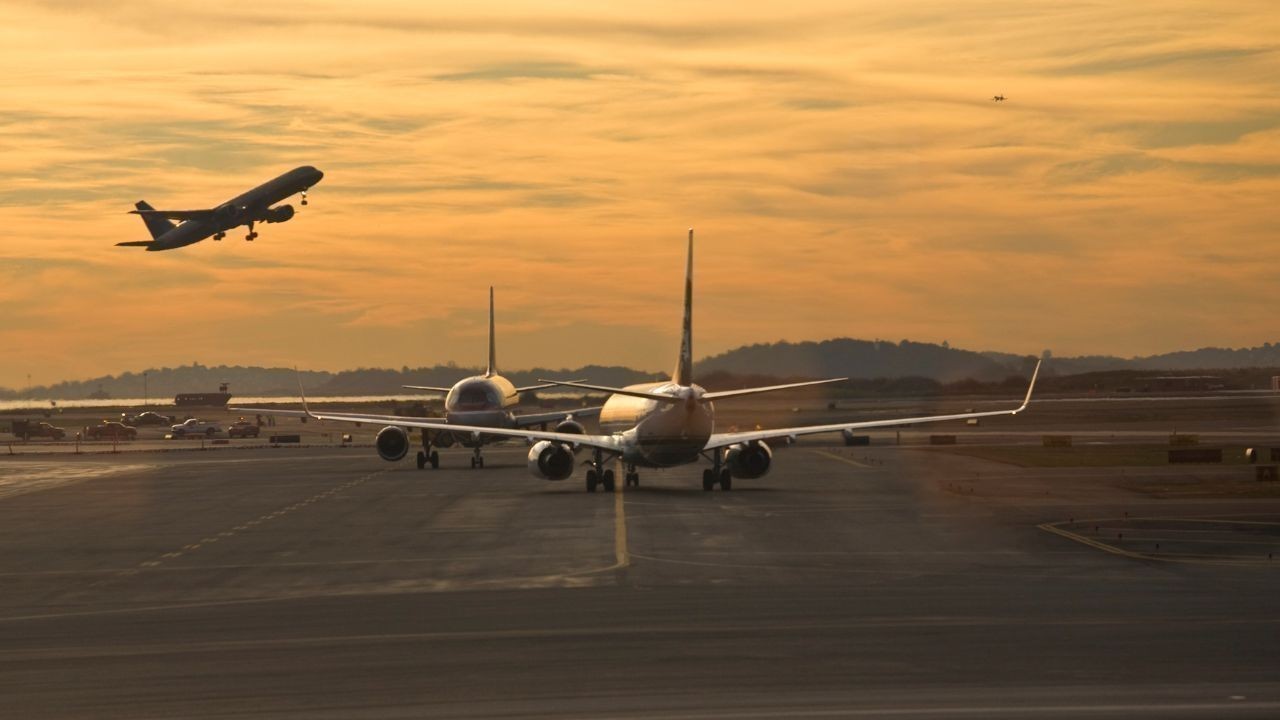
UAE Restarts Limited Flights as Regional Airspace Disruptions Continue
UAE restarts limited flights from Dubai as US-Israel attacks on Iran disrupt regional airspace, forc

Asia Faces Energy Shock After Iran Closes Strait
Iran shuts Strait of Hormuz amid US-Israel strikes, sending oil prices higher and raising serious en


Bank of Baroda Faces Abu Dhabi Legal Battle over NMC Collapse
Bank of Baroda’s involvement in Abu Dhabi litigation tied to the NMC Healthcare collapse raises repu

Top Museum Openings of 2026 Set to Transform Global Tourism
From Los Angeles to Abu Dhabi and Brussels, 2026 brings major museum launches—Lucas Museum, Guggenhe

UAE Tour Highlights UAE’s Strength in Hosting Global Sports Events
Abu Dhabi Sports Council says the successful UAE Tour reflects the UAE’s leading role in hosting maj

EU Seeks Clarity from US After Supreme Court IEEPA Ruling
European Commission urges full transparency from the US on steps after Supreme Court ruling, emphasi
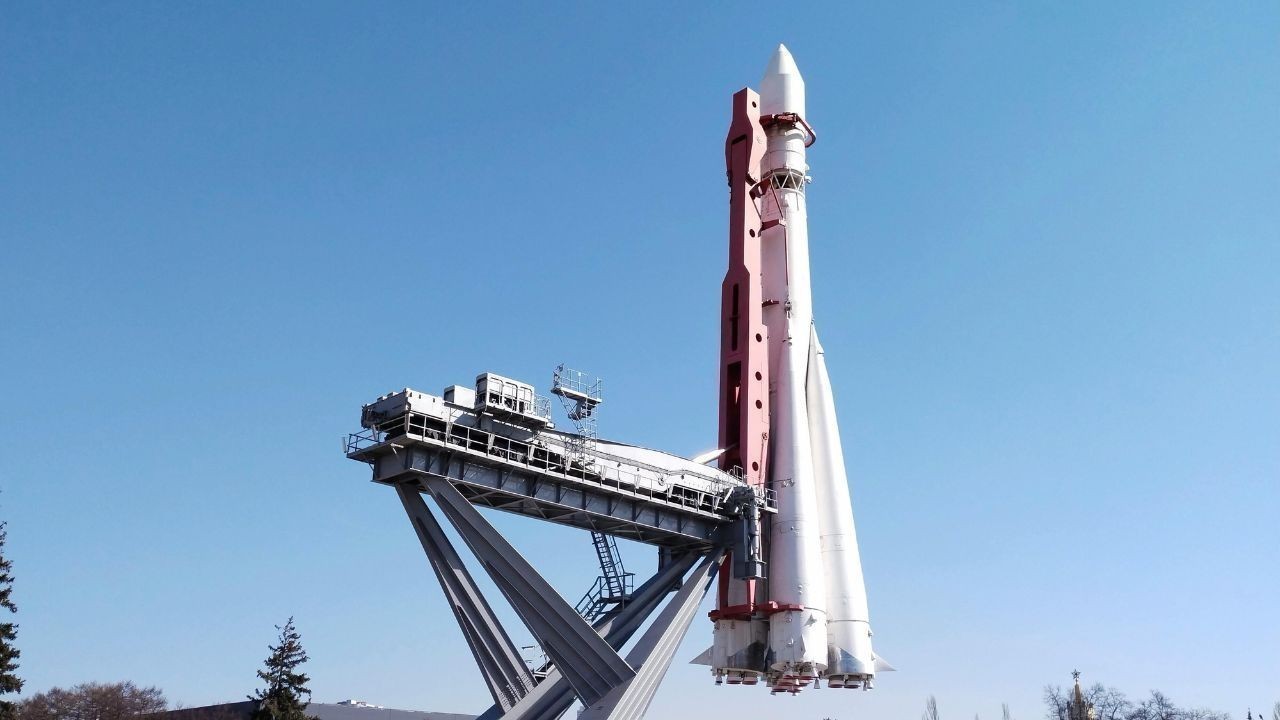
SpaceX Launches 53 New Satellites for Expanding Starlink Network
SpaceX launches 53 Starlink satellites in two Falcon 9 missions, breaking reuse records and expandin

RTA Awards Contract for Phase II of Hessa Street Upgrade in Dubai
Phase II of Hessa Street Development to add bridges, tunnel, and upgraded intersections, doubling ca

UAE Gold Prices Today, Monday 16 February 2026: Dubai & Abu Dhabi Updated Rates
Gold prices in UAE on 16 Feb 2026 updated: 24K around AED 599.75/gm, 22K AED 555.25/gm, and 18K AED

Over 25 Ahmedabad Schools Receive Bomb Threat Email, Authorities Investigate
More than 25 schools in Ahmedabad evacuated after bomb threat emails mentioning Khalistan. Authoriti