Post by : Sam Jeet Rahman
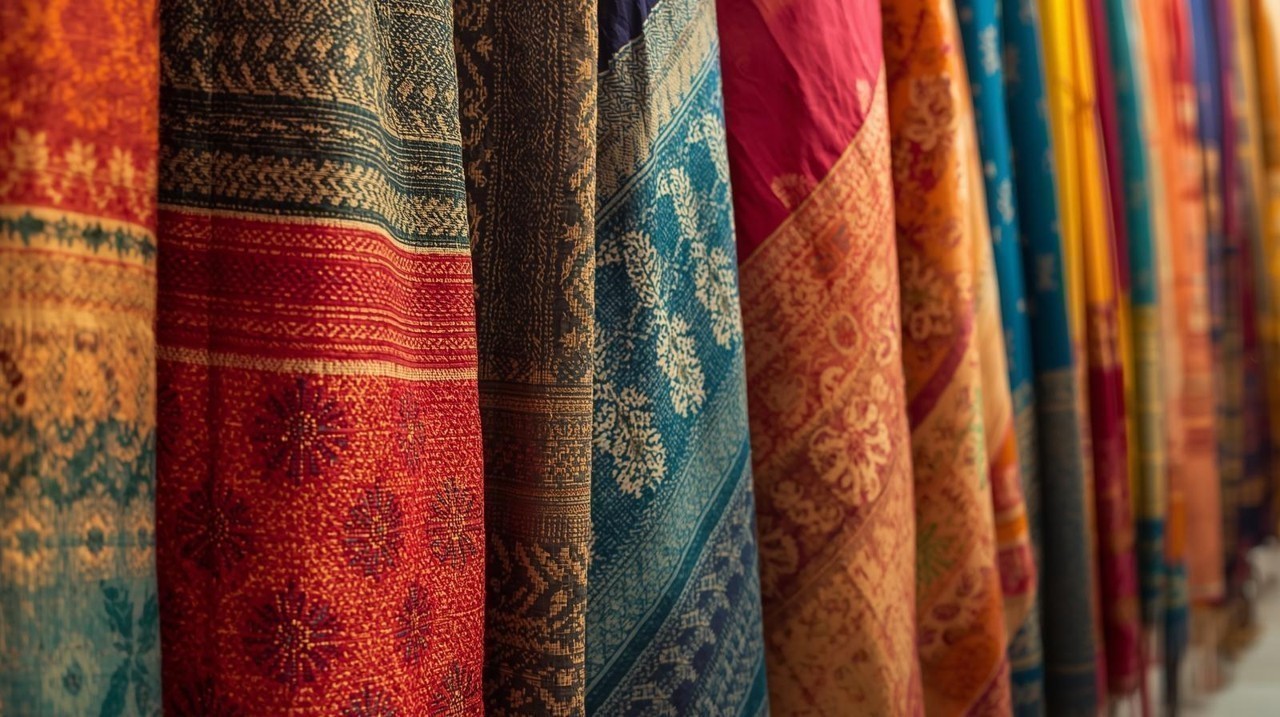
Traditional handloom sarees, once seen mainly as attire for older generations or special occasions, are witnessing a strong revival among young buyers across India and even internationally. What was earlier considered old-fashioned is now being redefined as stylish, sustainable, and culturally meaningful. Designers, retailers, and weavers alike are observing a clear shift in consumer behavior, with millennials and Gen Z showing renewed interest in handwoven textiles.
This growing demand is not driven by nostalgia alone. Young consumers today are more informed, value-conscious, and intentional about what they wear. Handloom sarees align perfectly with these changing preferences.
One of the biggest reasons behind this trend is the rising awareness around sustainable fashion. Young shoppers are increasingly questioning fast fashion, mass production, and the environmental cost of synthetic fabrics. Handloom sarees, made with natural fibers and traditional techniques, are seen as an ethical alternative that supports local artisans and reduces environmental impact.
Another major factor is the desire for authenticity and uniqueness. Unlike machine-made garments, no two handloom sarees are exactly the same. Each piece carries slight variations that reflect the skill of the weaver. For young buyers who want to stand out and avoid mass-produced fashion, this individuality is a big attraction.
Social media platforms have played a crucial role in changing how handloom sarees are perceived. Fashion influencers, designers, and content creators are showcasing handloom sarees in modern ways—pairing them with crop tops, jackets, belts, and contemporary accessories. This has helped break the stereotype that sarees are only meant for traditional or formal occasions.
Instagram reels, wedding shoots, and festive styling videos have made handloom sarees look trendy and versatile, encouraging younger audiences to experiment with them for parties, office wear, college events, and even casual outings.
For many young buyers, wearing handloom is also a way to reconnect with Indian heritage and craftsmanship. In an increasingly globalized world, there is a growing sense of pride in local culture. Handloom sarees represent centuries-old weaving traditions passed down through generations, and owning one feels like owning a piece of history.
This emotional connection is especially strong among young professionals and students who want their fashion choices to reflect deeper values rather than just trends.
Contrary to the belief that handloom sarees are expensive, many young buyers are discovering that they offer better long-term value. While the initial cost may be higher than synthetic sarees, handloom pieces last longer, age gracefully, and can be worn for years without losing charm.
Young consumers are increasingly willing to invest in fewer, high-quality pieces instead of frequently replacing low-cost, low-durability clothing. This mindset shift has helped handloom sarees gain popularity as a form of affordable luxury.
Many contemporary designers are now actively working with handloom weavers, blending traditional techniques with modern designs. This collaboration has resulted in sarees that appeal strongly to younger tastes while preserving the authenticity of handloom weaving.
Online platforms and boutique brands are also making handloom sarees more accessible by offering transparent pricing, storytelling about the weavers, and easy customization. This direct connection between buyer and artisan builds trust and emotional value.
The renewed demand for handloom sarees is having a positive impact on weaver communities, especially in rural areas. Increased sales mean better income stability, revival of dying weaving techniques, and renewed interest among younger generations to continue the craft.
Young buyers are increasingly aware that their purchases directly support livelihoods, making handloom fashion a socially responsible choice rather than just a style statement.
Weddings, festivals, and cultural events remain major drivers of handloom saree purchases. However, young buyers are now extending their use beyond special occasions. Lightweight cotton and linen handloom sarees are being adopted for office wear, daily use, and even travel-friendly styling.
This versatility has expanded the market significantly and changed how sarees fit into modern wardrobes.
Despite growing popularity, handloom sarees still face challenges such as lack of awareness about genuine handloom certification, competition from imitation products, and limited reach in some urban markets. However, increased education, digital platforms, and government-backed initiatives are gradually addressing these issues.
The resurgence of handloom sarees among young buyers is not a passing trend but a reflection of deeper changes in consumer values. Sustainability, cultural identity, ethical consumption, and personal expression are shaping fashion choices more than ever before.
As long as young consumers continue to prioritize meaning over mass appeal, traditional handloom sarees are likely to remain relevant—and even grow stronger—in the years ahead.
Market trends and consumer preferences may vary by region and time. This article is for informational purposes and reflects observed fashion and consumer behavior trends.

US Stocks Slide as AI Fears, Inflation and Oil Surge Weigh
US stocks dropped as AI disruption fears hit tech firms, inflation rose above forecasts, and oil pri

Pacific Prime Wins Top Honors at Cigna Awards 2026
Pacific Prime secured Top Individual Broker and Top SME Broker awards at Cigna’s Annual Broker Award

QatarEnergy Halts LNG Output After Military Attack
QatarEnergy has stopped LNG production after military attacks hit its facilities in Ras Laffan and M

Strong 6.1 Magnitude Earthquake Hits West Sumatra, No Damage
A 6.1 earthquake struck off West Sumatra, Indonesia. No casualties, damage, or tsunami alert reporte

Saudi Confirms Drone Strike on US Embassy Riyadh
Two drones hit the US Embassy in Riyadh, causing a small fire and minor damage. No injuries were rep

UAE Restarts Limited Flights as Regional Airspace Disruptions Continue
UAE restarts limited flights from Dubai as US-Israel attacks on Iran disrupt regional airspace, forc

Asia Faces Energy Shock After Iran Closes Strait
Iran shuts Strait of Hormuz amid US-Israel strikes, sending oil prices higher and raising serious en


Bank of Baroda Faces Abu Dhabi Legal Battle over NMC Collapse
Bank of Baroda’s involvement in Abu Dhabi litigation tied to the NMC Healthcare collapse raises repu

Top Museum Openings of 2026 Set to Transform Global Tourism
From Los Angeles to Abu Dhabi and Brussels, 2026 brings major museum launches—Lucas Museum, Guggenhe

UAE Tour Highlights UAE’s Strength in Hosting Global Sports Events
Abu Dhabi Sports Council says the successful UAE Tour reflects the UAE’s leading role in hosting maj

EU Seeks Clarity from US After Supreme Court IEEPA Ruling
European Commission urges full transparency from the US on steps after Supreme Court ruling, emphasi

SpaceX Launches 53 New Satellites for Expanding Starlink Network
SpaceX launches 53 Starlink satellites in two Falcon 9 missions, breaking reuse records and expandin

RTA Awards Contract for Phase II of Hessa Street Upgrade in Dubai
Phase II of Hessa Street Development to add bridges, tunnel, and upgraded intersections, doubling ca

UAE Gold Prices Today, Monday 16 February 2026: Dubai & Abu Dhabi Updated Rates
Gold prices in UAE on 16 Feb 2026 updated: 24K around AED 599.75/gm, 22K AED 555.25/gm, and 18K AED

Over 25 Ahmedabad Schools Receive Bomb Threat Email, Authorities Investigate
More than 25 schools in Ahmedabad evacuated after bomb threat emails mentioning Khalistan. Authoriti





