Post by : Sam Jeet Rahman
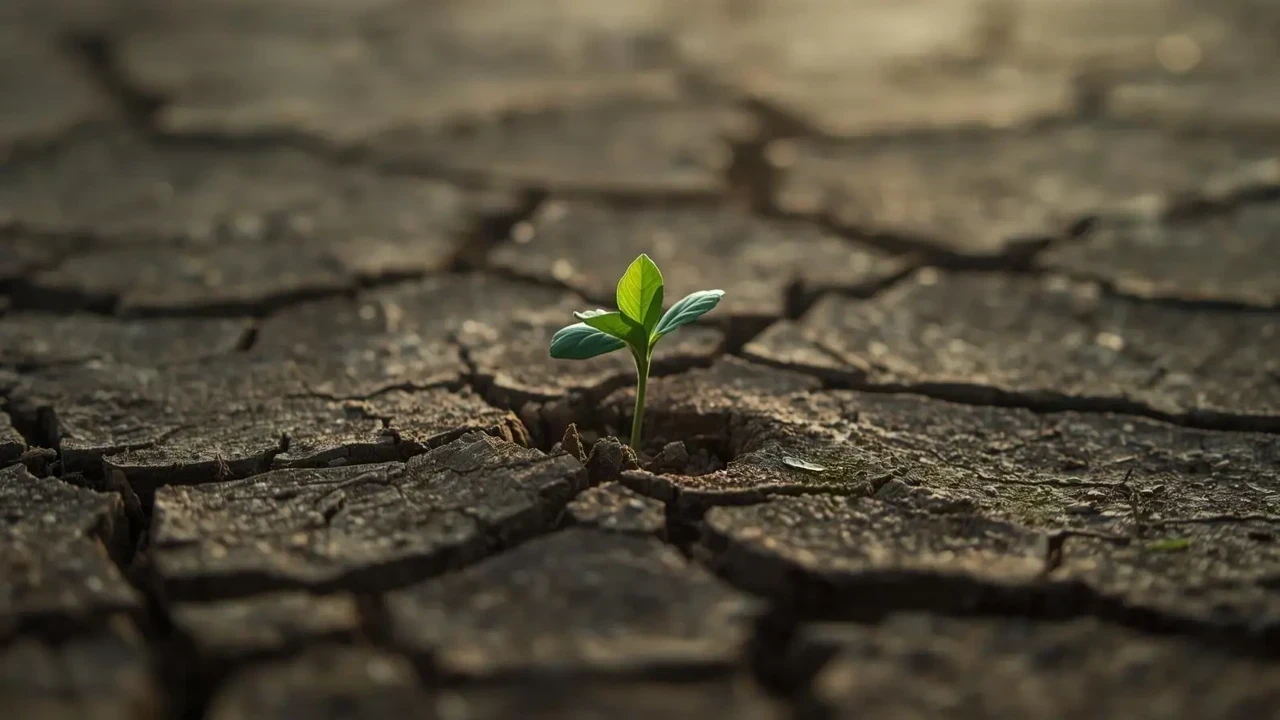
Environmental change is often discussed as a global emergency, yet progress feels painfully slow. People recycle, carry reusable bags, switch off lights, and reduce plastic use—still, pollution rises, temperatures climb, and ecosystems remain under pressure. This creates frustration and a common belief that individual actions don’t matter.
The truth is more complex. Small environmental actions are not useless, but the way they are framed, scaled, and supported is the hidden reason why change feels slow. Understanding this gap between effort and impact is critical if real environmental progress is to happen.
Small actions are often promoted because they are easy, accessible, and non-threatening.
They give people a sense of participation
They reduce guilt without major lifestyle changes
They are simple to communicate and adopt
However, this creates a psychological completion effect. Once people perform a small action, their brain registers the problem as “addressed,” reducing motivation for deeper change.
This phenomenon is known as moral licensing, where doing one good act unconsciously permits inaction elsewhere.
One of the biggest reasons change feels slow is scale mismatch.
Environmental problems are large, systemic, and industrial in nature, while most promoted solutions are small and individual.
Examples:
Recycling while industries produce unrecyclable packaging
Reducing water use while agriculture consumes most freshwater
Avoiding plastic straws while supply chains rely on plastic
Small actions operate at a personal scale, while environmental damage occurs at industrial and policy levels.
Small environmental actions are heavily promoted for strategic reasons.
Governments and corporations face less pushback when encouraging individuals to change habits rather than regulating industries.
Focus on personal responsibility subtly shifts attention away from:
Corporate emissions
Industrial waste
Policy failures
This creates the illusion of collective effort without structural change.
Small actions become ineffective when they exist in isolation.
When they lead to awareness
When they build momentum
When they encourage collective pressure
When they replace larger action
When they are treated as the final step
When systems remain unchanged
Recycling one bottle does little. Millions demanding packaging reform changes industries.
Environmental systems respond slowly.
Ecosystems recover over decades
Carbon reduction effects are delayed
Pollution damage accumulates before reversing
This delay creates the perception that nothing is working, even when progress has started.
Small actions often contribute to long-term trends, not immediate visible outcomes.
Environmental action is often fragmented.
People act individually instead of collectively
Efforts are spread across too many minor goals
No unified pressure on decision-makers
Fragmentation dilutes power. Unified demand accelerates change.
Many “green habits” are designed to be comfortable.
Avoids disruption to lifestyles
Preserves consumption patterns
Delays uncomfortable conversations about reduction
Real environmental change often requires less consumption, not just “greener” consumption.
Large systems resist transformation.
Economic dependence on existing models
Political pressure from industries
Fear of short-term economic impact
Small actions alone cannot overcome system-level resistance without policy pressure and economic incentives.
Small actions are powerful when used correctly.
Small actions should act as entry points, not endpoints.
Recycling should lead to waste policy demands
Energy saving should lead to renewable advocacy
Conscious consumption should lead to reduced consumption
The goal is behavioral escalation, not satisfaction.
Change accelerates when individuals act together.
It influences policy
It reshapes markets
It changes social norms
History shows that environmental progress happens fastest when personal action evolves into organized demand.
Environmental progress is often measured incorrectly.
Counting participation instead of impact
Measuring intent instead of outcomes
Focusing on visibility instead of effectiveness
This creates a false sense of progress while real damage continues.
Media narratives often oversimplify solutions.
Easy lifestyle tips
Viral eco-hacks
Feel-good stories
What gets ignored:
Policy reform
Industrial accountability
Long-term structural shifts
This skews public understanding of what actually drives change.
Environmental fatigue is real.
Doing “everything right” with no visible results
Feeling individually responsible for global problems
Constant negative climate news
Burnout reduces engagement and reinforces the belief that action is pointless.
Small actions need reframing.
Treat them as signals, not solutions
Use them to build awareness and community
Connect them to advocacy and voting choices
Small actions should activate systems, not replace them.
Policy accelerates environmental change faster than individual behavior alone.
It scales impact
It enforces accountability
It reshapes markets
Individual actions become powerful when they influence policy direction.
Progress is rarely dramatic.
Gradual shifts in industry standards
Long-term reduction in emissions
Improved regulations
Cultural change in consumption norms
These shifts are slow but durable.
Fast change often collapses. Sustainable change lasts.
Environmental progress is not slow because people don’t care—it feels slow because systems take time to transform, and small actions alone cannot carry that weight.
Small environmental actions are not meaningless—but they are incomplete on their own. They become powerful only when they lead to collective pressure, systemic reform, and reduced consumption. Change feels slow because we are often encouraged to stop at the smallest step.
The real breakthrough happens when small actions stop being the goal and start becoming the beginning.
This article is intended for informational and educational purposes only. Environmental outcomes depend on complex ecological, economic, and policy-related factors that vary by region and industry. Individual actions are valuable but should be combined with collective efforts and informed decision-making for meaningful environmental impact.

US Stocks Slide as AI Fears, Inflation and Oil Surge Weigh
US stocks dropped as AI disruption fears hit tech firms, inflation rose above forecasts, and oil pri

Pacific Prime Wins Top Honors at Cigna Awards 2026
Pacific Prime secured Top Individual Broker and Top SME Broker awards at Cigna’s Annual Broker Award
QatarEnergy Halts LNG Output After Military Attack
QatarEnergy has stopped LNG production after military attacks hit its facilities in Ras Laffan and M

Strong 6.1 Magnitude Earthquake Hits West Sumatra, No Damage
A 6.1 earthquake struck off West Sumatra, Indonesia. No casualties, damage, or tsunami alert reporte
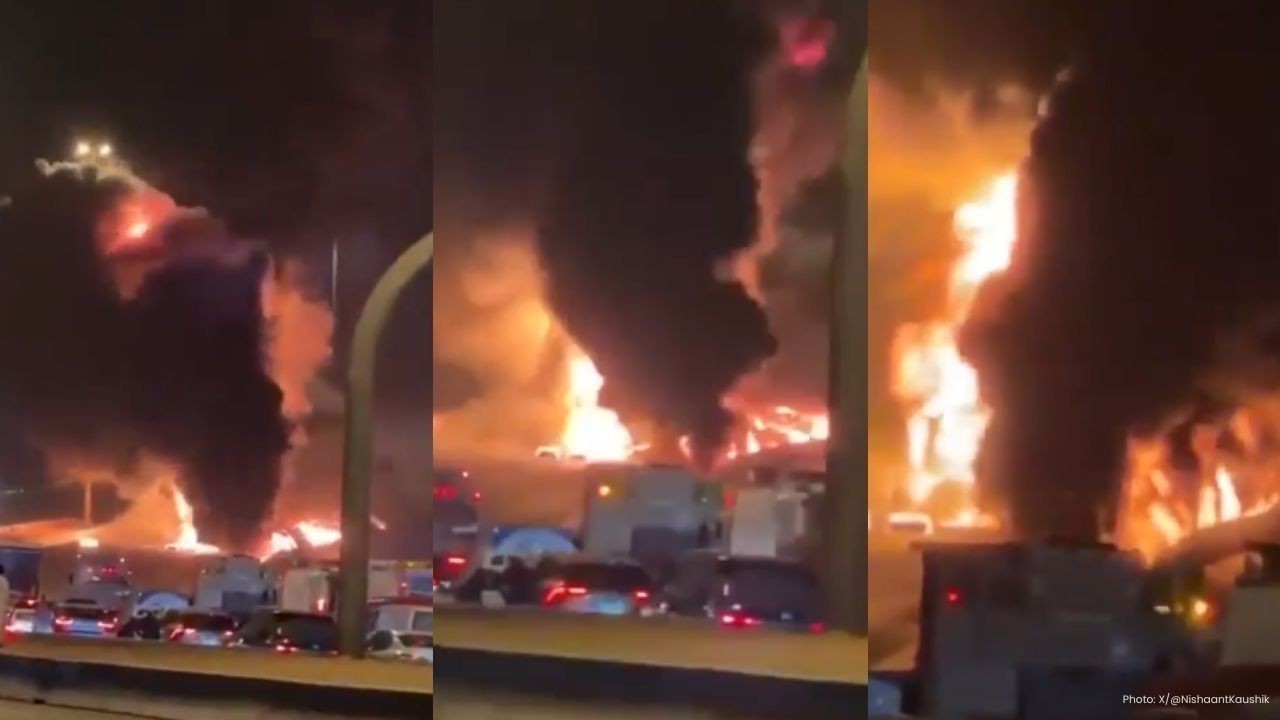
Saudi Confirms Drone Strike on US Embassy Riyadh
Two drones hit the US Embassy in Riyadh, causing a small fire and minor damage. No injuries were rep

UAE Restarts Limited Flights as Regional Airspace Disruptions Continue
UAE restarts limited flights from Dubai as US-Israel attacks on Iran disrupt regional airspace, forc
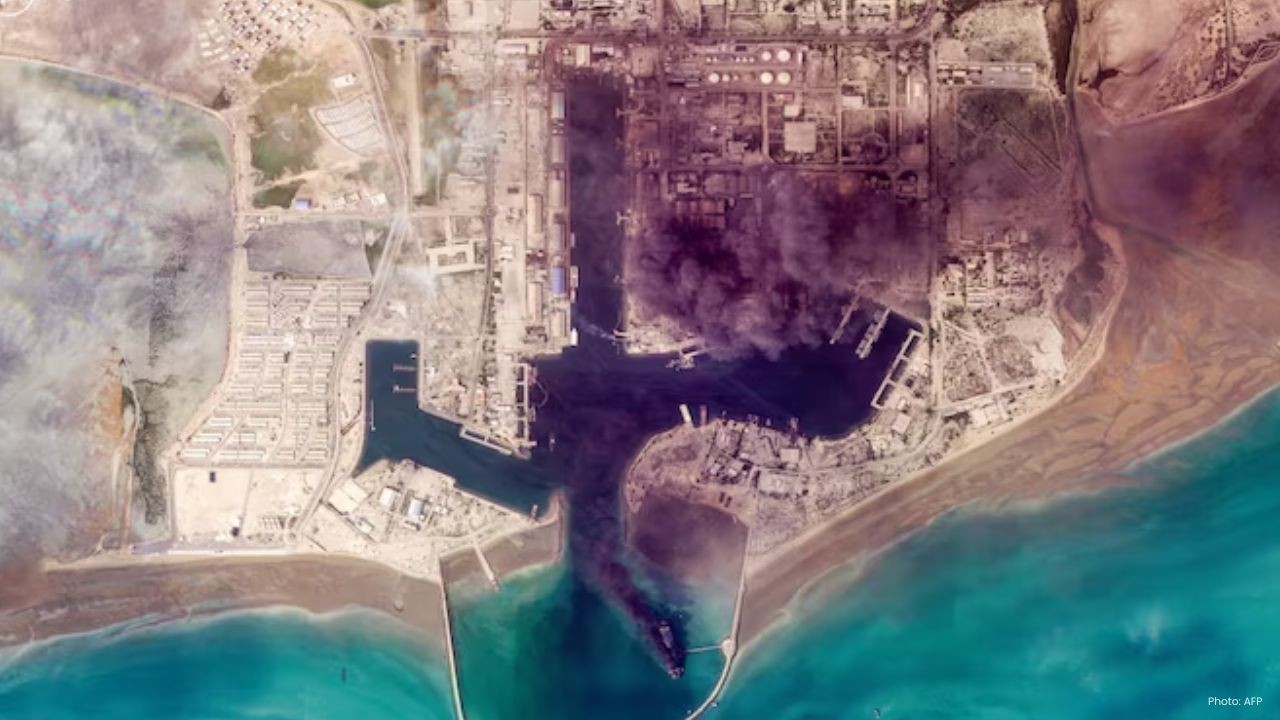
Asia Faces Energy Shock After Iran Closes Strait
Iran shuts Strait of Hormuz amid US-Israel strikes, sending oil prices higher and raising serious en


Bank of Baroda Faces Abu Dhabi Legal Battle over NMC Collapse
Bank of Baroda’s involvement in Abu Dhabi litigation tied to the NMC Healthcare collapse raises repu

Top Museum Openings of 2026 Set to Transform Global Tourism
From Los Angeles to Abu Dhabi and Brussels, 2026 brings major museum launches—Lucas Museum, Guggenhe

UAE Tour Highlights UAE’s Strength in Hosting Global Sports Events
Abu Dhabi Sports Council says the successful UAE Tour reflects the UAE’s leading role in hosting maj
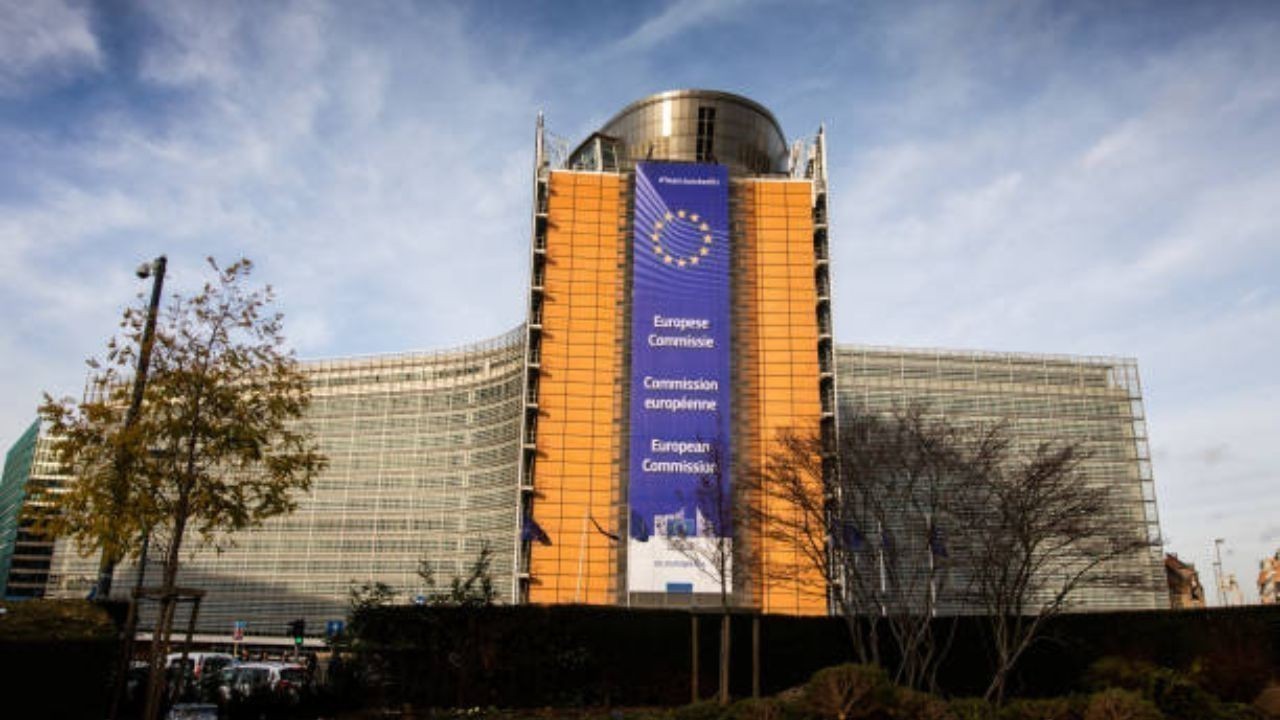
EU Seeks Clarity from US After Supreme Court IEEPA Ruling
European Commission urges full transparency from the US on steps after Supreme Court ruling, emphasi
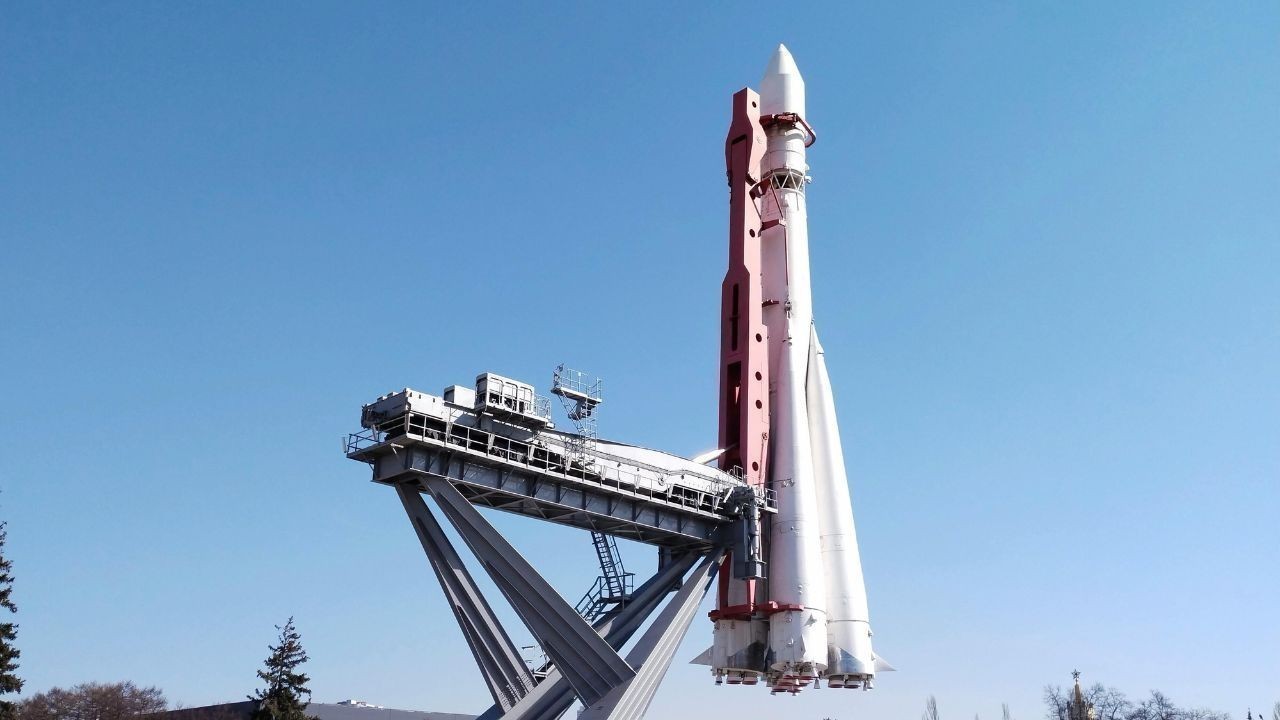
SpaceX Launches 53 New Satellites for Expanding Starlink Network
SpaceX launches 53 Starlink satellites in two Falcon 9 missions, breaking reuse records and expandin

RTA Awards Contract for Phase II of Hessa Street Upgrade in Dubai
Phase II of Hessa Street Development to add bridges, tunnel, and upgraded intersections, doubling ca

UAE Gold Prices Today, Monday 16 February 2026: Dubai & Abu Dhabi Updated Rates
Gold prices in UAE on 16 Feb 2026 updated: 24K around AED 599.75/gm, 22K AED 555.25/gm, and 18K AED

Over 25 Ahmedabad Schools Receive Bomb Threat Email, Authorities Investigate
More than 25 schools in Ahmedabad evacuated after bomb threat emails mentioning Khalistan. Authoriti