Post by : Sam Jeet Rahman
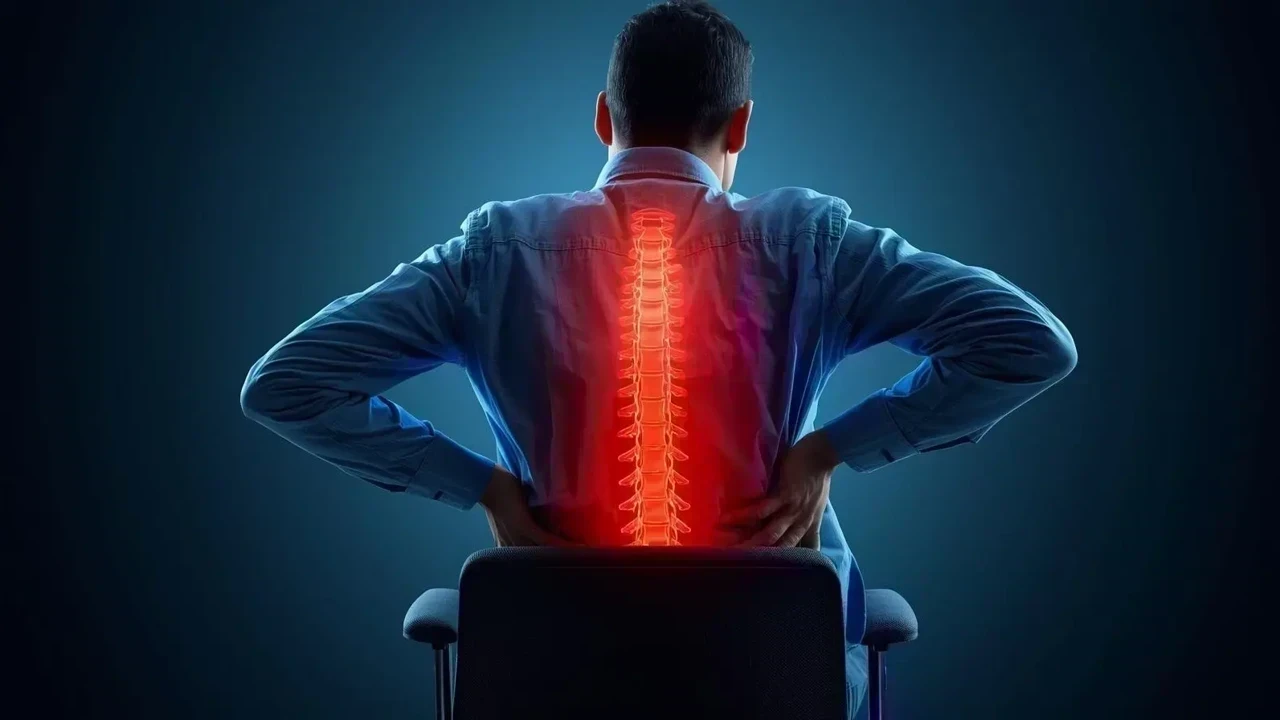
Sitting for long hours has become a daily reality for office workers, students, freelancers, and remote professionals. While sitting may feel comfortable initially, prolonged sitting puts continuous pressure on the spine, muscles, and joints. Over time, this pressure leads to stiffness, muscle imbalance, reduced blood flow, and strain on the lower and upper back. Back pain caused by long sitting is one of the most common lifestyle-related health issues today.
Many people experience back pain without any injury or heavy physical activity, and prolonged sitting is often the hidden cause. Whether it is working at a desk, using a laptop on a couch, or scrolling on a phone, poor sitting habits silently damage spinal health. This article explains why sitting for long hours causes back pain and how it can be fixed through practical, realistic, and sustainable lifestyle changes without requiring extreme exercise routines.
The human body is designed for movement, not for remaining in one position for hours.
When sitting for long periods, the lower back bears more load than when standing.
• The spine compresses unnaturally
• Discs between vertebrae experience pressure
• Natural spinal curves flatten
This leads to lower back pain and stiffness.
Lack of movement causes muscles to weaken.
• Core muscles become inactive
• Back muscles lose strength
• Postural support reduces over time
Weak muscles cannot support the spine effectively.
Sitting shortens certain muscles.
• Hip flexors tighten due to constant bending
• Hamstrings lose flexibility
• Muscle imbalance develops
This imbalance pulls the spine out of alignment, causing pain.
Remaining seated reduces blood flow.
• Muscles receive less oxygen
• Toxins accumulate in tissues
• Healing and recovery slow down
Poor circulation contributes to muscle soreness and discomfort.
Slouching places extra stress on the spine.
• Rounded shoulders strain upper back
• Head moves forward, stressing the neck
• Lower back loses support
This posture leads to chronic pain over time.
Unsupported sitting increases strain.
• Lower back muscles work continuously
• Spine loses natural curve
• Fatigue builds faster
Lack of support accelerates discomfort.
Extended screen use worsens posture.
• Leaning toward screens
• Reduced blinking and stiffness
• Static body position
This habit affects the entire back and neck.
Improper seating surfaces cause imbalance.
• Sofas without support
• Beds or floor seating
• Uneven chairs
These surfaces fail to support spinal alignment.
Recognizing early signs helps prevent worsening.
• Pain increases after long sitting
• Relief after standing or walking
• Stiffness in lower back or hips
• Tightness in shoulders and neck
These symptoms indicate posture-related strain.
Good posture is the foundation of back health.
• Sit with back straight and shoulders relaxed
• Keep feet flat on the floor
• Maintain a natural curve in the lower back
• Keep screen at eye level
Proper posture reduces pressure on the spine.
Ergonomic support makes a big difference.
• Use a chair with lumbar support
• Adjust chair height so knees are level with hips
• Keep keyboard and mouse at elbow level
A well-set workspace protects the back.
Movement prevents stiffness.
• Stand or walk every 30–45 minutes
• Stretch briefly during breaks
• Avoid sitting continuously for hours
Frequent movement refreshes muscles and joints.
Gentle stretching relieves tension.
• Neck and shoulder rolls
• Back extension stretches
• Hip flexor stretches
• Hamstring stretches
Stretching improves flexibility and reduces pain.
Strong core muscles support the spine.
• Practice standing posture awareness
• Engage core while sitting
• Include light bodyweight exercises
Core strength reduces back strain.
Work-from-home habits matter equally.
• Avoid working from bed or sofa
• Use a table and supportive chair
• Maintain posture even during phone use
Consistency at home prevents pain.
Overall activity supports spinal health.
• Walking regularly
• Light stretching routines
• Household movement
Active lifestyles counteract sitting effects.
Stress contributes to muscle tension.
• Practice deep breathing
• Reduce mental strain
• Maintain work-life balance
Relaxed muscles heal faster.
Sleep affects back recovery.
• Use supportive mattress
• Avoid sleeping on stomach
• Maintain neutral spine alignment
Good sleep posture supports healing.
Hydration supports spinal discs.
• Drink water regularly
• Avoid excessive caffeine
• Support disc flexibility
Proper hydration reduces stiffness.
Seek professional help if pain persists.
• Pain lasting several weeks
• Numbness or tingling
• Severe or worsening discomfort
• Pain affecting daily activities
Early intervention prevents complications.
Prevention is easier than treatment.
• Maintain posture awareness
• Stay physically active
• Avoid prolonged sitting
• Strengthen core muscles
Daily habits protect spinal health.
Medication provides temporary relief, while posture correction and movement address the root cause. Long-term back health depends on lifestyle changes rather than short-term pain relief methods.
Understanding why sitting for long hours causes back pain is the first step toward fixing it. Prolonged sitting weakens muscles, compresses the spine, and disrupts posture, leading to discomfort and stiffness. By correcting sitting posture, staying active, taking regular breaks, and building supportive daily habits, back pain can be reduced and prevented naturally. Small consistent changes in sitting behavior can protect spinal health and improve overall quality of life.
This article is for informational purposes only and does not substitute medical advice. Individuals experiencing severe or persistent back pain should consult a qualified healthcare professional for proper diagnosis and treatment.

US Stocks Slide as AI Fears, Inflation and Oil Surge Weigh
US stocks dropped as AI disruption fears hit tech firms, inflation rose above forecasts, and oil pri

Pacific Prime Wins Top Honors at Cigna Awards 2026
Pacific Prime secured Top Individual Broker and Top SME Broker awards at Cigna’s Annual Broker Award

QatarEnergy Halts LNG Output After Military Attack
QatarEnergy has stopped LNG production after military attacks hit its facilities in Ras Laffan and M
Strong 6.1 Magnitude Earthquake Hits West Sumatra, No Damage
A 6.1 earthquake struck off West Sumatra, Indonesia. No casualties, damage, or tsunami alert reporte

Saudi Confirms Drone Strike on US Embassy Riyadh
Two drones hit the US Embassy in Riyadh, causing a small fire and minor damage. No injuries were rep

UAE Restarts Limited Flights as Regional Airspace Disruptions Continue
UAE restarts limited flights from Dubai as US-Israel attacks on Iran disrupt regional airspace, forc

Asia Faces Energy Shock After Iran Closes Strait
Iran shuts Strait of Hormuz amid US-Israel strikes, sending oil prices higher and raising serious en


Bank of Baroda Faces Abu Dhabi Legal Battle over NMC Collapse
Bank of Baroda’s involvement in Abu Dhabi litigation tied to the NMC Healthcare collapse raises repu

Top Museum Openings of 2026 Set to Transform Global Tourism
From Los Angeles to Abu Dhabi and Brussels, 2026 brings major museum launches—Lucas Museum, Guggenhe

UAE Tour Highlights UAE’s Strength in Hosting Global Sports Events
Abu Dhabi Sports Council says the successful UAE Tour reflects the UAE’s leading role in hosting maj

EU Seeks Clarity from US After Supreme Court IEEPA Ruling
European Commission urges full transparency from the US on steps after Supreme Court ruling, emphasi
SpaceX Launches 53 New Satellites for Expanding Starlink Network
SpaceX launches 53 Starlink satellites in two Falcon 9 missions, breaking reuse records and expandin

RTA Awards Contract for Phase II of Hessa Street Upgrade in Dubai
Phase II of Hessa Street Development to add bridges, tunnel, and upgraded intersections, doubling ca

UAE Gold Prices Today, Monday 16 February 2026: Dubai & Abu Dhabi Updated Rates
Gold prices in UAE on 16 Feb 2026 updated: 24K around AED 599.75/gm, 22K AED 555.25/gm, and 18K AED

Over 25 Ahmedabad Schools Receive Bomb Threat Email, Authorities Investigate
More than 25 schools in Ahmedabad evacuated after bomb threat emails mentioning Khalistan. Authoriti