Post by : Anis Karim
Travel in 2025 looks very different from what it did even a few years ago. The pandemic years altered not just how we move, but how we think about rest, work, and leisure. As the world reopened, many expected travelers to rush back to multi-week vacations across continents. Instead, a new pattern emerged: short-break travel—two to four-day getaways that fit snugly between work weeks and family schedules.
According to global travel data released this month, short breaks have surged by more than 40% since last year, while long-duration holidays have plateaued. Travelers are prioritizing frequency, convenience, and affordability over the traditional “once-a-year” long trip.
But what’s really driving this shift? And does it mean the era of long holidays is fading away?
One of the most significant factors fueling short-break travel is the rise of hybrid and flexible work models. Millions of professionals now have the ability to work remotely for parts of the week. This has blurred the line between weekdays and weekends—allowing people to extend a Friday-Sunday trip into a four-day mini-vacation without formally applying for leave.
Travel agencies have noticed this pattern too. “The new traveler isn’t looking for a two-week escape; they’re looking for mini resets throughout the year,” said a tourism consultant during a recent industry panel.
Short-break travel fits perfectly into this new “time economy,” where people measure rest not by duration, but by quality and frequency.
Psychologists are also finding that shorter, more frequent breaks can reduce burnout more effectively than infrequent long holidays. These micro-getaways provide regular doses of novelty and relaxation, keeping stress levels manageable.
A behavioral study published earlier this year found that people who took a three-day trip every two months reported higher levels of well-being than those who took one long vacation per year. The logic is simple: instead of waiting months for a single big break, short escapes deliver consistent recovery throughout the year.
As global inflation and airfare prices continue to fluctuate, short trips are often more budget-friendly. A long international vacation can require significant savings, while a short regional trip feels achievable. Travelers are now choosing experiences they can afford more often rather than saving up for a single, expensive journey.
For instance, regional destinations like Sri Lanka, Jordan, Georgia, and Bali are witnessing a rise in two-to-four-day itineraries targeted at professionals seeking a quick recharge.
Long holidays once represented luxury and status—a mark of work-life balance and financial stability. But in 2025, they face logistical and emotional challenges. The return-to-office mandates in some industries, complex visa procedures, and unpredictable travel disruptions have made extended holidays more difficult to plan.
Moreover, the digital world has made it harder for many professionals to completely disconnect. A two-week escape can easily turn into “work from the beach,” diminishing the sense of restfulness that long vacations were once known for.
Long holidays also come with emotional weight. They often involve high expectations—after months of saving and planning, people want every moment to be perfect. This pressure can ironically lead to disappointment or post-travel fatigue.
In contrast, a short break carries lower expectations and greater spontaneity. If it rains during a weekend trip, no one feels the trip is “ruined.” But if bad weather hits a long-awaited two-week vacation, it can feel devastating.
Sustainability-conscious travelers are also rethinking long-haul travel. With increased awareness about carbon footprints, some prefer to take multiple shorter, eco-friendly trips closer to home rather than one long-haul flight each year.
Hospitality brands are rapidly adapting to this change. Major hotel chains are offering “micro-stay” packages—two to three nights with added flexibility for late checkouts and weekday arrivals. Airlines are promoting flash fares for quick regional hops.
In 2025, tourism boards from destinations like Thailand, Croatia, and the UAE have launched “48-Hour Destination” campaigns, marketing their cities as perfect weekend escapes rather than long-stay locales.
Technology is amplifying this short-trip revolution. Mobile apps now make it easy to book flights, stays, and local experiences within minutes. Real-time pricing, location-based itineraries, and dynamic weather tracking encourage spontaneous decisions.
Travel platforms have observed that the average time between booking and departure for short trips has dropped to under five days—a remarkable sign of impulsive, experience-driven travel behavior.
Today’s travelers are motivated by instant gratification and the desire for experiences that fit within their fast-paced lives. Short trips deliver that dopamine rush without the stress of planning months in advance.
Interestingly, while shorter in duration, these trips often carry deeper meaning. Many travelers now prioritize mindful exploration—immersing themselves in a local café culture, a nature trail, or a wellness retreat rather than cramming sightseeing into every hour.
Short trips are also serving as digital detox opportunities. Many professionals consciously choose destinations where they can disconnect, meditate, or simply slow down. The quick break becomes not just about travel, but about mental reset—a way to recalibrate before re-engaging with routine life.
While short trips dominate trends, long holidays still hold unmatched potential for deep travel—the kind of immersive experiences that reshape perspectives. Spending weeks in one place allows travelers to understand local culture, language, and history in ways that a weekend can’t replicate.
Adventure enthusiasts, backpackers, and families with children still prefer extended breaks. Long vacations also benefit local economies more significantly, as travelers spend on accommodation, local transport, and cultural experiences over a longer period.
One emerging middle ground is the “workation”—where professionals combine remote work with extended stays abroad. Similarly, slow travel—spending more time in fewer destinations—continues to appeal to those seeking depth rather than speed. These approaches blend the flexibility of short breaks with the richness of long vacations.
Generational preferences are influencing these patterns. Gen Z travelers, with their digital-first mindset and limited budgets, favor short, frequent trips to trendy destinations. Millennials, often balancing careers and young families, seek quick escapes that require minimal planning.
In contrast, older travelers—particularly retirees—still embrace long holidays for their sense of nostalgia and deeper exploration. The travel industry, recognizing these nuances, now tailors experiences accordingly.
City dwellers are driving the short-break trend more than rural travelers. The urban workforce, with higher stress levels and limited free time, sees weekend trips as essential escapes. Meanwhile, travelers from smaller towns often plan longer, less frequent vacations due to travel logistics.
With travel costs increasing, consumers are becoming creative. Instead of saving for luxury getaways, they prioritize micro-luxuries—boutique stays, culinary experiences, or wellness retreats that fit within a weekend budget.
For airlines and hotels, this trend means shorter stays but higher occupancy rates across the year. Dynamic pricing models and loyalty programs are being redesigned to cater to frequent, short-term travelers rather than seasonal long-term guests.
Even companies are adapting. Some organizations now offer “micro-leave” policies, allowing employees to take single days off to create long weekends. This has directly fueled the rise of short-break travel as a form of self-care that boosts productivity and morale.
Industry analysts predict that the future lies in blended travel—a mix of short escapes and occasional long adventures. The balance will depend on personal priorities: wellness, finances, sustainability, and time.
Tech innovations such as AI-driven itinerary planners, sustainable transport solutions, and digital nomad visas are already transforming how we perceive both short and long vacations.
In an age of constant connectivity, travelers are redefining luxury as peace of mind rather than possessions. Whether through a three-day mountain retreat or a month-long cultural journey, the ultimate goal remains emotional restoration.
The debate between short breaks and long holidays is not about which is “better,” but which suits modern lifestyles. Short breaks provide instant rest and balance, while long holidays offer immersion and transformation.
In 2025, the smartest travelers will not choose one over the other—they’ll design flexible routines that include both. The future of travel isn’t about how long we go away, but how meaningfully we spend the time when we do.
This article is for informational and editorial purposes only. Travel decisions should consider individual health, financial, and logistical factors. The trends and insights discussed are based on industry data and do not represent financial or policy advice.

US Stocks Slide as AI Fears, Inflation and Oil Surge Weigh
US stocks dropped as AI disruption fears hit tech firms, inflation rose above forecasts, and oil pri

Pacific Prime Wins Top Honors at Cigna Awards 2026
Pacific Prime secured Top Individual Broker and Top SME Broker awards at Cigna’s Annual Broker Award
QatarEnergy Halts LNG Output After Military Attack
QatarEnergy has stopped LNG production after military attacks hit its facilities in Ras Laffan and M

Strong 6.1 Magnitude Earthquake Hits West Sumatra, No Damage
A 6.1 earthquake struck off West Sumatra, Indonesia. No casualties, damage, or tsunami alert reporte

Saudi Confirms Drone Strike on US Embassy Riyadh
Two drones hit the US Embassy in Riyadh, causing a small fire and minor damage. No injuries were rep
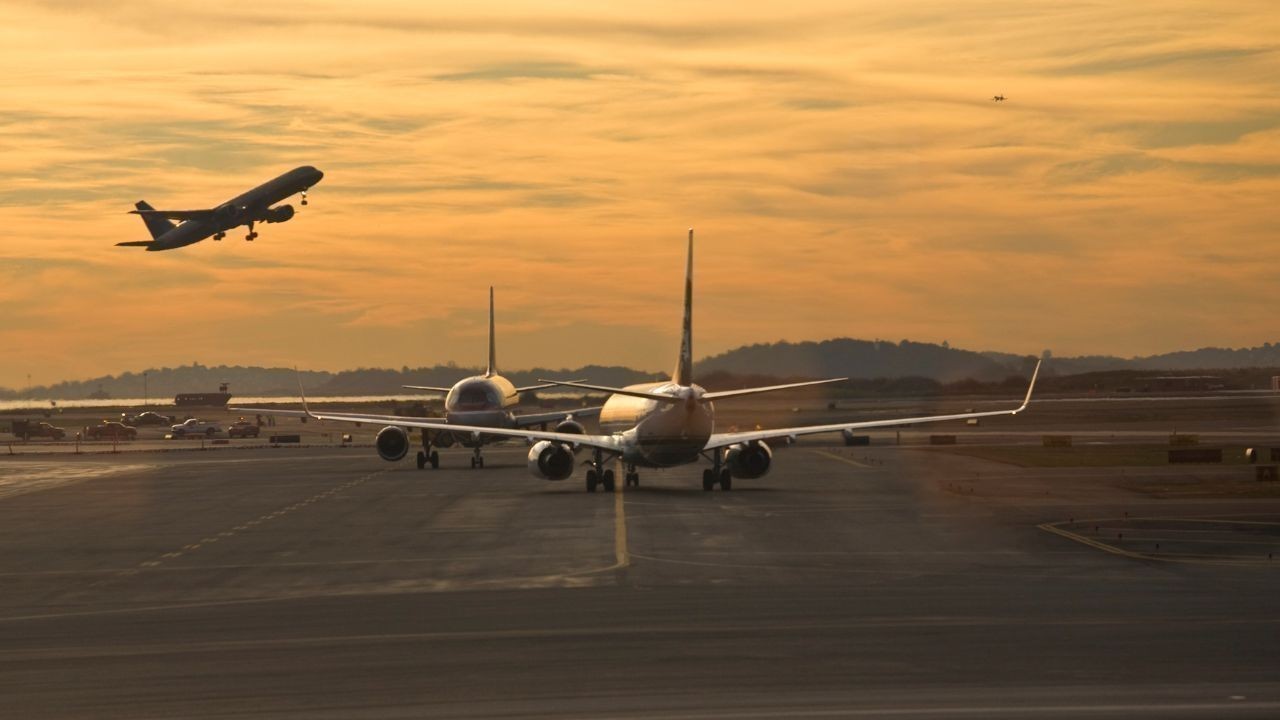
UAE Restarts Limited Flights as Regional Airspace Disruptions Continue
UAE restarts limited flights from Dubai as US-Israel attacks on Iran disrupt regional airspace, forc
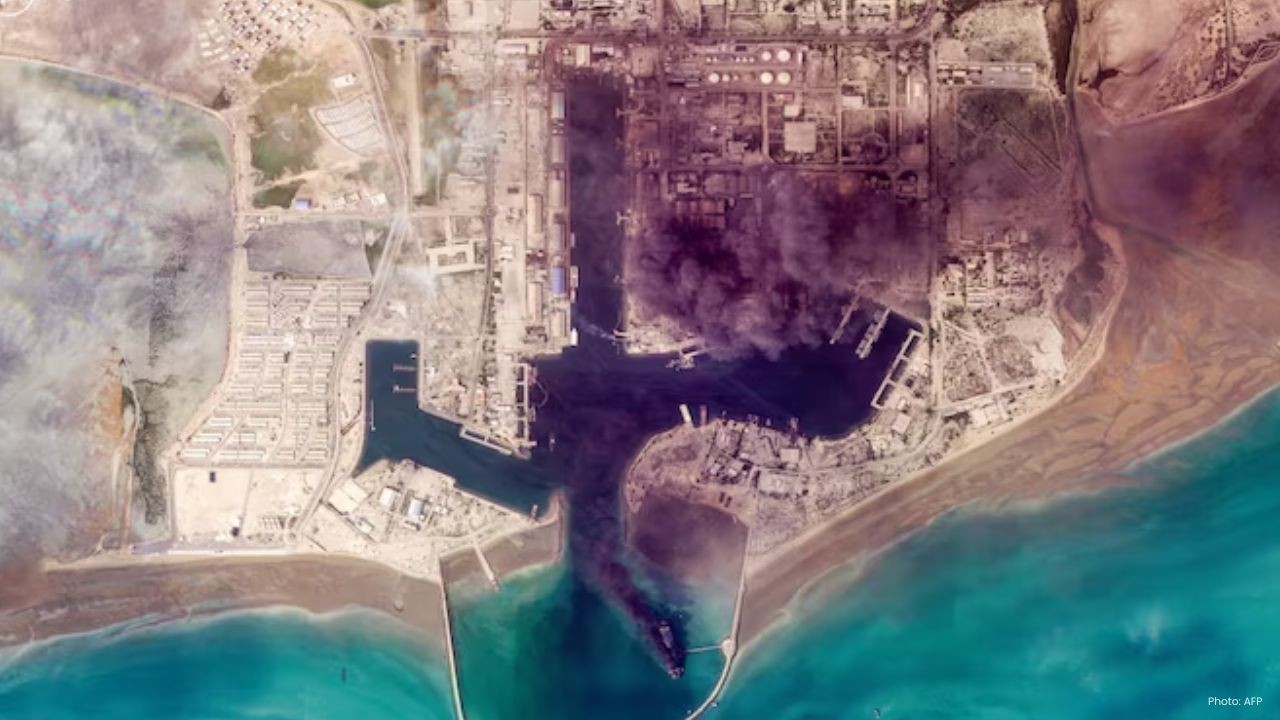
Asia Faces Energy Shock After Iran Closes Strait
Iran shuts Strait of Hormuz amid US-Israel strikes, sending oil prices higher and raising serious en


Bank of Baroda Faces Abu Dhabi Legal Battle over NMC Collapse
Bank of Baroda’s involvement in Abu Dhabi litigation tied to the NMC Healthcare collapse raises repu

Top Museum Openings of 2026 Set to Transform Global Tourism
From Los Angeles to Abu Dhabi and Brussels, 2026 brings major museum launches—Lucas Museum, Guggenhe

UAE Tour Highlights UAE’s Strength in Hosting Global Sports Events
Abu Dhabi Sports Council says the successful UAE Tour reflects the UAE’s leading role in hosting maj
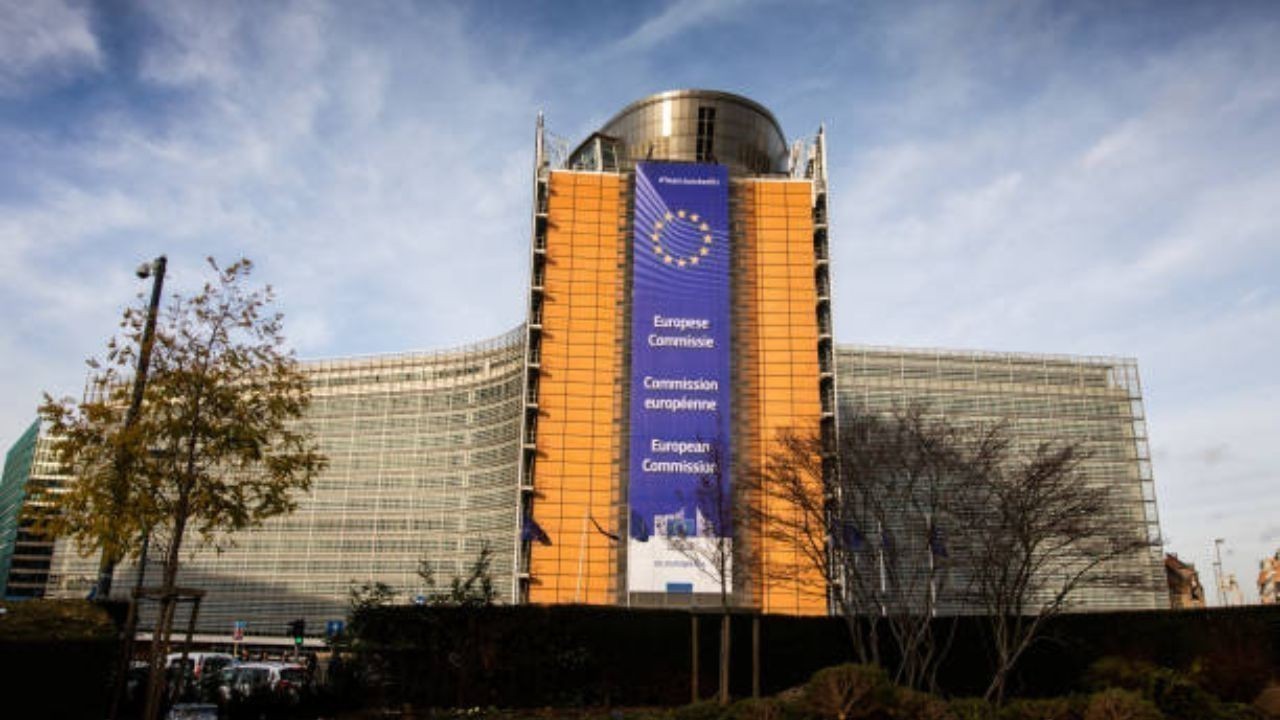
EU Seeks Clarity from US After Supreme Court IEEPA Ruling
European Commission urges full transparency from the US on steps after Supreme Court ruling, emphasi
SpaceX Launches 53 New Satellites for Expanding Starlink Network
SpaceX launches 53 Starlink satellites in two Falcon 9 missions, breaking reuse records and expandin
RTA Awards Contract for Phase II of Hessa Street Upgrade in Dubai
Phase II of Hessa Street Development to add bridges, tunnel, and upgraded intersections, doubling ca

UAE Gold Prices Today, Monday 16 February 2026: Dubai & Abu Dhabi Updated Rates
Gold prices in UAE on 16 Feb 2026 updated: 24K around AED 599.75/gm, 22K AED 555.25/gm, and 18K AED

Over 25 Ahmedabad Schools Receive Bomb Threat Email, Authorities Investigate
More than 25 schools in Ahmedabad evacuated after bomb threat emails mentioning Khalistan. Authoriti