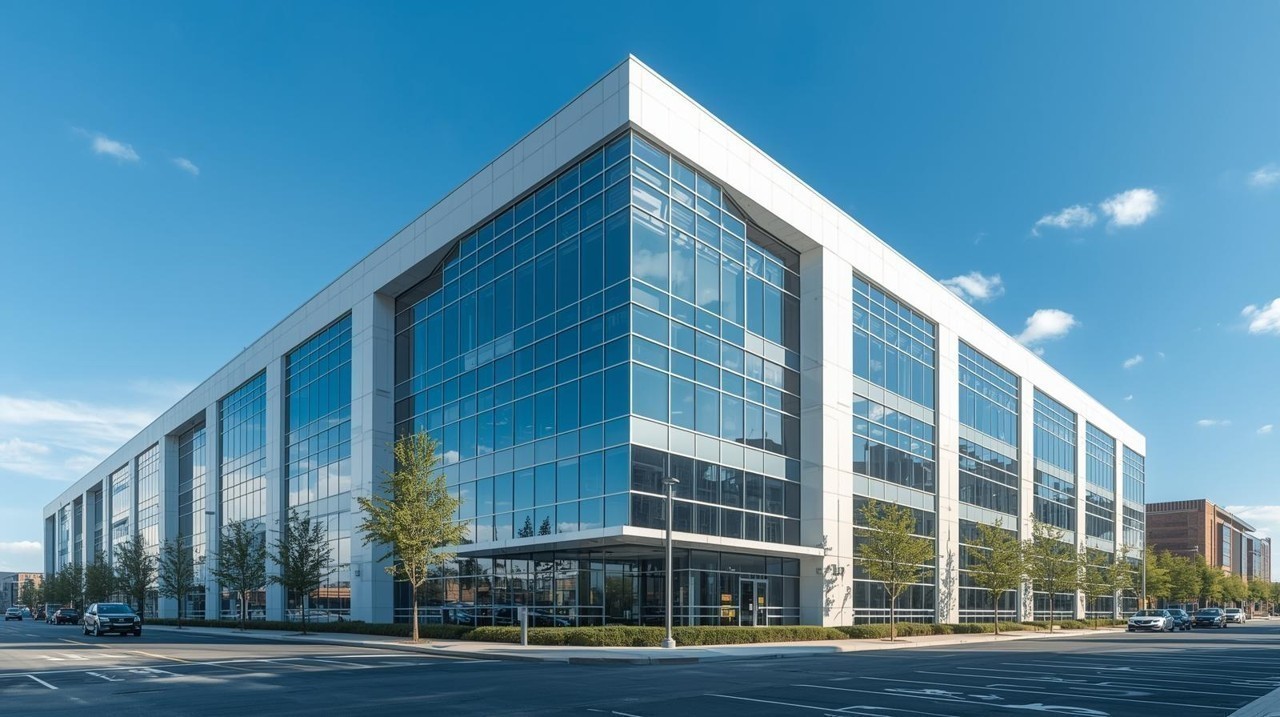
Post by : Sam Jeet Rahman
One of the most confusing realities for homebuyers and investors is this: property demand falls, transactions slow down, headlines turn negative—yet prices refuse to drop meaningfully. Many people wait for a “market crash” that never seems to arrive. Understanding why this happens requires looking beyond simple supply-and-demand logic and examining the deeper structure of real estate markets.
This article explains, in a clear and informative way, why property prices often stay high even when demand weakens, what forces support prices during slowdowns, and what this means for buyers, sellers, and investors.
In basic economics, falling demand should lead to falling prices. However, real estate does not behave like fast-moving consumer markets.
Property transactions are slow and infrequent
Sellers are not forced to sell quickly
Supply cannot adjust rapidly
Prices are sticky downward
This creates a lag between demand changes and price movement.
Unlike stock markets, property sellers are not obligated to sell at market prices.
Most property owners:
Bought at higher prices
Carry long-term financial plans
Prefer to wait rather than sell at a loss
If demand drops, many sellers simply withdraw listings instead of lowering prices.
This artificial supply control prevents sharp price declines.
Property owners face holding costs, but these costs are often manageable compared to selling at a loss.
EMIs or mortgage payments
Maintenance and society charges
Property taxes
If rental income covers part of these costs, owners can afford to hold properties longer.
This reduces forced selling pressure even during weak demand periods.
Property prices are heavily influenced by credit availability.
Long loan tenures reduce monthly EMI pressure
Refinancing options allow borrowers to restructure loans
Loan moratoriums or relief measures delay distress
When buyers can stretch payments, prices remain supported even if demand slows.
Inflation plays a powerful but subtle role.
Construction materials become more expensive
Labor costs rise
Land prices increase over time
Even if demand falls, replacement costs go up, setting a higher price floor.
Builders cannot sell below construction cost without risking losses.
When demand weakens, developers slow down or stop new projects.
Fewer new homes enter the market
Supply tightens when demand recovers
Prices rise again before demand peaks
This cycle prevents long-term price drops.
Many buyers are not end-users but investors.
Real estate is seen as a wealth-preserving asset
Rental income provides cash flow
Capital appreciation expectations remain long term
Investors often hold through downturns, limiting resale supply.
Governments rarely allow real estate markets to collapse because of their economic importance.
Lower interest rates
Tax benefits for buyers
Infrastructure spending
Relaxed loan norms
Such measures increase affordability without reducing prices.
Human behavior strongly influences property pricing.
Sellers anchor their expectations to:
Past peak prices
Neighboring sales
Purchase cost plus profit
Even when demand falls, price expectations adjust slowly.
When sales slow, many properties shift to the rental market.
Rising rents make holding property attractive
Rental yields improve during inflation
Investors prefer renting over selling at discounts
Strong rental demand absorbs excess supply without price cuts.
Land scarcity fundamentally supports prices.
Urban land cannot be created
Infrastructure increases land value
Population growth increases long-term demand
Even during temporary demand drops, land retains value.
Property markets rarely crash suddenly.
Prices stagnate instead of falling
Discounts appear through incentives
Negotiation margins increase
Inflation erodes real value over time
This creates a “soft correction” rather than a visible price drop.
Many buyers wait for headline price crashes that never happen.
Focus on negotiation power
Look for distressed or urgent sellers
Target off-market deals
Evaluate long-term affordability, not short-term prices
Opportunities exist even when prices appear stable.
For buyers, high prices during low demand can be frustrating—but not hopeless.
Use slow markets to negotiate better terms
Secure favorable payment plans
Avoid panic waiting strategies
Focus on total cost of ownership
Timing matters less than buying the right property at the right value.
For investors, price stickiness changes strategy.
Prioritize rental yield and cash flow
Avoid speculative flipping during slow demand
Focus on long-term growth corridors
Real estate rewards patience more than timing.
Media narratives focus on transactions and sentiment, not structural support.
Demand drops are visible immediately. Price adjustments happen slowly and quietly. This mismatch creates confusion.
Property prices stay high during demand drops because sellers can wait, supply adjusts slowly, credit supports affordability, inflation raises costs, and land remains scarce. Real estate is not a fast-reacting market—it moves through long cycles.
Understanding these forces helps buyers make informed decisions and prevents unrealistic expectations. The real opportunity lies not in waiting for crashes, but in using slow markets strategically.
This article is intended for general informational purposes only and does not constitute real estate, financial, or investment advice. Property markets vary by location, regulation, and economic conditions. Readers should conduct independent research and consult qualified professionals before making property-related decisions.

US Stocks Slide as AI Fears, Inflation and Oil Surge Weigh
US stocks dropped as AI disruption fears hit tech firms, inflation rose above forecasts, and oil pri

Pacific Prime Wins Top Honors at Cigna Awards 2026
Pacific Prime secured Top Individual Broker and Top SME Broker awards at Cigna’s Annual Broker Award

QatarEnergy Halts LNG Output After Military Attack
QatarEnergy has stopped LNG production after military attacks hit its facilities in Ras Laffan and M
Strong 6.1 Magnitude Earthquake Hits West Sumatra, No Damage
A 6.1 earthquake struck off West Sumatra, Indonesia. No casualties, damage, or tsunami alert reporte

Saudi Confirms Drone Strike on US Embassy Riyadh
Two drones hit the US Embassy in Riyadh, causing a small fire and minor damage. No injuries were rep

UAE Restarts Limited Flights as Regional Airspace Disruptions Continue
UAE restarts limited flights from Dubai as US-Israel attacks on Iran disrupt regional airspace, forc
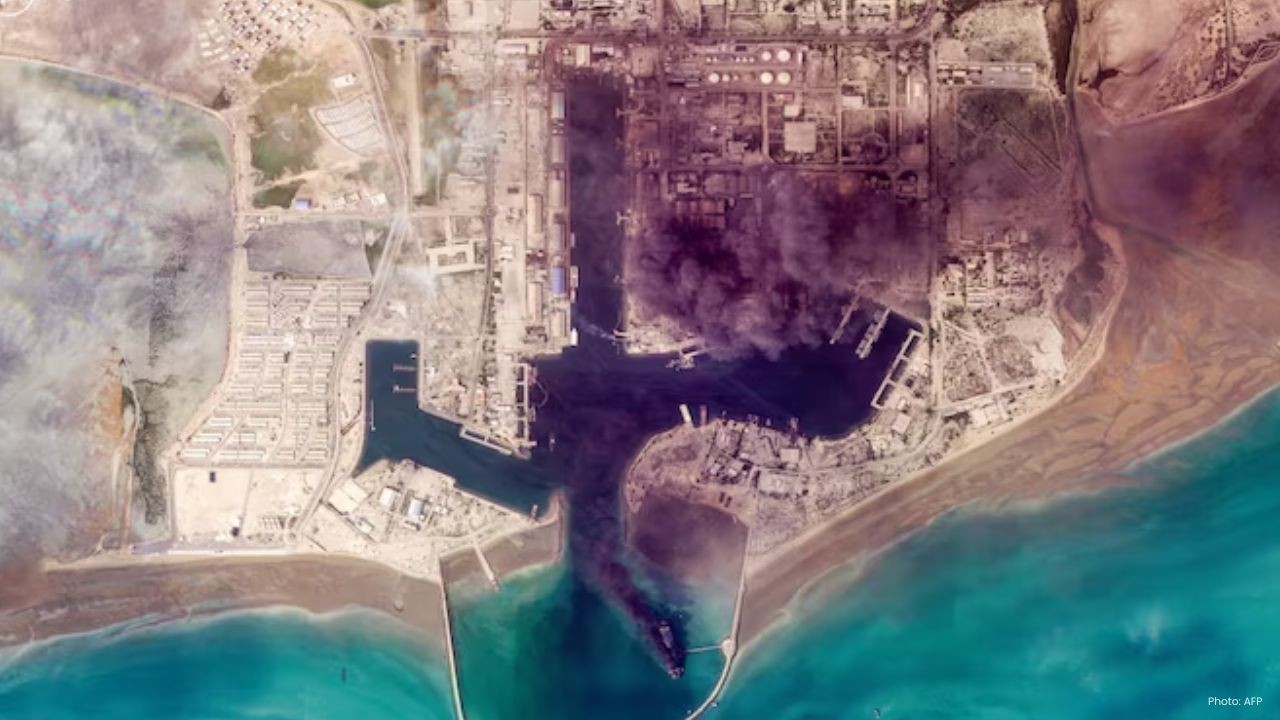
Asia Faces Energy Shock After Iran Closes Strait
Iran shuts Strait of Hormuz amid US-Israel strikes, sending oil prices higher and raising serious en


Bank of Baroda Faces Abu Dhabi Legal Battle over NMC Collapse
Bank of Baroda’s involvement in Abu Dhabi litigation tied to the NMC Healthcare collapse raises repu

Top Museum Openings of 2026 Set to Transform Global Tourism
From Los Angeles to Abu Dhabi and Brussels, 2026 brings major museum launches—Lucas Museum, Guggenhe

UAE Tour Highlights UAE’s Strength in Hosting Global Sports Events
Abu Dhabi Sports Council says the successful UAE Tour reflects the UAE’s leading role in hosting maj

EU Seeks Clarity from US After Supreme Court IEEPA Ruling
European Commission urges full transparency from the US on steps after Supreme Court ruling, emphasi
SpaceX Launches 53 New Satellites for Expanding Starlink Network
SpaceX launches 53 Starlink satellites in two Falcon 9 missions, breaking reuse records and expandin
RTA Awards Contract for Phase II of Hessa Street Upgrade in Dubai
Phase II of Hessa Street Development to add bridges, tunnel, and upgraded intersections, doubling ca

UAE Gold Prices Today, Monday 16 February 2026: Dubai & Abu Dhabi Updated Rates
Gold prices in UAE on 16 Feb 2026 updated: 24K around AED 599.75/gm, 22K AED 555.25/gm, and 18K AED

Over 25 Ahmedabad Schools Receive Bomb Threat Email, Authorities Investigate
More than 25 schools in Ahmedabad evacuated after bomb threat emails mentioning Khalistan. Authoriti