
Post by : Sam Jeet Rahman
When work from home first became common, many people felt more relaxed and productive. Over time, however, a growing number of professionals report feeling constantly tired, mentally drained, and less energetic than before. This decline in energy is not sudden but develops slowly due to lifestyle, routine, and psychological changes that come with long-term remote work.
One of the biggest reasons for low energy is reduced daily movement. Office routines naturally included walking, commuting, moving between meetings, and stepping out for breaks. Working from home removes most of this movement. Sitting for long hours in one place slows metabolism, reduces blood circulation, and causes muscle stiffness, all of which contribute to fatigue and low energy.
When the home becomes the workplace, the mental separation between work time and rest time disappears. Many people start working longer hours without realizing it. This constant mental engagement prevents proper recovery, leading to emotional exhaustion and reduced energy levels over time.
Working from home often disrupts fixed schedules. Sleep times, meal timings, and work hours become inconsistent. The body functions best on routine. Irregular sleep and eating patterns disturb the internal body clock, affecting energy, digestion, and overall alertness during the day.
Remote work heavily depends on screens for meetings, tasks, and communication. Long hours of screen exposure strain the eyes and brain. Continuous notifications, video calls, and multitasking create mental overload, which drains energy even without physical effort.
Offices provided casual conversations, teamwork, and human interaction. Working from home limits spontaneous social engagement. Reduced social connection can affect mood and motivation, leading to emotional fatigue. Over time, this emotional drain directly impacts energy levels.
Many people work from beds, sofas, or poorly designed chairs. Incorrect posture strains the neck, back, and shoulders, causing physical discomfort. The body uses extra energy to compensate for poor posture, leading to constant tiredness and body aches.
Commuting and office life ensured regular exposure to sunlight. Working indoors all day limits sunlight intake, which affects vitamin D levels and mood-regulating hormones. Low sunlight exposure is strongly linked to fatigue, low motivation, and sluggishness.
While working from home, people often juggle multiple roles simultaneously. Professional tasks mix with household responsibilities, family demands, and personal chores. This constant role-switching increases cognitive load, leaving the mind exhausted by the end of the day.
Easy access to food at home leads to frequent snacking, often on processed or sugary foods. Poor nutrition causes energy spikes followed by crashes. Lack of balanced meals and hydration contributes to long-term tiredness and reduced stamina.
In offices, breaks were structured. At home, people either skip breaks or take unproductive ones by scrolling on phones. Without real mental breaks, the brain never fully recovers, leading to cumulative exhaustion over months and years.
Many remote workers experience silent burnout. Without deadlines changing or visible pressure, burnout develops slowly. Symptoms include lack of enthusiasm, constant tiredness, reduced motivation, and difficulty concentrating, all of which reduce energy levels.
Repeating the same routine in the same space every day affects motivation. Without change in environment, the brain receives less stimulation. This monotony reduces excitement and enthusiasm, which are closely linked to energy and productivity.
Working late, excessive screen exposure, and irregular routines disturb sleep quality. Even if people sleep for enough hours, poor-quality sleep leads to waking up tired. Over time, this creates chronic fatigue.
Long-term isolation affects mental health. Feelings of loneliness, lack of recognition, and reduced engagement slowly drain emotional energy. Mental exhaustion often shows up as physical tiredness, even without heavy physical work.
Many people accept low energy as a normal part of working from home. In reality, it is a signal that the body and mind need better structure, movement, and balance. Ignoring these signs can lead to long-term health and productivity issues.
Recognizing the causes of low energy is the first step. Small changes like fixed routines, regular movement, proper breaks, balanced meals, and limited screen exposure can significantly improve energy levels over time.
If energy loss continues unchecked, it can affect career growth, mental health, and physical well-being. Chronic fatigue reduces focus, creativity, and job satisfaction, making daily work feel harder than it needs to be.
Feeling less energetic after years of working from home is not a personal failure but a result of lifestyle changes, routine imbalance, and mental overload. With awareness and simple habit adjustments, it is possible to regain energy, focus, and enthusiasm while continuing to work remotely.
This article is for general informational purposes only. Energy levels may vary based on individual health, lifestyle, and work conditions. Those experiencing persistent fatigue should consider professional medical or wellness guidance.

US Stocks Slide as AI Fears, Inflation and Oil Surge Weigh
US stocks dropped as AI disruption fears hit tech firms, inflation rose above forecasts, and oil pri

Pacific Prime Wins Top Honors at Cigna Awards 2026
Pacific Prime secured Top Individual Broker and Top SME Broker awards at Cigna’s Annual Broker Award

QatarEnergy Halts LNG Output After Military Attack
QatarEnergy has stopped LNG production after military attacks hit its facilities in Ras Laffan and M
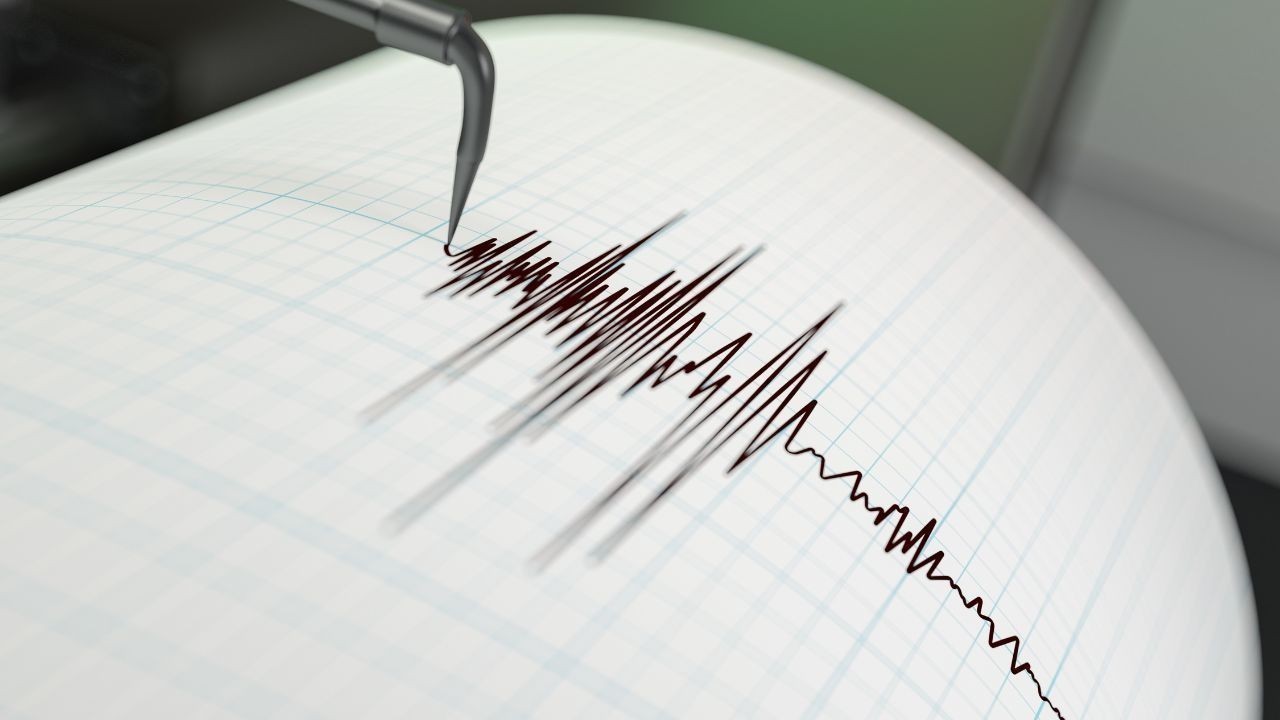
Strong 6.1 Magnitude Earthquake Hits West Sumatra, No Damage
A 6.1 earthquake struck off West Sumatra, Indonesia. No casualties, damage, or tsunami alert reporte

Saudi Confirms Drone Strike on US Embassy Riyadh
Two drones hit the US Embassy in Riyadh, causing a small fire and minor damage. No injuries were rep
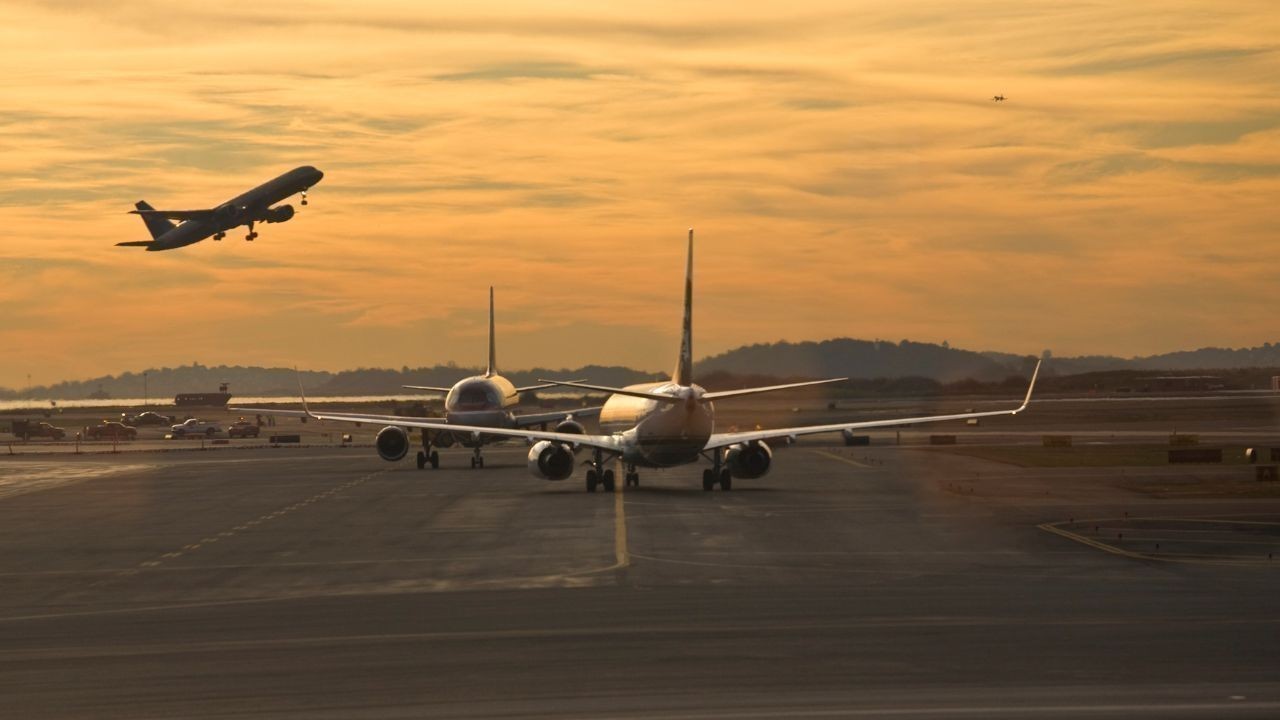
UAE Restarts Limited Flights as Regional Airspace Disruptions Continue
UAE restarts limited flights from Dubai as US-Israel attacks on Iran disrupt regional airspace, forc

Asia Faces Energy Shock After Iran Closes Strait
Iran shuts Strait of Hormuz amid US-Israel strikes, sending oil prices higher and raising serious en


Bank of Baroda Faces Abu Dhabi Legal Battle over NMC Collapse
Bank of Baroda’s involvement in Abu Dhabi litigation tied to the NMC Healthcare collapse raises repu

Top Museum Openings of 2026 Set to Transform Global Tourism
From Los Angeles to Abu Dhabi and Brussels, 2026 brings major museum launches—Lucas Museum, Guggenhe

UAE Tour Highlights UAE’s Strength in Hosting Global Sports Events
Abu Dhabi Sports Council says the successful UAE Tour reflects the UAE’s leading role in hosting maj

EU Seeks Clarity from US After Supreme Court IEEPA Ruling
European Commission urges full transparency from the US on steps after Supreme Court ruling, emphasi
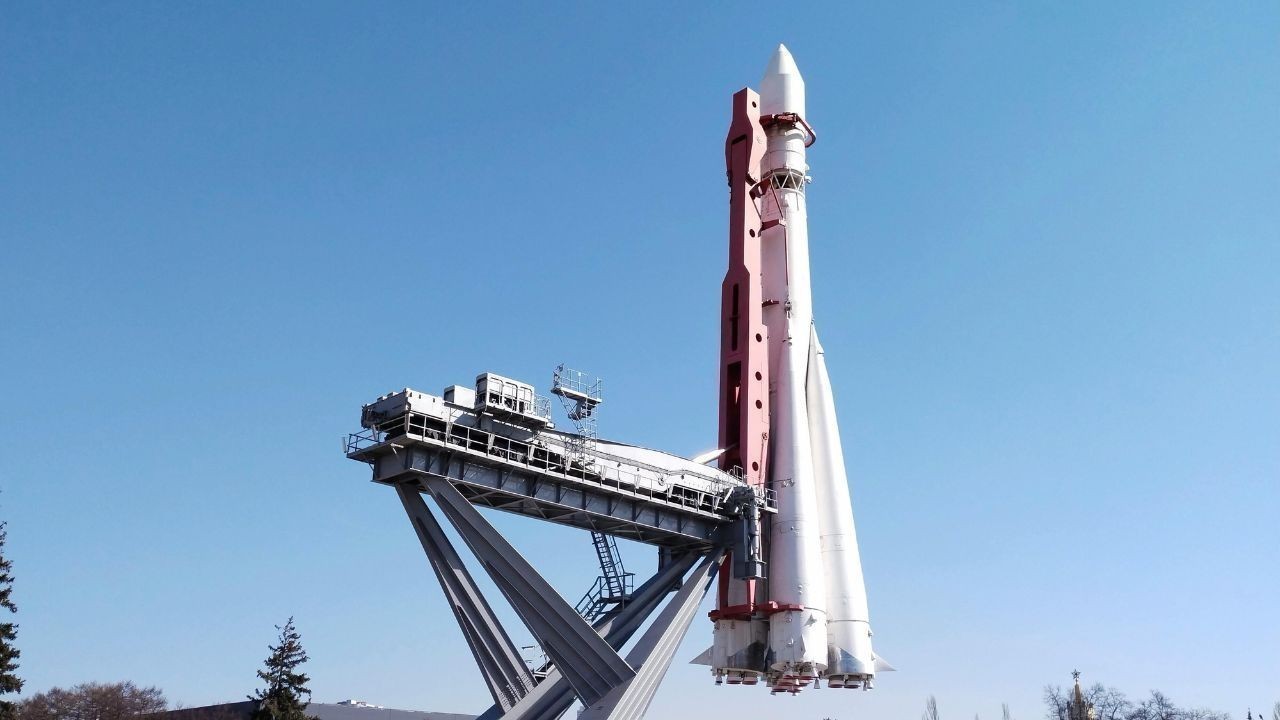
SpaceX Launches 53 New Satellites for Expanding Starlink Network
SpaceX launches 53 Starlink satellites in two Falcon 9 missions, breaking reuse records and expandin

RTA Awards Contract for Phase II of Hessa Street Upgrade in Dubai
Phase II of Hessa Street Development to add bridges, tunnel, and upgraded intersections, doubling ca

UAE Gold Prices Today, Monday 16 February 2026: Dubai & Abu Dhabi Updated Rates
Gold prices in UAE on 16 Feb 2026 updated: 24K around AED 599.75/gm, 22K AED 555.25/gm, and 18K AED

Over 25 Ahmedabad Schools Receive Bomb Threat Email, Authorities Investigate
More than 25 schools in Ahmedabad evacuated after bomb threat emails mentioning Khalistan. Authoriti