
Post by : Sam Jeet Rahman
For many salaried professionals, earning a stable monthly income once meant financial security and consistent savings. Today, however, a growing number of working individuals find it difficult to save despite regular paychecks. Rising living costs, changing lifestyles, and increased financial responsibilities have reshaped personal finance realities. Savings are no longer automatic and now require deliberate planning and discipline.
Salaried professionals often assume that a steady income guarantees financial stability. Yet, many find themselves living paycheck to paycheck with little or no savings. This challenge is not limited to low-income earners; even mid- and high-level professionals experience difficulty building savings. Understanding why many salaried professionals are struggling with savings helps highlight financial blind spots and the structural changes affecting personal finances today.
One of the most significant reasons behind low savings is the growing gap between expenses and income growth.
Key expense increases
• Housing rent and maintenance
• Food and grocery prices
• Transportation and fuel costs
• Utilities and daily essentials
While salaries often increase gradually, expenses rise quickly, reducing disposable income and limiting savings potential.
As income increases, spending habits often rise with it.
How lifestyle inflation affects savings
• Upgrading housing or vehicles
• Increased dining and travel expenses
• Higher spending on gadgets and subscriptions
Instead of saving raises or bonuses, professionals often absorb them into lifestyle upgrades, leaving savings unchanged.
Modern professionals face more financial obligations than previous generations.
Common responsibilities
• Supporting parents or extended family
• Children’s education and activities
• Loan repayments and EMIs
These commitments reduce the amount available for saving, even with a stable income.
Convenient credit options can discourage disciplined saving.
Impact of easy credit
• Reliance on credit cards
• Buy-now-pay-later habits
• Long-term EMIs for short-term purchases
While credit offers flexibility, it often leads to higher monthly commitments and reduced savings.
Many professionals earn well but lack a clear savings strategy.
Common planning gaps
• No defined savings goals
• Irregular saving habits
• Absence of emergency funds
Without structure, saving becomes an afterthought rather than a priority.
Housing expenses consume a significant portion of income.
Why housing impacts savings heavily
• Increasing rental demand
• Higher property maintenance costs
• Long-term housing loans
High housing costs leave limited room for long-term savings.
Medical costs are increasingly affecting monthly budgets.
Key challenges
• Rising insurance premiums
• Out-of-pocket medical expenses
• Preventive healthcare costs
Healthcare spending, though essential, often reduces the capacity to save.
Social expectations influence spending behaviour.
Examples of lifestyle pressure
• Weddings and social events
• Travel trends and experiences
• Keeping up with peers
These pressures can push professionals to spend beyond their comfort zone.
Unexpected expenses can quickly wipe out limited savings.
Common emergencies
• Medical issues
• Job transitions
• Home or vehicle repairs
Without emergency funds, professionals rely on savings or credit, slowing long-term wealth building.
Many professionals are not taught effective money management skills.
Knowledge gaps
• Understanding budgeting tools
• Managing investments
• Balancing spending and saving
Lack of awareness often leads to missed saving opportunities.
Inflation reduces the real value of money saved.
Why this matters
• Savings lose purchasing power
• Low-interest savings feel unproductive
• Discouragement from traditional saving methods
This can reduce motivation to save unless funds are managed strategically.
Stressful work lives can trigger comfort spending.
Examples
• Ordering food instead of cooking
• Frequent online shopping
• Paid conveniences to save time
Convenience spending adds up and impacts monthly savings.
Many professionals start saving later in life.
Reasons for delay
• Extended education
• Early career instability
• Initial low salaries
Late starts make it harder to build significant savings quickly.
Financial security today involves more than basic savings.
Modern expectations
• Lifestyle comfort
• Travel and experiences
• Flexibility and independence
These evolving expectations change how income is allocated.
Despite challenges, many are finding ways to improve savings.
Positive adaptations
• Automating savings
• Tracking expenses closely
• Prioritising emergency funds
• Making conscious spending choices
Small, consistent changes lead to meaningful improvements.
Even small savings provide critical protection.
Benefits of savings
• Financial independence
• Reduced stress
• Preparedness for uncertainty
Savings act as a safety net in an unpredictable world.
Not prioritising savings can have lasting consequences.
Potential risks
• Increased debt dependency
• Delayed retirement plans
• Limited financial flexibility
Recognising these risks encourages better financial habits.
Many salaried professionals struggle with savings due to rising living costs, lifestyle inflation, financial responsibilities, and lack of structured planning. A steady income alone no longer guarantees financial security. Savings now require intentional decision-making, discipline, and awareness. By understanding the root causes of savings challenges, professionals can take small but meaningful steps toward building financial stability and long-term security.
This article is intended for informational purposes only. Financial situations and challenges vary by individual. Readers are encouraged to evaluate their personal circumstances and seek professional financial advice when planning savings or investments.

US Stocks Slide as AI Fears, Inflation and Oil Surge Weigh
US stocks dropped as AI disruption fears hit tech firms, inflation rose above forecasts, and oil pri

Pacific Prime Wins Top Honors at Cigna Awards 2026
Pacific Prime secured Top Individual Broker and Top SME Broker awards at Cigna’s Annual Broker Award

QatarEnergy Halts LNG Output After Military Attack
QatarEnergy has stopped LNG production after military attacks hit its facilities in Ras Laffan and M
Strong 6.1 Magnitude Earthquake Hits West Sumatra, No Damage
A 6.1 earthquake struck off West Sumatra, Indonesia. No casualties, damage, or tsunami alert reporte

Saudi Confirms Drone Strike on US Embassy Riyadh
Two drones hit the US Embassy in Riyadh, causing a small fire and minor damage. No injuries were rep

UAE Restarts Limited Flights as Regional Airspace Disruptions Continue
UAE restarts limited flights from Dubai as US-Israel attacks on Iran disrupt regional airspace, forc
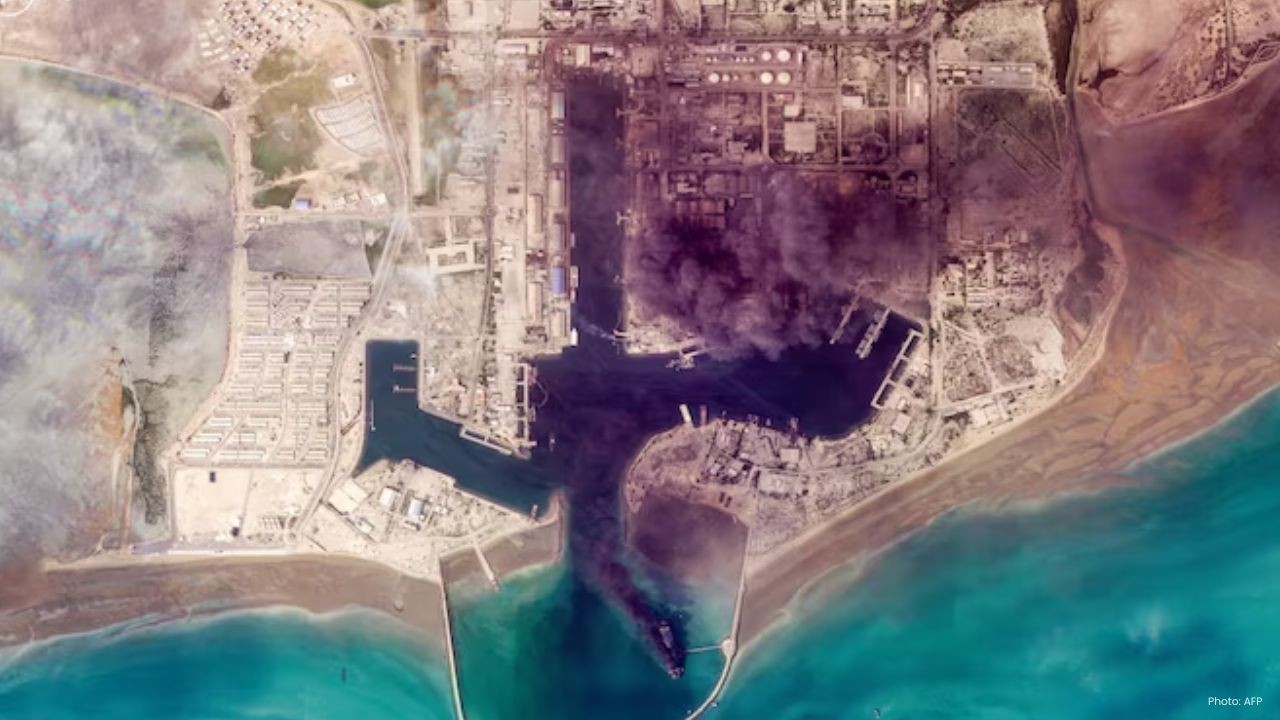
Asia Faces Energy Shock After Iran Closes Strait
Iran shuts Strait of Hormuz amid US-Israel strikes, sending oil prices higher and raising serious en


Bank of Baroda Faces Abu Dhabi Legal Battle over NMC Collapse
Bank of Baroda’s involvement in Abu Dhabi litigation tied to the NMC Healthcare collapse raises repu

Top Museum Openings of 2026 Set to Transform Global Tourism
From Los Angeles to Abu Dhabi and Brussels, 2026 brings major museum launches—Lucas Museum, Guggenhe

UAE Tour Highlights UAE’s Strength in Hosting Global Sports Events
Abu Dhabi Sports Council says the successful UAE Tour reflects the UAE’s leading role in hosting maj

EU Seeks Clarity from US After Supreme Court IEEPA Ruling
European Commission urges full transparency from the US on steps after Supreme Court ruling, emphasi

SpaceX Launches 53 New Satellites for Expanding Starlink Network
SpaceX launches 53 Starlink satellites in two Falcon 9 missions, breaking reuse records and expandin

RTA Awards Contract for Phase II of Hessa Street Upgrade in Dubai
Phase II of Hessa Street Development to add bridges, tunnel, and upgraded intersections, doubling ca

UAE Gold Prices Today, Monday 16 February 2026: Dubai & Abu Dhabi Updated Rates
Gold prices in UAE on 16 Feb 2026 updated: 24K around AED 599.75/gm, 22K AED 555.25/gm, and 18K AED

Over 25 Ahmedabad Schools Receive Bomb Threat Email, Authorities Investigate
More than 25 schools in Ahmedabad evacuated after bomb threat emails mentioning Khalistan. Authoriti