Post by : Sam Jeet Rahman
Hair fall rarely begins suddenly. Long before you notice hair strands on your pillow or in the shower drain, your hair usually changes texture. It may feel rough, dry, limp, frizzy, thinner, or unusually flat. Many people ignore these early signs, assuming it’s weather, shampoo, or temporary damage. In reality, hair texture changes are one of the earliest warning signals that hair fall is coming.
Understanding why hair texture changes before hair fall begins can help you take action early—often preventing severe thinning or long-term loss. This article explains the biological, nutritional, hormonal, and lifestyle reasons behind texture changes and why hair health always declines internally before visible shedding starts.
Hair texture depends on:
Protein structure of the hair shaft
Oil and moisture balance of the scalp
Blood supply to hair follicles
Hormonal stability
Nutrient availability
When any of these systems become imbalanced, the hair shaft weakens first. Hair does not immediately fall—it loses strength, elasticity, shine, and smoothness before shedding begins.
To understand texture changes, it’s important to separate the hair shaft from the hair follicle.
The visible part of your hair made of keratin. Once formed, it cannot heal itself.
The living root beneath the scalp responsible for producing new hair.
When the follicle becomes stressed, it produces weaker hair shafts. Texture changes are the first visible outcome of follicle stress.
Hair is made primarily of keratin protein. When the body lacks protein or cannot utilize it properly, hair quality suffers before quantity.
Hair grows thinner in diameter
Cuticle layers become uneven
Hair loses smoothness and shine
Hair snaps easily but doesn’t fall immediately
This is common in people who skip meals, diet aggressively, or consume mostly processed foods.
Stress does not cause instant hair fall. It alters how hair is formed at the root.
Raises cortisol levels
Reduces blood flow to the scalp
Disrupts nutrient delivery
Shortens the hair growth phase
As a result, hair grows weaker, finer, and drier. Texture changes appear weeks or months before shedding increases.
Hormones regulate oil production, hair thickness, and growth cycles.
Thyroid imbalance
Insulin resistance
PCOS
Post-pregnancy changes
Perimenopause
Hormonal imbalance causes hair to grow thinner and flatter, even if hair fall hasn’t started yet.
Healthy hair texture depends on balanced scalp oil.
Hair becomes dry, frizzy, rough, and dull.
Hair becomes limp, sticky, and lifeless.
Both extremes weaken the hair shaft, making it prone to breakage and eventual fall.
Hair follicles require oxygen and nutrients.
Sedentary lifestyle
Constant screen time
Poor posture
Stress-induced tension
Reduced circulation results in under-nourished hair, causing texture deterioration before hair loss begins.
Certain nutrients affect hair quality before quantity.
Iron: affects oxygen supply
Zinc: supports follicle repair
Biotin: improves hair strength
Vitamin D: supports follicle cycling
Omega-3: maintains moisture
Deficiencies often cause hair to feel dry, brittle, and weak long before visible thinning.
Hair requires water internally, not just externally.
Loss of softness
Reduced flexibility
Increased breakage
Rough feel despite conditioning
Dehydration stresses the follicle environment, leading to poor-quality hair growth.
Hair repair happens during deep sleep.
Reduced melatonin levels
Poor hormonal recovery
Increased inflammation
Late nights and screen exposure reduce hair’s overnight repair, leading to dull, lifeless strands.
Chemical and heat damage worsen existing internal weakness.
When hair is already weak from internal issues, styling damage exposes the problem faster. Hair becomes frizzy, rough, and unmanageable before shedding increases.
Healthy digestion ensures nutrient absorption.
Poor mineral absorption
Inflammation
Reduced protein utilization
Even a good diet cannot improve hair texture if nutrients aren’t absorbed properly.
Common warning signs include:
Hair feels thinner to touch
Ponytail feels less dense
Loss of natural wave or curl pattern
Increased frizz without humidity
Hair doesn’t hold style anymore
These changes usually appear 2–4 months before hair fall increases.
Hair follicles reduce output quality before stopping production.
The body prioritizes survival organs over hair. When resources are limited, hair quality declines first. Shedding begins only when stress continues unchecked.
Improve protein intake
Balance meals
Hydrate consistently
Reduce stress exposure
Gentle scalp massage
Avoid harsh treatments
Do not overwash
Regular sleep schedule
Screen breaks
Physical movement
Early action can reverse texture changes and prevent long-term hair fall.
Consult a professional if:
Texture changes are sudden and severe
Accompanied by fatigue or weight changes
Hair fall follows within months
Early diagnosis prevents chronic thinning.
Hair texture changes are not cosmetic accidents—they are biological warnings. Your hair tells you when stress, nutrition, hormones, or lifestyle are out of balance. Ignoring texture changes allows hair fall to progress silently.
Healthy hair is built internally before it appears externally.
This article is intended for general informational purposes only and does not constitute medical or dermatological advice. Hair texture changes and hair fall can result from multiple factors including genetics, health conditions, and lifestyle influences. For persistent hair concerns or sudden changes, consult a qualified dermatologist or healthcare professional for accurate diagnosis and treatment.

US Stocks Slide as AI Fears, Inflation and Oil Surge Weigh
US stocks dropped as AI disruption fears hit tech firms, inflation rose above forecasts, and oil pri

Pacific Prime Wins Top Honors at Cigna Awards 2026
Pacific Prime secured Top Individual Broker and Top SME Broker awards at Cigna’s Annual Broker Award

QatarEnergy Halts LNG Output After Military Attack
QatarEnergy has stopped LNG production after military attacks hit its facilities in Ras Laffan and M
Strong 6.1 Magnitude Earthquake Hits West Sumatra, No Damage
A 6.1 earthquake struck off West Sumatra, Indonesia. No casualties, damage, or tsunami alert reporte

Saudi Confirms Drone Strike on US Embassy Riyadh
Two drones hit the US Embassy in Riyadh, causing a small fire and minor damage. No injuries were rep

UAE Restarts Limited Flights as Regional Airspace Disruptions Continue
UAE restarts limited flights from Dubai as US-Israel attacks on Iran disrupt regional airspace, forc
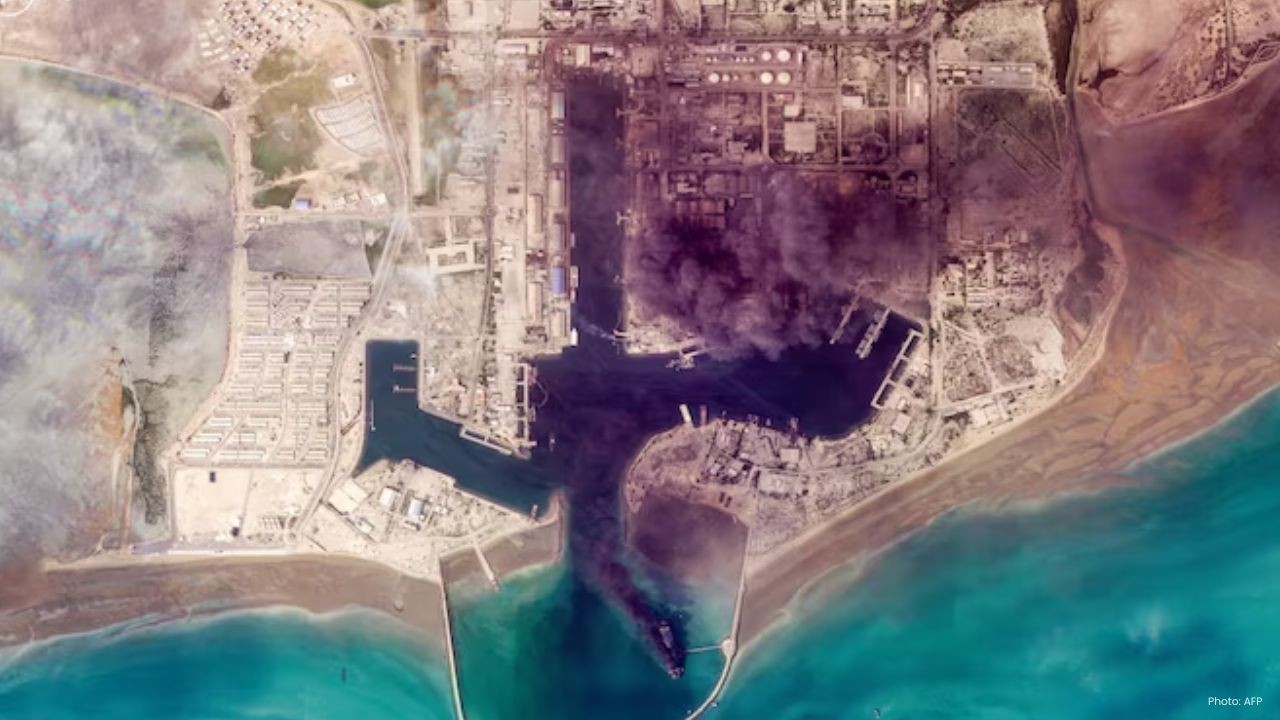
Asia Faces Energy Shock After Iran Closes Strait
Iran shuts Strait of Hormuz amid US-Israel strikes, sending oil prices higher and raising serious en


Bank of Baroda Faces Abu Dhabi Legal Battle over NMC Collapse
Bank of Baroda’s involvement in Abu Dhabi litigation tied to the NMC Healthcare collapse raises repu

Top Museum Openings of 2026 Set to Transform Global Tourism
From Los Angeles to Abu Dhabi and Brussels, 2026 brings major museum launches—Lucas Museum, Guggenhe

UAE Tour Highlights UAE’s Strength in Hosting Global Sports Events
Abu Dhabi Sports Council says the successful UAE Tour reflects the UAE’s leading role in hosting maj

EU Seeks Clarity from US After Supreme Court IEEPA Ruling
European Commission urges full transparency from the US on steps after Supreme Court ruling, emphasi

SpaceX Launches 53 New Satellites for Expanding Starlink Network
SpaceX launches 53 Starlink satellites in two Falcon 9 missions, breaking reuse records and expandin

RTA Awards Contract for Phase II of Hessa Street Upgrade in Dubai
Phase II of Hessa Street Development to add bridges, tunnel, and upgraded intersections, doubling ca

UAE Gold Prices Today, Monday 16 February 2026: Dubai & Abu Dhabi Updated Rates
Gold prices in UAE on 16 Feb 2026 updated: 24K around AED 599.75/gm, 22K AED 555.25/gm, and 18K AED

Over 25 Ahmedabad Schools Receive Bomb Threat Email, Authorities Investigate
More than 25 schools in Ahmedabad evacuated after bomb threat emails mentioning Khalistan. Authoriti