Post by : Sam Jeet Rahman
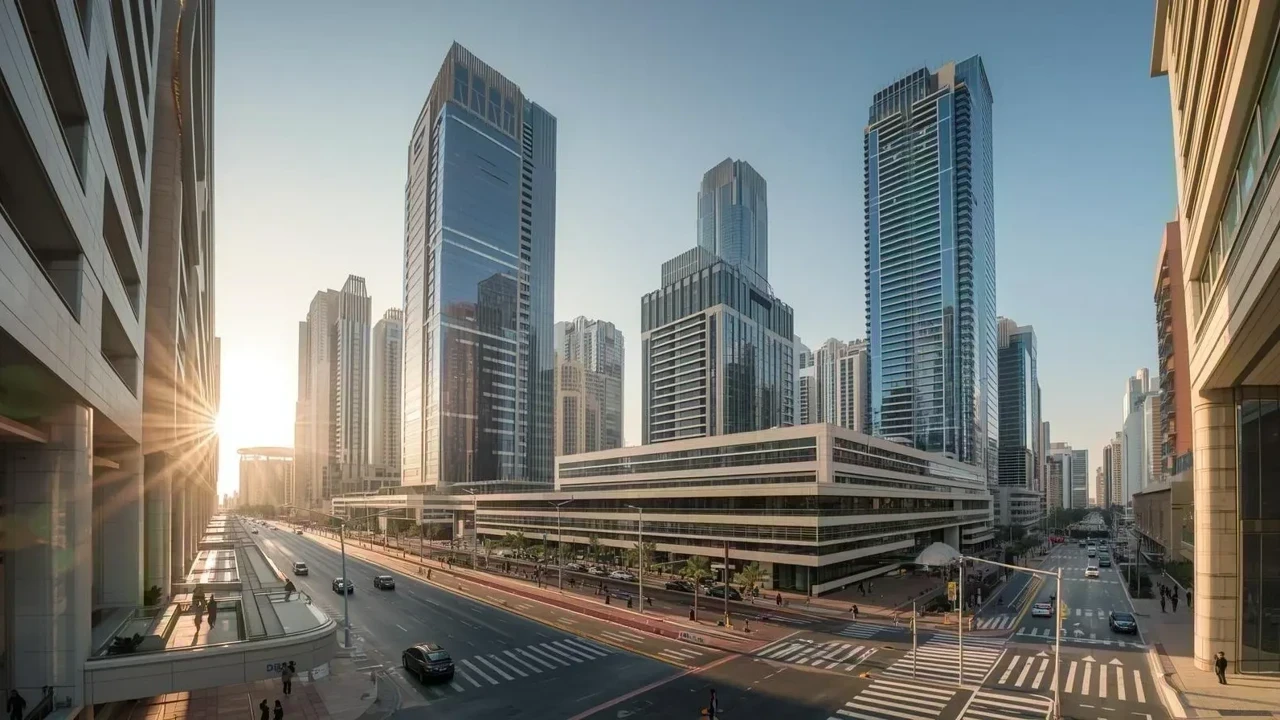
In 2026, the Dubai International Financial Centre (DIFC) continues to attract global companies expanding their regional and international operations. Although DIFC’s growth story began long before, recent trends show a renewed wave of office expansions — not just relocations. These decisions are driven by strategic positioning, improved regulatory frameworks, business ecosystem enhancements, and evolving corporate priorities in a post-pandemic, increasingly digital world.
One of DIFC’s strongest value propositions is its strategic location bridging East and West. Companies with global, African, and Asian market interests benefit from time zone overlap that allows interaction with Europe during morning hours and Asia/Australia in the afternoon. For firms focused on global finance, cross-border trade, or regional headquarters operations, this proximity translates into operational efficiency and competitive advantage.
DIFC’s regulatory framework continues to adapt to global corporate needs. Recent updates focus on streamlining licensing processes, enabling greater regulatory clarity for new sectors such as digital assets, fintech, artificial intelligence, and sustainable finance. Regulators in DIFC also strengthened frameworks for data privacy and cross-border data flows, which are essential for multinational operations. These updates reassure global firms that compliance risk is minimized while maintaining alignment with international standards.
While many jurisdictions offer low tax incentives, DIFC’s extended network of double taxation treaties and legal certainty makes it uniquely attractive for multinational companies. The zero-tax regime on personal and corporate income (subject to conditions) remains a cornerstone of DIFC’s appeal. This predictable tax structure helps companies manage long-term financial planning and cross-border profit repatriation effectively, especially in highly competitive sectors like asset management, investment banking, and corporate finance.
Global companies rely on DIFC’s integrated infrastructure — from premium office spaces and reliable digital connectivity to robust legal, banking, and professional service networks. The presence of global law firms, consultancy networks, and financial service providers strengthens the entire ecosystem. This interconnected environment reduces friction costs and enables companies to scale faster while accessing specialized support services.
DIFC’s innovation strategy has intensified in 2026, particularly in fintech, digital assets, and AI. The centre hosts innovation accelerators, regulatory sandboxes, and industry test labs that allow startups and global firms to pilot new technologies with controlled exposure. This innovation focus attracts not just financial services companies but also tech firms looking to partner with regulated entities in a globally recognized hub.
Despite global talent shortages, DIFC’s location within Dubai — a cosmopolitan city with world-class living standards — helps companies attract diverse international talent. DIFC also offers flexible visa structures, making it easier for multinational employees and their families to relocate. Enhanced remote and hybrid work policies also allow companies to design flexible workplace models, further increasing DIFC’s attractiveness.
Dubai’s broader economic strategy supports DIFC as a key financial gateway. Proximity to major logistics hubs, ports, multilateral trade agreements, and tourism infrastructure enhances DIFC’s role as a regional business nerve center. Global companies expanding into Africa, South Asia, and the Middle East see DIFC as a high-utility launch point for trade and investment activities.
Sustainability, green finance, and Environmental, Social, and Governance (ESG) frameworks are central to corporate strategies in 2026. DIFC has strengthened its ESG frameworks, aligning with global reporting standards and supporting companies in achieving sustainability goals. This enables multinational firms to report consistently, attract ESG-focused capital, and integrate sustainability into long-term planning.
DIFC’s capital markets infrastructure — including the Dubai Financial Market (DFM) and Nasdaq Dubai — provides issuers and financial institutions with robust platforms for fundraising and liquidity. Recent enhancements in regulatory support, product diversity (such as green bonds and digital securities), and investor protection measures make DIFC a preferred location for global banks and asset managers.
Many global banks, insurance companies, and investment firms already operate in DIFC. This clustering effect builds confidence and helps companies benefit from shared ecosystem advantages such as industry events, shared research networks, and cross-institution collaborations. New entrants can tap into established networks rather than building connections from scratch.
Post-pandemic corporate strategies now emphasize cost efficiency. DIFC has adapted by offering flexible leasing structures, shared workspaces, and business lounges that appeal to companies seeking hybrid office models — especially for non-core operations. This flexibility reduces fixed overheads while maintaining a presence in a premium business district.
Regulatory sandboxes enable companies to innovate with oversight and limited exposure risk. These platforms allow fintech, digital identity, crypto, and AI ventures to test solutions with real market access under regulatory guidance. Global enterprises increasingly choose DIFC to pilot such programs before rolling out global deployments.
DIFC’s ecosystem is not just for large multinationals; it supports emerging companies through incubators, accelerators, mentorship programs, funding networks, and co-working initiatives. Startups benefit from proximity to venture capital, angel investors, and innovation hubs. This startup-to-corporate pipeline strengthens the overall ecosystem and attracts new entrants aiming for growth as well as stability.
For expanding companies, DIFC now represents more than just a business base — it is a strategic hub that combines compliant regulation, tax efficiency, talent access, and innovative infrastructure. Companies can launch products, manage regional operations, and connect with global markets from a single hub with minimal regulatory friction.
Despite strong tailwinds, companies also prepare for challenges such as rising property costs, talent competition, and global macroeconomic uncertainties. Many firms adopt mixed workspace strategies, invest in local talent development, and use technology to reduce long-term costs while maintaining presence.
In 2026, DIFC’s competitive advantages are reinforced by coordinated government policy, private sector innovation, and global corporate strategy alignment. The centre’s ability to evolve with market demands — from fintech to sustainability — ensures that companies expanding here are not only compliant but future-ready.
Global companies are expanding offices in DIFC again in 2026 because the centre offers a blend of strategic geography, regulatory clarity, technological innovation, talent mobility, and financial ecosystem strength. For companies seeking stable, scalable, and future-oriented hubs, DIFC remains a compelling choice that goes beyond traditional business districts.
This article is for informational purposes only. Regulations, business incentives, and economic conditions may evolve. Companies should consult official authorities or professional advisors to confirm current requirements and strategic implications.

US Stocks Slide as AI Fears, Inflation and Oil Surge Weigh
US stocks dropped as AI disruption fears hit tech firms, inflation rose above forecasts, and oil pri

Pacific Prime Wins Top Honors at Cigna Awards 2026
Pacific Prime secured Top Individual Broker and Top SME Broker awards at Cigna’s Annual Broker Award
QatarEnergy Halts LNG Output After Military Attack
QatarEnergy has stopped LNG production after military attacks hit its facilities in Ras Laffan and M

Strong 6.1 Magnitude Earthquake Hits West Sumatra, No Damage
A 6.1 earthquake struck off West Sumatra, Indonesia. No casualties, damage, or tsunami alert reporte

Saudi Confirms Drone Strike on US Embassy Riyadh
Two drones hit the US Embassy in Riyadh, causing a small fire and minor damage. No injuries were rep

UAE Restarts Limited Flights as Regional Airspace Disruptions Continue
UAE restarts limited flights from Dubai as US-Israel attacks on Iran disrupt regional airspace, forc
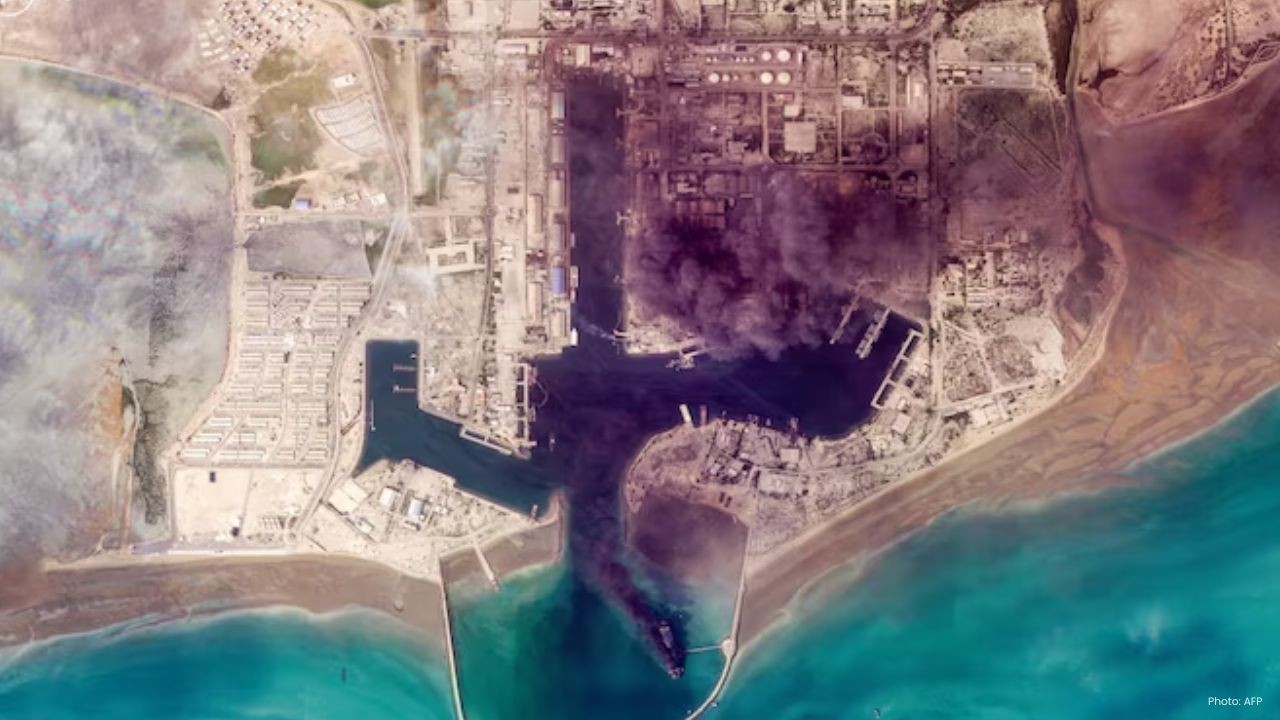
Asia Faces Energy Shock After Iran Closes Strait
Iran shuts Strait of Hormuz amid US-Israel strikes, sending oil prices higher and raising serious en

Bank of Baroda Faces Abu Dhabi Legal Battle over NMC Collapse
Bank of Baroda’s involvement in Abu Dhabi litigation tied to the NMC Healthcare collapse raises repu

Top Museum Openings of 2026 Set to Transform Global Tourism
From Los Angeles to Abu Dhabi and Brussels, 2026 brings major museum launches—Lucas Museum, Guggenhe

UAE Tour Highlights UAE’s Strength in Hosting Global Sports Events
Abu Dhabi Sports Council says the successful UAE Tour reflects the UAE’s leading role in hosting maj
EU Seeks Clarity from US After Supreme Court IEEPA Ruling
European Commission urges full transparency from the US on steps after Supreme Court ruling, emphasi
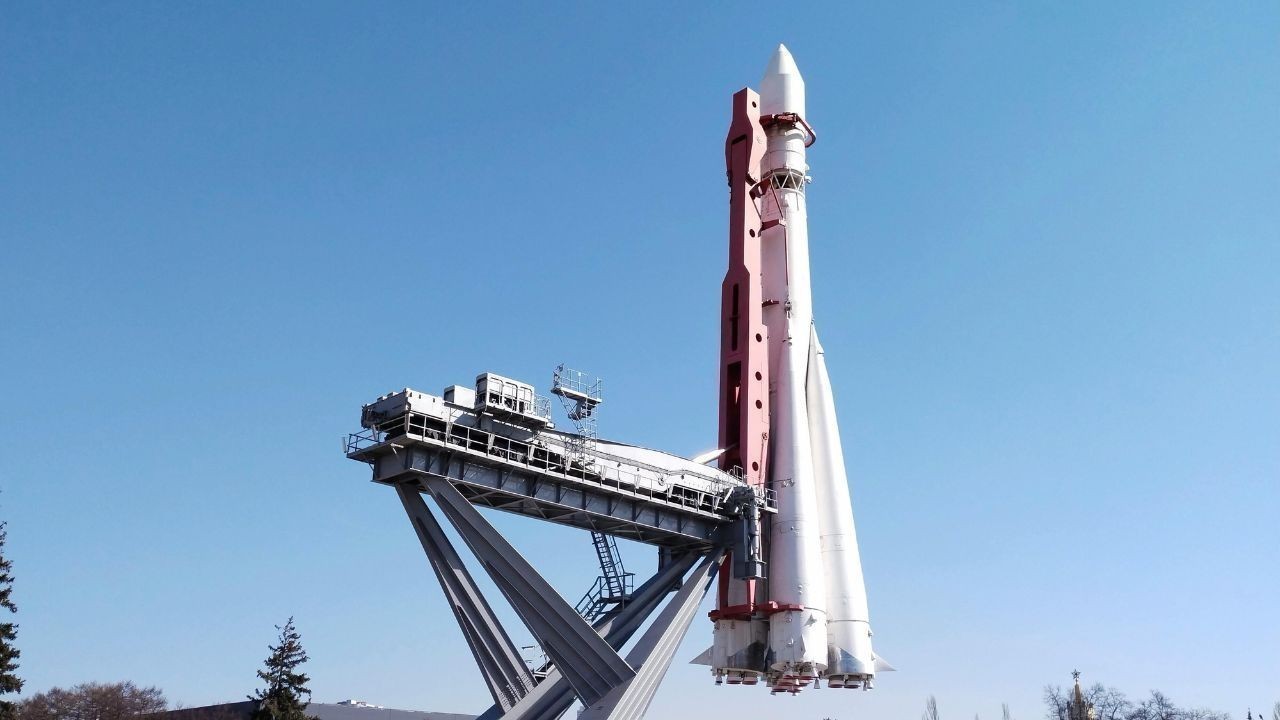
SpaceX Launches 53 New Satellites for Expanding Starlink Network
SpaceX launches 53 Starlink satellites in two Falcon 9 missions, breaking reuse records and expandin
RTA Awards Contract for Phase II of Hessa Street Upgrade in Dubai
Phase II of Hessa Street Development to add bridges, tunnel, and upgraded intersections, doubling ca

UAE Gold Prices Today, Monday 16 February 2026: Dubai & Abu Dhabi Updated Rates
Gold prices in UAE on 16 Feb 2026 updated: 24K around AED 599.75/gm, 22K AED 555.25/gm, and 18K AED

Over 25 Ahmedabad Schools Receive Bomb Threat Email, Authorities Investigate
More than 25 schools in Ahmedabad evacuated after bomb threat emails mentioning Khalistan. Authoriti