Post by : Sam Jeet Rahman
Digestive problems are no longer occasional issues linked only to food poisoning or overeating. Today, a growing number of people experience bloating, acidity, constipation, gas, diarrhea, abdominal pain, and irregular bowel movements as a daily struggle. Poor digestion affects not just physical comfort but also energy levels, immunity, skin health, mood, and long-term disease risk.
Gut health sits at the center of overall health. When digestion is weak, the body fails to absorb nutrients properly, toxins accumulate, inflammation increases, and the immune system becomes compromised. Understanding what truly causes digestive problems is the first step toward fixing them in a sustainable way.
This article explains the root causes of digestive issues, how modern lifestyles damage gut function, and how you can improve gut health through practical, science-backed strategies.
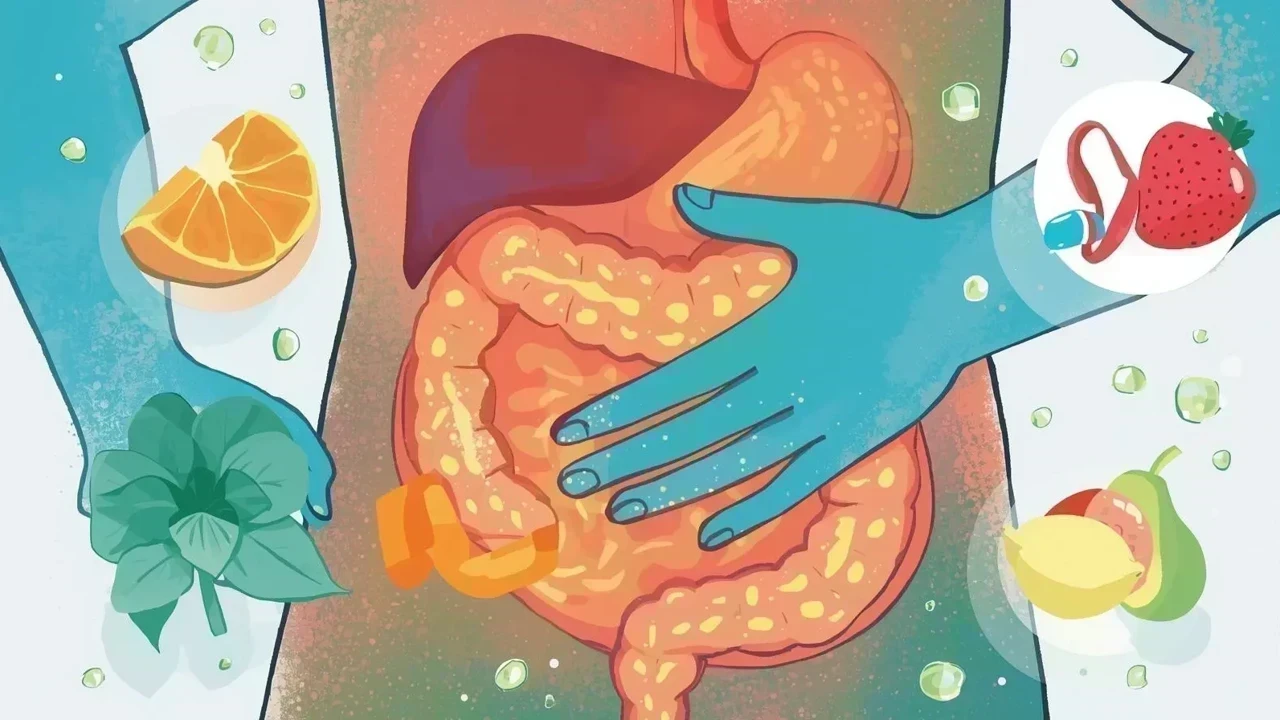
The digestive system is responsible for breaking down food, absorbing nutrients, and eliminating waste. At the core of this system lies the gut, which includes the stomach, intestines, and trillions of microorganisms known as the gut microbiome.
A healthy gut:
Breaks down food efficiently
Absorbs vitamins and minerals properly
Maintains a strong immune response
Regulates inflammation
Communicates with the brain through the gut-brain axis
When gut balance is disturbed, digestive problems begin to surface.
Diet plays the largest role in digestive health.
Modern diets are dominated by packaged foods high in refined flour, sugar, preservatives, artificial sweeteners, and unhealthy fats. These foods:
Slow digestion
Feed harmful gut bacteria
Reduce beneficial bacteria diversity
Increase gut inflammation
Over time, this leads to bloating, gas, irregular stools, and acidity.
Fiber is essential for gut movement and microbial balance. Diets low in vegetables, fruits, whole grains, and legumes cause:
Constipation
Hard stools
Poor bacterial diversity
Toxin buildup in the gut
Fiber acts as food for beneficial bacteria and keeps digestion smooth.
Skipping meals, eating late at night, or having inconsistent meal timings confuses digestive rhythms. This leads to:
Acid reflux
Poor enzyme release
Incomplete digestion
The gut works best with predictable routines.
Stress is one of the most underestimated causes of digestive problems.
When stressed, the body shifts into fight-or-flight mode. Blood flow is diverted away from digestion toward muscles and the brain. This results in:
Reduced digestive enzyme secretion
Slower gut movement
Increased acid production
Heightened gut sensitivity
Long-term stress contributes to conditions like IBS, acidity, and functional bloating.
The gut and brain communicate constantly through nerves and hormones. Emotional stress can directly trigger digestive symptoms, even without dietary triggers.
The gut microbiome plays a crucial role in digestion.
Frequent antibiotic use
Poor diet
Chronic stress
Infections
Lack of dietary fiber
When harmful bacteria outnumber beneficial ones, digestion becomes inefficient.
Excessive gas
Bloating after meals
Food sensitivities
Frequent infections
Fatigue
A healthy microbiome is essential for smooth digestion.
Contrary to popular belief, many digestive problems are caused by low stomach acid, not excess acid.
Stomach acid helps:
Break down protein
Kill harmful bacteria
Trigger enzyme release
Low acid levels cause:
Bloating after protein meals
Acid reflux-like symptoms
Nutrient deficiencies
Suppressing acid without addressing root causes often worsens digestion.
Water is essential for digestive processes.
Slower bowel movement
Hard stools
Increased constipation
Poor nutrient absorption
Many people mistake thirst for hunger and worsen digestion by overeating instead of hydrating.
Physical activity stimulates gut movement.
Slower intestinal transit
Increased gas buildup
Reduced blood flow to digestive organs
Regular movement improves bowel regularity and enzyme efficiency.
Certain foods may trigger digestive distress even if they are generally healthy.
Lactose
Gluten (for sensitive individuals)
Artificial sweeteners
Highly fermented foods
Unidentified sensitivities lead to chronic inflammation and discomfort.
Certain medications disrupt digestion.
Antibiotics
Painkillers
Acid suppressants
Certain supplements
Long-term use can damage gut lining and microbiome balance.
Digestion follows a daily rhythm.
Poor sleep disrupts gut motility
Increases inflammation
Alters hunger hormones
Night-time digestion is naturally slower. Late meals combined with poor sleep increase acidity and bloating.
Improving gut health requires consistency, not extreme diets.
Focus on whole, minimally processed foods.
Vegetables and fruits
Whole grains
Legumes
Nuts and seeds
Fermented foods in moderation
These foods increase fiber intake and nourish beneficial bacteria.
Sudden fiber increase can cause gas.
Add fiber slowly
Combine soluble and insoluble fiber
Drink enough water
Gradual change allows gut bacteria to adapt.
A diverse microbiome improves digestion.
Eat a variety of plant foods
Avoid unnecessary antibiotics
Reduce sugar intake
Manage stress
Consistency matters more than supplements.
How you eat matters as much as what you eat.
Eat at regular times
Avoid late-night meals
Chew food thoroughly
Eat without distractions
Mindful eating improves enzyme release and digestion.
Reducing stress improves digestion directly.
Daily walking
Breathing exercises
Limiting constant notifications
Adequate rest
A calm nervous system supports better digestion.
Drink water consistently rather than in large amounts at once.
Start the day with water
Drink between meals
Reduce sugary drinks
Proper hydration keeps stools soft and digestion smooth.
Even light activity helps.
Walking
Stretching
Yoga
Movement stimulates intestinal contractions and reduces bloating.
Better sleep improves gut repair.
Fixed sleep schedule
No screens before bed
Light dinners
Gut healing accelerates during deep sleep.
Seek professional help if digestive symptoms:
Persist for months
Involve unexplained weight loss
Include blood in stools
Cause severe pain
Early diagnosis prevents complications.
Gut health is not built in a week. It reflects daily habits over time. Small, consistent changes produce powerful improvements in digestion, energy, immunity, and mental clarity.
Digestive problems are signals, not failures. They indicate imbalance in diet, stress, movement, sleep, or gut bacteria. When these areas are addressed together, digestion improves naturally and sustainably.
A healthy gut supports a healthy life.
This article is for informational purposes only and does not replace professional medical advice. Digestive conditions and responses vary between individuals. If symptoms are severe, persistent, or worsening, consult a qualified healthcare professional for diagnosis and personalized treatment.

US Stocks Slide as AI Fears, Inflation and Oil Surge Weigh
US stocks dropped as AI disruption fears hit tech firms, inflation rose above forecasts, and oil pri

Pacific Prime Wins Top Honors at Cigna Awards 2026
Pacific Prime secured Top Individual Broker and Top SME Broker awards at Cigna’s Annual Broker Award

QatarEnergy Halts LNG Output After Military Attack
QatarEnergy has stopped LNG production after military attacks hit its facilities in Ras Laffan and M
Strong 6.1 Magnitude Earthquake Hits West Sumatra, No Damage
A 6.1 earthquake struck off West Sumatra, Indonesia. No casualties, damage, or tsunami alert reporte

Saudi Confirms Drone Strike on US Embassy Riyadh
Two drones hit the US Embassy in Riyadh, causing a small fire and minor damage. No injuries were rep

UAE Restarts Limited Flights as Regional Airspace Disruptions Continue
UAE restarts limited flights from Dubai as US-Israel attacks on Iran disrupt regional airspace, forc

Asia Faces Energy Shock After Iran Closes Strait
Iran shuts Strait of Hormuz amid US-Israel strikes, sending oil prices higher and raising serious en


Bank of Baroda Faces Abu Dhabi Legal Battle over NMC Collapse
Bank of Baroda’s involvement in Abu Dhabi litigation tied to the NMC Healthcare collapse raises repu

Top Museum Openings of 2026 Set to Transform Global Tourism
From Los Angeles to Abu Dhabi and Brussels, 2026 brings major museum launches—Lucas Museum, Guggenhe

UAE Tour Highlights UAE’s Strength in Hosting Global Sports Events
Abu Dhabi Sports Council says the successful UAE Tour reflects the UAE’s leading role in hosting maj

EU Seeks Clarity from US After Supreme Court IEEPA Ruling
European Commission urges full transparency from the US on steps after Supreme Court ruling, emphasi

SpaceX Launches 53 New Satellites for Expanding Starlink Network
SpaceX launches 53 Starlink satellites in two Falcon 9 missions, breaking reuse records and expandin

RTA Awards Contract for Phase II of Hessa Street Upgrade in Dubai
Phase II of Hessa Street Development to add bridges, tunnel, and upgraded intersections, doubling ca

UAE Gold Prices Today, Monday 16 February 2026: Dubai & Abu Dhabi Updated Rates
Gold prices in UAE on 16 Feb 2026 updated: 24K around AED 599.75/gm, 22K AED 555.25/gm, and 18K AED

Over 25 Ahmedabad Schools Receive Bomb Threat Email, Authorities Investigate
More than 25 schools in Ahmedabad evacuated after bomb threat emails mentioning Khalistan. Authoriti