Post by : Michael Darzi
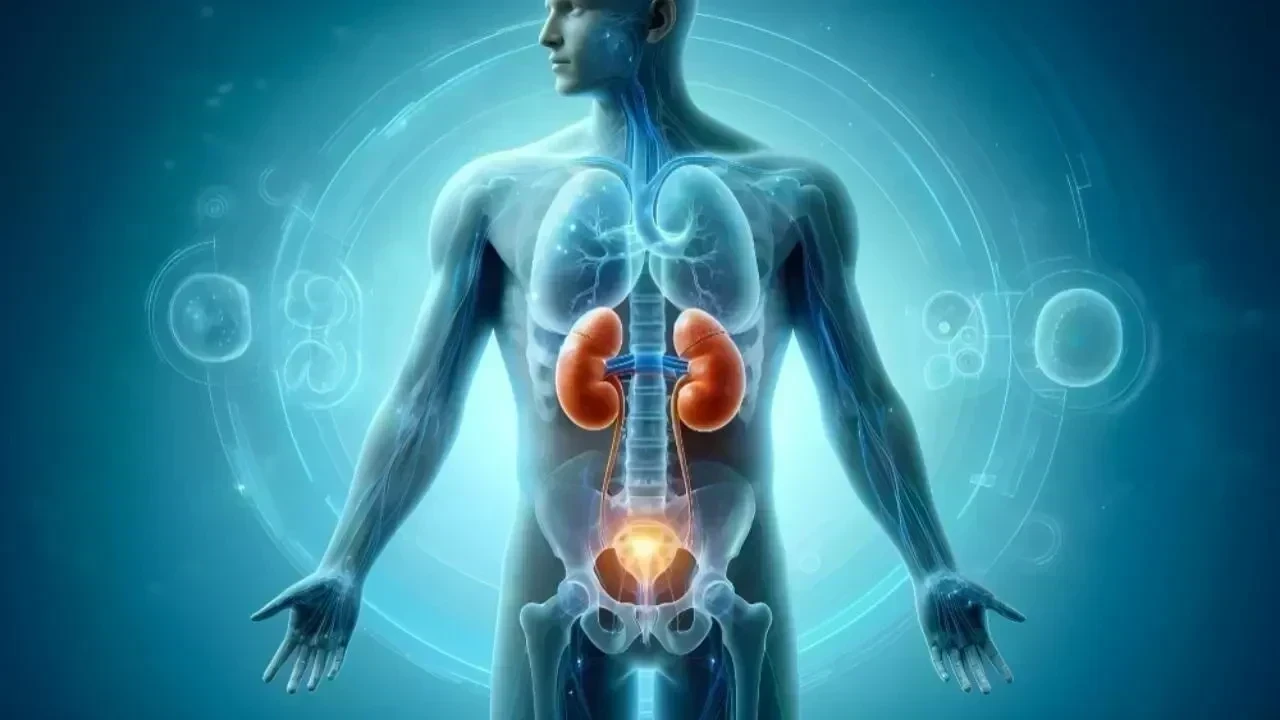
Our kidneys may be small in size, but the work they do inside the body is extremely important. Every moment, they filter blood, remove waste, balance minerals, and help keep the body clean. For the kidneys to do all this properly, they need enough water every day. When the body does not get enough water, the kidneys struggle, and this can lead to health problems over time.
In today’s world, people spend money on health drinks, detox powders, and supplements. But the truth is that the simplest and most powerful support for the kidneys is free — plain water. This report explains, in simple language, why water plays such a big role in kidney health, how much water is good for the body, and how to notice early signs of dehydration before it becomes serious.
Kidneys act like natural cleaning machines. They remove extra salt, push toxins out through urine, and help the body stay balanced. For all this to happen smoothly, they need a steady supply of water.
Water helps the kidneys send unwanted waste and toxins out of the body. If someone drinks too little water, the urine becomes dark and concentrated. Over time, this can damage kidney tissues.
Kidney stones form when the body does not have enough water. Minerals like calcium and salt can stick together and form stones. Drinking enough water keeps the urine thin and prevents stones from forming.
Kidneys also help control blood pressure. When the body is dehydrated, the blood becomes thicker, which makes the heart work harder. This puts pressure on the kidneys too.
Proper hydration ensures that the blood flows smoothly through the kidney filters. Without enough water, blood becomes thicker, making filtration harder.
When water intake is low, bacteria can stay longer in the urinary tract. Drinking enough water helps flush them out and lowers the risk of UTIs.
There is no single number that fits everyone because water needs can change based on:
Age
Weather
Activity levels
Overall health
Body weight
But as a general guide:
Most adults need 6–8 glasses of water every day.
People living in very hot areas, like the Middle East, may need 10–12 glasses.
People who sweat more or exercise daily need extra water.
Drinking all the water at once does not help. It is better to sip small amounts throughout the day so the kidneys can work comfortably.
The body gives signals when it is running low on water. Some early signs are:
Dark yellow urine
Dry mouth or cracked lips
Headaches
Feeling tired or low in energy
Muscle cramps
Constipation
Feeling dizzy
Reduced urine output
Light-yellow urine usually means hydration is good.
It’s not just about how much water you drink — timing also matters.
Drink one glass after waking up to activate the kidneys and digestive system.
This keeps the body hydrated without affecting digestion.
Sweating removes water, so hydration is needed to support the kidneys.
A small amount prevents overnight dehydration, but do not drink too much to avoid waking up often at night.
The most important thing is that the water should be clean and safe. A few helpful tips:
Room-temperature water is good for daily use.
Filtered water helps remove impurities.
Coconut water is good in moderation because of its minerals.
Avoid soft drinks, energy drinks, and sugary beverages as they stress the kidneys.
Some people need more water than others:
Outdoor workers
Athletes
Pregnant or breastfeeding women
People living in hot climates
Individuals who eat high-salt diets
People with a history of kidney stones
Regular hydration is especially important for these groups.
Yes. Drinking far more water than the body needs can dilute important minerals, especially sodium. This condition is known as water intoxication. People with certain health conditions must be careful:
Kidney failure
Heart failure
Liver cirrhosis
Such individuals must follow their doctor’s instructions on water intake.
Water is important, but kidneys also need a healthy lifestyle. Good habits include:
Eating more fruits and vegetables
Avoiding too much salt
Staying active
Limiting alcohol
Not overusing painkillers
Avoiding smoking
These habits, along with proper hydration, help kidneys stay strong.
Truth: Water helps, but lifestyle and diet matter too.
Truth: A pale yellow colour is normal and healthy.
Truth: Water needs change from person to person.
Water is the simplest, cheapest, and most effective way to care for your kidneys. Drinking the right amount each day helps remove toxins, maintains blood pressure, prevents stones, and keeps the body balanced. But hydration must be reasonable — both too little and too much water can cause problems. Listening to your body, sipping water regularly, and maintaining healthy habits are all key to long-lasting kidney health.
The information shared in this article is meant for general awareness and should not replace professional medical advice. People with kidney disease, heart problems, liver disorders, or any diagnosed health condition should consult a qualified healthcare provider before making changes to their water intake. Individual hydration needs vary, and self-treatment without guidance may lead to health issues. Always seek medical advice for personalised recommendations.

US Stocks Slide as AI Fears, Inflation and Oil Surge Weigh
US stocks dropped as AI disruption fears hit tech firms, inflation rose above forecasts, and oil pri

Pacific Prime Wins Top Honors at Cigna Awards 2026
Pacific Prime secured Top Individual Broker and Top SME Broker awards at Cigna’s Annual Broker Award
QatarEnergy Halts LNG Output After Military Attack
QatarEnergy has stopped LNG production after military attacks hit its facilities in Ras Laffan and M
Strong 6.1 Magnitude Earthquake Hits West Sumatra, No Damage
A 6.1 earthquake struck off West Sumatra, Indonesia. No casualties, damage, or tsunami alert reporte

Saudi Confirms Drone Strike on US Embassy Riyadh
Two drones hit the US Embassy in Riyadh, causing a small fire and minor damage. No injuries were rep

UAE Restarts Limited Flights as Regional Airspace Disruptions Continue
UAE restarts limited flights from Dubai as US-Israel attacks on Iran disrupt regional airspace, forc
Asia Faces Energy Shock After Iran Closes Strait
Iran shuts Strait of Hormuz amid US-Israel strikes, sending oil prices higher and raising serious en


Bank of Baroda Faces Abu Dhabi Legal Battle over NMC Collapse
Bank of Baroda’s involvement in Abu Dhabi litigation tied to the NMC Healthcare collapse raises repu

Top Museum Openings of 2026 Set to Transform Global Tourism
From Los Angeles to Abu Dhabi and Brussels, 2026 brings major museum launches—Lucas Museum, Guggenhe

UAE Tour Highlights UAE’s Strength in Hosting Global Sports Events
Abu Dhabi Sports Council says the successful UAE Tour reflects the UAE’s leading role in hosting maj

EU Seeks Clarity from US After Supreme Court IEEPA Ruling
European Commission urges full transparency from the US on steps after Supreme Court ruling, emphasi
SpaceX Launches 53 New Satellites for Expanding Starlink Network
SpaceX launches 53 Starlink satellites in two Falcon 9 missions, breaking reuse records and expandin

RTA Awards Contract for Phase II of Hessa Street Upgrade in Dubai
Phase II of Hessa Street Development to add bridges, tunnel, and upgraded intersections, doubling ca

UAE Gold Prices Today, Monday 16 February 2026: Dubai & Abu Dhabi Updated Rates
Gold prices in UAE on 16 Feb 2026 updated: 24K around AED 599.75/gm, 22K AED 555.25/gm, and 18K AED

Over 25 Ahmedabad Schools Receive Bomb Threat Email, Authorities Investigate
More than 25 schools in Ahmedabad evacuated after bomb threat emails mentioning Khalistan. Authoriti