Post by : Anis Karim
For years, Indian travellers dreamt of spontaneous international getaways. Yet the reality often meant long visa forms, financial proofs, embassy appointments, and weeks of waiting. Many trips were planned around visa complexity rather than curiosity. A family might choose a domestic hill station over Europe because of paperwork; a student might skip an academic opportunity because a visa slot wasn’t available in time; newlyweds sometimes changed honeymoon plans at the last hour due to visa delays.
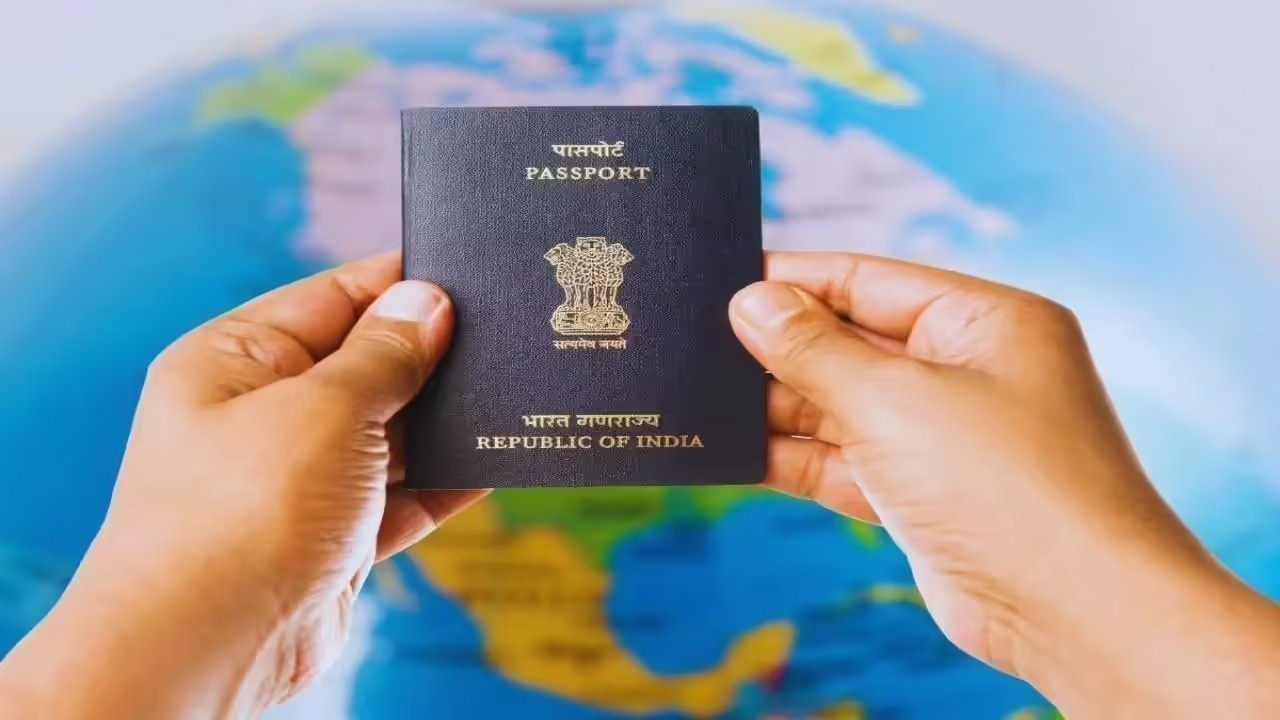
But the tide has turned. The Indian passport today enjoys more recognition, and the world is opening its doors wider. In 2025, a rising number of nations have begun easing entry rules for Indian citizens. Some now welcome Indians without prior visas, others offer visa-on-arrival or simplified electronic travel authorization, making global travel smoother, quicker and more democratic.
This shift represents more than travel convenience. It reflects India's growing economy, diplomatic presence, global workforce significance, and the surge of Indian travellers shaping tourism markets everywhere from Bali cafés and Greek islands to Middle-Eastern souks and African safari lodges. For the modern Indian explorer, the world has finally begun to feel more accessible—less gatekeeping, more globe-hopping.
And with this new freedom comes a new travel mindset. Instead of planning six months ahead, many are exploring last-minute escapes, offbeat destinations, and long weekend international trips. Young earners are prioritising travel over luxury purchases; families are embracing global holidays; retirees are ticking off bucket-list journeys. The world is no longer a distant dream—it's an open invitation.
A fast-growing economy, expanding startup ecosystem, international workforce presence and increasing global investments make India a valuable travel and trade partner. When countries open borders, they invite economic and tourism gains—and India is a market no nation wants to ignore.
Indian travellers are among the world’s fastest-growing tourist groups. From luxury seekers to backpackers, the spending power and travel appetite of Indians is surging. For many countries recovering from tourism slumps, welcoming Indian visitors is both strategic and rewarding.
Advanced immigration systems, digital security checks, and automated visa platforms allow quick visitor screening without traditional paperwork burden. Countries are learning they can balance security with convenience.
Strong diplomatic ties, business treaties, airline agreements, and educational partnerships are leading to liberal entry policies. Travel ease has become part of foreign policy cooperation—tourism diplomacy at work.
While traditional favourite neighbours Bhutan and Nepal continue easy access, a new wave of destinations are stepping forward with welcoming arms.
Southeast Asia has emerged as the biggest region opening doors:
Thailand offering relaxed entry windows has supercharged Indian tourism.
Malaysia continues to position itself as an affordable, culture-rich, visa-friendly alternative to expensive island getaways.
Philippines adding flexible visa-free entry options fuels tropical travel dreams.
These countries recognise the holiday culture booming among Indians and are responding with policies that convert desire into tickets.
South America may not be a traditional region for Indian travel, but momentum is building:
Argentina easing entry rules for Indians holding certain international visas marks a milestone and may inspire neighbouring nations.
This creates a gateway for Indians to explore South American charm—from tango streets and football culture to glaciers and vineyards.
Caribbean and Pacific island states, African islands and coastal micro-destinations have embraced relaxed entry policies for Indians. These regions thrive on tourism; visa-ease becomes an investment in growth.
Destinations offering visa-free, e-visa or visa-on-arrival include stunning beaches, crystal waters, and exotic cultural escapes—turning Indian travel dreams into reality.
With Gulf countries boosting tourism infrastructure, easier access for Indians aligns with their global tourism race. Short flights, luxury hospitality, and shopping appeal make Gulf travel increasingly convenient.
Earlier, planning a foreign trip often meant weeks of coordination. Now, spontaneous long weekends to beach islands and Southeast Asian hubs are becoming normal.
Travellers are choosing experiences over itineraries:
Snorkeling holidays over mall tours
Coffee plantation stays over city set-ups
Yacht brunches and desert stargazing
Art walks and local markets
Visa ease reduces planning cost and time. Faster planning means more bargains and better flight flexibility.
Young professionals now take weeklong work-travel breaks in visa-easy nations with co-working cafés and beachside internet. Work-from-paradise is more realistic than ever.
Parents planning kids’ holidays are choosing international destinations once considered aspirational. Easier paperwork removes emotional hesitation and financial uncertainty.
Most visa-free access includes:
Limited stay duration
Short-term purpose (tourism/business/transit only)
Mandatory return tickets & hotel proofs
Minimum passport validity periods
Funds proof
Travel insurance in some cases
Arriving unprepared can still lead to denial at border entry.
Some countries grant entry only if travellers hold visas from the US, UK, Europe or similar regions. While easier, it still requires compliance.
Policies evolve based on diplomacy, security and global shifts. Travellers must always re-check entry guidelines before booking.
Exceeding permitted time can result in penalties, deportation or future entry bans. Respecting duration limits is crucial.
Being able to travel easily doesn’t mean travelling carelessly. Smart planning ensures smooth entry and positive experiences.
Visa-free access unlocks hidden gems:
Lesser-known islands
Heritage capitals
Wilderness retreats
Cultural hubs
Pristine coastal towns
Holding select global visas can further expand country access. Strategic visa planning can multiply travel latitude.
Even without a visa requirement, digital files of bookings, funds proof, IDs and insurance help breeze through immigration.
Despite progress, there is still a journey ahead.
Many top-tier destinations still require full visas.
Long-term stay categories remain limited.
Work, residency and student travel often need formal approvals.
Travel freedom percentage is improving, but not yet at Western passport levels.
The mobility growth is exciting—but still evolving.
As India rises as a global economy and tourism source, more countries will open doors.
Paperless entry systems will streamline border checks further.
Expectation: tourism-led partnerships, regional travel corridors, and leisure-focused diplomacy agreements.
International student opportunities and job mobility may expand through mutual visa agreements.
The era of Indian travellers waiting nervously for visas is fading. A world once felt distant now sits just a ticket away. Relaxed entry rules don’t only change travel logistics—they shift mindsets, empower ambitions, build global confidence and inspire relationships across cultures.
As more nations welcome Indian explorers, the new passport advantage becomes not just about ease of travel, but about freedom—freedom to dream, to discover, to connect, and to belong to a larger world.
For every student dreaming of a global career, every family planning a holiday, every creator seeking new landscapes, and every wanderer chasing sunrise in a foreign sky—this is a beautiful beginning.
Pack light.
Plan wise.
Fly ready.
And let the world open, one border at a time.
This article provides general trend-based information on travel and global mobility. Visa and entry rules are subject to change at any time. Travellers must verify updated requirements from official immigration or government resources before planning or travelling.

US Stocks Slide as AI Fears, Inflation and Oil Surge Weigh
US stocks dropped as AI disruption fears hit tech firms, inflation rose above forecasts, and oil pri

Pacific Prime Wins Top Honors at Cigna Awards 2026
Pacific Prime secured Top Individual Broker and Top SME Broker awards at Cigna’s Annual Broker Award

QatarEnergy Halts LNG Output After Military Attack
QatarEnergy has stopped LNG production after military attacks hit its facilities in Ras Laffan and M

Strong 6.1 Magnitude Earthquake Hits West Sumatra, No Damage
A 6.1 earthquake struck off West Sumatra, Indonesia. No casualties, damage, or tsunami alert reporte

Saudi Confirms Drone Strike on US Embassy Riyadh
Two drones hit the US Embassy in Riyadh, causing a small fire and minor damage. No injuries were rep

UAE Restarts Limited Flights as Regional Airspace Disruptions Continue
UAE restarts limited flights from Dubai as US-Israel attacks on Iran disrupt regional airspace, forc

Asia Faces Energy Shock After Iran Closes Strait
Iran shuts Strait of Hormuz amid US-Israel strikes, sending oil prices higher and raising serious en


Bank of Baroda Faces Abu Dhabi Legal Battle over NMC Collapse
Bank of Baroda’s involvement in Abu Dhabi litigation tied to the NMC Healthcare collapse raises repu

Top Museum Openings of 2026 Set to Transform Global Tourism
From Los Angeles to Abu Dhabi and Brussels, 2026 brings major museum launches—Lucas Museum, Guggenhe

UAE Tour Highlights UAE’s Strength in Hosting Global Sports Events
Abu Dhabi Sports Council says the successful UAE Tour reflects the UAE’s leading role in hosting maj

EU Seeks Clarity from US After Supreme Court IEEPA Ruling
European Commission urges full transparency from the US on steps after Supreme Court ruling, emphasi

SpaceX Launches 53 New Satellites for Expanding Starlink Network
SpaceX launches 53 Starlink satellites in two Falcon 9 missions, breaking reuse records and expandin

RTA Awards Contract for Phase II of Hessa Street Upgrade in Dubai
Phase II of Hessa Street Development to add bridges, tunnel, and upgraded intersections, doubling ca

UAE Gold Prices Today, Monday 16 February 2026: Dubai & Abu Dhabi Updated Rates
Gold prices in UAE on 16 Feb 2026 updated: 24K around AED 599.75/gm, 22K AED 555.25/gm, and 18K AED

Over 25 Ahmedabad Schools Receive Bomb Threat Email, Authorities Investigate
More than 25 schools in Ahmedabad evacuated after bomb threat emails mentioning Khalistan. Authoriti





