
Post by : Anis Karim
In a groundbreaking announcement, the United States State Department revealed plans to halt immigrant visa processing for citizens from 75 nations starting on January 21, 2026. This decision reflects a larger movement towards tightening immigration standards and reevaluating the vetting process for applicants under the administration's ongoing immigration reforms.
The suspension encompasses citizens from a diverse range of countries—from Pakistan and Bangladesh in South Asia to various nations in Africa, Latin America, Eastern Europe, and the Middle East. It's important to note that this decision pertains solely to immigrant visas—those granting permanent residency—and does not impact non-immigrant visas like tourist or business visas.
In this article, we delve into the critical aspects of the visa pause, the reasoning behind it, the countries affected, and the possible repercussions for applicants and international relationships. We also explore the global responses to this contentious policy.
Consular officials have confirmed that the processing of immigrant visas for nationals from the 75 designated countries will be **suspended** as of January 21, 2026, with no clear timeline for resuming.
The suspension aims to reevaluate immigration policies and clarify how authorities assess potential immigrants who may become a “public charge,” or dependent on government assistance, after arriving in the U.S.
Officials including Secretary of State Marco Rubio indicated that consular staff have been directed to withhold approval of immigrant visa petitions while this review is underway.
Authorities maintain that this suspension is grounded in existing immigration laws that allow consular officials to deny visas based on the likelihood of future dependence on public assistance.
Amid a broader clampdown on immigration, officials present this approach as a means to ensure that incoming immigrants will not burden public resources and are financially self-sufficient.
Previous measures tightening regulations surrounding public charges have set the stage for this significant action, leading critics to label it as a de facto ban impacting many vulnerable populations.
The list of affected countries covers a vast array, including nations from South Asia, Africa, the Middle East, Eastern Europe, and Latin America. While some are recognized conflict zones, others have maintained substantial historic relations with U.S. immigration.
Key countries affected include:
Pakistan — a significant South Asian country with many citizens seeking visas for various reasons.
Bangladesh — home to numerous applicants impacted by this policy.
Afghanistan and Somalia — both facing ongoing challenges, included in the suspension.
Russia, Iran, Brazil, Nigeria — representing a mix of nations across various regions.
Notably, this suspension does not extend to non-immigrant or temporary visas, allowing certain travel remains possible under intensified scrutiny.
The suspension produces immediate and widespread effects:
Pending Applications: Any applications not processed or printed by January 21 will be paused.
Non-Immigrant Visas: Temporary visa applications might still be reviewed but will face stricter background checks.
Family Reunification: Delays could severely affect families poised to reunite in the U.S.
Employment Migration: Pathways for skilled professionals and others awaiting their green cards may also become obstructed.
Despite the suspension, previously issued immigrant visas will remain valid, but no new approvals will be given from the affected nations until further notice.
The suspension prompted varied global reactions:
Diplomatic Concerns: Nations like Pakistan and Bangladesh are expected to engage with U.S. officials to protect their diplomatic ties.
Criticism from Advocacy Groups: Organizations combating immigration inequalities decry the move as discriminatory, asserting it targets nations largely in the Global South.
U.S. Political Landscape: Within America, this decision fuels ongoing discussions about immigration policies, with mixed responses among political factions.
It’s crucial to clarify what the visa halt does not signify:
No Immediate Ban on All Travel: Non-immigrant visas remain unaffected, albeit under stricter checks.
Green Card Holders: Those with permanent residency will continue to enjoy their rights as long as they adhere to existing regulations.
Experts warn of potential long-lasting effects:
Migration Trends: The slowdown in legal immigration from affected regions could alter global mobility trends.
Diaspora Communities: Uncertainty looms for families wishing to reunite, carrying social and economic ramifications.
International Relations: The policy may also complicate diplomatic relations, impacting trade negotiations and geopolitical cooperation.
As the State Department moves forward with its reassessment, many stakeholders worldwide remain vigilant for potential updates on the future of this suspension.
This article compiles information from various news sources as of January 15, 2026. The specifics, including the countries affected and policy implementation dates, are subject to change based on official communications.

US Stocks Slide as AI Fears, Inflation and Oil Surge Weigh
US stocks dropped as AI disruption fears hit tech firms, inflation rose above forecasts, and oil pri

Pacific Prime Wins Top Honors at Cigna Awards 2026
Pacific Prime secured Top Individual Broker and Top SME Broker awards at Cigna’s Annual Broker Award
QatarEnergy Halts LNG Output After Military Attack
QatarEnergy has stopped LNG production after military attacks hit its facilities in Ras Laffan and M

Strong 6.1 Magnitude Earthquake Hits West Sumatra, No Damage
A 6.1 earthquake struck off West Sumatra, Indonesia. No casualties, damage, or tsunami alert reporte

Saudi Confirms Drone Strike on US Embassy Riyadh
Two drones hit the US Embassy in Riyadh, causing a small fire and minor damage. No injuries were rep

UAE Restarts Limited Flights as Regional Airspace Disruptions Continue
UAE restarts limited flights from Dubai as US-Israel attacks on Iran disrupt regional airspace, forc
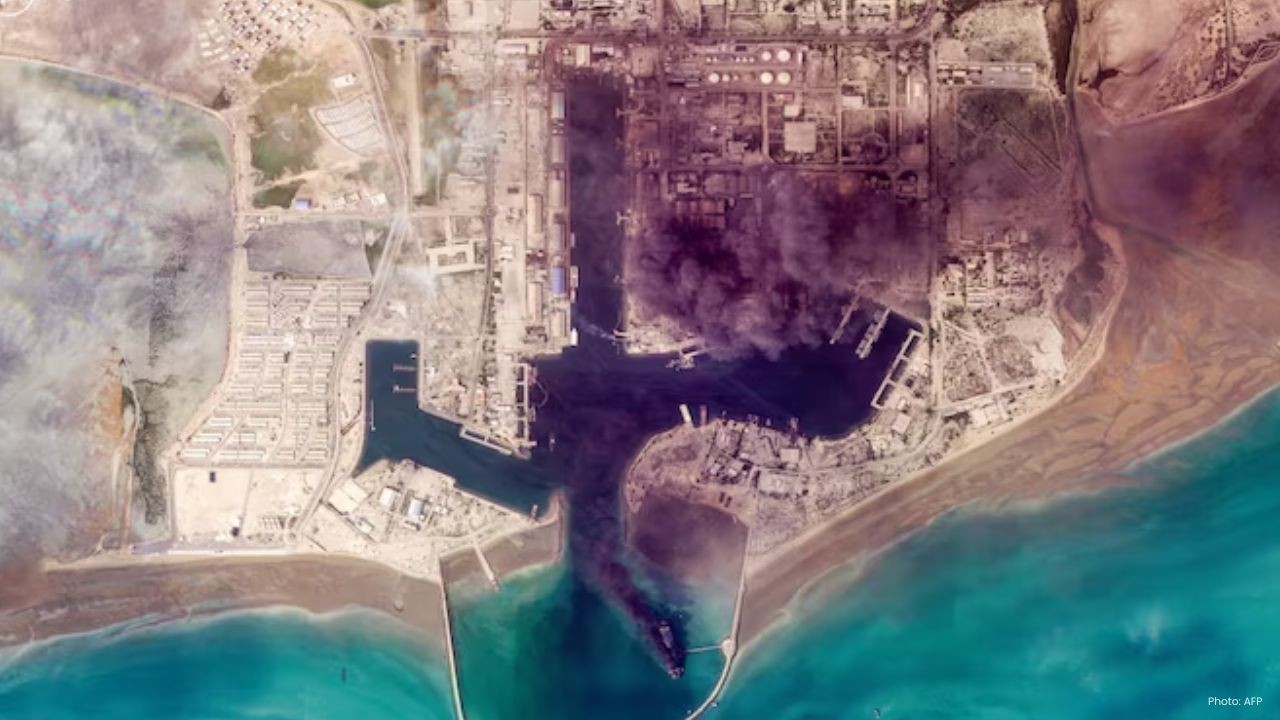
Asia Faces Energy Shock After Iran Closes Strait
Iran shuts Strait of Hormuz amid US-Israel strikes, sending oil prices higher and raising serious en


Bank of Baroda Faces Abu Dhabi Legal Battle over NMC Collapse
Bank of Baroda’s involvement in Abu Dhabi litigation tied to the NMC Healthcare collapse raises repu

Top Museum Openings of 2026 Set to Transform Global Tourism
From Los Angeles to Abu Dhabi and Brussels, 2026 brings major museum launches—Lucas Museum, Guggenhe

UAE Tour Highlights UAE’s Strength in Hosting Global Sports Events
Abu Dhabi Sports Council says the successful UAE Tour reflects the UAE’s leading role in hosting maj
EU Seeks Clarity from US After Supreme Court IEEPA Ruling
European Commission urges full transparency from the US on steps after Supreme Court ruling, emphasi
SpaceX Launches 53 New Satellites for Expanding Starlink Network
SpaceX launches 53 Starlink satellites in two Falcon 9 missions, breaking reuse records and expandin
RTA Awards Contract for Phase II of Hessa Street Upgrade in Dubai
Phase II of Hessa Street Development to add bridges, tunnel, and upgraded intersections, doubling ca

UAE Gold Prices Today, Monday 16 February 2026: Dubai & Abu Dhabi Updated Rates
Gold prices in UAE on 16 Feb 2026 updated: 24K around AED 599.75/gm, 22K AED 555.25/gm, and 18K AED

Over 25 Ahmedabad Schools Receive Bomb Threat Email, Authorities Investigate
More than 25 schools in Ahmedabad evacuated after bomb threat emails mentioning Khalistan. Authoriti