
Post by : Anis Karim
Once considered a dream within reach, travel is transitioning into a luxury for many. From quick international getaways to lengthy vacations, travelers everywhere are hit by escalating expenses at nearly every stage. Ticket prices are soaring, hotel rates have surged, visa costs are on the rise, and everyday spending at travel destinations is increasingly costly.
This change arises not from a single issue but from a combination of global economic shifts, supply chain challenges, policy changes, and evolving tourism patterns. To comprehend the reasons behind the steep increase in travel costs, one must evaluate the broader dynamics reshaping the travel landscape.
Jet fuel, a significant expense for airlines, is heavily influenced by global oil price fluctuations. The ongoing instability makes it challenging for airlines to keep ticket prices competitive.
During the pandemic, many airlines decommissioned older planes. Delays in aircraft production and supply chain issues have slowed fleet renewal, leading to a shortage of seats and higher ticket prices.
Charges from airports, ground services, and maintenance providers have risen to cover their own escalating expenses and are ultimately passed on to travelers.
Hotels are grappling with increased costs for utilities, food supplies, labor, and upkeep. Inflation is driving up the operational expenses of hospitality businesses, resulting in steeper room rates.
Many hospitality workers left the field during the pandemic and have yet to return. Hotels now offer higher salaries to attract talent, which in turn affects accommodation costs.
Attracting an influx of tourists, major cities are witnessing a spike in visitors, while new hotel construction lags due to inflated building costs and regulatory complications.
Inflation is elevating the prices of goods and services globally. Dining, local transportation, attractions, and experiences now demand significantly more financial outlay than before.
For travelers from countries with weakened currencies, international travel becomes costlier, especially when venturing into regions with stronger currencies.
Increased interest rates have amplified financing costs for airlines, cruise operators, and hotel chains, contributing to price pressures.
Geopolitical tensions have necessitated flight reroutes, resulting in prolonged travel times, increased fuel use, and higher operational costs.
Political instability raises insurance rates for airlines and travel companies, indirectly influencing ticket and package costs.
Sanctions and trade restrictions create supply chain challenges, elevating costs for airline components, hotel supplies, and tourism infrastructure.
Years of limited travel have sparked substantial pent-up demand, leading travelers to accept higher prices, thereby allowing service providers to raise rates without losing clientele.
Travelers increasingly prioritize premium experiences over budget-friendly options, prompting airlines and hotels to focus on lucrative offerings.
The classic off-peak seasons are narrowing, as telecommuting and flexible schedules permit travel throughout the year, sustaining elevated prices.
Numerous nations have adjusted visa fees upward to manage demand, upgrade security protocols, or increase revenue.
Many destinations now mandate comprehensive travel insurance, adding to overall expenses.
From airport levies to tourism fees and resort charges, hidden costs are now integral to international travel.
Governments are implementing carbon taxes and environmental fees, especially on flights and cruises.
Sustainable aviation fuels are considerably pricier than traditional fuels, and airlines are passing these costs onto ticket prices.
Some cities have introduced tourist caps, entry fees, or increased local taxes to manage overpopulation and environmental concerns.
Travel platforms use sophisticated algorithms to adapt prices in real-time based on demand, user behavior, and reservation trends.
Promotional fares and significant discounts have become less common as companies prioritize profitability over quantity.
Airlines and hotels are introducing paid loyalty tiers, gradually restricting basic services behind subscription walls.
Even discount airlines are grappling with increasing fuel, airport charges, and staffing expenses, curtailing their ability to provide ultra-low fares.
Countries previously favored for budget travel are now facing price hikes due to currency appreciation, tourism demand, and development costs.
Hostels, shared accommodations, and affordable transport choices are dwindling across many regions.
Travelers are opting for shorter, more frequent trips to navigate expenses more efficiently.
Hidden gems and lesser-known locales are gaining traction among travelers seeking greater value.
Advance booking and travel during shoulder seasons have become crucial strategies for budget-conscious adventurers.
Many price escalations are driven by structural elements rather than being temporary, suggesting that a return to pre-pandemic pricing is improbable.
We may see deals on specific routes or at certain destinations, but broad affordability remains uncertain.
Travelers are likely to prioritize value, safety, and experiences over mere pricing.
Increasing prices may lessen travel frequency among middle-income families while enhancing premium tourism.
Higher costs may encourage a shift toward slower, more meaningful journeys in place of frequent short trips.
Governments and tourism boards will face the challenge of promoting access without compromising sustainability.
The escalating costs of global travel can be traced to a complex web of economic factors, geopolitical concerns, environmental considerations, and shifts in traveler preferences. While the value of travel remains deep-seated, its pricing now mirrors a world wrestling with inflation, instability, and sustainability imperatives.
Disclaimer:
This article is intended for informational purposes only and should not be construed as financial or travel advice. Prices, regulations, and travel conditions may vary by location and over time. Travelers are encouraged to verify details before booking their journeys.

US Stocks Slide as AI Fears, Inflation and Oil Surge Weigh
US stocks dropped as AI disruption fears hit tech firms, inflation rose above forecasts, and oil pri

Pacific Prime Wins Top Honors at Cigna Awards 2026
Pacific Prime secured Top Individual Broker and Top SME Broker awards at Cigna’s Annual Broker Award

QatarEnergy Halts LNG Output After Military Attack
QatarEnergy has stopped LNG production after military attacks hit its facilities in Ras Laffan and M

Strong 6.1 Magnitude Earthquake Hits West Sumatra, No Damage
A 6.1 earthquake struck off West Sumatra, Indonesia. No casualties, damage, or tsunami alert reporte

Saudi Confirms Drone Strike on US Embassy Riyadh
Two drones hit the US Embassy in Riyadh, causing a small fire and minor damage. No injuries were rep
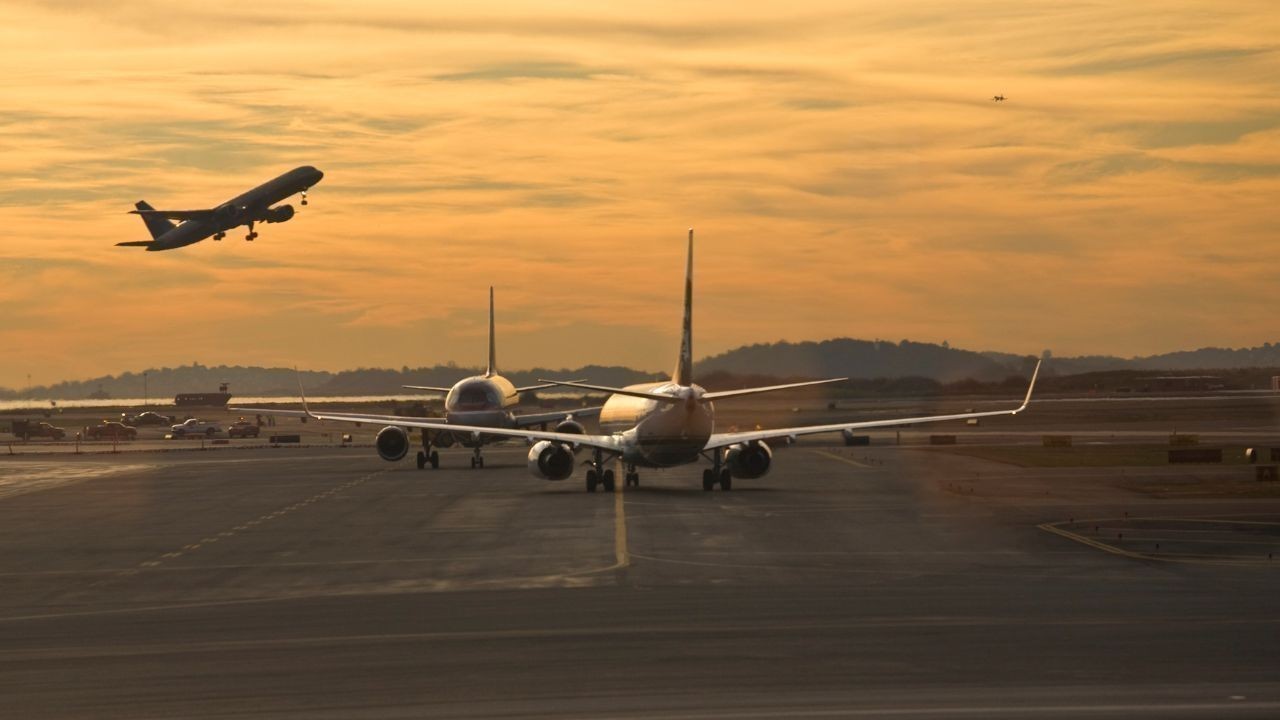
UAE Restarts Limited Flights as Regional Airspace Disruptions Continue
UAE restarts limited flights from Dubai as US-Israel attacks on Iran disrupt regional airspace, forc
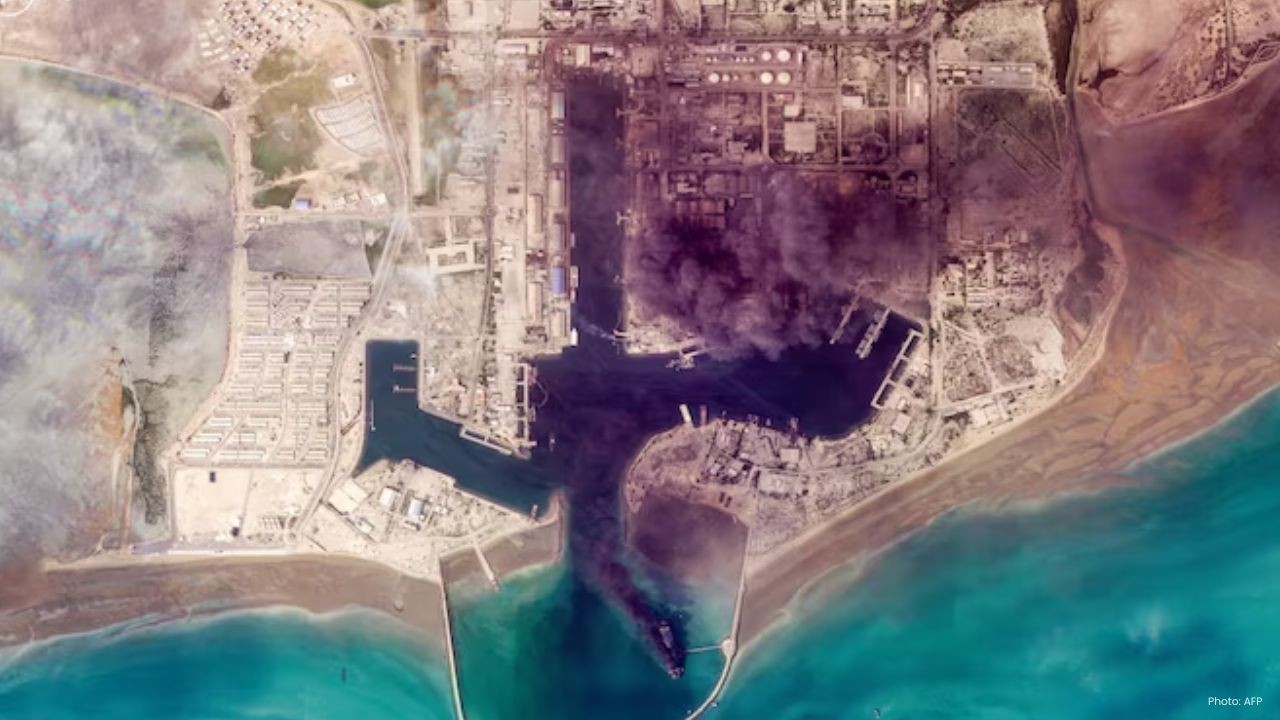
Asia Faces Energy Shock After Iran Closes Strait
Iran shuts Strait of Hormuz amid US-Israel strikes, sending oil prices higher and raising serious en


Bank of Baroda Faces Abu Dhabi Legal Battle over NMC Collapse
Bank of Baroda’s involvement in Abu Dhabi litigation tied to the NMC Healthcare collapse raises repu

Top Museum Openings of 2026 Set to Transform Global Tourism
From Los Angeles to Abu Dhabi and Brussels, 2026 brings major museum launches—Lucas Museum, Guggenhe

UAE Tour Highlights UAE’s Strength in Hosting Global Sports Events
Abu Dhabi Sports Council says the successful UAE Tour reflects the UAE’s leading role in hosting maj
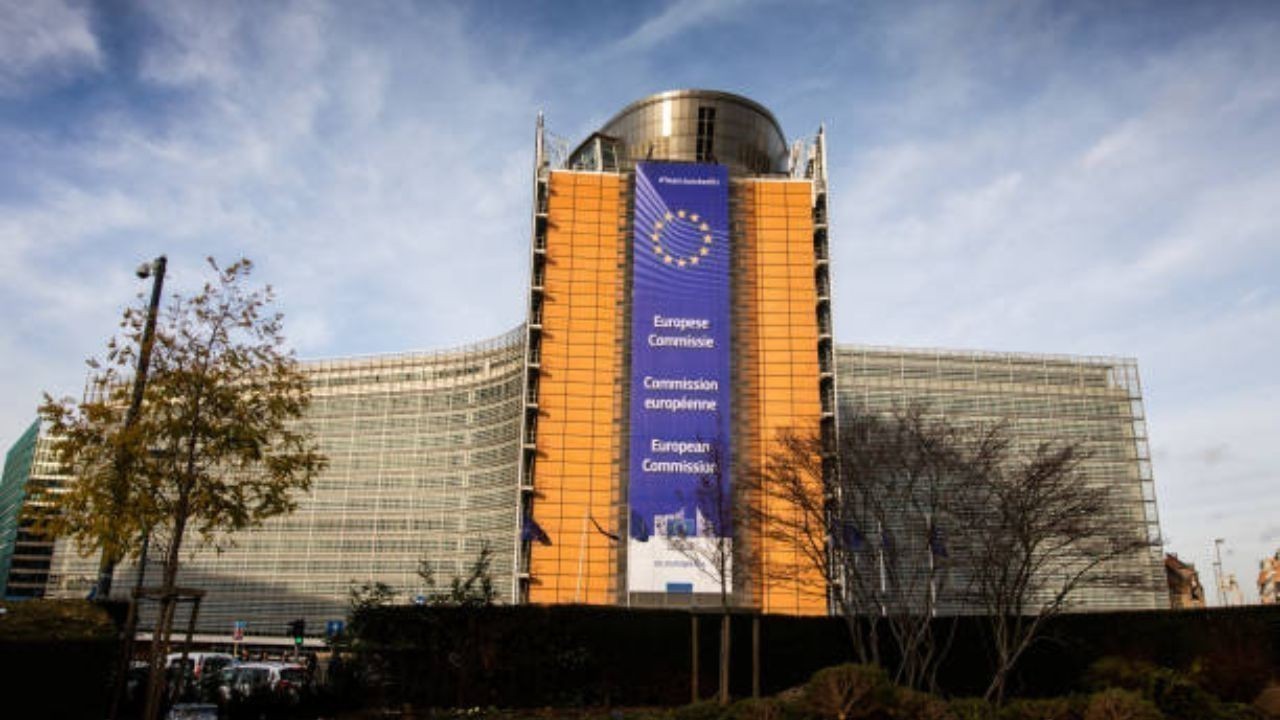
EU Seeks Clarity from US After Supreme Court IEEPA Ruling
European Commission urges full transparency from the US on steps after Supreme Court ruling, emphasi
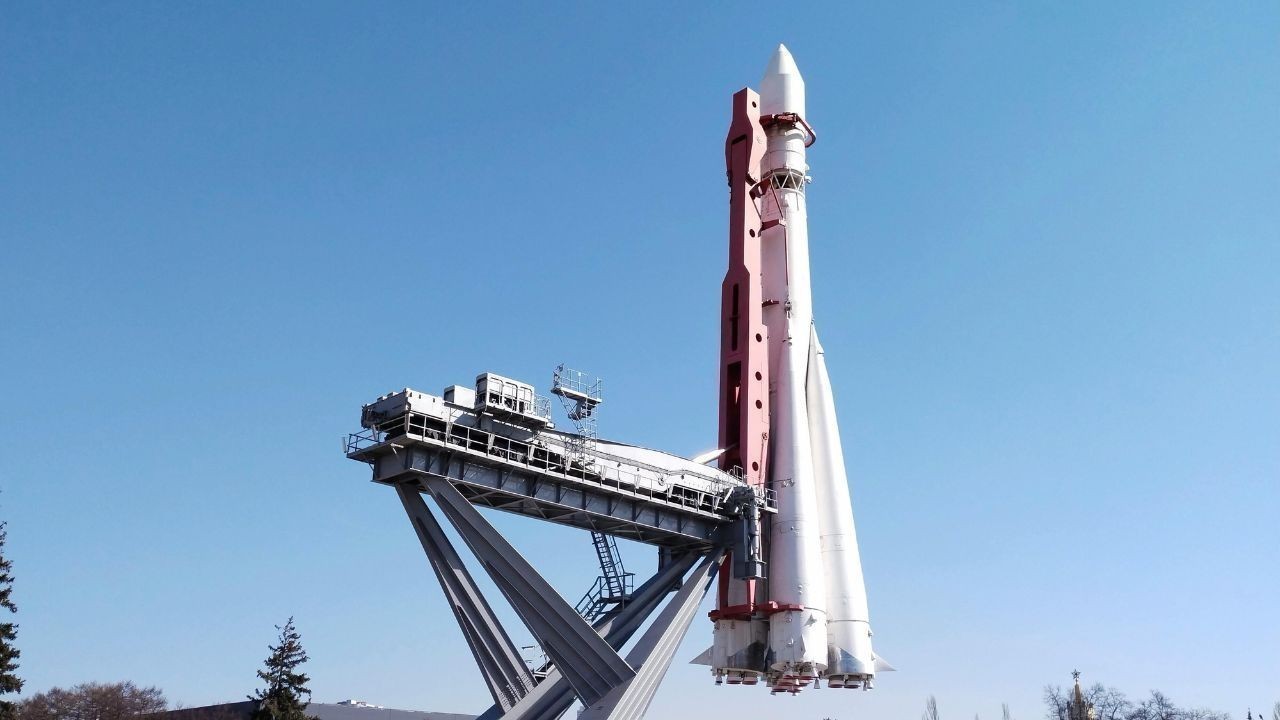
SpaceX Launches 53 New Satellites for Expanding Starlink Network
SpaceX launches 53 Starlink satellites in two Falcon 9 missions, breaking reuse records and expandin
RTA Awards Contract for Phase II of Hessa Street Upgrade in Dubai
Phase II of Hessa Street Development to add bridges, tunnel, and upgraded intersections, doubling ca

UAE Gold Prices Today, Monday 16 February 2026: Dubai & Abu Dhabi Updated Rates
Gold prices in UAE on 16 Feb 2026 updated: 24K around AED 599.75/gm, 22K AED 555.25/gm, and 18K AED

Over 25 Ahmedabad Schools Receive Bomb Threat Email, Authorities Investigate
More than 25 schools in Ahmedabad evacuated after bomb threat emails mentioning Khalistan. Authoriti