
Post by : Anis Karim
Oil prices might seem like corporate chatter, but they secretly govern what fills our grocery bags. A spike in global oil prices doesn’t remain an abstract issue; it gradually seeps into everyday costs—grocery prices, transport expenses, electricity, and even educational fees. What begins as a figure on a trading platform becomes financial pressure on family budgets.
For countless households, increased fuel prices are the first glaring indication of economic distress. The digits at the fuel station tell the bleak story. However, that’s just the tip of the iceberg. Transport costs rise, delivery fees increase, and food production expenses discreetly escalate. Airlines adjust their fares, buses raise their prices, and shop owners switch to higher price tags as suppliers demand more.
It’s crucial for families, small business owners, and every day earners to understand the pathway of oil price fluctuations through the economy. Increased awareness equips individuals to make informed financial decisions. This article outlines the journey of oil from international markets to personal life and provides realistic coping strategies.
Simply put, an oil shock is when global oil prices surge dramatically, often prompted by political unrest, supply reductions, trade constraints, or even natural disasters. Surprisingly, even mere speculation can spike these prices.
Oil prices are set internationally; a conflict thousands of miles away can inflate prices everywhere. Issues concerning shipping or distribution affect supply, reminding us that no country functions independently in the oil market.
Given its critical role across industries, an increase in oil costs doesn't just affect fuel; it boosts the prices of manufacturing, transportation, and storage, leading to widespread economic repercussions.
Fuel prices are the initial casualties of any oil shock.
When crude oil prices rise, oil companies pass on these costs to the end consumers. Drivers pay more per litre, and transport firms boost their fares, leaving commuters feeling the brunt.
Haulage trucks carrying everything from produce to electronics see increased freight costs. Ultimately, this leads to inflated product prices on retail shelves.
Food inflation closely follows fuel inflation.
Farmers rely on fuel for machinery and irrigation; as fuel expenses rise, so do operational costs. Consequently, these costs are transferred to consumers through higher prices.
As oil prices climb, so do packaging and storage expenses, driving up the costs of everyday goods.
Oil influences energy supply significantly.
Several power plants utilize petroleum, meaning higher oil costs often lead to increased electricity rates.
The prices for cooking gas are closely tied to global oil prices, causing household costs to rise.
Urban landscapes feel the strain from rising oil prices.
To cope with increased fuel costs, public transport authorities often raise fares, impacting daily commuters.
The aviation industry is heavily dependent on fuel.
As oil prices climb, airlines must increase fares, leading to cancellations of travel plans and impacting the tourism sector.
The ripple effect of increased oil prices influences various services.
Educational institutions and hospitals face escalating operational costs related to transport and energy, which they often pass on to consumers.
Inflation caused by oil price hikes is often unnoticed.
Restaurants and service providers may raise their prices without directly linking them to oil prices, making it challenging for consumers to pinpoint the cause.
Salaries often do not correlate with spikes in oil prices.
Contracts and salaries take time to adjust, while inflation soars, exacerbating financial stress for many households.
The impacts of oil-driven inflation are not felt equally across society.
Families allocating a significant portion of their budget to necessities are hit the hardest.
Local businesses face increasing operating costs but struggle to raise prices against consumer resistance.
Governments often intervene to lessen economic impacts.
Authorities may reduce fuel taxes temporarily to relieve pressure on households.
Preparation outweighs prediction when facing rising costs.
Maximize efficiency with your trips and consider public transport options whenever possible.
Regularly update your expense estimates and identify areas for potential savings.
Coping with fluctuations requires awareness and adaptability.
While families can't control global oil markets, they can influence their own budgetary responses. The flow from oil wells to family tables might be lengthy, but understanding this journey can provide clarity and control over household expenses.
In a world increasingly influenced by energy economics, gaining insight is not just beneficial—it's crucial.
This article serves as general information and should not be construed as financial or investment advice. Please evaluate your circumstances and consult advisors as needed.

US Stocks Slide as AI Fears, Inflation and Oil Surge Weigh
US stocks dropped as AI disruption fears hit tech firms, inflation rose above forecasts, and oil pri

Pacific Prime Wins Top Honors at Cigna Awards 2026
Pacific Prime secured Top Individual Broker and Top SME Broker awards at Cigna’s Annual Broker Award

QatarEnergy Halts LNG Output After Military Attack
QatarEnergy has stopped LNG production after military attacks hit its facilities in Ras Laffan and M
Strong 6.1 Magnitude Earthquake Hits West Sumatra, No Damage
A 6.1 earthquake struck off West Sumatra, Indonesia. No casualties, damage, or tsunami alert reporte

Saudi Confirms Drone Strike on US Embassy Riyadh
Two drones hit the US Embassy in Riyadh, causing a small fire and minor damage. No injuries were rep

UAE Restarts Limited Flights as Regional Airspace Disruptions Continue
UAE restarts limited flights from Dubai as US-Israel attacks on Iran disrupt regional airspace, forc
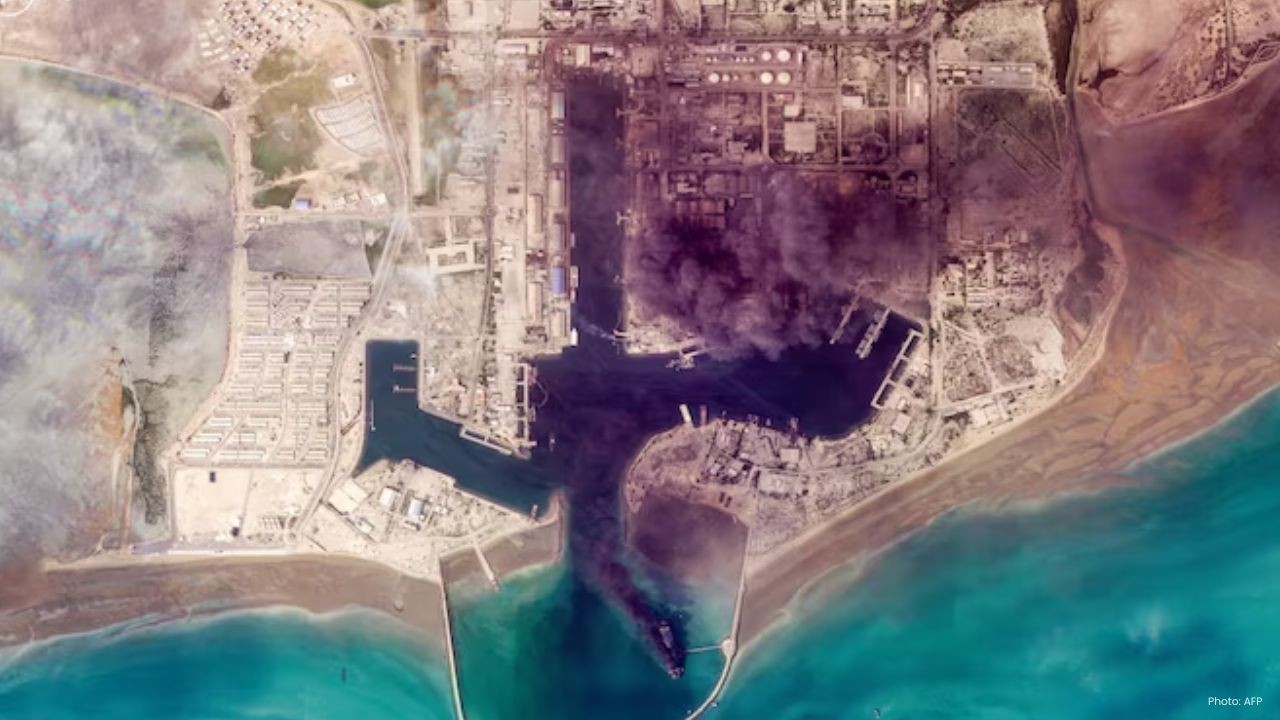
Asia Faces Energy Shock After Iran Closes Strait
Iran shuts Strait of Hormuz amid US-Israel strikes, sending oil prices higher and raising serious en


Bank of Baroda Faces Abu Dhabi Legal Battle over NMC Collapse
Bank of Baroda’s involvement in Abu Dhabi litigation tied to the NMC Healthcare collapse raises repu

Top Museum Openings of 2026 Set to Transform Global Tourism
From Los Angeles to Abu Dhabi and Brussels, 2026 brings major museum launches—Lucas Museum, Guggenhe

UAE Tour Highlights UAE’s Strength in Hosting Global Sports Events
Abu Dhabi Sports Council says the successful UAE Tour reflects the UAE’s leading role in hosting maj

EU Seeks Clarity from US After Supreme Court IEEPA Ruling
European Commission urges full transparency from the US on steps after Supreme Court ruling, emphasi
SpaceX Launches 53 New Satellites for Expanding Starlink Network
SpaceX launches 53 Starlink satellites in two Falcon 9 missions, breaking reuse records and expandin

RTA Awards Contract for Phase II of Hessa Street Upgrade in Dubai
Phase II of Hessa Street Development to add bridges, tunnel, and upgraded intersections, doubling ca

UAE Gold Prices Today, Monday 16 February 2026: Dubai & Abu Dhabi Updated Rates
Gold prices in UAE on 16 Feb 2026 updated: 24K around AED 599.75/gm, 22K AED 555.25/gm, and 18K AED

Over 25 Ahmedabad Schools Receive Bomb Threat Email, Authorities Investigate
More than 25 schools in Ahmedabad evacuated after bomb threat emails mentioning Khalistan. Authoriti