Post by : Anis Karim
The unique nature of winter weather arises from low temperatures, decreased daylight, lengthy nights, and increased moisture at ground level. Cooling air behaves differently, impacting moisture retention and leading to the formation of condensation, icicles, and ice patches.
Fog, frost, and black ice all stem from similar meteorological phenomena—temperatures dropping close to or below freezing alongside moisture presence. Minor variances can determine if moisture takes the form of liquid water, ice, or remains as vapor.
Fog is created when the air near the ground cools sufficiently for water vapor to condense into small droplets, which hang in the air. These droplets scatter light, drastically reducing visibility, sometimes to mere meters.
In winter, fog often appears during the night or early morning due to rapid temperature drops post-sunset. Cold air retains less moisture, meaning even small humidity levels can trigger condensation.
Radiation fog, typical in winter, forms on calm, clear nights when heat escapes swiftly from the ground. As the ground cools, the air just above mirrors this drop, reaching dew point and condensing moisture.
Conversely, advection fog occurs when warm, moist air moves over a cold surface, like snow or ice, allowing condensation and creating extensive fog that can linger throughout the day, particularly in cold conditions.
Dense winter fog can be dangerous due to its prolonged nature; with less sunlight to warm surfaces, visibility is reduced, heightening the risk of accidents, especially on icy roads.
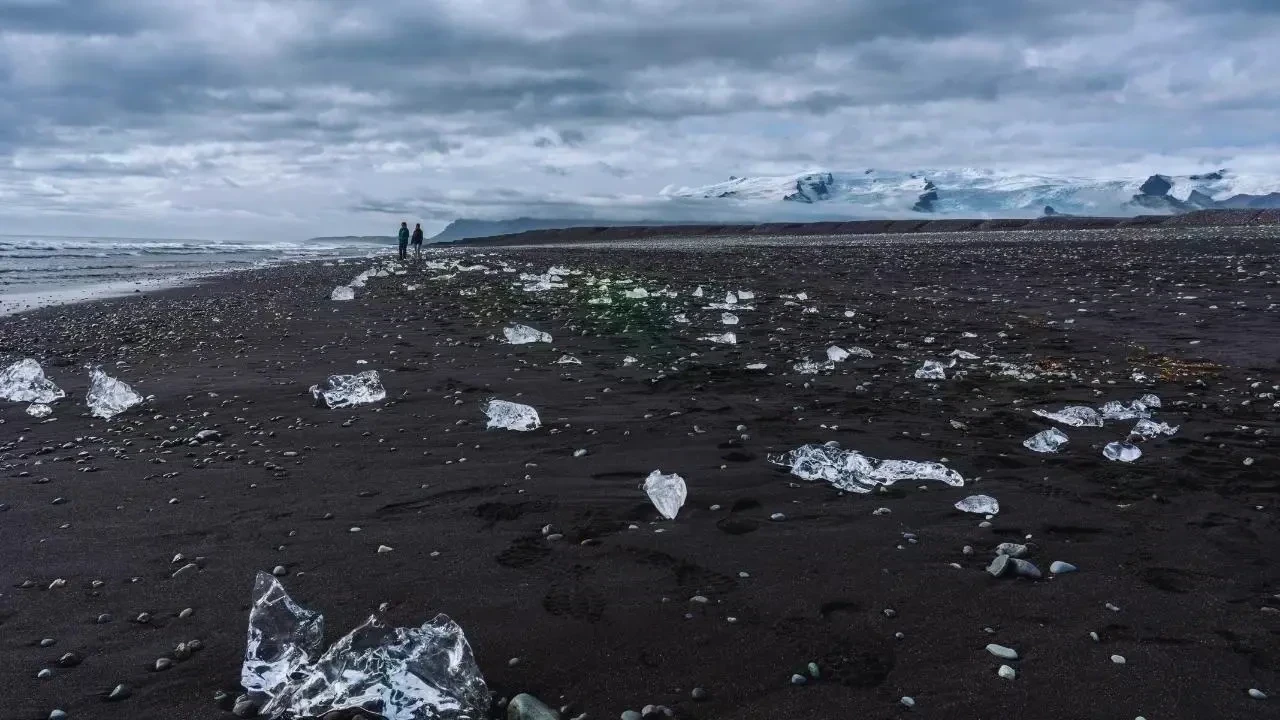
Frost occurs when temperatures dip below freezing, causing water vapor to transition directly into ice crystals on surfaces through a process termed deposition. This typically happens during clear, still nights when heat dissipates quickly.
Objects with less mass and those exposed to the elements cool more quickly than the surrounding air, making them prime candidates for frost accumulation. Grass, car windows, and rooftops frequently show frost due to rapid heat loss.
Hoarfrost: Delicate, feathery ice crystals on surfaces.
Ground Frost: Arises when near-surface temperatures drop below freezing.
Radiation Frost: Develops from quick heat loss during clear nights.
While each type is formed under different scenarios, they all share the same triggers: freezing temperatures and moisture content.
Black ice is a nearly invisible layer of ice that develops on roads and pavements, named for how its transparency allows the darker surface beneath to be seen. The lack of visible cues makes it perilous for drivers and pedestrians alike.
Black ice typically forms when temperatures are slightly below freezing and moisture freezes on contact with cold surfaces. This can occur due to:
Rain freezing on chilly roads
Melted snow refreezing at night
Condensation freezing during early dawn
Roads, bridges, and flyovers are especially at risk due to their rapid heat loss.
Bridges often freeze before roads because the cold air affects both their top and bottom. Areas that receive little sunlight remain icy longer, increasing the possibility of refreezing overnight.
Clear skies facilitate quick heat loss from the ground, and calm winds prevent warmer air from descending. This dynamic is crucial for creating fog and frost.
High humidity combined with near-freezing temperatures makes even minor temperature drops capable of triggering fog, frost, or black ice.
Rapid cooling post-sunset remains a significant trigger for winter weather issues. Roads moistened during the day can freeze quickly as temperatures drop.
Fog, frost, and black ice often arise from similar weather patterns: a cold, clear night with high humidity may cause fog in low areas, frost on exposed surfaces, and black ice on highways.
The simultaneous presence of these elements presents heightened dangers due to reduced visibility and slippery conditions.
Sunlight is key to dissipating winter hazards. Fog generally disperses as the ground warms; frost melts when temperatures rise, and black ice vanishes as surfaces heat. However, weak winter sunlight can prolong these hazards unexpectedly.
Cloudy conditions may inhibit warming during the day while also preventing drastic cooling at night, influencing the persistence or reduction of these hazards.
Grasping the formation of fog, frost, and black ice is vital for safer driving decisions. Recognizing high-risk times—such as pre-dawn and late at night—can mitigate accident risks.
Frost poses threats to crops, damages pipes, and overwhelms power systems. Black ice disrupts transit, while persistent fog hinders flights and road traffic. Awareness of these phenomena aids authorities in issuing prompt advisories.
Changing climate conditions have led to more frequent fluctuations in temperatures, increasing the chances of black ice as thawing snow refreezes multiple times.
Warmer winters may create conditions ripe for fog and ice instead of steady snowfall, complicating the prediction and management of winter hazards.
Fog, frost, and black ice might appear as minor winter phenomena, but they emerge from delicate interactions among temperature, moisture, and surfaces. Even small temperature shifts can result in drastically different road conditions.
By comprehending the causes of these winter challenges, individuals can prepare effectively, remain vigilant during peak danger times, and minimize the risks associated with seasonal cold. In chillier months, awareness is the strongest form of defense.
Disclaimer:
This article serves to inform about general weather patterns. Actual weather conditions can differ based on local climates and geographical factors. It is always advisable to heed official weather updates and safety recommendations.

US Stocks Slide as AI Fears, Inflation and Oil Surge Weigh
US stocks dropped as AI disruption fears hit tech firms, inflation rose above forecasts, and oil pri

Pacific Prime Wins Top Honors at Cigna Awards 2026
Pacific Prime secured Top Individual Broker and Top SME Broker awards at Cigna’s Annual Broker Award

QatarEnergy Halts LNG Output After Military Attack
QatarEnergy has stopped LNG production after military attacks hit its facilities in Ras Laffan and M
Strong 6.1 Magnitude Earthquake Hits West Sumatra, No Damage
A 6.1 earthquake struck off West Sumatra, Indonesia. No casualties, damage, or tsunami alert reporte
Saudi Confirms Drone Strike on US Embassy Riyadh
Two drones hit the US Embassy in Riyadh, causing a small fire and minor damage. No injuries were rep
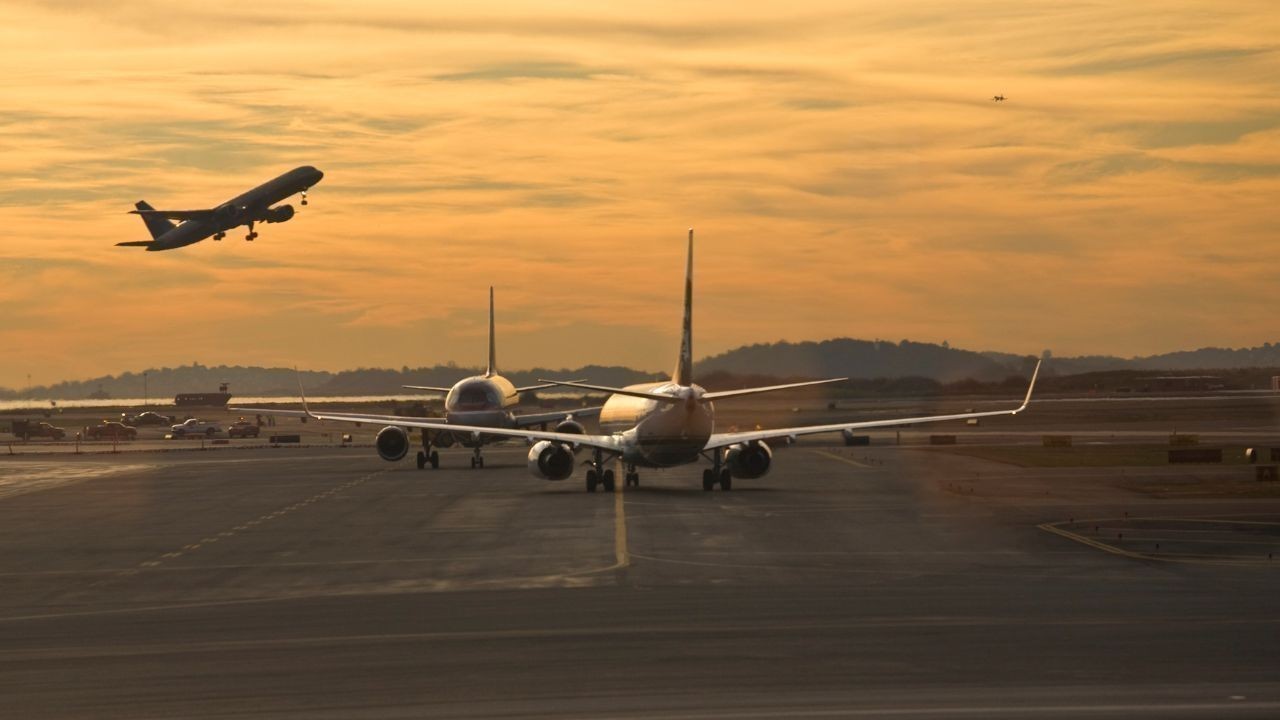
UAE Restarts Limited Flights as Regional Airspace Disruptions Continue
UAE restarts limited flights from Dubai as US-Israel attacks on Iran disrupt regional airspace, forc
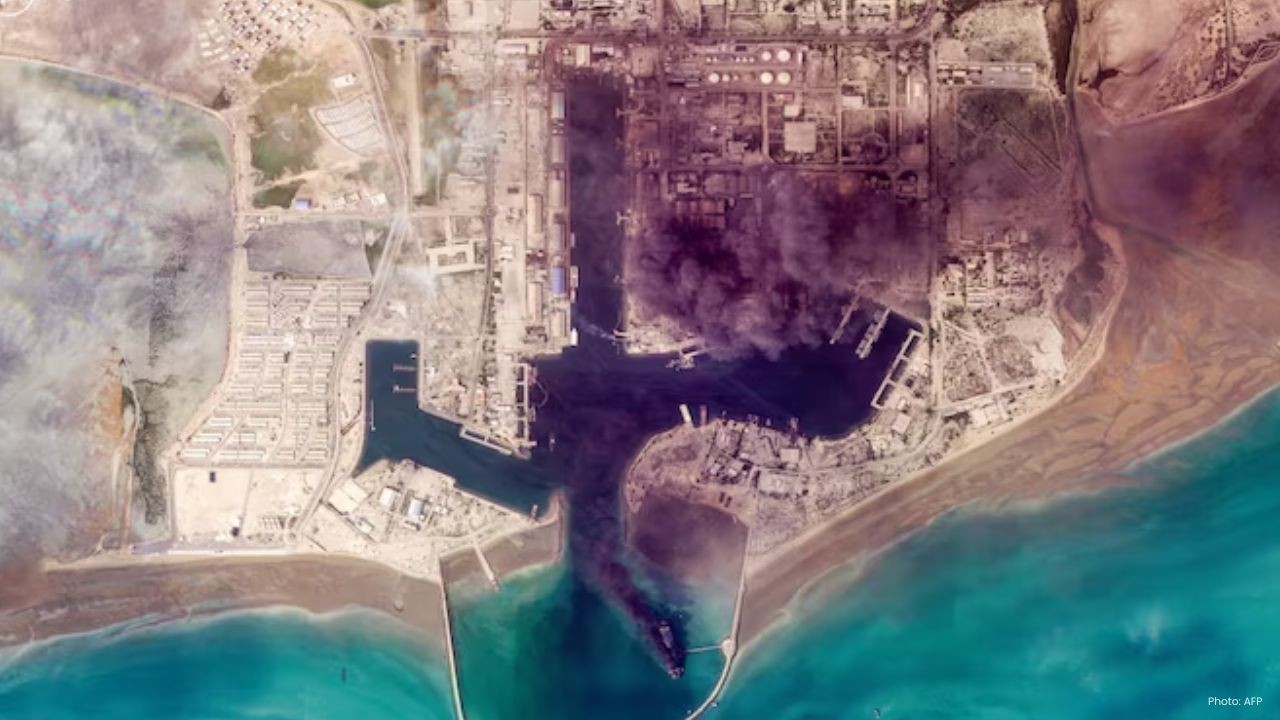
Asia Faces Energy Shock After Iran Closes Strait
Iran shuts Strait of Hormuz amid US-Israel strikes, sending oil prices higher and raising serious en


Bank of Baroda Faces Abu Dhabi Legal Battle over NMC Collapse
Bank of Baroda’s involvement in Abu Dhabi litigation tied to the NMC Healthcare collapse raises repu
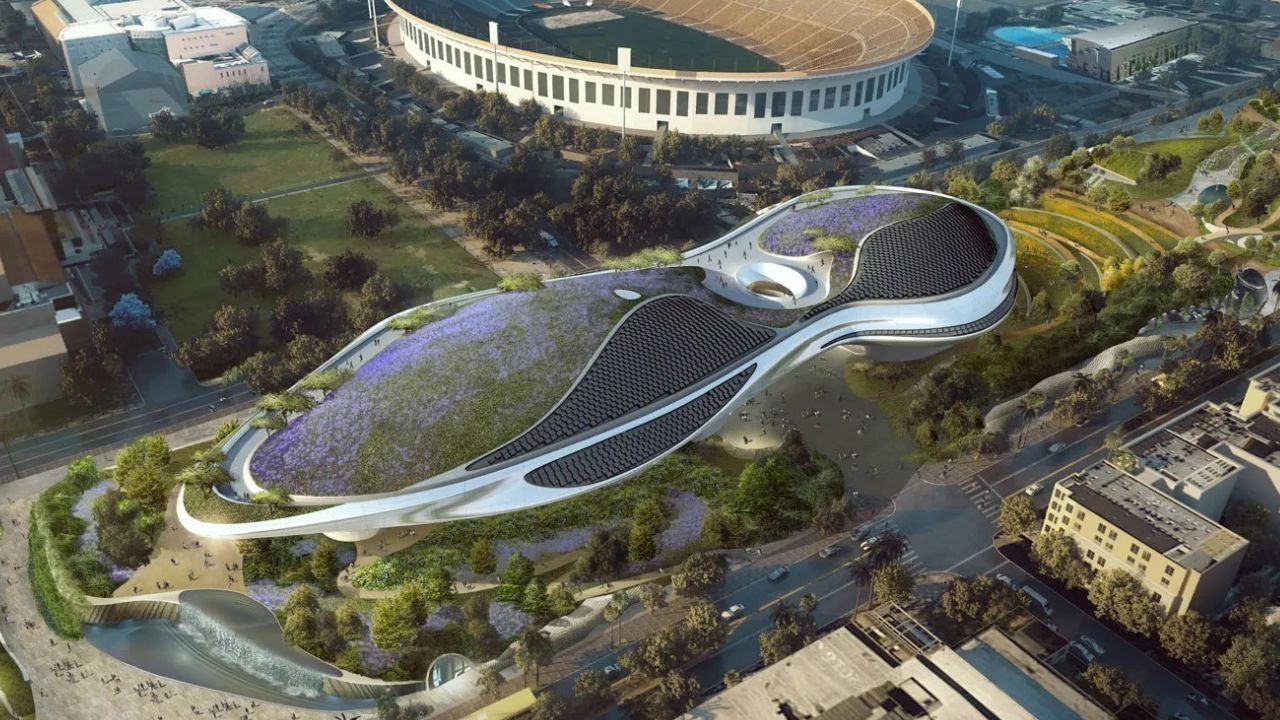
Top Museum Openings of 2026 Set to Transform Global Tourism
From Los Angeles to Abu Dhabi and Brussels, 2026 brings major museum launches—Lucas Museum, Guggenhe

UAE Tour Highlights UAE’s Strength in Hosting Global Sports Events
Abu Dhabi Sports Council says the successful UAE Tour reflects the UAE’s leading role in hosting maj
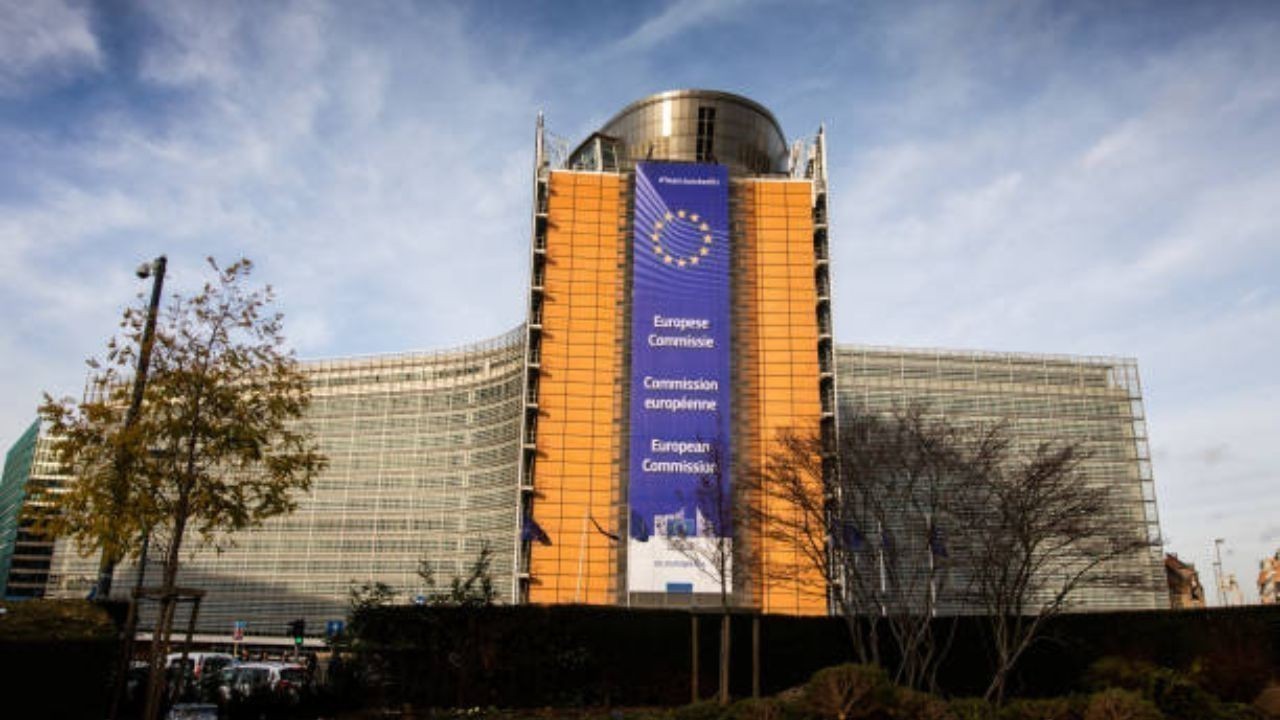
EU Seeks Clarity from US After Supreme Court IEEPA Ruling
European Commission urges full transparency from the US on steps after Supreme Court ruling, emphasi
SpaceX Launches 53 New Satellites for Expanding Starlink Network
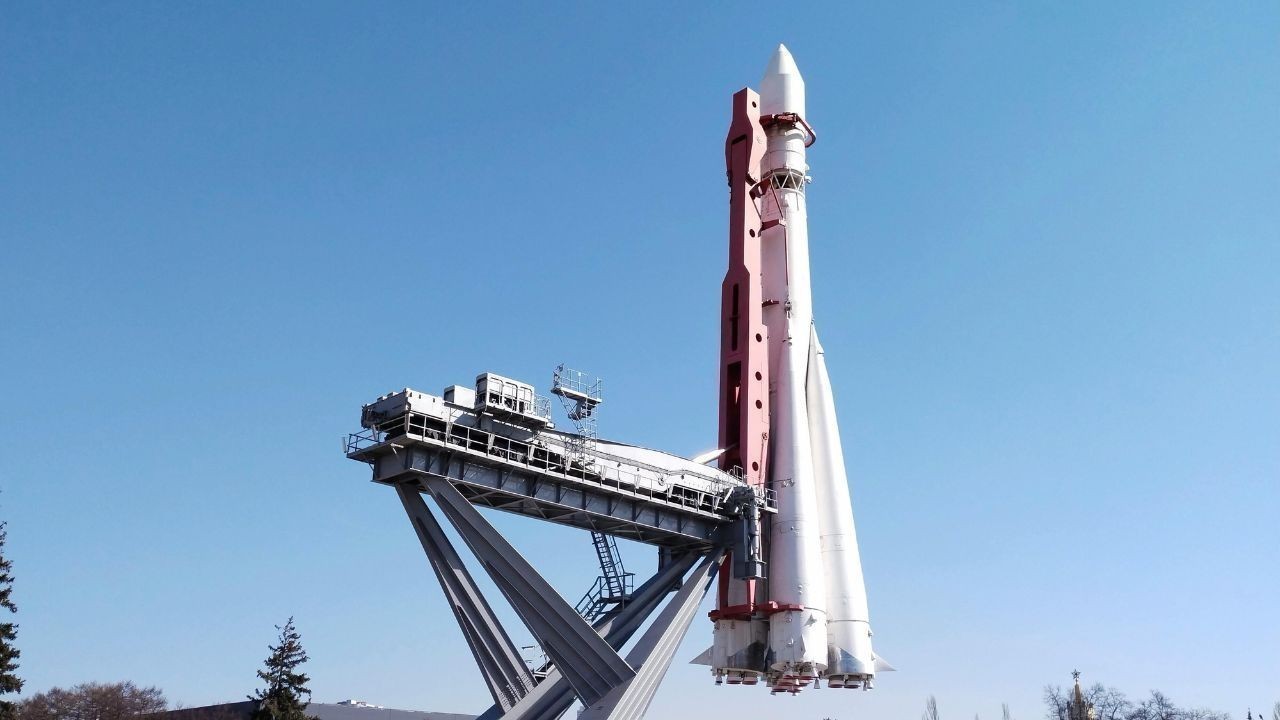
SpaceX launches 53 Starlink satellites in two Falcon 9 missions, breaking reuse records and expandin
RTA Awards Contract for Phase II of Hessa Street Upgrade in Dubai
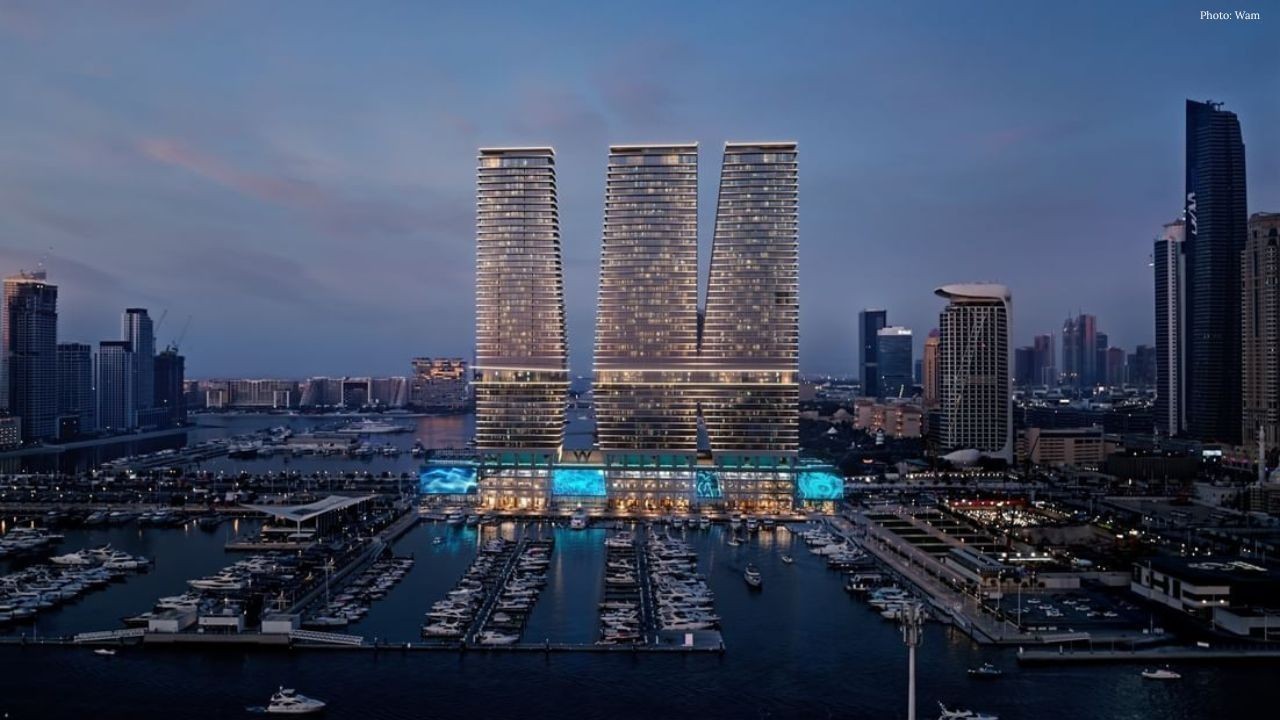
Phase II of Hessa Street Development to add bridges, tunnel, and upgraded intersections, doubling ca

UAE Gold Prices Today, Monday 16 February 2026: Dubai & Abu Dhabi Updated Rates
Gold prices in UAE on 16 Feb 2026 updated: 24K around AED 599.75/gm, 22K AED 555.25/gm, and 18K AED
Over 25 Ahmedabad Schools Receive Bomb Threat Email, Authorities Investigate
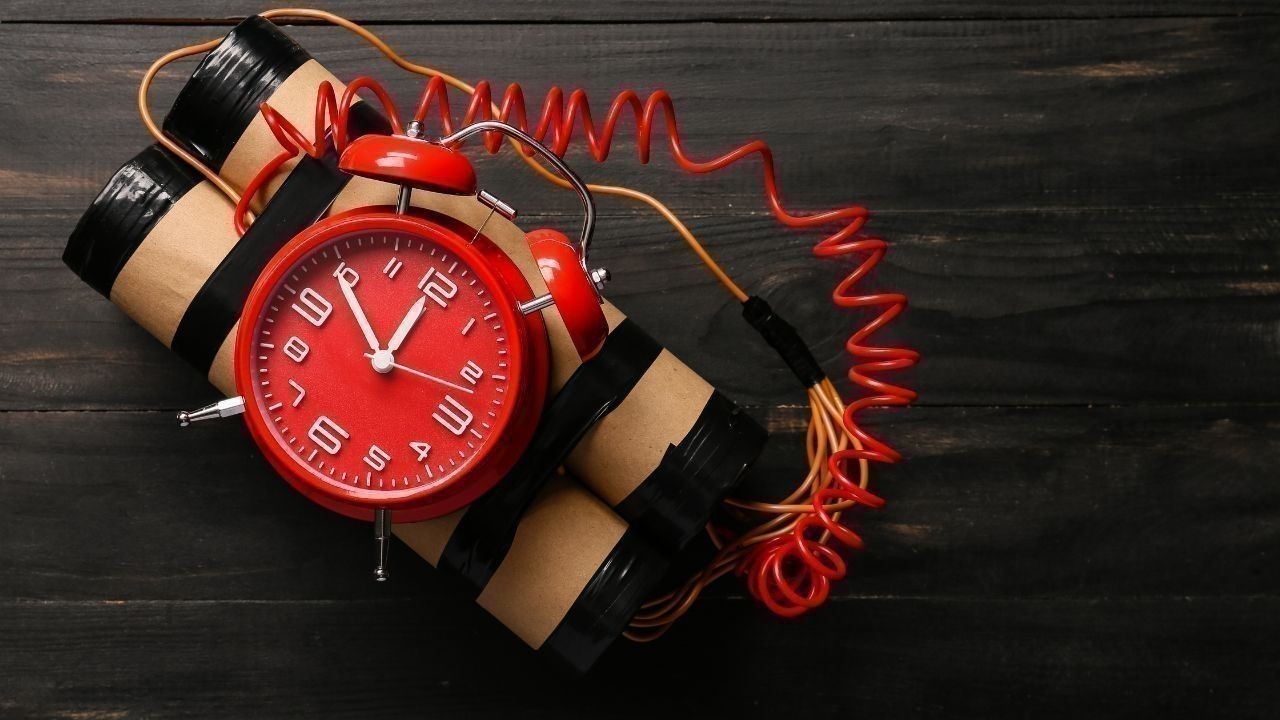
More than 25 schools in Ahmedabad evacuated after bomb threat emails mentioning Khalistan. Authoriti