
Post by : Sam Jeet Rahman
Financial stability in today’s economy is no longer defined only by how much money a person earns each month. Rising living costs, uncertain job markets, lifestyle inflation and frequent economic shifts have changed the meaning completely. True financial stability now reflects how well someone can manage income, expenses, savings and unexpected shocks without constant stress. A high salary without savings or planning does not guarantee stability, while moderate income with discipline often provides better security.
Many people feel financially insecure despite working full-time or earning more than previous generations. Several modern realities contribute to this situation.
• Inflation steadily reduces purchasing power
• Housing, healthcare and education costs rise faster than salaries
• Credit availability encourages overspending
• Job roles change faster due to automation and digital shifts
• Lifestyle expectations are shaped by social media
These factors mean financial stability requires more active management than ever before.
Financial stability rests on a few key foundations that work together. Ignoring even one can create long-term imbalance.
Stable income does not always mean a permanent job, but it does mean predictability. Freelancers and business owners can also be financially stable if their earnings are diversified and planned.
Key indicators include consistent monthly inflow, multiple income sources where possible, and skills that remain relevant in changing markets.
Spending habits reveal more about financial health than income levels. Financially stable individuals usually know where their money goes.
• Fixed expenses are kept within limits
• Lifestyle upgrades are planned, not impulsive
• Wants are separated from needs
• Monthly budgets are realistic and flexible
Controlled spending creates space for savings and reduces dependence on credit.
One of the strongest signs of financial stability is the ability to handle emergencies without borrowing. Medical expenses, job loss or urgent repairs are part of life.
A healthy emergency fund usually covers three to six months of essential expenses. It protects long-term savings and prevents debt during stressful times.
Debt itself is not always harmful, but unmanaged debt destroys stability. Financially stable individuals use debt carefully.
• Credit cards are paid in full or kept minimal
• Loans are taken only when repayment is comfortable
• EMIs do not dominate monthly income
• High-interest debt is avoided or cleared early
Debt should support growth or convenience, not lifestyle pressure.
Stability is not just about surviving the present but preparing for the future.
• Retirement planning starts early, even with small amounts
• Insurance is used for protection, not investment hype
• Financial goals are reviewed annually
• Inflation is considered in future planning
People who plan long term feel less anxious about short-term market changes.
Financial stability is also emotional. It brings peace of mind, better sleep and clearer decision-making. When money worries reduce, people make healthier life choices.
Signs of emotional financial stability include confidence during unexpected expenses, reduced comparison with others, and the ability to say no to financial pressure.
Many confuse wealth with stability. Wealth focuses on accumulation, while stability focuses on balance.
• Wealth without planning can disappear quickly
• Stability focuses on sustainability, not display
• Stable finances allow steady growth over time
A financially stable person may not look rich but is often better protected against economic shocks.
Digital payments, instant credit and online shopping have made spending effortless. While convenient, they reduce awareness of money flow.
• Subscription creep silently increases expenses
• Buy-now-pay-later creates hidden debt
• Online influence fuels lifestyle comparison
Financial stability today requires conscious digital spending habits and regular financial reviews.
Building stability is gradual and practical rather than dramatic.
• Track income and expenses honestly
• Create a simple monthly budget
• Build emergency savings consistently
• Reduce unnecessary debt
• Upskill to protect income potential
• Review financial goals yearly
Small consistent actions create stronger results than sudden aggressive plans.
In uncertain economic conditions, financial stability offers freedom. Freedom to change jobs, handle health needs, support family, and make decisions without fear. It reduces dependence on loans and external help. Most importantly, it gives individuals control over their lives rather than reacting constantly to financial stress.
Financial stability in today’s economy is about preparedness, balance and awareness rather than just earning more money. Those who understand cash flow, manage expenses, plan for emergencies and think long term are better positioned to handle economic changes calmly. Stability is not built overnight, but with consistent habits, it becomes one of the most valuable forms of security a person can achieve.
This article is for informational purposes only and does not constitute financial advice. Individual financial situations vary, and readers should consider personal circumstances or consult a qualified professional before making financial decisions.

US Stocks Slide as AI Fears, Inflation and Oil Surge Weigh
US stocks dropped as AI disruption fears hit tech firms, inflation rose above forecasts, and oil pri

Pacific Prime Wins Top Honors at Cigna Awards 2026
Pacific Prime secured Top Individual Broker and Top SME Broker awards at Cigna’s Annual Broker Award
QatarEnergy Halts LNG Output After Military Attack
QatarEnergy has stopped LNG production after military attacks hit its facilities in Ras Laffan and M
Strong 6.1 Magnitude Earthquake Hits West Sumatra, No Damage
A 6.1 earthquake struck off West Sumatra, Indonesia. No casualties, damage, or tsunami alert reporte

Saudi Confirms Drone Strike on US Embassy Riyadh
Two drones hit the US Embassy in Riyadh, causing a small fire and minor damage. No injuries were rep

UAE Restarts Limited Flights as Regional Airspace Disruptions Continue
UAE restarts limited flights from Dubai as US-Israel attacks on Iran disrupt regional airspace, forc
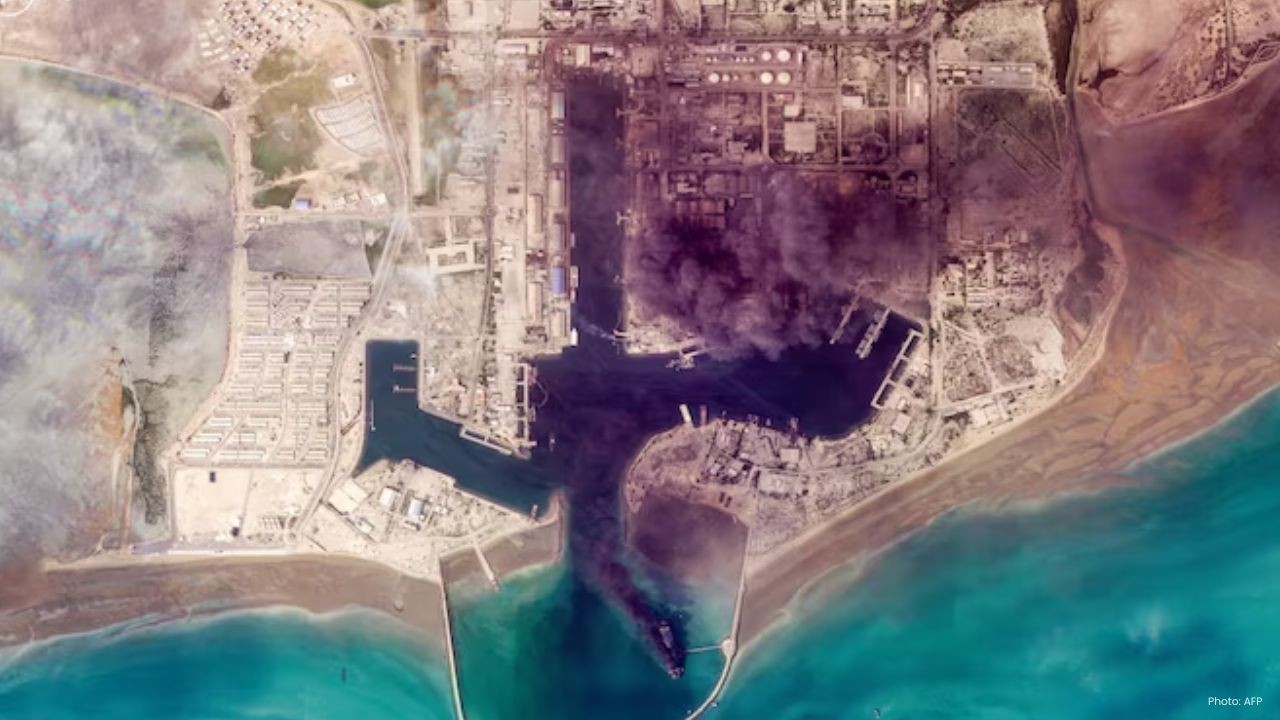
Asia Faces Energy Shock After Iran Closes Strait
Iran shuts Strait of Hormuz amid US-Israel strikes, sending oil prices higher and raising serious en


Bank of Baroda Faces Abu Dhabi Legal Battle over NMC Collapse
Bank of Baroda’s involvement in Abu Dhabi litigation tied to the NMC Healthcare collapse raises repu

Top Museum Openings of 2026 Set to Transform Global Tourism
From Los Angeles to Abu Dhabi and Brussels, 2026 brings major museum launches—Lucas Museum, Guggenhe

UAE Tour Highlights UAE’s Strength in Hosting Global Sports Events
Abu Dhabi Sports Council says the successful UAE Tour reflects the UAE’s leading role in hosting maj

EU Seeks Clarity from US After Supreme Court IEEPA Ruling
European Commission urges full transparency from the US on steps after Supreme Court ruling, emphasi

SpaceX Launches 53 New Satellites for Expanding Starlink Network
SpaceX launches 53 Starlink satellites in two Falcon 9 missions, breaking reuse records and expandin

RTA Awards Contract for Phase II of Hessa Street Upgrade in Dubai
Phase II of Hessa Street Development to add bridges, tunnel, and upgraded intersections, doubling ca

UAE Gold Prices Today, Monday 16 February 2026: Dubai & Abu Dhabi Updated Rates
Gold prices in UAE on 16 Feb 2026 updated: 24K around AED 599.75/gm, 22K AED 555.25/gm, and 18K AED

Over 25 Ahmedabad Schools Receive Bomb Threat Email, Authorities Investigate
More than 25 schools in Ahmedabad evacuated after bomb threat emails mentioning Khalistan. Authoriti