Post by : Anis Karim
Seasonal allergies are always challenging, but this week they’ve become particularly troublesome across several regions. Changing temperatures, early-morning chill, dry winds, increased dust movement, and sudden dips in air quality are combining to aggravate symptoms. Even those who don’t usually experience allergies are reporting throat irritation, eye discomfort and nasal dryness.
Pollution patterns are shifting rapidly: some days begin with moderate air quality, only to deteriorate by evening. Wind direction changes are carrying pollen, spores and fine dust farther than usual. Many cities are seeing alternating days of clear skies followed by high particulate matter. These inconsistent patterns confuse the body’s response system and make allergy control harder.
In this environment, it’s important to understand not just what’s causing the problem, but what practical measures can lessen the effects. Below are the most effective recommendations shared by specialists, fitness coaches, wellness professionals and people managing allergies daily.
Pollution and allergies are separate issues, but together they create a double impact on the respiratory system. Typical seasonal allergies are triggered by pollen, dust, mould spores and pet dander. Pollution adds a layer of irritants: particulate matter, smoke, industrial emissions and traffic fumes.
Pollution weakens the mucosal lining of the nose and throat.
It increases inflammation, making allergic reactions stronger.
Dust and pollen particles cling to airborne pollutants, becoming more aggressive triggers.
The immune system becomes overactive, leading to excessive sneezing and congestion.
For someone already sensitive to allergens, this combination feels like the body is under constant attack. The key is to support the body’s defence system while reducing exposure.
Most people assume outdoor air is the only problem, but indoor pollution is equally concerning. Closed spaces trap dust, airborne toxins, fumes from cooking, and even pollen carried in on clothes.
1. Ventilate during cleaner hours
Open windows in the early afternoon when pollution tends to dip. Avoid mornings and late evenings, when particulate levels spike.
2. Use air purifiers strategically
Place purifiers in bedrooms and living rooms. Choose filters that capture fine particles and allergens. Running them an hour before bedtime improves breathing comfort.
3. Reduce indoor dust
Dust soft furnishings, clean fans, wipe shelves, and vacuum carpets at least twice a week. Consider using microfiber cloths that absorb fine dust better.
4. Keep shoes outside
Shoes carry pollen, soil, spores and fine dust that worsen allergies when brought inside.
5. Control humidity
High humidity encourages mould, while very low humidity irritates sinuses. Aim for a balanced indoor environment.
With fluctuating pollution levels, small indoor adjustments have a big impact on daily comfort. Clean air indoors becomes a controlled breathing zone.
Your nose is the first line of defence. When irritants enter the nasal passages, inflammation begins almost instantly.
1. Use saline rinses regularly
Saline wash cleans out pollen, dust and pollutants that accumulate during the day. It also keeps the nasal lining moist.
2. Apply a thin layer of nasal barrier ointment
A light layer around the nostrils traps particles before they enter deeper airways.
3. Hydrate nasal passages
Dry nasal membranes crack easily, leading to more irritation. Use saline sprays or steam inhalation to keep them moisturised.
4. Avoid overusing decongestant sprays
These provide relief but can cause rebound congestion if used frequently.
Dry winds and dust movement are high right now. Nasal cleansing and hydration reduce inflammation and help prevent triggers from sticking.
Seasonal allergies worsen at specific times of day depending on pollen and pollution movement. This week, both have been unpredictable, but patterns still exist.
Early mornings: pollen release is high
Late evenings: pollution rises due to traffic and temperature dips
After windy spells: dust and particulate matter linger in the air
Late mornings
Early afternoons
Right after light rain
1. Exercise indoors
Outdoor workouts increase inhalation of allergens. Indoor alternatives reduce exposure while maintaining fitness.
2. Shower after returning home
It removes pollen and particulate matter from hair and skin, preventing further irritation.
3. Change clothes immediately
This stops pollen and dust from spreading indoors.
Rapid shifts in air quality this week require flexible routines. Timing your activities correctly can reduce exposure significantly.
Seasonal allergies hit harder when the body is run down. Immunity plays a central role in how intensely symptoms appear.
1. Increase warm fluids
Hot soups, herbal teas and warm water soothe the throat and help clear mucus.
2. Focus on anti-inflammatory foods
Include turmeric, ginger, citrus fruits, berries, nuts, seeds and leafy greens.
3. Add natural decongestants
Garlic, black pepper, tulsi, honey and cinnamon support respiratory comfort.
4. Avoid foods that worsen inflammation
Reduce processed foods, excessive sugar and deep-fried snacks during allergy-prone weeks.
Ensure 7–8 hours of sleep
Reduce stress
Stay hydrated
Maintain light daily stretching
Pollution spikes weaken the body’s defences. A focus on internal strength reduces the severity of allergic reactions.
Seasonal allergies affect more than the nose. Pollution and allergens irritate the eyes and skin as well.
1. Use lubricating eye drops
They wash out irritants and reduce redness.
2. Avoid rubbing eyes
It worsens inflammation and spreads allergens.
3. Wear glasses outdoors
Glasses act as shields against dust and pollen.
1. Cleanse face after returning indoors
This removes settled pollutants.
2. Moisturise well
Dry skin reacts more aggressively to irritants.
3. Use gentle products
Fragrance-heavy creams may worsen sensitivity.
Air dryness and dust are currently high. Skin and eyes need extra protection to stay comfortable.
Creating an allergy-friendly home environment is key as pollution shifts day to day.
1. Wash bed linens weekly
Sheets trap pollen and dust easily.
2. Swap heavy curtains for washable ones
Thick fabrics hold allergens.
3. Clean fans and AC filters
Dirty filters blow allergens around the room.
4. Use closed cupboards for clothing
Open shelves collect fine dust.
5. Minimise clutter
Fewer objects mean fewer surfaces for allergens to rest on.
Pollution particles are extra fine during seasonal shifts and settle indoors quickly.
Not every outing can be avoided, so simple protection goes a long way.
1. Use a mask on high-pollution days
Even light masks help block dust and pollen.
2. Wear long sleeves if dust is high
This prevents skin irritation and reduces rashes.
3. Choose closed shoes
Open footwear brings in dust, worsening symptoms indoors.
Air fluctuations mean sudden dust surges. Basic gear reduces exposure.
Tracking helps you anticipate when symptoms worsen and identify which triggers affect you the most.
Note time of day symptoms rise
Observe whether pollution spikes align with flare-ups
Track foods that worsen congestion
Record sleep quality
Monitor whether wind or temperature changes trigger irritation
This week, many people report symptoms intensifying after dry windy afternoons, which correlates with dust movement. Simple tracking allows better planning.
Hydration is often overlooked but it directly affects allergy severity. Moist mucous membranes trap irritants more effectively.
Drink warm water frequently
Add lemon for vitamin C
Avoid excessive caffeine
Include high-water foods like oranges, cucumbers and melons
This week’s dry air makes hydration especially crucial.
Residents in several cities mention:
Waking up congested
Needing more saline rinses
Feeling throat dryness
Experiencing eye watering during morning commutes
Noticing increased fatigue
People also report that evening pollution spikes are hitting harder than morning ones this week. As a result, more individuals are shifting their routines—running errands earlier, exercising indoors, and increasing fluid intake.
This behavioural adjustment plays a big part in controlling symptoms.
Below is a practical, easy-to-follow plan for this week based on the top recommendations:
Rinse nose with saline
Drink warm water with a natural decongestant
Check air quality before leaving home
Step out only after mid-morning if possible
Ventilate your home during cleaner hours
Hydrate well
Eat a balanced, anti-inflammatory lunch
Keep indoor plants dust-free
Shower immediately after returning
Change clothes
Use an air purifier for a few hours
Eat light dinner to avoid mucus buildup
Keep bedroom dust-free
Use a humidifier if air is too dry
Apply nasal hydration spray
Sleep early for immune support
This structured approach helps reduce exposure throughout the day.
Seasonal allergies during shifting pollution patterns can feel relentless, but they can be managed with a combination of protection, routine and awareness. This week’s conditions—characterised by fluctuating air quality, dry winds and increased dust—require conscious adjustments in daily habits.
By maintaining clean indoor air, caring for nasal and skin health, monitoring schedules based on air patterns, strengthening immunity, and using simple protective measures outdoors, most people can significantly reduce the discomfort of allergies.
While pollution cannot be controlled individually, your response to it can. With small, consistent steps, the body adapts better, symptoms reduce, and daily life becomes far more comfortable.
This article provides general recommendations based on typical allergy triggers and pollution patterns. It is not medical advice. Individuals with persistent or severe symptoms should consult a qualified healthcare professional for personalised care.

US Stocks Slide as AI Fears, Inflation and Oil Surge Weigh
US stocks dropped as AI disruption fears hit tech firms, inflation rose above forecasts, and oil pri

Pacific Prime Wins Top Honors at Cigna Awards 2026
Pacific Prime secured Top Individual Broker and Top SME Broker awards at Cigna’s Annual Broker Award

QatarEnergy Halts LNG Output After Military Attack
QatarEnergy has stopped LNG production after military attacks hit its facilities in Ras Laffan and M
Strong 6.1 Magnitude Earthquake Hits West Sumatra, No Damage
A 6.1 earthquake struck off West Sumatra, Indonesia. No casualties, damage, or tsunami alert reporte

Saudi Confirms Drone Strike on US Embassy Riyadh
Two drones hit the US Embassy in Riyadh, causing a small fire and minor damage. No injuries were rep

UAE Restarts Limited Flights as Regional Airspace Disruptions Continue
UAE restarts limited flights from Dubai as US-Israel attacks on Iran disrupt regional airspace, forc
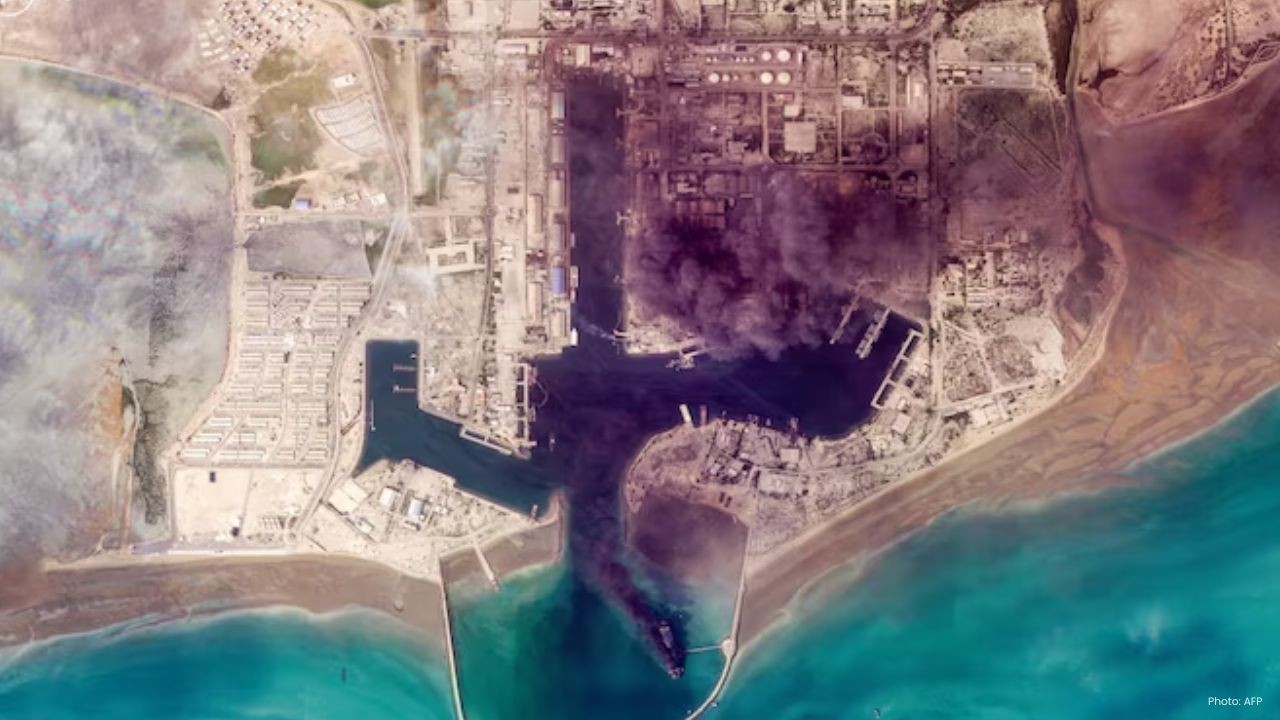
Asia Faces Energy Shock After Iran Closes Strait
Iran shuts Strait of Hormuz amid US-Israel strikes, sending oil prices higher and raising serious en


Bank of Baroda Faces Abu Dhabi Legal Battle over NMC Collapse
Bank of Baroda’s involvement in Abu Dhabi litigation tied to the NMC Healthcare collapse raises repu

Top Museum Openings of 2026 Set to Transform Global Tourism
From Los Angeles to Abu Dhabi and Brussels, 2026 brings major museum launches—Lucas Museum, Guggenhe

UAE Tour Highlights UAE’s Strength in Hosting Global Sports Events
Abu Dhabi Sports Council says the successful UAE Tour reflects the UAE’s leading role in hosting maj

EU Seeks Clarity from US After Supreme Court IEEPA Ruling
European Commission urges full transparency from the US on steps after Supreme Court ruling, emphasi

SpaceX Launches 53 New Satellites for Expanding Starlink Network
SpaceX launches 53 Starlink satellites in two Falcon 9 missions, breaking reuse records and expandin

RTA Awards Contract for Phase II of Hessa Street Upgrade in Dubai
Phase II of Hessa Street Development to add bridges, tunnel, and upgraded intersections, doubling ca

UAE Gold Prices Today, Monday 16 February 2026: Dubai & Abu Dhabi Updated Rates
Gold prices in UAE on 16 Feb 2026 updated: 24K around AED 599.75/gm, 22K AED 555.25/gm, and 18K AED

Over 25 Ahmedabad Schools Receive Bomb Threat Email, Authorities Investigate
More than 25 schools in Ahmedabad evacuated after bomb threat emails mentioning Khalistan. Authoriti