Post by : Anis Karim
Once upon a time, the 9-to-5 routine was a universal rhythm—arrive at the office, clock out, and return home to personal life. It was a symbol of structure and stability. But the world has changed dramatically. The pandemic accelerated flexible work models, remote setups, and digital collaboration, showing people that productivity isn’t confined to a desk or a set timeframe.
The result? The traditional workday has dissolved into something more fluid. The “work-life balance” narrative has evolved into a “work-life blend,” where personal and professional spheres intertwine more seamlessly. For many, this blend isn’t a compromise—it’s freedom.
The shift from industrial-era efficiency to a knowledge-based economy has completely redefined what “work” means. Modern employees no longer measure success by hours spent but by outcomes achieved. Remote tools, cloud platforms, and digital communication have made it possible to collaborate from anywhere, anytime.
The rise of freelance culture, gig work, and hybrid employment has also challenged the 9-to-5 standard. People now value autonomy, flexibility, and purpose over rigid schedules. Work isn’t just something people do—it’s part of who they are, woven into their lifestyles rather than isolated from them.
This shift has blurred boundaries, but it’s also unlocked new forms of empowerment. The modern worker is as likely to send an email from a café as they are from an office. The concept of “where” and “when” work happens has become fluid.
Work-life balance implies separation—a clear line between office time and personal time. The new generation of professionals, however, prefers integration. They see their career and personal life as interconnected ecosystems that can coexist harmoniously.
A parent might attend a mid-morning school event and finish a presentation in the afternoon. An employee might work from a beach resort while staying connected through cloud software. The goal isn’t to escape work but to design a lifestyle that allows both professional success and personal fulfillment.
This mindset prioritizes well-being and flexibility. Instead of juggling competing priorities, people are learning to blend them meaningfully.
The remote revolution proved that the office isn’t the only place where great ideas are born. Companies once skeptical of remote work now recognize that productivity often increases when employees have autonomy.
Hybrid models—where teams split time between home and office—have become the sweet spot for many organizations. This balance enables focus-driven work at home while maintaining social interaction and team synergy in physical spaces.
For employees, hybrid work offers the best of both worlds: time saved on commuting, freedom to manage personal responsibilities, and the chance to recharge in familiar environments. The blend, rather than the boundary, defines success in this new model.
The work-life blend would be impossible without technology. Digital collaboration platforms, cloud storage, video conferencing, and AI-powered productivity tools have become the backbone of the modern workforce.
Teams across time zones now operate like well-oiled machines. Meetings can happen in pajamas. Documents are shared in seconds. Workflows that once required in-person presence now unfold seamlessly online.
However, technology also blurs the line between work and rest. Notifications, emails, and pings follow people everywhere. Conscious boundary-setting—muting notifications after hours or scheduling digital breaks—has become essential for mental well-being.
The real challenge now isn’t access to work; it’s knowing when to disconnect.
Flexibility has emerged as the ultimate job perk. People no longer see flexibility as a privilege but as a right—a measure of trust and respect from their employer.
The modern worker wants control over their time. They value outcomes over attendance and creativity over conformity. Flexibility allows individuals to align work with their natural rhythms—some thrive at dawn, others at midnight.
For working parents, caregivers, or people pursuing side projects, flexibility is not just a convenience—it’s empowerment. It allows individuals to shape their days around what matters most.
Employers embracing flexible schedules report higher job satisfaction, lower turnover, and increased engagement. The message is clear: freedom fuels productivity.
One of the most profound shifts in workplace culture has been the prioritization of mental health. The pandemic forced both companies and employees to reevaluate their definitions of success. Exhaustion was no longer a badge of honor—it was a warning sign.
The work-life blend supports mental wellness by giving people agency. The ability to pause, recharge, and adapt work to personal energy cycles has reduced burnout for many professionals. Employers are investing in well-being programs, therapy support, and mental health days to foster sustainable performance.
Still, the blurred boundaries between work and home can also create new pressures. Without clear “off” time, some employees find themselves always “on.” Conscious self-regulation—scheduling breaks, setting digital limits, and embracing downtime—is now a critical skill.
In the old world, productivity was visible—hours logged, meetings attended, office presence. In the blended world, productivity is invisible but measurable. It’s about creativity, results, and meaningful contribution.
Technology allows employers to track performance without micromanagement, enabling trust-based leadership. Employees are rewarded for innovation and initiative, not physical attendance.
The focus has shifted from “doing more” to “doing better.” This redefinition of productivity has made work more human-centered, emphasizing efficiency, well-being, and purpose over routine.
Companies that embrace the work-life blend are rethinking culture from the ground up. Offices are becoming collaboration hubs rather than mandatory workplaces. Leaders are fostering inclusion, empathy, and communication rather than hierarchy and rigidity.
The concept of “presence” is now emotional, not physical. A manager’s visibility is defined by their engagement, empathy, and accessibility—not by how often they’re seen in the office.
Progressive organizations understand that a flexible workforce is a loyal workforce. By supporting personal goals alongside professional ones, companies are creating communities rather than just workplaces.
While the benefits are clear, blending work and life isn’t without challenges. Constant connectivity can lead to overwork. Remote employees may feel isolated or undervalued. Boundaries between “work time” and “me time” can blur dangerously.
To overcome these challenges, both employees and organizations must practice intentionality. Setting clear expectations, respecting personal time, and prioritizing well-being are essential.
Leaders must also ensure that flexibility doesn’t translate into inequality—everyone, regardless of role or level, should have fair access to flexible arrangements.
Ultimately, balance requires discipline. The goal isn’t to merge work and life until they’re indistinguishable but to integrate them harmoniously.
The workforce today spans multiple generations, from Baby Boomers to Gen Z. Younger workers, especially millennials and Gen Z, have played a key role in challenging outdated norms.
They value experiences, freedom, and purpose more than traditional perks. They are digital natives who view work as part of life’s bigger picture—not a separate entity. Older generations are adapting, too, realizing that flexibility benefits everyone, not just the young.
This generational dialogue is reshaping workplaces into inclusive, adaptive ecosystems where individuality is respected.
Looking ahead, the work-life blend is here to stay. As AI and automation take over routine tasks, the human aspect of work—creativity, empathy, innovation—will grow even more important. Flexibility will evolve from an option to an expectation.
Offices may transform into creative studios or collaboration spaces. Workweeks could shorten as productivity tools make processes more efficient. People will prioritize meaning, wellness, and connection over paychecks alone.
The future of work isn’t about returning to old patterns—it’s about designing new ones that serve both human potential and business goals. The 9-to-5 might survive in name, but not in spirit.
The work-life blend marks a profound cultural evolution. It signifies that success is no longer measured by hours worked but by the quality of one’s contributions and happiness.
By embracing flexibility, technology, and empathy, society is moving toward a more balanced future—one where work supports life rather than consumes it.
The 9-to-5 system may have built the past century, but the next will belong to those who blend passion with purpose, time with freedom, and work with life.
This article is intended for general informational purposes only and does not constitute career or psychological advice. Readers should consider personal and professional circumstances before making lifestyle or employment decisions.

US Stocks Slide as AI Fears, Inflation and Oil Surge Weigh
US stocks dropped as AI disruption fears hit tech firms, inflation rose above forecasts, and oil pri

Pacific Prime Wins Top Honors at Cigna Awards 2026
Pacific Prime secured Top Individual Broker and Top SME Broker awards at Cigna’s Annual Broker Award
QatarEnergy Halts LNG Output After Military Attack
QatarEnergy has stopped LNG production after military attacks hit its facilities in Ras Laffan and M

Strong 6.1 Magnitude Earthquake Hits West Sumatra, No Damage
A 6.1 earthquake struck off West Sumatra, Indonesia. No casualties, damage, or tsunami alert reporte

Saudi Confirms Drone Strike on US Embassy Riyadh
Two drones hit the US Embassy in Riyadh, causing a small fire and minor damage. No injuries were rep
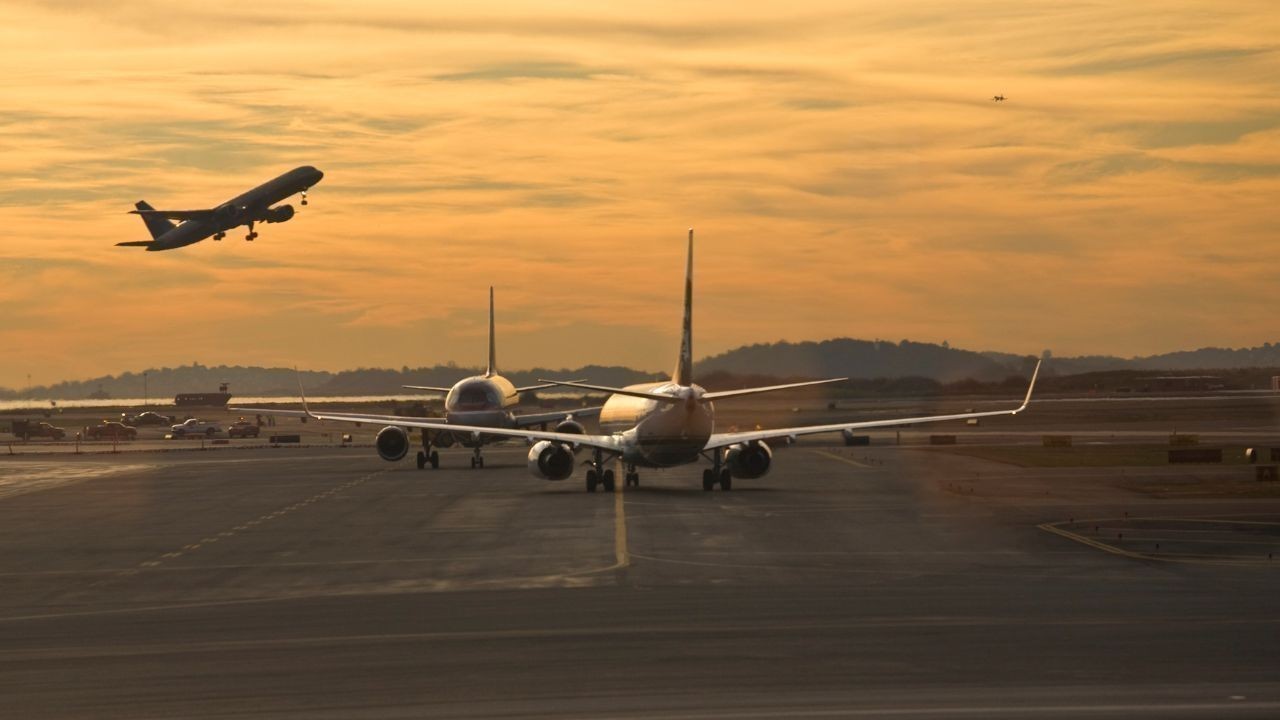
UAE Restarts Limited Flights as Regional Airspace Disruptions Continue
UAE restarts limited flights from Dubai as US-Israel attacks on Iran disrupt regional airspace, forc

Asia Faces Energy Shock After Iran Closes Strait
Iran shuts Strait of Hormuz amid US-Israel strikes, sending oil prices higher and raising serious en

Bank of Baroda Faces Abu Dhabi Legal Battle over NMC Collapse
Bank of Baroda’s involvement in Abu Dhabi litigation tied to the NMC Healthcare collapse raises repu
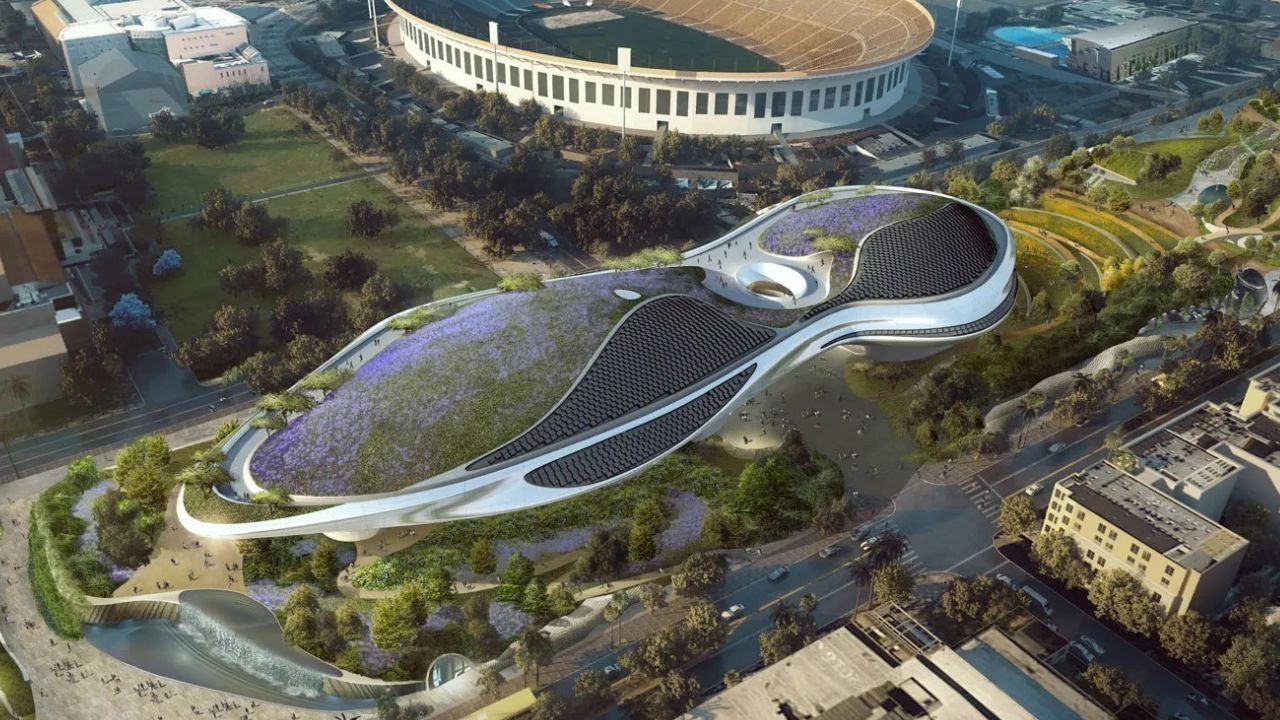
Top Museum Openings of 2026 Set to Transform Global Tourism
From Los Angeles to Abu Dhabi and Brussels, 2026 brings major museum launches—Lucas Museum, Guggenhe
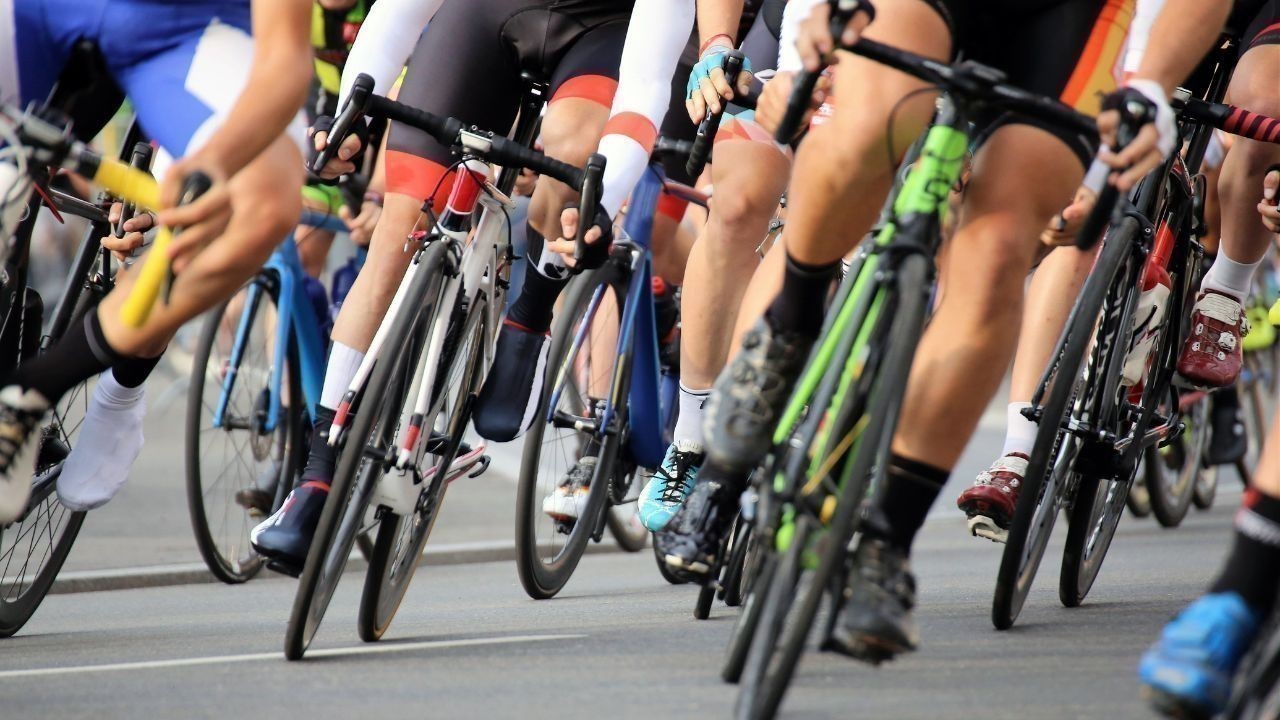
UAE Tour Highlights UAE’s Strength in Hosting Global Sports Events
Abu Dhabi Sports Council says the successful UAE Tour reflects the UAE’s leading role in hosting maj
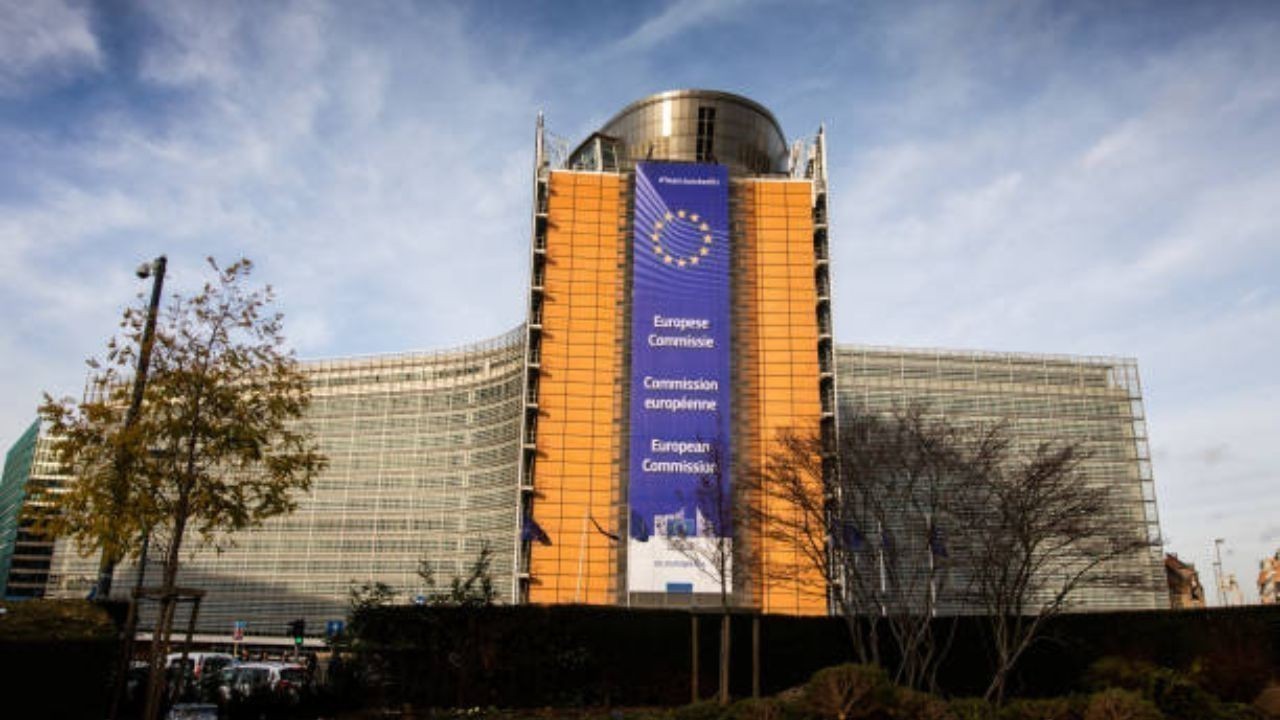
EU Seeks Clarity from US After Supreme Court IEEPA Ruling
European Commission urges full transparency from the US on steps after Supreme Court ruling, emphasi
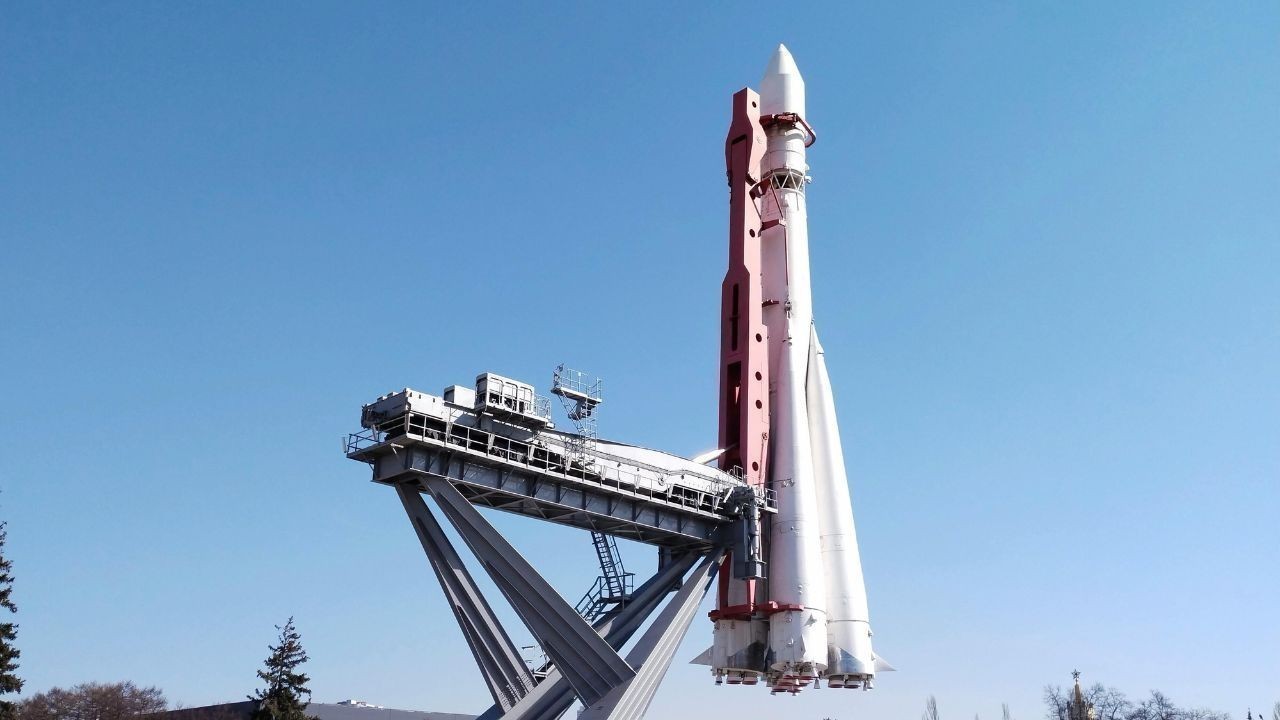
SpaceX Launches 53 New Satellites for Expanding Starlink Network
SpaceX launches 53 Starlink satellites in two Falcon 9 missions, breaking reuse records and expandin
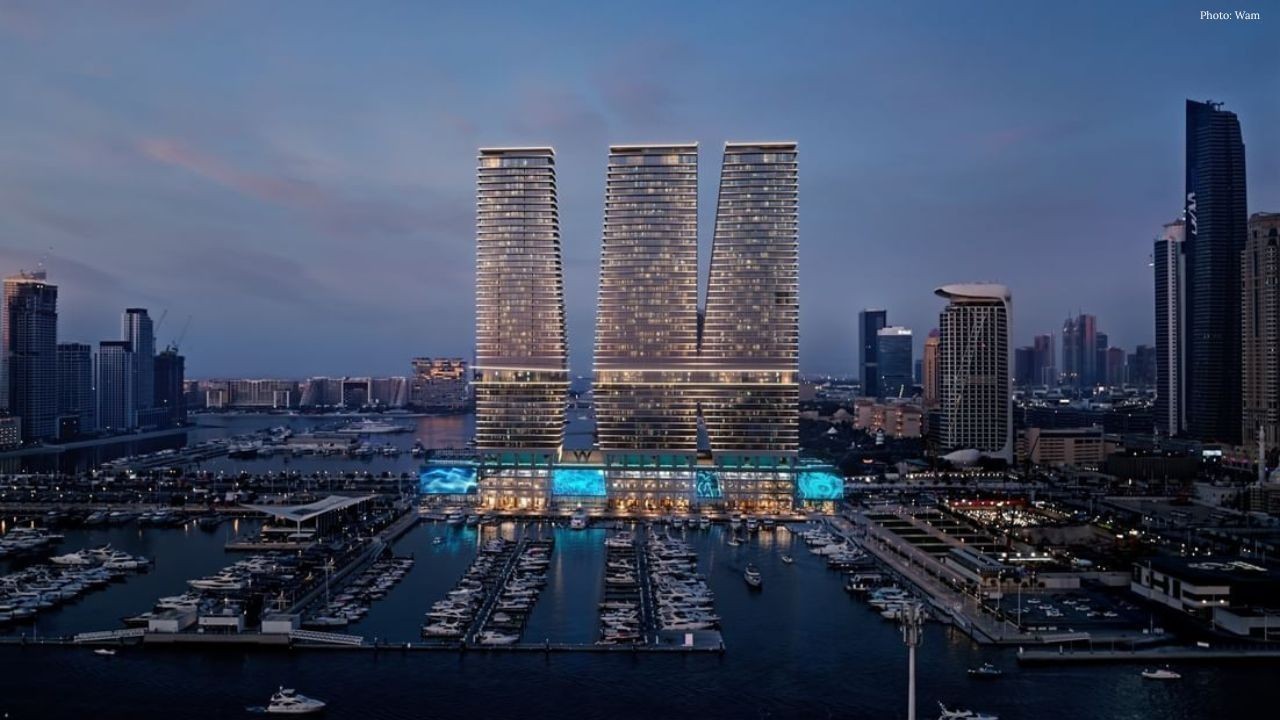
RTA Awards Contract for Phase II of Hessa Street Upgrade in Dubai
Phase II of Hessa Street Development to add bridges, tunnel, and upgraded intersections, doubling ca

UAE Gold Prices Today, Monday 16 February 2026: Dubai & Abu Dhabi Updated Rates
Gold prices in UAE on 16 Feb 2026 updated: 24K around AED 599.75/gm, 22K AED 555.25/gm, and 18K AED

Over 25 Ahmedabad Schools Receive Bomb Threat Email, Authorities Investigate
More than 25 schools in Ahmedabad evacuated after bomb threat emails mentioning Khalistan. Authoriti