Post by : Anis Karim
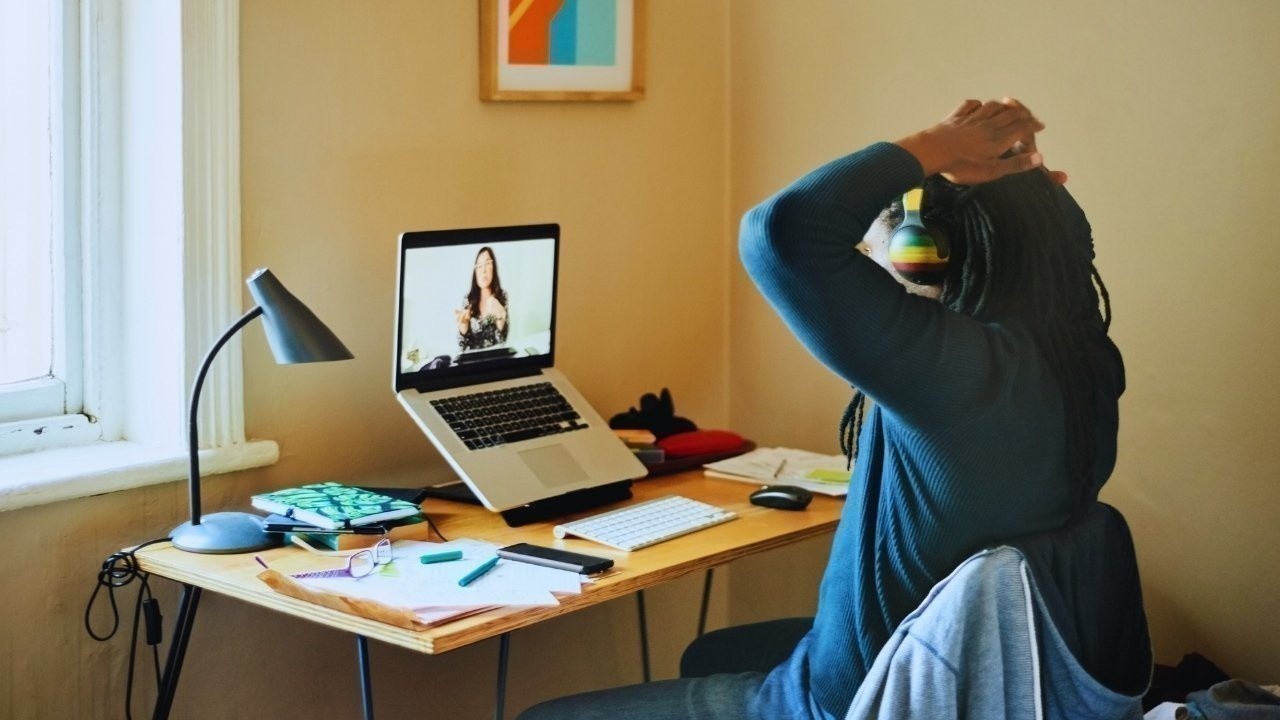
Over the past week, several cities and urban planners have revisited their hybrid work strategies, driven by shifting workforce expectations and the realisation that remote work, while convenient, comes with social challenges. As companies revise attendance policies and employees seek flexibility without sacrificing connection, cities are stepping in with solutions that support both productivity and community well-being.
The hybrid model is no longer an improvised response to disruption; it has become a long-term structure that millions depend on. But with that stability comes a new concern: how to maintain the social aspects of work—collaboration, camaraderie, informal learning—when teams are scattered across homes, cafés, neighbourhood work hubs, and offices. Municipal bodies, co-working networks, and employers have recognised this gap, leading to a series of new initiatives rolling out this month.
Hybrid routines are evolving from simple remote-plus-office schedules into well-designed systems that integrate social connection, mental balance, convenience, and accessibility. These redesigned routines aim to make work not only efficient but deeply human.
Remote work brought freedom, quieter environments, and hours saved on commuting, but it also quietly created a growing sense of isolation. Workers report fewer spontaneous conversations, limited networking exposure, and reduced opportunities to build authentic workplace relationships. Younger professionals, especially those early in their careers, often struggle without the mentorship they organically receive in physical spaces.
Cities have begun studying the emotional and social effects of long-term remote work, discovering patterns that show how loneliness and disengagement can hinder both personal and professional growth. Employers see this reflected in team morale, creativity dips, slower idea exchange, and miscommunication that accumulates over time.
The biggest concern, however, is the loss of community. Offices were once social hubs—places where friendships formed, problems were solved collaboratively, and team identity grew naturally. Without this, remote workers can feel disconnected from both colleagues and their larger urban environment.
In response to these concerns, several cities are experimenting with practical, people-centred hybrid solutions. While each region differs, the broader theme is the same: rebuild social engagement without compromising flexibility.
The most notable initiatives include:
Small, walkable workspaces are being set up across residential zones, designed for workers who don’t want a long commute but still need a social environment. These pods host a mix of workstations, breakout corners, and small community lounges where professionals can meet others from their area.
Cities are organising weekly networking hours in libraries, parks, and innovation centres, offering remote workers a low-pressure environment to interact. These gatherings encourage cross-industry exchanges that rarely happen in isolated home offices.
Urban councils are collaborating with companies to host workshops on communication, digital tools, creative thinking, and team collaboration. These sessions act as a bridge between social engagement and professional development.
To support occasional office visits, some cities have introduced part-time travel passes that suit hybrid workers who commute only two or three days a week. This makes office travel easier and reduces the financial strain associated with irregular transit use.
Workplaces are also adapting internal routines to match the social needs of employees. A popular model emerging this month focuses on “purpose-driven office days.” Instead of enforcing attendance for the sake of it, companies are asking teams to visit the office specifically for:
Brainstorming sessions
Skill-sharing meets
Project kickoffs
Team-bonding activities
Cross-department interactions
This approach removes the strain of mandatory, everyday presence and instead uses the office as a social productivity tool. Employees feel more connected without sacrificing autonomy.
Another major shift is “meeting-minimized days,” where remote days are intentionally kept quiet so that office days become richer with collaboration. This allows workers to enjoy deep focus at home while benefiting from active engagement at the workplace.
The newest hybrid routines being tested across various cities share three common traits: flexibility, intentionality, and social awareness. The following models have gained the most attention:
Three days working remotely, two days in a shared space—either the main office or a neighbourhood hub. The “two days” are often fixed to strengthen predictability and team coordination.
Teams divide work into “push phases” (remote, focus-heavy) and “pull phases” (office-based, collaborative). This model is popular among creative firms, tech companies, and marketing teams.
Cities encourage residents to work at designated local hubs one day per week to build neighbourhood connections. These hubs host social mixers, mentorship circles, and learning sessions.
Workers choose locations based on the nature of tasks rather than a fixed calendar. Deep-focus days happen at home; high-social days happen in office or co-working environments.
Contrary to the belief that socialising distracts workers, recent behavioural insights show that social connectedness helps maintain motivation, resilience, and creative flow. Hybrid routines that prioritise interaction often lead to:
Faster problem-solving
Stronger team alignment
Higher employee satisfaction
Better mental health indicators
Increased loyalty and lower turnover
More effective mentorship paths
When people physically meet—even occasionally—they build trust that carries over into digital communication. Simply put, hybrid work thrives when both solitude and social presence are intentionally balanced.
Remote work can blur boundaries, isolate individuals, and increase dependence on screens—factors that affect emotional health. Cities responding to this concern are building environments that reduce isolation and encourage organic human contact.
Neighbourhood work hubs, community lounges attached to co-working spaces, and weekly hybrid events give workers reasons to step out, meet others, and reset mentally. Interaction does not need to be formal to be meaningful. Even a brief coffee conversation or shared break can reduce stress.
Some cities have also introduced “digital detox zones” within co-working centres—calm spaces free of screens where workers can unwind. These initiatives recognise mental health as an essential component of hybrid success.
One unexpected insight from the latest hybrid experiments is the influence of family rhythms on work decisions. Remote workers who juggle household tasks, childcare, or elder care often adapt hybrid schedules to create smoother home routines.
Cities are acknowledging this by offering:
Child-friendly public workspaces
Family support desks for hybrid workers
Extended library hours for quiet work zones
Community childcare partnerships
These measures provide flexibility without isolating workers, especially parents and caregivers who need both independence and local support.
Many companies are now reshaping hybrid guidelines to make connection a natural part of the workweek. Popular approaches include:
Monthly in-person team lunches
Cross-team collaboration days
Learning circles hosted at community hubs
Coffee-hour meetups
Informal idea-sharing corners in offices
Mentorship meet-and-greet events
Well-being walks and outdoor meetings
These initiatives rely on authenticity rather than obligation, giving workers the freedom to participate without feeling forced or overloaded.
Local businesses have also adapted quickly to hybrid routines. Cafés, small eateries, and bookshops are upgrading spaces to attract workers seeking a change of environment. Many have added:
Quiet corners with charging ports
Sound-moderated lounges
Hourly workspace rentals
Healthy snack menus for professionals
Fast, stable Wi-Fi
Flexible seating arrangements
Public spaces like libraries, museums, and cultural centres are joining this trend by hosting work-friendly hours. These hybrid-ready venues turn cities into interconnected work ecosystems rather than separating work and life into rigid compartments.
While the movement toward socially aware hybrid models is strong, several challenges remain:
Unequal access to neighbourhood work hubs
Variations in internet quality across districts
High cost of premium co-working spaces
Concerns around data security in public zones
Balancing office attendance with personal flexibility
Overcrowding at popular hybrid locations
Cities are working through these barriers, often experimenting with subsidised hubs, public Wi-Fi reinforcement, and open workshops to increase accessibility.
Based on the new routines introduced this week, it’s clear that hybrid work is entering a more mature, socially conscious phase. The focus is shifting from simply enabling remote access to nurturing community, stability, and belonging.
Future developments may include:
Dedicated hybrid districts
State-supported community offices
City-wide hybrid passes for co-working spaces
Structured mentorship hubs
Regular hybrid festivals and networking events
AI-supported scheduling tools for social balance
Public–private collaborations for skill building
These elements point towards a world where hybrid work becomes not only a work model but a shared social experience that strengthens the urban fabric.
Cities across the world are recognising that hybrid work is more than a productivity format—it is a lifestyle shift that needs social roots, physical spaces, emotional support, and accessible community infrastructure. The new routines being tested this week reflect a thoughtful approach to reconnecting people while preserving the freedom remote work offers. By redesigning hybrid systems to support social interaction, communities are creating a more balanced, human-centric future of work.
This article is for general informational purposes only and does not replace professional guidance or workplace policy advice.

US Stocks Slide as AI Fears, Inflation and Oil Surge Weigh
US stocks dropped as AI disruption fears hit tech firms, inflation rose above forecasts, and oil pri

Pacific Prime Wins Top Honors at Cigna Awards 2026
Pacific Prime secured Top Individual Broker and Top SME Broker awards at Cigna’s Annual Broker Award
QatarEnergy Halts LNG Output After Military Attack
QatarEnergy has stopped LNG production after military attacks hit its facilities in Ras Laffan and M

Strong 6.1 Magnitude Earthquake Hits West Sumatra, No Damage
A 6.1 earthquake struck off West Sumatra, Indonesia. No casualties, damage, or tsunami alert reporte

Saudi Confirms Drone Strike on US Embassy Riyadh
Two drones hit the US Embassy in Riyadh, causing a small fire and minor damage. No injuries were rep
UAE Restarts Limited Flights as Regional Airspace Disruptions Continue
UAE restarts limited flights from Dubai as US-Israel attacks on Iran disrupt regional airspace, forc

Asia Faces Energy Shock After Iran Closes Strait
Iran shuts Strait of Hormuz amid US-Israel strikes, sending oil prices higher and raising serious en


Bank of Baroda Faces Abu Dhabi Legal Battle over NMC Collapse
Bank of Baroda’s involvement in Abu Dhabi litigation tied to the NMC Healthcare collapse raises repu
Top Museum Openings of 2026 Set to Transform Global Tourism
From Los Angeles to Abu Dhabi and Brussels, 2026 brings major museum launches—Lucas Museum, Guggenhe

UAE Tour Highlights UAE’s Strength in Hosting Global Sports Events
Abu Dhabi Sports Council says the successful UAE Tour reflects the UAE’s leading role in hosting maj
EU Seeks Clarity from US After Supreme Court IEEPA Ruling
European Commission urges full transparency from the US on steps after Supreme Court ruling, emphasi
SpaceX Launches 53 New Satellites for Expanding Starlink Network
SpaceX launches 53 Starlink satellites in two Falcon 9 missions, breaking reuse records and expandin
RTA Awards Contract for Phase II of Hessa Street Upgrade in Dubai
Phase II of Hessa Street Development to add bridges, tunnel, and upgraded intersections, doubling ca

UAE Gold Prices Today, Monday 16 February 2026: Dubai & Abu Dhabi Updated Rates
Gold prices in UAE on 16 Feb 2026 updated: 24K around AED 599.75/gm, 22K AED 555.25/gm, and 18K AED

Over 25 Ahmedabad Schools Receive Bomb Threat Email, Authorities Investigate
More than 25 schools in Ahmedabad evacuated after bomb threat emails mentioning Khalistan. Authoriti