Post by : Luxmi Verma
In every nation, community, or even family, stories are passed down through generations. These stories are more than anecdotes—they shape identities, values, and perceptions of the world. The Relationship Between Culture History and Collective Memory is at the core of how people understand their place in the world and their connection to others. But what does this relationship really mean, and why does it matter in today’s fast-changing world?
Let’s explore how culture, history, and collective memory intersect—and why they form the foundation of how societies evolve, communicate, and remember.
Culture is not just music, food, or festivals. It’s the living expression of how people understand the world around them. Culture includes language, beliefs, traditions, art, customs, and values passed down from generation to generation. But where does this come from?
Much of culture is rooted in memory—shared stories of a group’s past, often passed on through rituals, oral traditions, and education. These memories may be centered around triumphs, struggles, migrations, or even trauma. Over time, these narratives become embedded into cultural identity, helping communities remember who they are and where they came from.
For example, national holidays or cultural ceremonies often commemorate significant historical events. These events may have happened long ago, but their meaning is kept alive through collective memory—and those memories are expressed through culture.
History is a record of the past—dates, events, names, documents. It aims to be objective, often written by scholars or recorded through official channels. But The Relationship Between Culture History and Collective Memory becomes more complex when we realize that not all history becomes part of collective memory.
Collective memory is more selective. It’s the version of history that a group chooses to remember, celebrate, or mourn together. It’s emotional, symbolic, and sometimes even rewritten to reflect changing values or identities. Unlike history, which strives for neutrality, collective memory is personal and often political.
A perfect example is how different countries remember the same war. While history books might agree on the facts, the collective memory—how the war is remembered by citizens—can vary dramatically depending on cultural perspective, national pride, or past trauma.
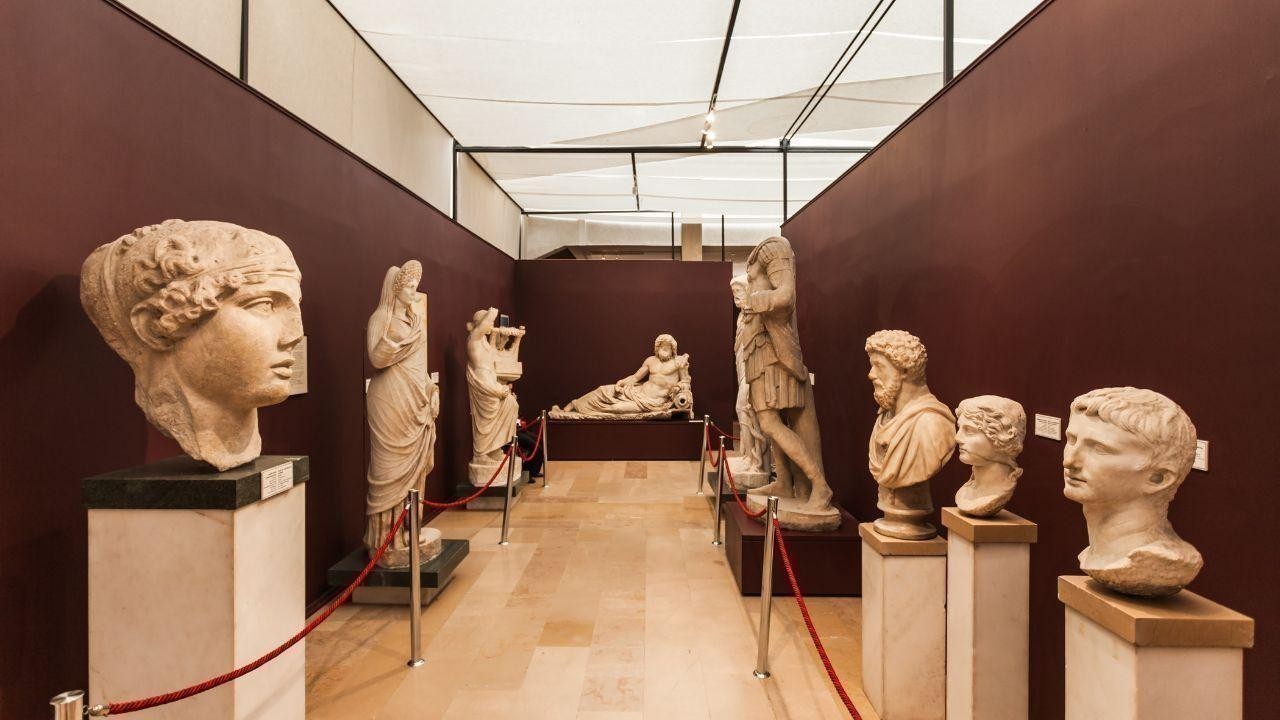
Physical spaces also play a powerful role in shaping memory. Museums, statues, memorials, and public art all serve as tangible links between culture, history, and memory. These spaces help tell stories that reinforce collective identity and remind future generations of their past.
However, as times change, so do interpretations. Across the world, debates over monuments and historical figures reveal how deeply The Relationship Between Culture History and Collective Memory can affect modern society. Who we honor, how we tell their stories, and what we choose to forget are reflections of current values as much as they are about the past.
In this way, collective memory isn’t fixed—it evolves, just like culture. It can be challenged, re-examined, and reshaped through education, art, and public discourse.
In the digital age, media plays a huge role in forming and spreading collective memory. Social media platforms, films, music, and online communities help people share experiences and remember events in real time.
Think about major global events like 9/11, climate marches, or even the COVID-19 pandemic. These events are not only recorded in history books—they live in memes, hashtags, personal stories, and viral videos. Today, culture and memory are shaped as much by smartphones and screens as by museums and textbooks.
This shift has democratized memory, giving voice to those previously left out of official history. However, it also raises questions about misinformation, memory distortion, and the reliability of digital storytelling.
Understanding The Relationship Between Culture History and Collective Memory isn’t just about looking back—it’s about shaping the future. A society’s shared memory influences how it responds to current challenges, how it defines itself, and how it treats others.
When communities recognize and respect diverse memories—especially those of marginalized groups—they create space for healing, inclusion, and greater social awareness. On the other hand, when histories are erased or manipulated, it can lead to division, resentment, and injustice.
Whether in policy, education, or public debate, how we frame the past has real consequences in the present.
This article is intended for informational and educational purposes only. It does not represent academic or historical consensus and should not be considered a substitute for professional research, cultural consultation, or scholarly resources. Readers are encouraged to explore diverse perspectives when engaging with historical and cultural topics.

US Stocks Slide as AI Fears, Inflation and Oil Surge Weigh
US stocks dropped as AI disruption fears hit tech firms, inflation rose above forecasts, and oil pri

Pacific Prime Wins Top Honors at Cigna Awards 2026
Pacific Prime secured Top Individual Broker and Top SME Broker awards at Cigna’s Annual Broker Award

QatarEnergy Halts LNG Output After Military Attack
QatarEnergy has stopped LNG production after military attacks hit its facilities in Ras Laffan and M

Strong 6.1 Magnitude Earthquake Hits West Sumatra, No Damage
A 6.1 earthquake struck off West Sumatra, Indonesia. No casualties, damage, or tsunami alert reporte

Saudi Confirms Drone Strike on US Embassy Riyadh
Two drones hit the US Embassy in Riyadh, causing a small fire and minor damage. No injuries were rep
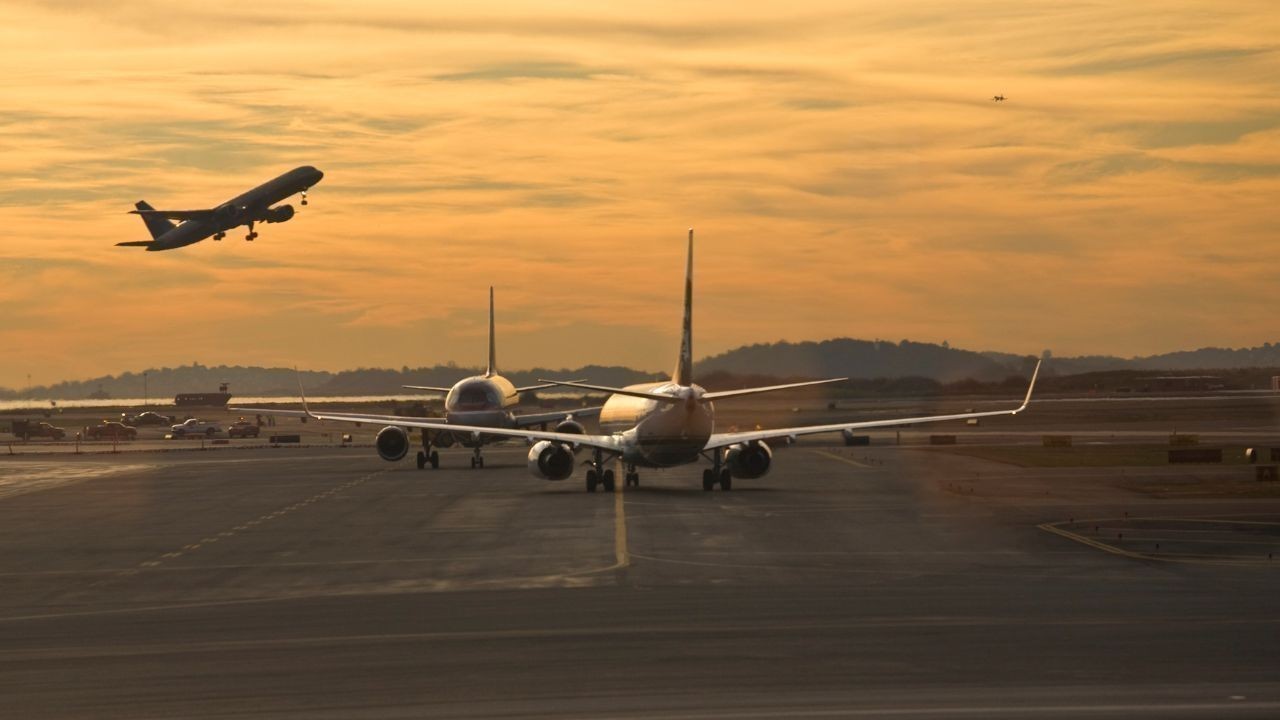
UAE Restarts Limited Flights as Regional Airspace Disruptions Continue
UAE restarts limited flights from Dubai as US-Israel attacks on Iran disrupt regional airspace, forc
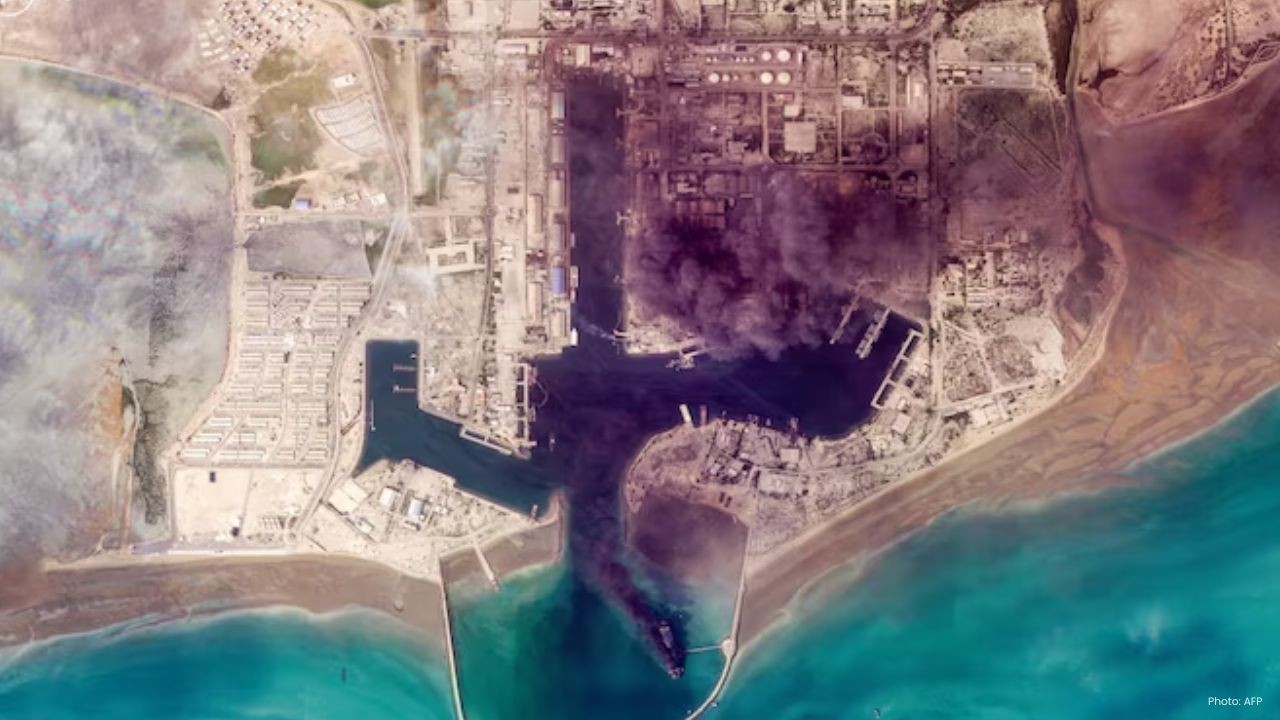
Asia Faces Energy Shock After Iran Closes Strait
Iran shuts Strait of Hormuz amid US-Israel strikes, sending oil prices higher and raising serious en


Bank of Baroda Faces Abu Dhabi Legal Battle over NMC Collapse
Bank of Baroda’s involvement in Abu Dhabi litigation tied to the NMC Healthcare collapse raises repu

Top Museum Openings of 2026 Set to Transform Global Tourism
From Los Angeles to Abu Dhabi and Brussels, 2026 brings major museum launches—Lucas Museum, Guggenhe

UAE Tour Highlights UAE’s Strength in Hosting Global Sports Events
Abu Dhabi Sports Council says the successful UAE Tour reflects the UAE’s leading role in hosting maj
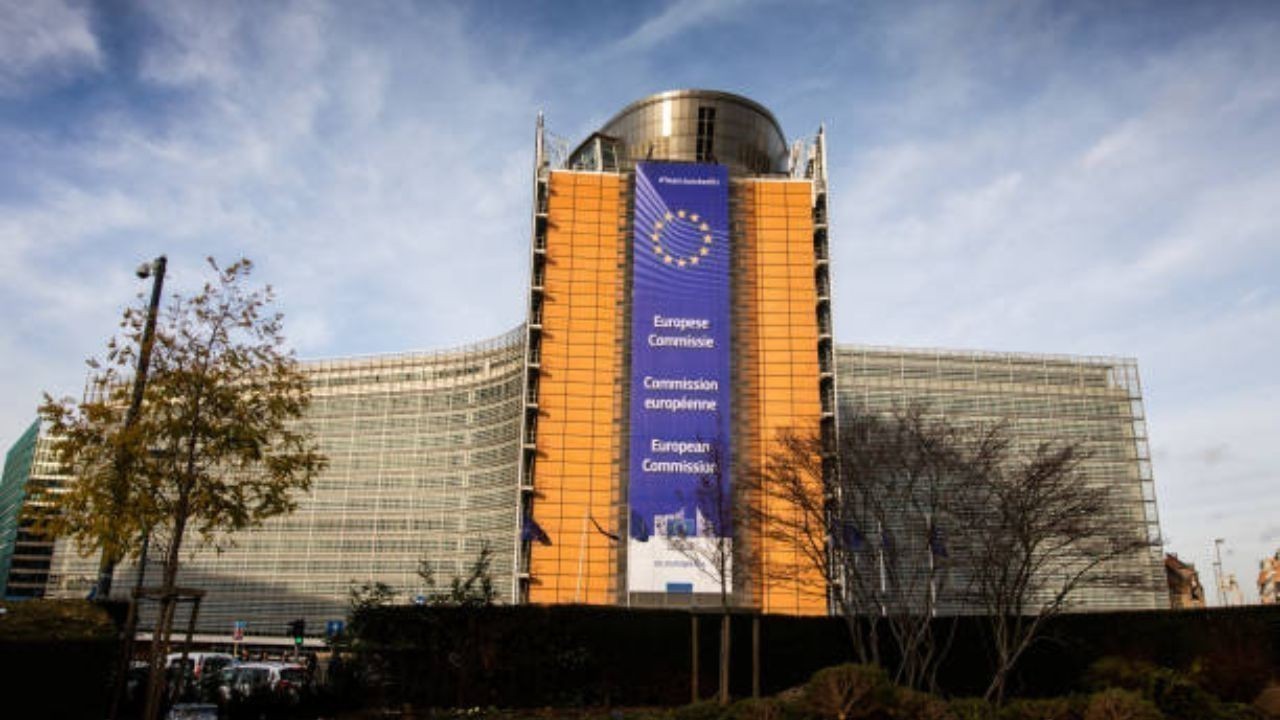
EU Seeks Clarity from US After Supreme Court IEEPA Ruling
European Commission urges full transparency from the US on steps after Supreme Court ruling, emphasi
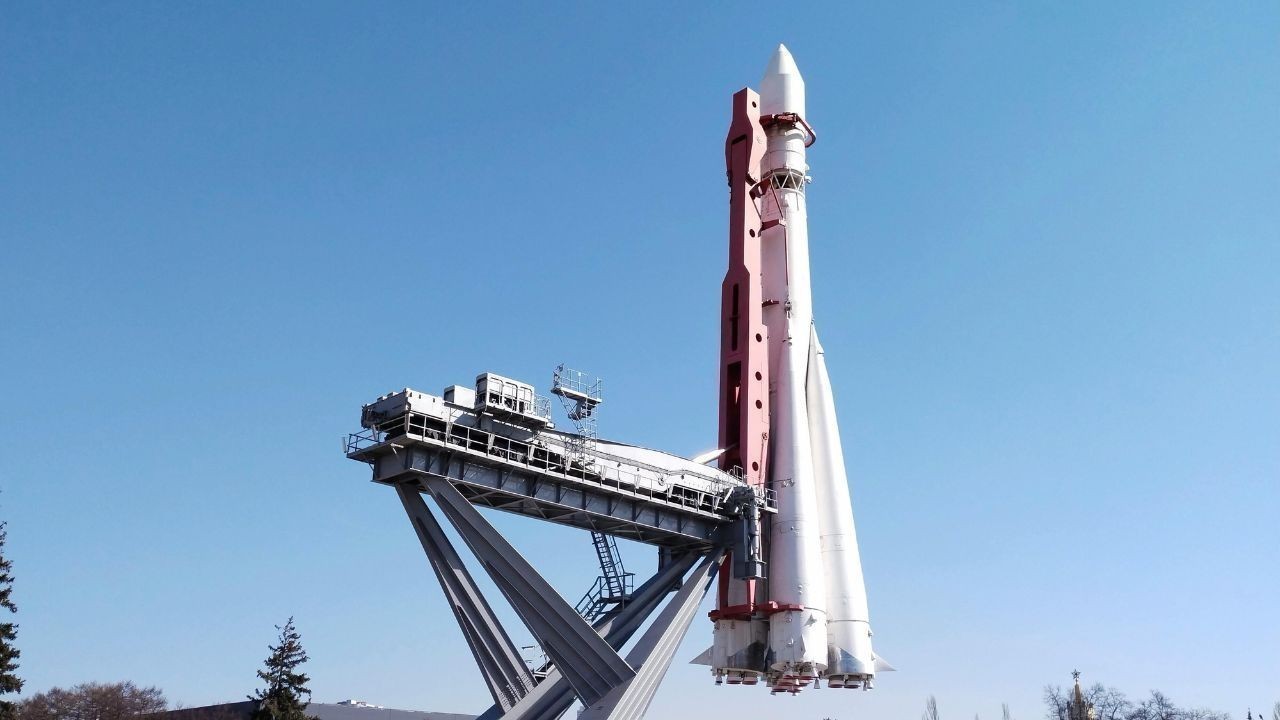
SpaceX Launches 53 New Satellites for Expanding Starlink Network
SpaceX launches 53 Starlink satellites in two Falcon 9 missions, breaking reuse records and expandin

RTA Awards Contract for Phase II of Hessa Street Upgrade in Dubai
Phase II of Hessa Street Development to add bridges, tunnel, and upgraded intersections, doubling ca

UAE Gold Prices Today, Monday 16 February 2026: Dubai & Abu Dhabi Updated Rates
Gold prices in UAE on 16 Feb 2026 updated: 24K around AED 599.75/gm, 22K AED 555.25/gm, and 18K AED
Over 25 Ahmedabad Schools Receive Bomb Threat Email, Authorities Investigate
More than 25 schools in Ahmedabad evacuated after bomb threat emails mentioning Khalistan. Authoriti