Post by : Michael Darzi
Living in the UAE means living under the sun almost every day. While sunlight gives warmth and energy, it can also harm your skin if you don’t protect it properly. Many people think sunscreen is only for beach days or vacations, but the truth is — sunscreen should be a part of your daily skincare routine.
The sun’s ultraviolet (UV) rays can cause tanning, sunburn, dark spots, wrinkles, and in serious cases, skin cancer. But with the right sunscreen and a little care, you can enjoy the sunshine safely while keeping your skin healthy and glowing.
Here’s a complete guide to understanding SPF, how it works, and why using sunscreen every day is one of the best habits you can build.
SPF stands for Sun Protection Factor. It measures how well a sunscreen can protect your skin from UVB rays, the type that causes sunburn.
Let’s say your skin starts to burn after 10 minutes in the sun. If you use SPF 30, your skin would take 30 times longer to burn. But remember — no sunscreen can block 100% of UV rays:
SPF 15 blocks around 93%
SPF 30 blocks around 97%
SPF 50 blocks around 98%
A higher SPF means better protection, but reapplying sunscreen regularly is what truly keeps your skin safe.
The sun gives off two main types of UV rays — both can harm your skin:
UVA Rays: Cause aging, wrinkles, and dark spots. They can pass through windows and even on cloudy days.
UVB Rays: Cause sunburn and directly damage your skin cells, increasing the risk of skin cancer.
That’s why dermatologists recommend broad-spectrum sunscreens — they protect against both UVA and UVB rays.
Even if you spend most of your time indoors, UV rays can still reach you through windows, car glass, and even reflected surfaces. Over time, this daily exposure adds up and can lead to visible damage.
Wearing sunscreen every day helps:
Prevent sunburns and tanning
Slow down skin aging
Maintain an even skin tone
Protect against long-term skin problems
So whether you’re heading to the beach or just walking to the store, sunscreen should always be your first layer of protection.
Not all sunscreens suit everyone. Picking the right one for your skin can make a big difference in comfort and protection.
For Oily or Acne-Prone Skin:
Choose light, gel-based sunscreens labeled oil-free or non-comedogenic. These won’t clog pores or feel greasy.
For Dry Skin:
Go for creamy sunscreens with moisturizing ingredients like glycerin or hyaluronic acid.
For Sensitive Skin:
Opt for mineral-based sunscreens that contain zinc oxide or titanium dioxide. These are gentle and less likely to irritate the skin.
For Daily Use:
A broad-spectrum sunscreen with SPF 30 or higher works well for most people.
Applying sunscreen may seem easy, but many people don’t use enough or forget to reapply it during the day. Here’s the correct way to do it:
Apply sunscreen 15–20 minutes before stepping out.
Use about a nickel-sized amount for your face and a shot glass (30 ml) for your body.
Don’t miss areas like the ears, neck, back of hands, and feet.
Reapply every 2 hours, or sooner if you’re sweating or swimming.
Make sunscreen the last step of your skincare routine — after moisturizer and before makeup.
There are many myths about sunscreen that prevent people from using it regularly. Let’s clear them up:
“I don’t need sunscreen indoors.”
You do — UVA rays can pass through windows and harm your skin even inside your home or car.
“I have dark skin, so I don’t need it.”
Melanin provides some protection but not enough. Darker skin can still get damaged and develop pigmentation.
“Sunscreen causes acne.”
Not if you choose the right formula. Lightweight and oil-free sunscreens are designed to prevent breakouts.
“I only need it on sunny days.”
Wrong — UV rays are present even on cloudy or rainy days.
Yes, absolutely! You can wear sunscreen under your makeup without any problem. Some makeup products also include SPF, but they don’t give complete protection.
For best results:
Apply sunscreen as a base layer.
Follow with your regular makeup.
Use an SPF spray or powder to reapply during the day.
This way, you stay protected without affecting your look.
If you love the beach, consider reef-safe sunscreens. They are free from harmful chemicals like oxybenzone and octinoxate that damage marine life. Reef-safe sunscreens protect both your skin and the environment — a smart choice for conscious skincare lovers.
Sunscreen is essential, but there are more ways to stay safe from the sun:
Wear a wide-brimmed hat and UV-protection sunglasses.
Dress in breathable, long-sleeved clothes during hot hours.
Avoid direct sunlight between 10 a.m. and 4 p.m. when UV rays are strongest.
Combine these habits with regular sunscreen use for complete protection.
Sunscreen isn’t just about keeping your skin looking good — it’s about keeping it healthy. Applying SPF daily helps protect you from sunburn, premature aging, and serious skin problems in the future.
It doesn’t matter if you’re using SPF 30 or 50 — what matters is consistency. Make sunscreen a part of your morning routine just like brushing your teeth.
Your skin is your body’s first line of defense — protect it every day, and it will reward you with health, glow, and strength for years to come.
So next time you step out under the bright Dubai sun, don’t forget your sunscreen. Your future self will thank you.
This article by DXB News Network is written for general skincare awareness. The tips and product suggestions shared are for informational purposes only and may not suit all skin types. Readers with allergies, skin conditions, or medical concerns should consult a certified dermatologist before using any new sunscreen or skincare product. DXB News Network does not promote or endorse any specific brand or product mentioned in this article.

US Stocks Slide as AI Fears, Inflation and Oil Surge Weigh
US stocks dropped as AI disruption fears hit tech firms, inflation rose above forecasts, and oil pri

Pacific Prime Wins Top Honors at Cigna Awards 2026
Pacific Prime secured Top Individual Broker and Top SME Broker awards at Cigna’s Annual Broker Award

QatarEnergy Halts LNG Output After Military Attack
QatarEnergy has stopped LNG production after military attacks hit its facilities in Ras Laffan and M
Strong 6.1 Magnitude Earthquake Hits West Sumatra, No Damage
A 6.1 earthquake struck off West Sumatra, Indonesia. No casualties, damage, or tsunami alert reporte

Saudi Confirms Drone Strike on US Embassy Riyadh
Two drones hit the US Embassy in Riyadh, causing a small fire and minor damage. No injuries were rep

UAE Restarts Limited Flights as Regional Airspace Disruptions Continue
UAE restarts limited flights from Dubai as US-Israel attacks on Iran disrupt regional airspace, forc
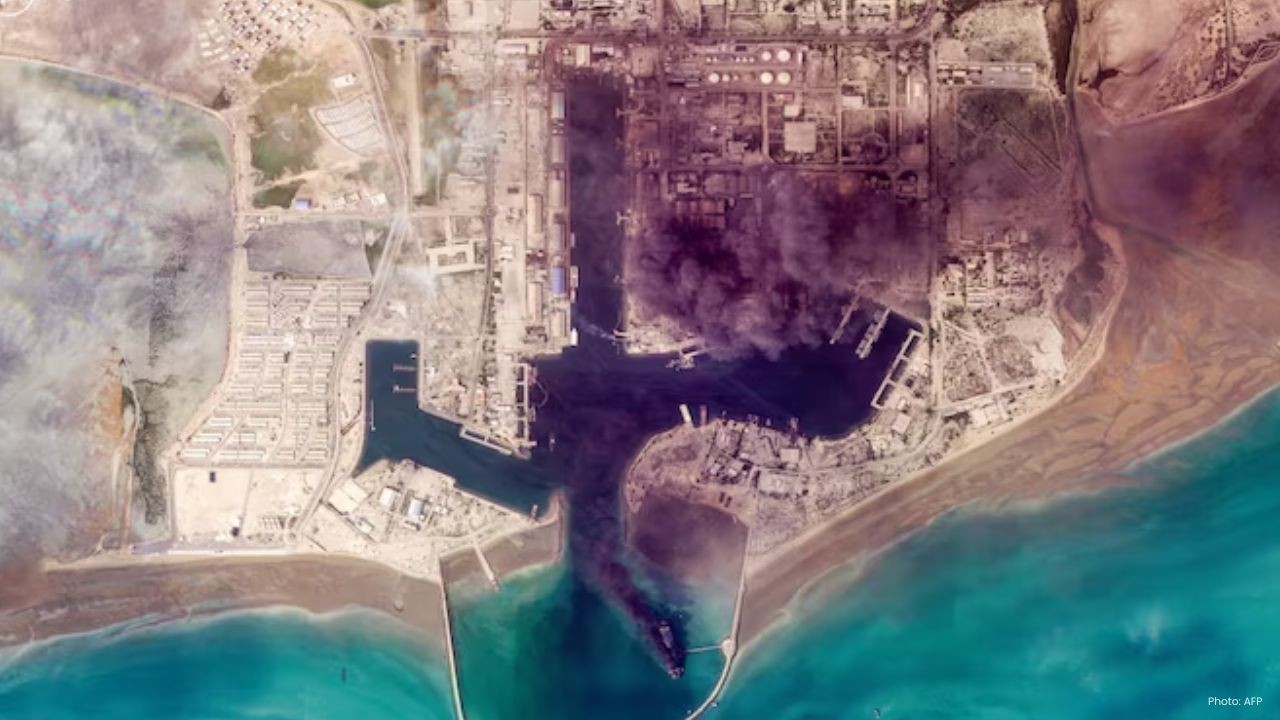
Asia Faces Energy Shock After Iran Closes Strait
Iran shuts Strait of Hormuz amid US-Israel strikes, sending oil prices higher and raising serious en


Bank of Baroda Faces Abu Dhabi Legal Battle over NMC Collapse
Bank of Baroda’s involvement in Abu Dhabi litigation tied to the NMC Healthcare collapse raises repu

Top Museum Openings of 2026 Set to Transform Global Tourism
From Los Angeles to Abu Dhabi and Brussels, 2026 brings major museum launches—Lucas Museum, Guggenhe

UAE Tour Highlights UAE’s Strength in Hosting Global Sports Events
Abu Dhabi Sports Council says the successful UAE Tour reflects the UAE’s leading role in hosting maj

EU Seeks Clarity from US After Supreme Court IEEPA Ruling
European Commission urges full transparency from the US on steps after Supreme Court ruling, emphasi

SpaceX Launches 53 New Satellites for Expanding Starlink Network
SpaceX launches 53 Starlink satellites in two Falcon 9 missions, breaking reuse records and expandin

RTA Awards Contract for Phase II of Hessa Street Upgrade in Dubai
Phase II of Hessa Street Development to add bridges, tunnel, and upgraded intersections, doubling ca
UAE Gold Prices Today, Monday 16 February 2026: Dubai & Abu Dhabi Updated Rates
Gold prices in UAE on 16 Feb 2026 updated: 24K around AED 599.75/gm, 22K AED 555.25/gm, and 18K AED

Over 25 Ahmedabad Schools Receive Bomb Threat Email, Authorities Investigate
More than 25 schools in Ahmedabad evacuated after bomb threat emails mentioning Khalistan. Authoriti