Post by : Sam Jeet Rahman
High blood pressure often develops quietly, and many people assume they don’t consume much salt because they don’t add it to their food. But most of the sodium that raises blood pressure comes from hidden sources inside everyday meals—packaged foods, restaurant dishes, breads, snacks, sauces, and even foods marketed as healthy. Understanding these silent contributors is the first step toward lowering your BP without extreme dieting. This guide explains where hidden salt comes from, how it affects your body daily, and what simple changes can protect your long-term heart health.
Many individuals believe salt intake is under control because they don’t use much at home. But hidden sodium in processed foods accumulates fast.
It increases water retention, which raises blood volume. It forces your heart to pump harder, straining arteries. It gradually elevates baseline BP even if you feel healthy.
The danger lies in how quietly it accumulates—small daily excesses become chronic over months.
Chips, crackers, popcorn, masala snacks, roasted mixes, biscuits, and bakery items hold large amounts of sodium for taste enhancement and preservation.
Even small portions contain more sodium than expected. “Low-fat” or “baked” versions still use salt for flavor. Flavored snacks (cheese, masala, peri-peri) often double the sodium content.
Daily snacking can push BP upward without you realizing it.
Foods eaten outside—Indian curries, sandwiches, burgers, pasta, Asian dishes—contain high sodium because restaurants prioritize taste and shelf life.
Gravy-based dishes rely on salt-heavy bases. Bread items use salted dough. Sauces contain added preservatives.
Even a seemingly harmless salad or sandwich can contain more sodium than a full home-cooked meal.
Bread is a major hidden salt carrier. Many people eat it daily without realizing its cumulative impact.
Salt is necessary for texture and preservation. Multiple slices per day create steady sodium accumulation. Whole-wheat versions are sometimes equal in sodium to white bread.
Even rotis bought outside often contain added salt, especially from restaurants and tiffin centers.
Instant noodles, upma mixes, oats packets, and flavored cereals often contain high sodium to improve flavor and shelf life.
Seasoning packets in noodles are salt-heavy. “Healthy” cereals may include sodium from additives. Instant soups are among the highest-sodium foods sold.
These are often consumed daily, making them a core BP trigger.
Indian households commonly eat pickles, chutneys, papads, and achar as side dishes.
They rely on heavy salt for fermentation, drying, and preservation. Papads contain added sodium in both dough and seasoning.
Even a small serving substantially increases total daily intake.
Ketchup, soy sauce, chili sauce, mayonnaise, mustard, schezwan, tandoori marinades, and salad dressings are hidden-salt champions.
Just one tablespoon may contain hundreds of milligrams of sodium. Sauces are used freely while cooking, multiplying total intake.
Healthy-looking salads become unhealthy when paired with salty dressings.
Processed cheese slices, cheese spreads, paneer from commercial brands, and flavored yogurts contain added salt.
Preservation, flavor balancing, and texture improvement.
These are especially dangerous for people who consume cheese daily without monitoring amounts.
Frozen parathas, nuggets, fries, kebabs, pizza bases, and frozen curries contain high sodium for long-term storage.
They appear convenient but come with extremely high preservatives. Even vegetarian frozen snacks contain significant sodium, contributing to rising BP levels.
Energy drinks, packaged buttermilk, flavored lassis, electrolyte drinks, and soda water can contain sodium.
People rarely associate beverages with salt. Sodium-based stabilizers and flavor enhancers increase intake quietly.
Hidden salt is consumed repeatedly throughout the day, making it more dangerous than openly added salt.
Raises baseline arterial pressure. Reduces blood vessel elasticity. Strains heart function. Creates chronic inflammation.
Over months, this contributes to hypertension even in healthy individuals.
For adults, the ideal limit is 1500 mg per day, and the maximum allowable is 2300 mg.
Most people consume 3500 to 4500 mg without realizing it.
This happens because hidden sodium gradually piles up—from snacks to meals to drinks.
You don’t need extreme changes, just strategic adjustments.
Choose plain over flavored cereals. Buy no-salt or low-sodium snacks occasionally. Limit restaurant meals to twice a week.
Cook with herbs, lemon, garlic, and spices instead of sauces. Read labels for sodium content.
Even reducing 20 percent of hidden sodium can lower BP in weeks.
When you cook at home, you control exactly how much salt goes in.
Use minimal packaged sauces. Replace pickles with fresh salads. Limit papads. Prepare dips using yogurt, mint, garlic, and herbs.
These changes support stable BP without compromising taste.
Most people notice improvements within two to six weeks.
Morning BP readings stabilize. Water retention decreases. Headaches reduce. Energy levels increase.
This initiative becomes even more effective when combined with hydration, sleep, and basic exercise.
Hidden salt is one of the largest contributors to rising BP. By becoming aware of the sodium in packaged foods, restaurants, snacks, sauces, and everyday staples, you can significantly reduce your risk of hypertension. Smart label reading, mindful eating, and home-cooked alternatives can help you control your blood pressure naturally and sustainably.
This article provides general informational guidance and does not replace medical advice. Sodium sensitivity and blood pressure conditions vary from person to person. Readers should consult a qualified healthcare professional for personalized dietary or medical recommendations.

US Stocks Slide as AI Fears, Inflation and Oil Surge Weigh
US stocks dropped as AI disruption fears hit tech firms, inflation rose above forecasts, and oil pri

Pacific Prime Wins Top Honors at Cigna Awards 2026
Pacific Prime secured Top Individual Broker and Top SME Broker awards at Cigna’s Annual Broker Award
QatarEnergy Halts LNG Output After Military Attack
QatarEnergy has stopped LNG production after military attacks hit its facilities in Ras Laffan and M
Strong 6.1 Magnitude Earthquake Hits West Sumatra, No Damage
A 6.1 earthquake struck off West Sumatra, Indonesia. No casualties, damage, or tsunami alert reporte

Saudi Confirms Drone Strike on US Embassy Riyadh
Two drones hit the US Embassy in Riyadh, causing a small fire and minor damage. No injuries were rep

UAE Restarts Limited Flights as Regional Airspace Disruptions Continue
UAE restarts limited flights from Dubai as US-Israel attacks on Iran disrupt regional airspace, forc
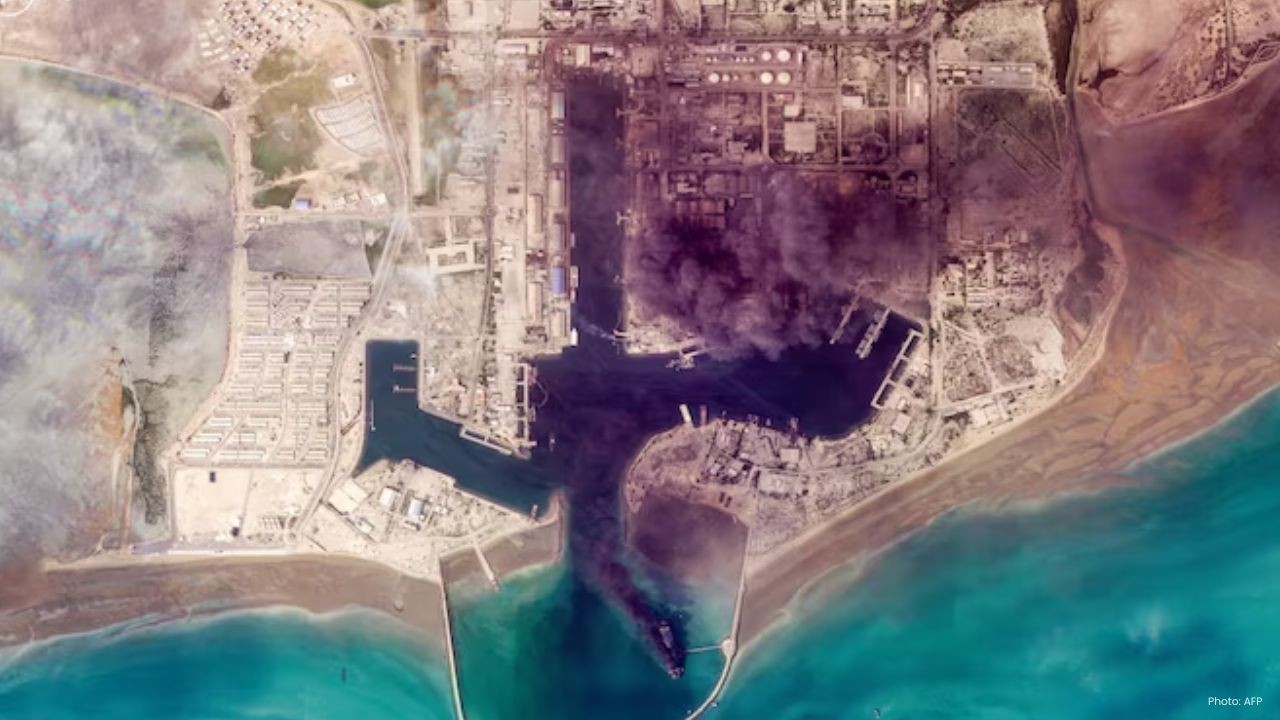
Asia Faces Energy Shock After Iran Closes Strait
Iran shuts Strait of Hormuz amid US-Israel strikes, sending oil prices higher and raising serious en

Bank of Baroda Faces Abu Dhabi Legal Battle over NMC Collapse
Bank of Baroda’s involvement in Abu Dhabi litigation tied to the NMC Healthcare collapse raises repu

Top Museum Openings of 2026 Set to Transform Global Tourism
From Los Angeles to Abu Dhabi and Brussels, 2026 brings major museum launches—Lucas Museum, Guggenhe

UAE Tour Highlights UAE’s Strength in Hosting Global Sports Events
Abu Dhabi Sports Council says the successful UAE Tour reflects the UAE’s leading role in hosting maj
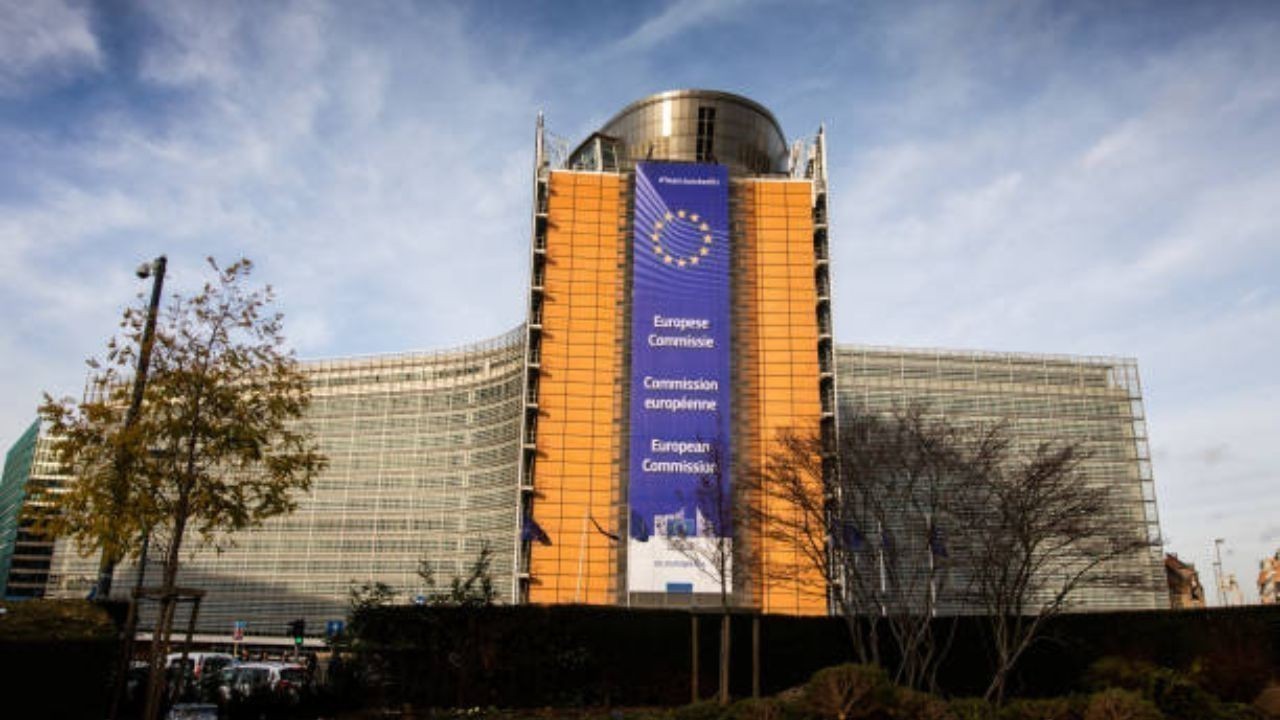
EU Seeks Clarity from US After Supreme Court IEEPA Ruling
European Commission urges full transparency from the US on steps after Supreme Court ruling, emphasi

SpaceX Launches 53 New Satellites for Expanding Starlink Network
SpaceX launches 53 Starlink satellites in two Falcon 9 missions, breaking reuse records and expandin

RTA Awards Contract for Phase II of Hessa Street Upgrade in Dubai
Phase II of Hessa Street Development to add bridges, tunnel, and upgraded intersections, doubling ca
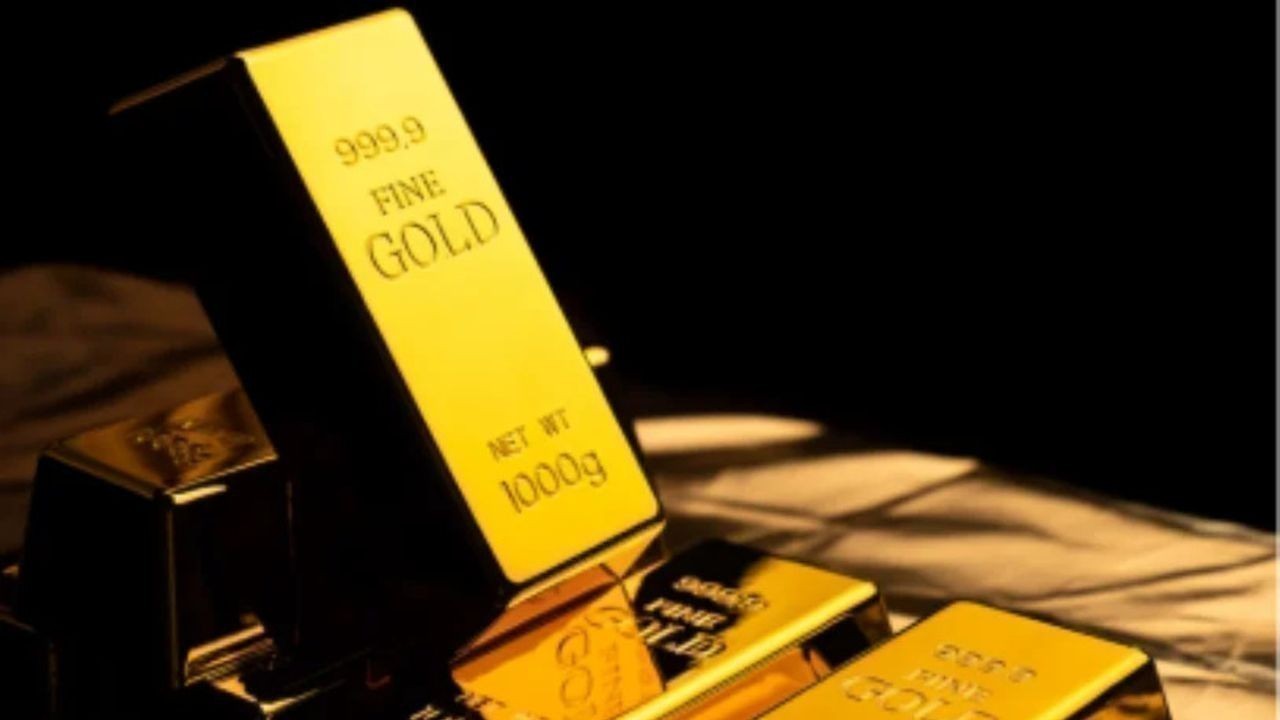
UAE Gold Prices Today, Monday 16 February 2026: Dubai & Abu Dhabi Updated Rates
Gold prices in UAE on 16 Feb 2026 updated: 24K around AED 599.75/gm, 22K AED 555.25/gm, and 18K AED
Over 25 Ahmedabad Schools Receive Bomb Threat Email, Authorities Investigate
More than 25 schools in Ahmedabad evacuated after bomb threat emails mentioning Khalistan. Authoriti