Post by : Anis Karim
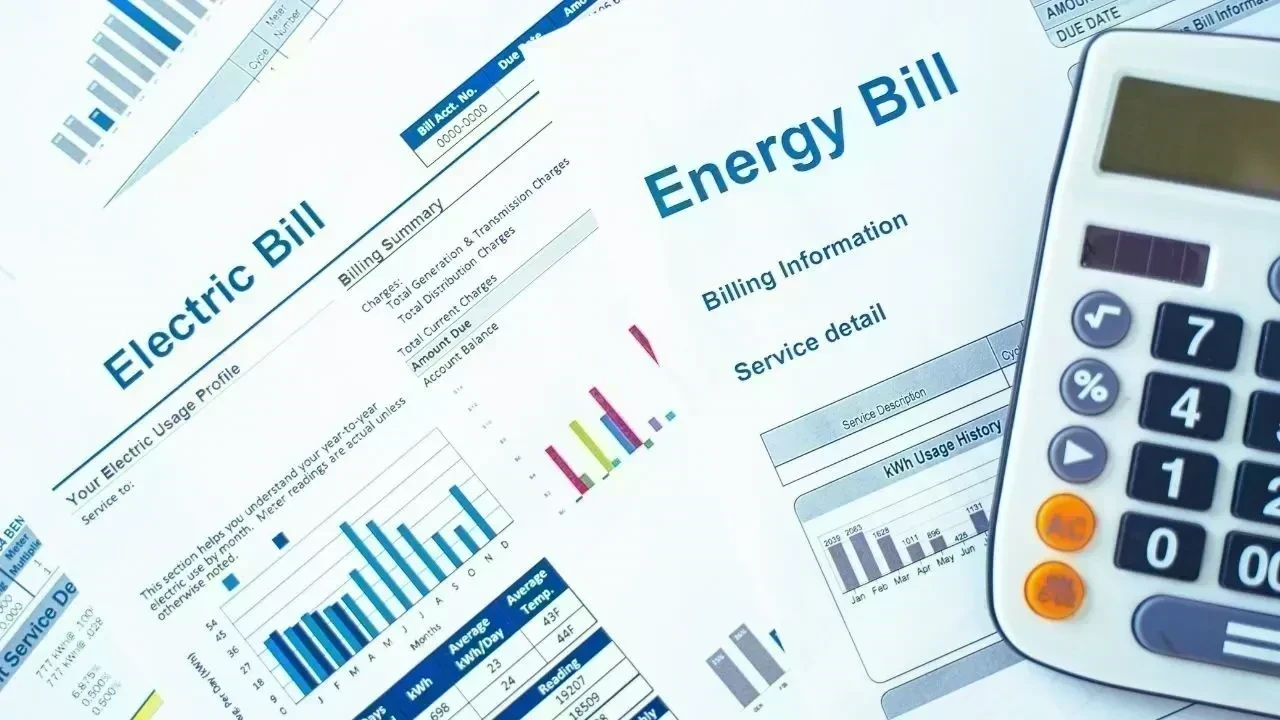
This week, a utility update revealed a sharp rise in household electricity consumption across multiple regions. The announcement wasn’t meant to alarm users—it simply highlighted how quickly energy usage has climbed due to longer device screen times, extended AC and appliance use, heavy reliance on gadgets for work-from-home setups, and the increasing number of smart devices plugged in round the clock.
But what followed was surprising and refreshing.
Instead of complaining, people acted.
Within hours of the announcement, conversations online shifted towards tips, small habits, and practical tweaks that could help reduce power usage without compromising comfort or productivity.
Communities, tech pages, neighbourhood groups, and even office chats were flooded with suggestions. People realised that reducing electricity bills didn’t require drastic lifestyle changes—just smarter tech habits.
This article explores those habits in detail, offering a clear, structured guide based on what users widely adopted this week.
The announcement reported a pattern that most households vaguely sensed but didn’t quantify:
More devices plugged in
Longer hours of use
Heavy background running of apps
Increased charging cycles
Power-hungry appliances running inefficiently
Overuse of entertainment and climate-control devices
Households realised that electricity bills weren’t rising due to one major appliance—but due to hundreds of tiny, unnoticed behaviors accumulating over weeks.
Once that was clear, people began making immediate, manageable changes.
One of the first habits to trend was unplugging idle chargers. People rediscovered the fact that:
Laptop chargers
Phone chargers
TV boxes
Game consoles
Induction stove bases
continue to draw “standby power” even when not actively used.
Households began unplugging unused devices, which resulted in noticeable savings.
Many users had routers running 24x7. This week, people started switching them off at night, which not only reduced consumption but also:
Reduced radiation exposure
Lowered overheating risks
Extended router lifespan
It became one of the simplest, most effective habits.
A surprisingly large number of users were not using built-in power-saving modes. After the announcement, people began enabling:
Adaptive brightness
CPU power throttling
Screen timeout reductions
Background app restrictions
These small adjustments reduced overall charging frequency.
Smart devices remain half-awake even when “off”.
People began powering them down fully, not just relying on remote controls.
This cut unnecessary standby power.
Phones, laptops, tablets, and TVs were set to excessively bright levels.
Users reduced brightness by 20–40%, discovering that:
Energy consumption dropped
Eyestrain reduced
Battery life improved
A tiny tweak, large impact.
This week, many realised that leaving phones and laptops plugged in all the time wastes electricity and damages batteries.
Users began:
Charging up to 80–90%
Unplugging after full charge
Avoiding overnight charging
This reduced charging cycles and power draw.
ACs and heaters are major contributors to high bills.
People started using built-in timers to turn them off automatically after:
The room cools
The air stabilises
A certain temperature is reached
This prevented unnecessary all-night consumption.
TVs, washing machines, dishwashers, and refrigerators have eco modes that people often ignore.
This week saw widespread activation of:
Low-power modes
Eco-wash
Quick cycles
Temperature-optimised modes
These settings preserved functionality and reduced consumption.
Utility announcements suggested possible peak-hour surges.
Many shifted usage of:
Washing machines
Dishwashers
Water heaters
to morning or late-night windows, improving grid balance and saving energy.
Phones and laptops often run dozens of background tasks.
Closing unused applications helped:
Reduce CPU load
Lower battery drain
Cut charging frequency
A digital declutter meant real energy savings.
Smart plugs became very popular this week.
People used them to:
Turn appliances off remotely
Track energy consumption
Automate device shutdowns
This gave users greater control over idle power usage.
Surprisingly, many realised browser choice affects power usage.
Heavy browsers consume more CPU power, meaning more charging cycles.
People switched to:
Lightweight browsers
Reader modes
Minimal extensions
This saved battery and reduced laptop energy use.
Streaming in 4K consumes more electricity than most people realised.
After the announcement, viewers lowered quality to:
1080p
720p
This reduced TV and device power consumption while also easing internet bandwidth.
Power strips allowed users to:
Turn multiple devices off at once
Avoid standby power leakage
Control device clusters (TV, speakers, consoles) together
This habit rose sharply this week.
Instead of using maximum speed or lowest temperature, people adjusted to:
“Dry mode” in humid weather
“Auto mode” to stop overcooling
“Sleep mode” at night
These smart adjustments made cooling efficient and affordable.
Software updates often include:
Optimised power usage
Cooling improvements
System stability
Reduced CPU strain
This week, users updated phones, TVs, routers, and laptops with newfound enthusiasm.
Auto-play keeps TVs and devices running longer than intended.
Users disabled it, ensuring content stops after each session.
Not as a restriction—mainly as a power-saving measure.
Reduced screen time meant:
Less charging
Less standby time
More time spent offline
A win-win for energy and wellbeing.
Many homes had:
Old routers
Spare televisions
Unused set-top boxes
Old gaming consoles
Decorative smart lights
People unplugged them to cut background electricity usage permanently.
A desktop consumes considerably more energy than a laptop.
Work-from-home users realised switching to laptops where possible reduced consumption significantly.
Tech meets lifestyle: households maximised daylight by:
Opening curtains
Adjusting workspaces
Using reflective surfaces
This reduced lighting usage by several hours each day.
Eco-conscious users adopted solar chargers for:
Phones
Power banks
Small gadgets
This reduced dependence on grid power.
These habit shifts succeeded because they were:
Simple
Low-effort
Cost-free
Practical
Immediately effective
Suitable for all households
Small changes in tech behaviour created meaningful reductions in monthly bills.
Many users shared that after making these changes, they experienced:
Reduced stress about rising bills
More awareness of device behaviour
Smoother overall device performance
Longer battery life in gadgets
Better temperature control in rooms
Energy-saving became a lifestyle, not a chore.
If households continue these practices, the long-term effects may include:
Consistently lower bills
Reduced device wear
Better grid stability
More mindful tech usage
Less environmental impact
This week may mark the beginning of a more energy-efficient culture.
This week’s utility announcement acted as a powerful reminder that electricity consumption is highly influenced by everyday tech habits. Instead of drastic steps, people began implementing small, simple adjustments—from unplugging unused devices to optimising AC modes and limiting background processes.
These changes didn’t demand money or major effort. They simply required awareness.
And in return, households saw immediate benefits: lower electricity usage, smoother device performance, and a renewed sense of control over their home environment.
The tech habits that emerged this week are practical, achievable, and here to stay—showing that smarter living begins with the smallest changes.
DISCLAIMER:
This article is for general informational purposes only. Electricity usage varies across households depending on appliances, climate, and individual consumption patterns.

US Stocks Slide as AI Fears, Inflation and Oil Surge Weigh
US stocks dropped as AI disruption fears hit tech firms, inflation rose above forecasts, and oil pri

Pacific Prime Wins Top Honors at Cigna Awards 2026
Pacific Prime secured Top Individual Broker and Top SME Broker awards at Cigna’s Annual Broker Award
QatarEnergy Halts LNG Output After Military Attack
QatarEnergy has stopped LNG production after military attacks hit its facilities in Ras Laffan and M
Strong 6.1 Magnitude Earthquake Hits West Sumatra, No Damage
A 6.1 earthquake struck off West Sumatra, Indonesia. No casualties, damage, or tsunami alert reporte

Saudi Confirms Drone Strike on US Embassy Riyadh
Two drones hit the US Embassy in Riyadh, causing a small fire and minor damage. No injuries were rep

UAE Restarts Limited Flights as Regional Airspace Disruptions Continue
UAE restarts limited flights from Dubai as US-Israel attacks on Iran disrupt regional airspace, forc
Asia Faces Energy Shock After Iran Closes Strait
Iran shuts Strait of Hormuz amid US-Israel strikes, sending oil prices higher and raising serious en


Bank of Baroda Faces Abu Dhabi Legal Battle over NMC Collapse
Bank of Baroda’s involvement in Abu Dhabi litigation tied to the NMC Healthcare collapse raises repu

Top Museum Openings of 2026 Set to Transform Global Tourism
From Los Angeles to Abu Dhabi and Brussels, 2026 brings major museum launches—Lucas Museum, Guggenhe

UAE Tour Highlights UAE’s Strength in Hosting Global Sports Events
Abu Dhabi Sports Council says the successful UAE Tour reflects the UAE’s leading role in hosting maj

EU Seeks Clarity from US After Supreme Court IEEPA Ruling
European Commission urges full transparency from the US on steps after Supreme Court ruling, emphasi

SpaceX Launches 53 New Satellites for Expanding Starlink Network
SpaceX launches 53 Starlink satellites in two Falcon 9 missions, breaking reuse records and expandin

RTA Awards Contract for Phase II of Hessa Street Upgrade in Dubai
Phase II of Hessa Street Development to add bridges, tunnel, and upgraded intersections, doubling ca

UAE Gold Prices Today, Monday 16 February 2026: Dubai & Abu Dhabi Updated Rates
Gold prices in UAE on 16 Feb 2026 updated: 24K around AED 599.75/gm, 22K AED 555.25/gm, and 18K AED

Over 25 Ahmedabad Schools Receive Bomb Threat Email, Authorities Investigate
More than 25 schools in Ahmedabad evacuated after bomb threat emails mentioning Khalistan. Authoriti