
Post by : Anis Karim
Over the last decade, social media transformed from a creative outlet to a near-essential lifestyle tool. From morning coffee snaps to late-night thoughts, our digital footprints became reflections of our daily lives. But as platforms evolved — filled with algorithms, trends, filters, and constant comparison — many users began to feel the weight of it all. What was once enjoyable turned into emotional labor.
The phenomenon, often described as social media fatigue, is not about rejecting technology entirely; it’s about the exhaustion that arises from overexposure. People aren’t just tired of endless notifications; they’re emotionally drained by the expectations of performance — to post, react, and appear perfect.
Recent global surveys show a steady increase in users taking digital breaks, with Gen Z leading the charge. Ironically, the same generation that built the influencer economy is now pioneering the art of stepping away. They are not anti-social media — they are anti-facade.
The concept of being “always on” has quietly blurred boundaries between real and digital life. Whether it’s the pressure to reply instantly or the unspoken rule to stay visible, constant online presence has created a sense of digital obligation.
This continuous connectivity creates an invisible cognitive load. The mind never rests. Every post requires a calculation — what to say, how it’ll be perceived, what hashtags to use, how engagement will look. Over time, that decision fatigue accumulates, leading to mental exhaustion and decreased satisfaction.
People also report a strange emptiness after prolonged scrolling — an emotional void despite high engagement. It’s a paradox: hyperconnection leads to isolation. When your friendships depend on likes instead of conversations, social validation becomes transactional.
The new movement toward authenticity didn’t emerge suddenly — it’s been building up quietly. Users started noticing the disconnect between their online persona and offline reality. They began craving honesty in a space built on polish.
Across platforms, content that feels “real” — unfiltered photos, messy moments, emotional transparency — is outperforming curated perfection. This doesn’t mean aesthetics are dying; it means storytelling is taking precedence. People no longer want flawless — they want relatable.
Influencers are adapting too. Many are openly discussing burnout, the mental toll of maintaining an ideal image, and the loneliness behind the scenes. Some have even pivoted their content entirely — from picture-perfect travel diaries to honest reflections on anxiety, self-worth, and imperfection.
This authenticity renaissance signals a cultural reset: people are learning that vulnerability can be just as influential as glamour.
One of the biggest lifestyle shifts linked to social media fatigue is the rise of digital minimalism. The concept, coined by productivity thinkers, encourages using technology intentionally rather than habitually.
Digital minimalists treat their devices like tools, not companions. They delete unnecessary apps, curate their feeds, and set firm online boundaries. They choose depth over distraction — following a few accounts that inspire them instead of hundreds that drain them.
Interestingly, this trend mirrors the broader societal craving for simplicity. Just as minimalism reshaped fashion, homes, and consumption, it’s now redefining digital life. The goal isn’t to escape the internet — it’s to reclaim control over it.
Offline is becoming the new status symbol. Across cities, people are rediscovering joy in tactile, analog experiences — reading printed books, writing journals, painting, gardening, or attending local community events. Cafés now proudly market themselves as “Wi-Fi free zones,” inviting patrons to connect with each other instead of their screens.
This cultural swing is especially visible among urban youth who once lived online. Weekend markets, creative workshops, and silent retreats are replacing weekend binge-scrolling sessions. Being unavailable is no longer a sign of disinterest; it’s a form of self-respect.
Even brands are picking up on this shift. Campaigns now promote “unplugged experiences” — vacations without Wi-Fi, products that encourage mindfulness, and marketing messages centered on balance. Authenticity, it seems, has become not just a personal goal but a business value.
Social media fatigue isn’t just a buzzword — it has measurable psychological roots. The dopamine feedback loop, which rewards users with likes, shares, and views, can quickly turn into a cycle of dependency. The more validation one receives, the more they crave it. But when engagement drops, self-worth takes a hit.
This unpredictable reinforcement pattern mirrors gambling behavior. Over time, it causes emotional instability — highs of approval followed by lows of comparison and inadequacy. Studies have linked heavy social media use to increased anxiety, depression, and feelings of isolation, particularly among younger users.
Constant exposure to others’ highlight reels also distorts perception. Even when users rationally know that online life is filtered, subconscious comparison is inevitable. The result? Chronic dissatisfaction, even when life is objectively fine.
Social media companies are aware of this fatigue — and they’re adapting. Platforms like Instagram and TikTok are experimenting with “authentic content” formats: unfiltered posts, “notes” features, and private sharing circles. BeReal, the app that encourages users to post one candid photo daily, gained popularity precisely because it rejects overproduction.
Meanwhile, algorithmic transparency has become a talking point. Users want to understand why they see what they see. They want to control their digital diet.
Creators who embrace honesty are seeing sustained engagement. Instead of posting for virality, they post for value — conversations, education, emotion. Audiences are rewarding this with loyalty, reshaping what success looks like in the digital ecosystem.
For marketers, social media fatigue presents both a challenge and an opportunity. Traditional advertising, once built on aspirational imagery, now risks feeling tone-deaf. Today’s consumers prefer brands that act like humans — flawed, empathetic, transparent.
Companies are therefore pivoting to human-centered storytelling. They highlight employee voices, share behind-the-scenes stories, and acknowledge mistakes publicly. The goal is no longer to appear perfect — it’s to appear real.
Even influencer collaborations are changing. Audiences trust micro-influencers and niche creators more than celebrities because their recommendations feel genuine. Authenticity has, in effect, become a new form of currency — one that can’t be faked for long.
If millennials popularized digital life, Gen Z is redefining it. Born into an algorithm-driven world, they’re the first generation to recognize both the power and toxicity of social media in real time.
Gen Z users are leading movements like “digital sabbaths” and “no-filter challenges.” They openly discuss mental health, identity, and burnout. They value transparency over perfection and self-expression over popularity.
For them, authenticity isn’t a trend — it’s survival. They use platforms to question norms, share real struggles, and connect meaningfully. They’re not deleting social media; they’re redesigning how it should be used.
The real cure for social media fatigue isn’t a permanent log-off — it’s a conscious rebalancing. People are realizing that joy often lives outside the feed: in unrecorded laughter, face-to-face conversations, and moments no one else witnesses.
Offline time fosters presence. It allows creativity to breathe, relationships to deepen, and self-perception to heal. The paradox of digital life is that the more we record, the less we actually experience. Authenticity begins when observation replaces performance.
Scheduled Detoxes: Setting daily or weekly screen-free hours to reset focus.
Selective Following: Unfollowing accounts that trigger negativity and curating uplifting feeds.
Private Journaling: Replacing public validation with self-reflection.
Real Conversations: Calling or meeting friends instead of reacting with emojis.
Mindful Posting: Asking “Why am I sharing this?” before hitting upload.
Offline Hobbies: Investing time in music, art, cooking, or fitness outside digital validation.
Digital Boundaries: Turning off read receipts, muting notifications, or using “Do Not Disturb.”
Purposeful Sharing: Using social media as a storytelling tool rather than a scoreboard.
These steps don’t reject technology; they humanize it.
What’s happening globally isn’t a mass exodus from social media — it’s a revolution of intention. People are redefining how, why, and when they connect. The fatigue that once felt like burnout is now sparking a new awareness: our time and attention are finite, and authenticity is priceless.
The pendulum is swinging back toward balance. In the coming years, social media might evolve into a more mindful space — less about showcasing and more about sharing. That’s the silver lining of this fatigue: it’s pushing us to reclaim humanity in digital spaces.
As the digital world matures, authenticity will become the foundation of influence, not its casualty. Social platforms may introduce features that prioritize emotional well-being, while creators and brands will learn to measure impact by connection rather than clicks.
But ultimately, authenticity isn’t a strategy — it’s a practice. It’s about showing up as oneself, whether online or offline. The fatigue we feel today may just be the growing pain of a generation rediscovering what it means to be human.
The future of social media isn’t less social — it’s more genuine.
This article is for informational and editorial purposes only. It aims to explore the cultural and psychological aspects of social media behavior without offering clinical advice. Readers experiencing severe digital burnout or mental health distress should seek professional guidance.

US Stocks Slide as AI Fears, Inflation and Oil Surge Weigh
US stocks dropped as AI disruption fears hit tech firms, inflation rose above forecasts, and oil pri

Pacific Prime Wins Top Honors at Cigna Awards 2026
Pacific Prime secured Top Individual Broker and Top SME Broker awards at Cigna’s Annual Broker Award
QatarEnergy Halts LNG Output After Military Attack
QatarEnergy has stopped LNG production after military attacks hit its facilities in Ras Laffan and M
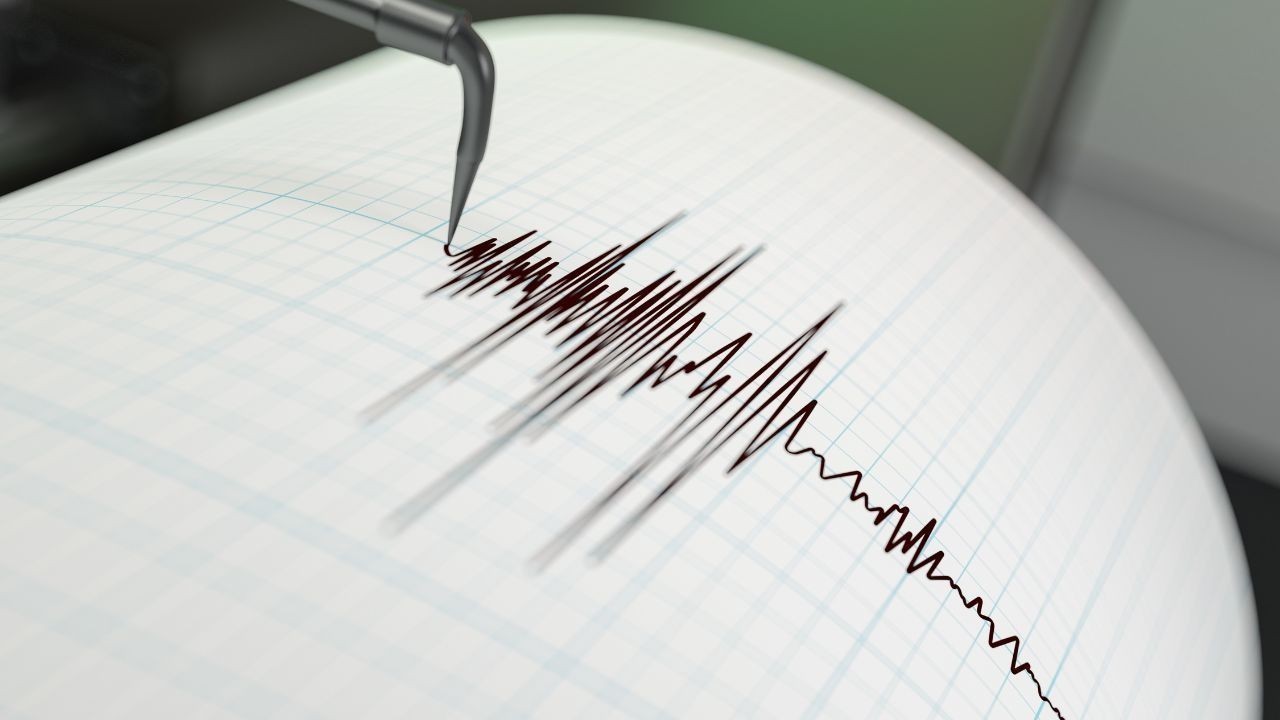
Strong 6.1 Magnitude Earthquake Hits West Sumatra, No Damage
A 6.1 earthquake struck off West Sumatra, Indonesia. No casualties, damage, or tsunami alert reporte

Saudi Confirms Drone Strike on US Embassy Riyadh
Two drones hit the US Embassy in Riyadh, causing a small fire and minor damage. No injuries were rep

UAE Restarts Limited Flights as Regional Airspace Disruptions Continue
UAE restarts limited flights from Dubai as US-Israel attacks on Iran disrupt regional airspace, forc
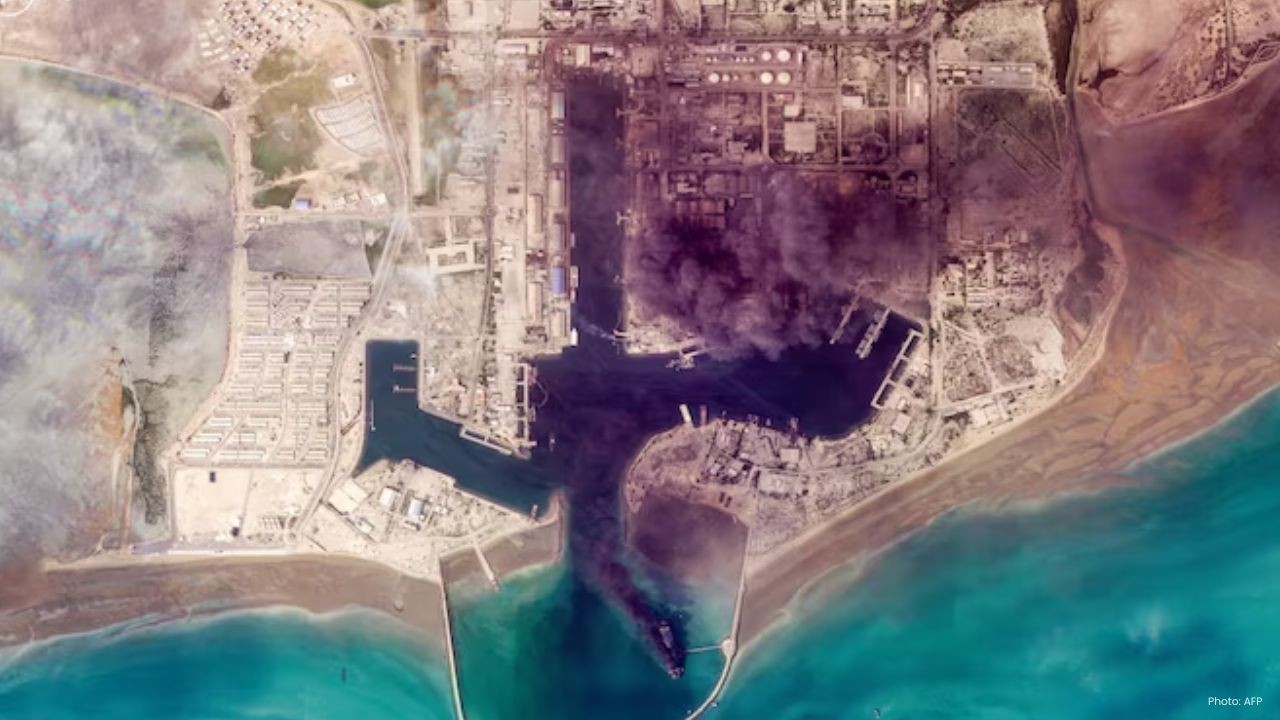
Asia Faces Energy Shock After Iran Closes Strait
Iran shuts Strait of Hormuz amid US-Israel strikes, sending oil prices higher and raising serious en


Bank of Baroda Faces Abu Dhabi Legal Battle over NMC Collapse
Bank of Baroda’s involvement in Abu Dhabi litigation tied to the NMC Healthcare collapse raises repu

Top Museum Openings of 2026 Set to Transform Global Tourism
From Los Angeles to Abu Dhabi and Brussels, 2026 brings major museum launches—Lucas Museum, Guggenhe
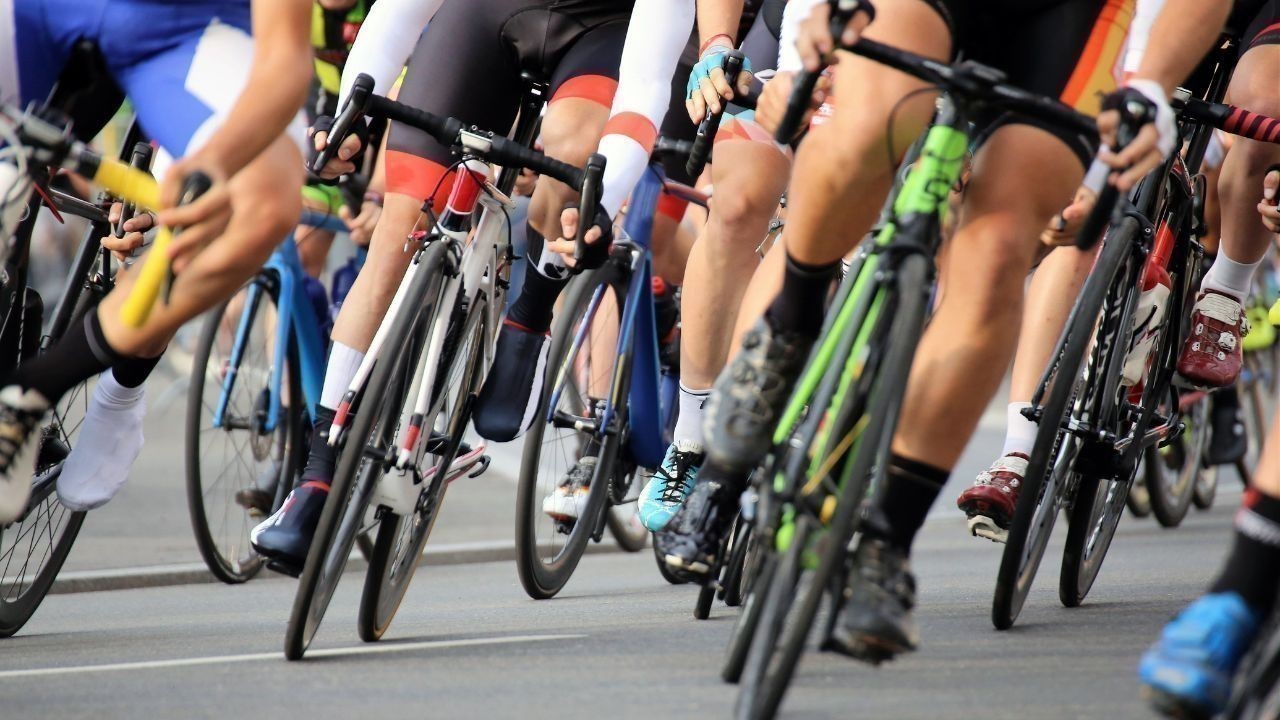
UAE Tour Highlights UAE’s Strength in Hosting Global Sports Events
Abu Dhabi Sports Council says the successful UAE Tour reflects the UAE’s leading role in hosting maj
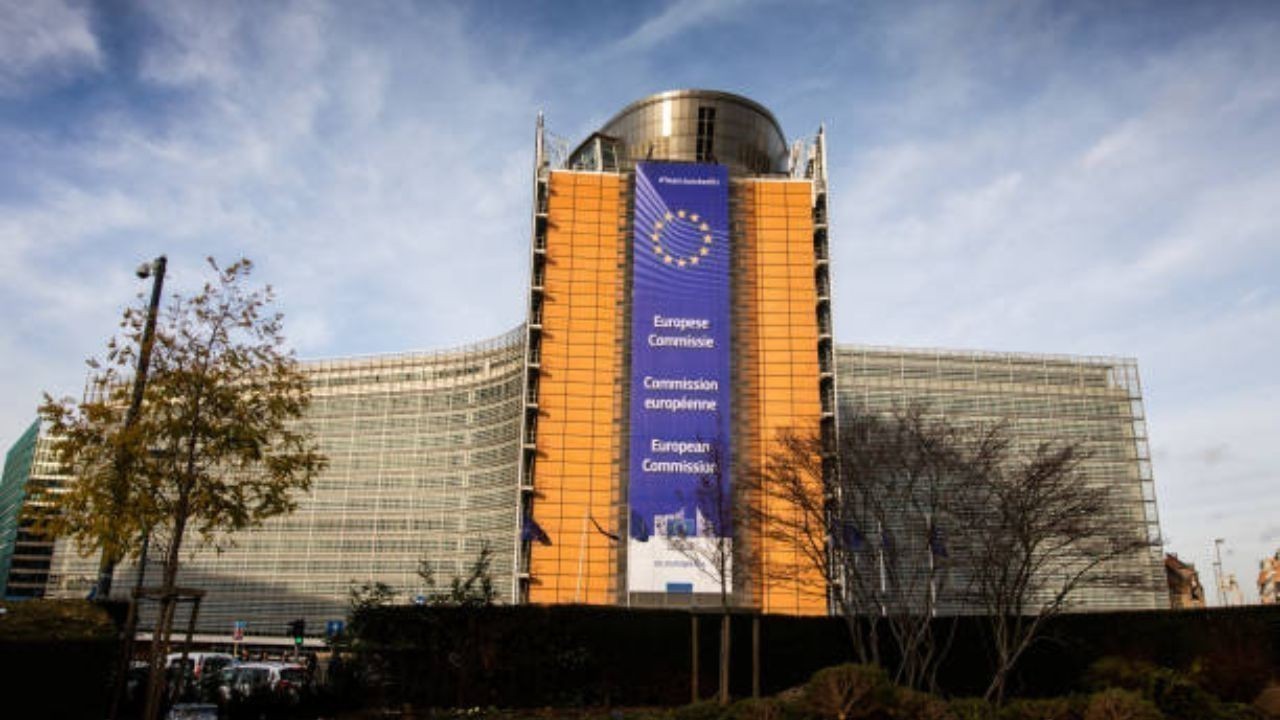
EU Seeks Clarity from US After Supreme Court IEEPA Ruling
European Commission urges full transparency from the US on steps after Supreme Court ruling, emphasi

SpaceX Launches 53 New Satellites for Expanding Starlink Network
SpaceX launches 53 Starlink satellites in two Falcon 9 missions, breaking reuse records and expandin
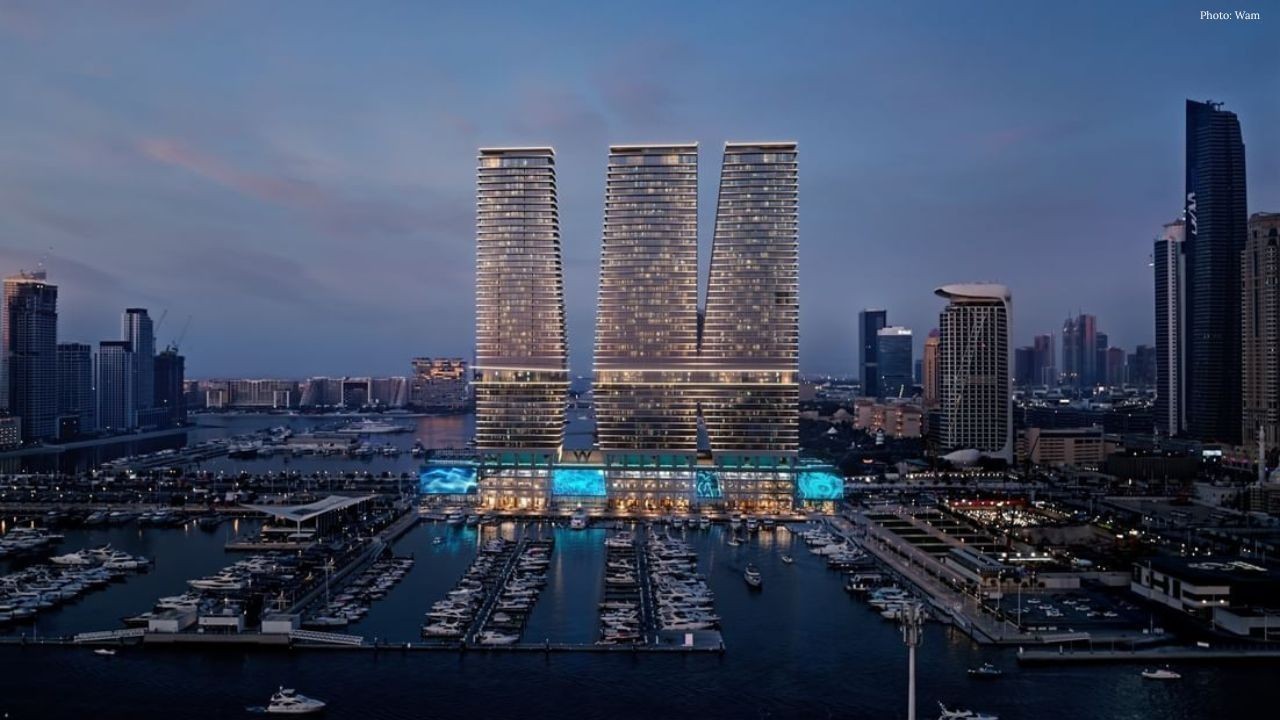
RTA Awards Contract for Phase II of Hessa Street Upgrade in Dubai
Phase II of Hessa Street Development to add bridges, tunnel, and upgraded intersections, doubling ca

UAE Gold Prices Today, Monday 16 February 2026: Dubai & Abu Dhabi Updated Rates
Gold prices in UAE on 16 Feb 2026 updated: 24K around AED 599.75/gm, 22K AED 555.25/gm, and 18K AED
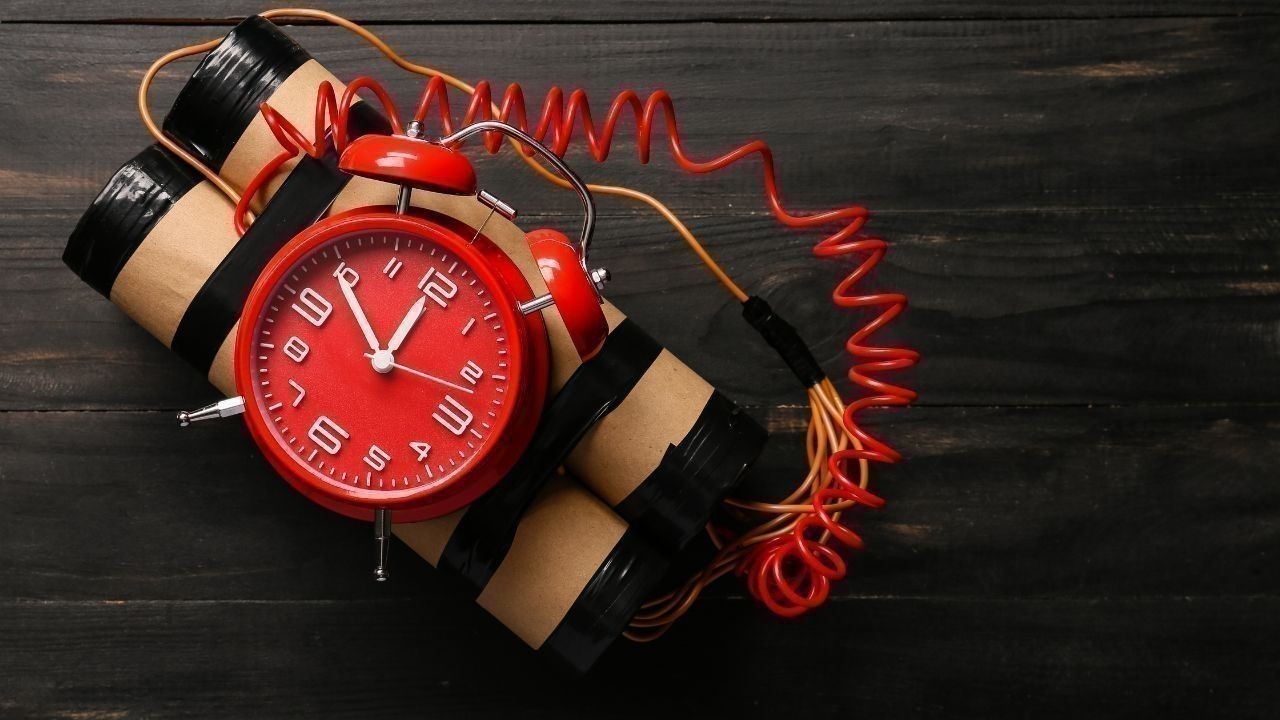
Over 25 Ahmedabad Schools Receive Bomb Threat Email, Authorities Investigate
More than 25 schools in Ahmedabad evacuated after bomb threat emails mentioning Khalistan. Authoriti