Post by : Anis Karim
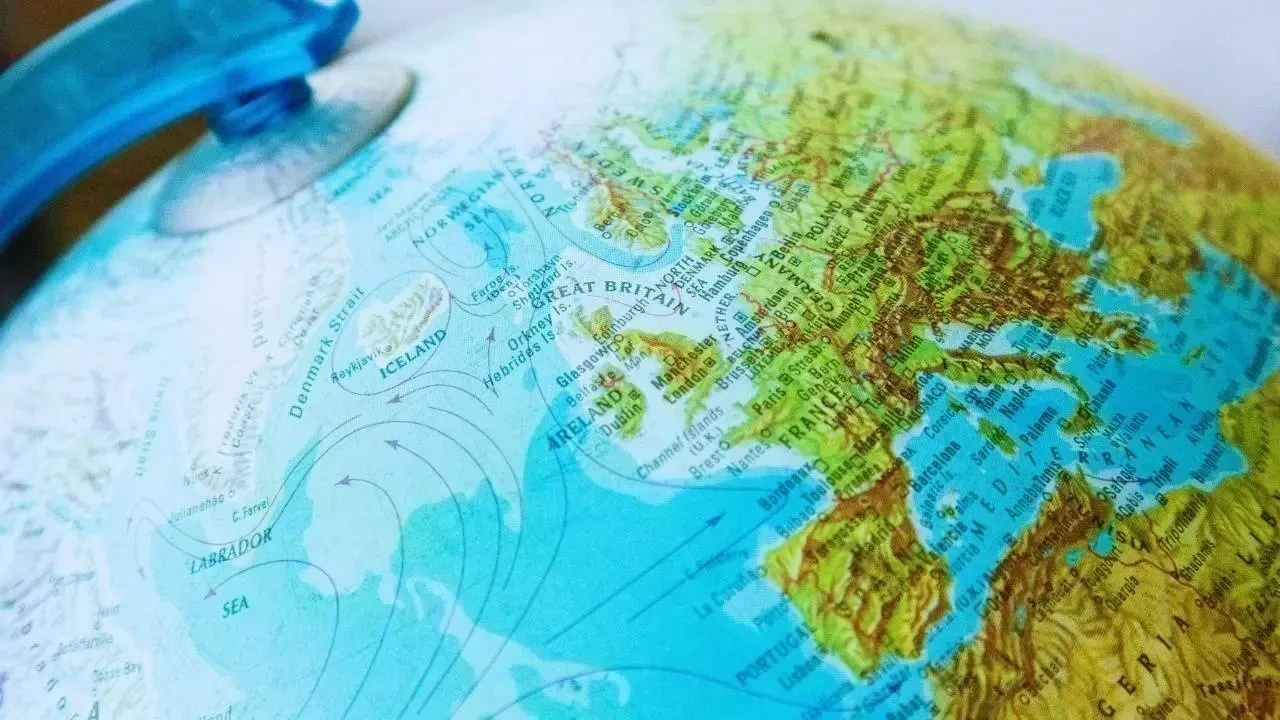
The world in 2026 is characterized by complexities that have altered previous notions of global order. With ongoing geopolitical conflicts, economic volatility, and climate challenges, nations have realized that the era of unilateral action is over.
Today’s strategic alliances are vital for navigating these turbulent times. Unlike rigidly defined blocs of the past, we see a flexible, issue-based approach to partnerships. Countries are coming together not just for ideological reasons, but out of a shared necessity for survival.
While globalization once fostered deep interconnections, it has shown significant vulnerabilities. Ranging from sanctions to trade restrictions, nations are now cautious about overly depending on single partners.
Through strategic alliances, countries can manage their dependencies, allowing them to seek collaboration while maintaining a level of independence.
In the current environment, nations are prioritizing reliable partnerships over broad, uncertain global integration. These alliances foster resilience by allowing for better collaboration on trade, technology, and security.
Modern threats, such as cyberattacks and terrorism, cross borders and require joint responses. No nation can tackle these challenges independently.
Strategic alliances enable countries to share intelligence and strategize collectively, thereby enhancing overall security.
When nations cooperate, they amplify their deterrent capabilities. In a precarious world, the collective stance acts as a stabilizing influence.
Trade is now viewed through a strategic lens, influencing supply chains and market strategies significantly. Alliances are key in securing vital goods and minimizing economic risks.
Alliances allow countries to manage economic shocks collectively by integrating policy responses, which enhances stability during market turbulence.
In the 2026 race for technological dominance, collaboration becomes essential. Alliances streamline research and ensure compatibility in technical standards, which is vital for sustained innovation.
Setting global tech standards becomes a tool of influence, with strategic partnerships ensuring that member countries can thrive in emerging tech sectors.
Climate change knows no borders; its ramifications necessitate joint action. Strategic alliances are pivotal in coordinating climate initiatives and securing resources for effective responses.
Through partnerships, countries can move from climate pledges to actionable strategies, thereby increasing the effectiveness of their efforts.
As broader global frameworks struggle, regional alliances have become essential. They allow countries to tackle issues specific to their geography with efficiency.
In this context, regional partnerships reinforce global relations rather than replace them.
Alliances enable nations to align their global pursuits with local concerns, promoting a multifaceted approach to diplomacy.
Today’s alliances are issue-centric rather than permanent. Countries can adapt based on circumstances, balancing cooperation with interest-based priorities.
In 2026, flexibility and adaptability have become the hallmarks of alliances, allowing countries to navigate uncertainties while fostering collaboration.
As the public becomes more informed about foreign matters, their opinions influence government alliance choices significantly.
Strategic partnerships that deliver economic benefits enhance public support and facilitate domestic backing for international cooperation.
From health crises to financial upheavals, strategic alliances offer essential mechanisms for effective responses during emergencies.
Collective actions and unified strategies serve to minimize chaos during uncertain situations, sustaining stability in global markets.
Internal tensions within alliances can arise when member nations have differing priorities or economic interests. Navigating these challenges is essential for partnership durability.
Although alliances mitigate isolation, it's crucial for nations to maintain some measure of independence to avoid new vulnerabilities.
As conventional institutions face challenges, strategic alliances are stepping forward to bridge operational gaps, acting with agility where slower institutions may falter.
Countries now manage diverse alliance engagements, which requires skillful coordination to navigate the complexities inherent in a multifaceted global structure.
Strategic initiatives in infrastructure and innovation are facilitated through alliance collaboration, enhancing competitiveness while mitigating risks.
The power derived from alliances enhances nations’ negotiating positions, granting greater access to international markets and resources.
In a world of growing polarization, countries find it challenging to maintain neutrality without strategic alignment.
Countries are now adopting selective engagement strategies, fostering alliances on key issues while retaining broader autonomy.
Strategic alliances in 2026 serve not just as temporary arrangements but as essential components for enduring stability in a complex global landscape.
In addition to traditional metrics of strength, nations will find that trust amongst allies proves invaluable as they work to ensure sustainability in their partnerships.
In 2026, the significance of strategic alliances has become even more pronounced. With intricate challenges from security to technology and climate, unity in action is vital.
These alliances not only enhance countries' influence but also provide pathways to mitigate risks and foster stability. Those who embrace this cooperative mentality will be poised to navigate the evident challenges ahead.
Disclaimer:
This article is meant for informational purposes and does not offer diplomatic or strategic recommendations. The dynamics of international relations may evolve.

US Stocks Slide as AI Fears, Inflation and Oil Surge Weigh
US stocks dropped as AI disruption fears hit tech firms, inflation rose above forecasts, and oil pri

Pacific Prime Wins Top Honors at Cigna Awards 2026
Pacific Prime secured Top Individual Broker and Top SME Broker awards at Cigna’s Annual Broker Award
QatarEnergy Halts LNG Output After Military Attack
QatarEnergy has stopped LNG production after military attacks hit its facilities in Ras Laffan and M

Strong 6.1 Magnitude Earthquake Hits West Sumatra, No Damage
A 6.1 earthquake struck off West Sumatra, Indonesia. No casualties, damage, or tsunami alert reporte

Saudi Confirms Drone Strike on US Embassy Riyadh
Two drones hit the US Embassy in Riyadh, causing a small fire and minor damage. No injuries were rep

UAE Restarts Limited Flights as Regional Airspace Disruptions Continue
UAE restarts limited flights from Dubai as US-Israel attacks on Iran disrupt regional airspace, forc
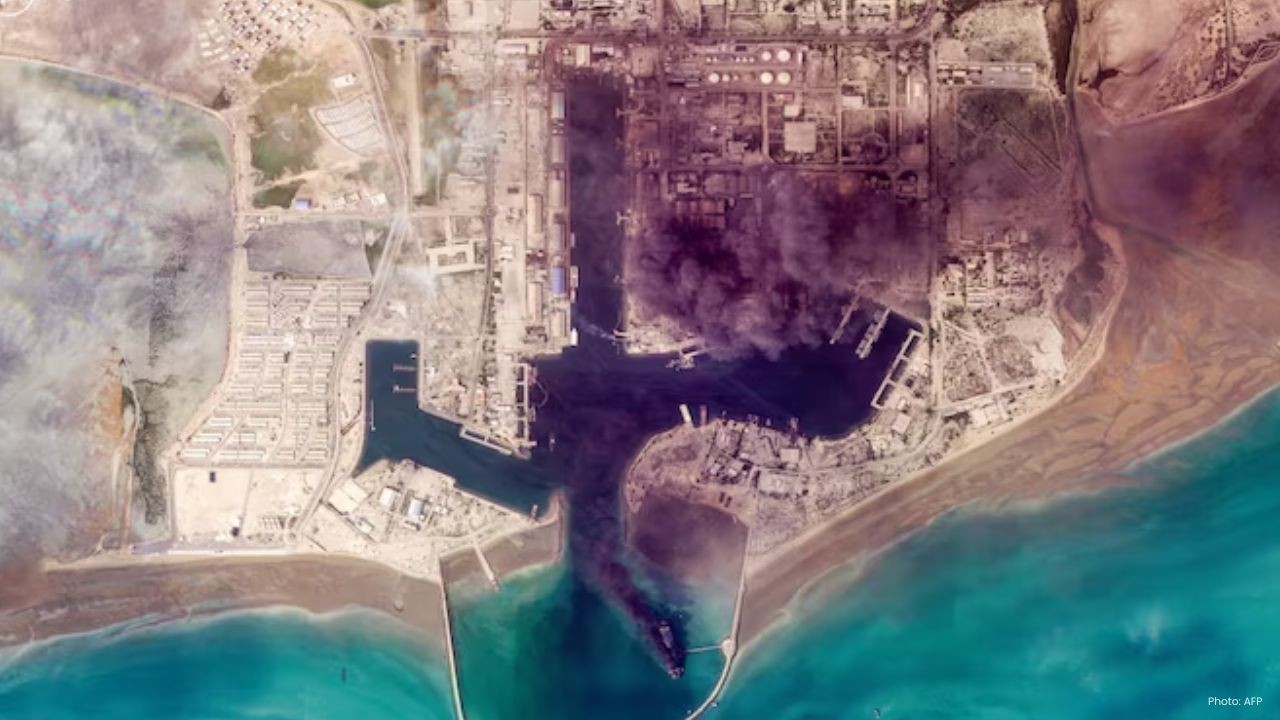
Asia Faces Energy Shock After Iran Closes Strait
Iran shuts Strait of Hormuz amid US-Israel strikes, sending oil prices higher and raising serious en


Bank of Baroda Faces Abu Dhabi Legal Battle over NMC Collapse
Bank of Baroda’s involvement in Abu Dhabi litigation tied to the NMC Healthcare collapse raises repu

Top Museum Openings of 2026 Set to Transform Global Tourism
From Los Angeles to Abu Dhabi and Brussels, 2026 brings major museum launches—Lucas Museum, Guggenhe

UAE Tour Highlights UAE’s Strength in Hosting Global Sports Events
Abu Dhabi Sports Council says the successful UAE Tour reflects the UAE’s leading role in hosting maj

EU Seeks Clarity from US After Supreme Court IEEPA Ruling
European Commission urges full transparency from the US on steps after Supreme Court ruling, emphasi
SpaceX Launches 53 New Satellites for Expanding Starlink Network
SpaceX launches 53 Starlink satellites in two Falcon 9 missions, breaking reuse records and expandin

RTA Awards Contract for Phase II of Hessa Street Upgrade in Dubai
Phase II of Hessa Street Development to add bridges, tunnel, and upgraded intersections, doubling ca

UAE Gold Prices Today, Monday 16 February 2026: Dubai & Abu Dhabi Updated Rates
Gold prices in UAE on 16 Feb 2026 updated: 24K around AED 599.75/gm, 22K AED 555.25/gm, and 18K AED

Over 25 Ahmedabad Schools Receive Bomb Threat Email, Authorities Investigate
More than 25 schools in Ahmedabad evacuated after bomb threat emails mentioning Khalistan. Authoriti