Author : Global Affairs Desk
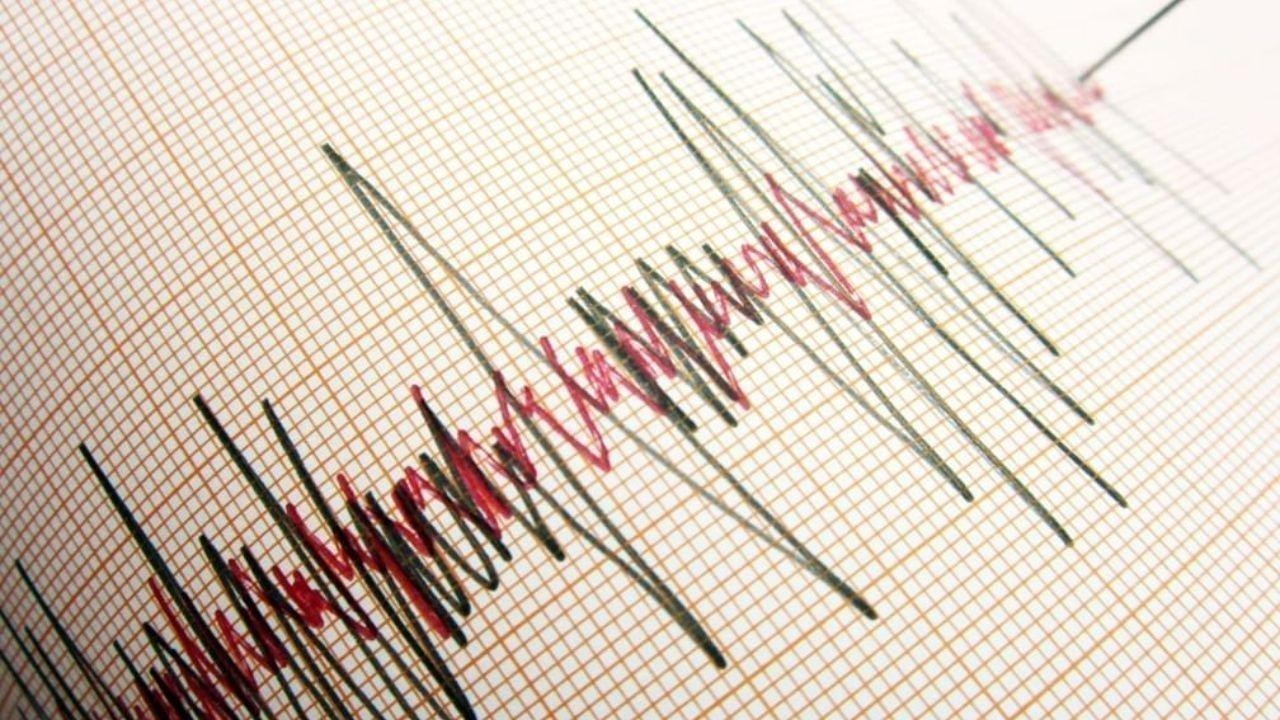
On the morning of Wednesday, July 30, the Kamchatka Peninsula in Russia’s Far East was shaken by a powerful earthquake. This earthquake was recorded at a massive magnitude of 8.8, making it the strongest earthquake to strike the region since the year 1952. The earthquake occurred off the coast of Kamchatka and caused immediate concern among both local residents and emergency services.
But the quake was only the beginning. In the following 24 hours, approximately 120 aftershocks were recorded across the region. These aftershocks varied in strength and were felt by people in nearby towns and cities. Some of them had magnitudes ranging from 3.5 to 6.7, and in several populated areas, residents felt these as mild to strong shakes.
Stay informed with the latest news. Follow DXB News Network on WhatsApp Channel
Where Is Kamchatka and Why Is It Prone to Earthquakes?
Kamchatka is a peninsula in the Far Eastern part of Russia, surrounded by the Pacific Ocean and the Sea of Okhotsk. The region is known for its volcanoes and tectonic activity because it lies in a zone where tectonic plates meet—specifically, the Pacific Plate and the North American Plate. When these plates move, they create pressure and tension deep under the Earth’s surface, and sometimes this pressure is released suddenly in the form of an earthquake.
That’s exactly what happened on July 30. A powerful movement occurred beneath the sea near Kamchatka’s coast, triggering the 8.8 magnitude earthquake.
Details of the Earthquake
The earthquake struck early in the morning and was powerful enough to be felt across a wide region. According to official information, this was the most powerful earthquake in over 70 years in Kamchatka. The last earthquake of such strength occurred back in 1952.
Although the epicenter of the earthquake was under the sea, the tremors were felt strongly on land too. People living in coastal towns and villages reported that buildings shook, items fell off shelves, and many people ran out of their homes in fear. Some even described the ground as "rolling beneath their feet" and "walls shaking like waves."
What Are Aftershocks?
After a major earthquake, the Earth’s crust does not settle immediately. Instead, it continues to adjust for hours, days, or even weeks afterward. These smaller tremors are known as aftershocks.
In Kamchatka’s case, the regional department of Russia’s Ministry of Emergency Situations (EMERCOM) reported that about 120 aftershocks occurred within the first 24 hours following the main earthquake. These aftershocks had magnitudes between 3.5 and 6.7.
Although most aftershocks are weaker than the main quake, they can still be dangerous—especially for already damaged buildings or unstable land. In some populated areas, people felt the aftershocks with magnitudes ranging between 2 and 5, causing continued fear and discomfort.
Impact on People and Places
Many residents were frightened by the sudden quake and the repeated aftershocks. According to reports, people in coastal areas evacuated buildings, especially taller structures, and gathered in open spaces to stay safe.
While no major injuries or deaths were reported immediately, the emotional impact was significant. Families were seen camping outside their homes, not daring to return indoors as aftershocks continued. Some homes and buildings showed minor cracks and structural damage, but emergency teams were quick to assess and respond.
Children, elderly people, and those with health conditions were provided special care and support by local emergency services. Medical teams remained on standby, and rescue workers monitored areas for signs of landslides or further risks.
Emergency Response and Safety Measures
The Russian government and local emergency officials acted quickly to respond to the disaster. Teams from the EMERCOM were sent out to inspect buildings, roads, bridges, and utility lines. In areas where the ground was unstable, authorities advised people to stay away until it was safe to return.
Schools and public buildings were temporarily closed to ensure the safety of students and staff. Officials were also on alert for any signs of a tsunami, although no tsunami warnings were issued following the main quake.
Rescue workers continued to patrol the area and offer assistance to those who needed help. The government also released regular updates to keep the public informed and safe.
Comparison to Previous Earthquakes
This earthquake reminded many people of the devastating quake that hit Kamchatka in 1952, which also had a very high magnitude and caused a large tsunami. That earlier disaster resulted in significant destruction and loss of life.
However, thanks to modern technology, early warning systems, and better emergency planning, the impact of the July 30 quake was less destructive. Officials were able to act quickly, and the people were better prepared.
What Experts Are Saying
Seismologists and scientists studying the event have shared important insights. They explained that Kamchatka lies in one of the most active earthquake zones in the world. It’s called a subduction zone, where one tectonic plate slides under another. These zones often experience powerful earthquakes.
Experts also mentioned that it’s common for such a strong earthquake to be followed by dozens or even hundreds of aftershocks. They have advised people in the region to stay alert for the next several days, as more aftershocks may still occur.
What to Do During an Earthquake
This incident is a reminder of how important it is to know what to do during an earthquake. Here are a few simple tips that everyone should remember:
Drop, Cover, and Hold On: If you feel shaking, get down to your hands and knees, take cover under a sturdy table or desk, and hold on until the shaking stops.
Stay Away from Windows and Heavy Objects: Things like glass or furniture can fall and hurt you.
If Outside, Stay Away from Buildings: Go to an open area where nothing can fall on you.
Don’t Use Elevators: Always use stairs during an emergency.
Kamchatka Stays Strong
The people of Kamchatka have shown great courage in the face of nature’s power. Despite the fear caused by the massive earthquake and the 120 aftershocks that followed, no major injuries or damages were reported at the time of writing. Authorities continue to monitor the situation, and emergency services remain active and ready.
This natural event reminds us how important preparedness and quick action are during such times. With scientists keeping a close watch and the government providing help, Kamchatka is working hard to stay safe and recover steadily.

US Stocks Slide as AI Fears, Inflation and Oil Surge Weigh
US stocks dropped as AI disruption fears hit tech firms, inflation rose above forecasts, and oil pri

Pacific Prime Wins Top Honors at Cigna Awards 2026
Pacific Prime secured Top Individual Broker and Top SME Broker awards at Cigna’s Annual Broker Award

QatarEnergy Halts LNG Output After Military Attack
QatarEnergy has stopped LNG production after military attacks hit its facilities in Ras Laffan and M
Strong 6.1 Magnitude Earthquake Hits West Sumatra, No Damage
A 6.1 earthquake struck off West Sumatra, Indonesia. No casualties, damage, or tsunami alert reporte

Saudi Confirms Drone Strike on US Embassy Riyadh
Two drones hit the US Embassy in Riyadh, causing a small fire and minor damage. No injuries were rep

UAE Restarts Limited Flights as Regional Airspace Disruptions Continue
UAE restarts limited flights from Dubai as US-Israel attacks on Iran disrupt regional airspace, forc
Asia Faces Energy Shock After Iran Closes Strait
Iran shuts Strait of Hormuz amid US-Israel strikes, sending oil prices higher and raising serious en


Bank of Baroda Faces Abu Dhabi Legal Battle over NMC Collapse
Bank of Baroda’s involvement in Abu Dhabi litigation tied to the NMC Healthcare collapse raises repu

Top Museum Openings of 2026 Set to Transform Global Tourism
From Los Angeles to Abu Dhabi and Brussels, 2026 brings major museum launches—Lucas Museum, Guggenhe

UAE Tour Highlights UAE’s Strength in Hosting Global Sports Events
Abu Dhabi Sports Council says the successful UAE Tour reflects the UAE’s leading role in hosting maj

EU Seeks Clarity from US After Supreme Court IEEPA Ruling
European Commission urges full transparency from the US on steps after Supreme Court ruling, emphasi
SpaceX Launches 53 New Satellites for Expanding Starlink Network
SpaceX launches 53 Starlink satellites in two Falcon 9 missions, breaking reuse records and expandin

RTA Awards Contract for Phase II of Hessa Street Upgrade in Dubai
Phase II of Hessa Street Development to add bridges, tunnel, and upgraded intersections, doubling ca

UAE Gold Prices Today, Monday 16 February 2026: Dubai & Abu Dhabi Updated Rates
Gold prices in UAE on 16 Feb 2026 updated: 24K around AED 599.75/gm, 22K AED 555.25/gm, and 18K AED

Over 25 Ahmedabad Schools Receive Bomb Threat Email, Authorities Investigate
More than 25 schools in Ahmedabad evacuated after bomb threat emails mentioning Khalistan. Authoriti