Post by : Michael Darzi
In today’s world, the difference between having plenty and having very little is easier to see than ever. Imagine a plate split in two — one side full of fresh, colorful fruits, vegetables, and grains, while the other side holds only dry, stale bread, barely enough to fill a stomach. This image is more than just a picture. It shows a real problem in our world: food inequality. While some people enjoy healthy, tasty meals every day, millions of others struggle to find enough food or anything nutritious to eat. The gap between “stale” and “tasty” is not just about food — it shows the unfair differences in money, resources, and opportunities that exist in our society.
One clear sign of food inequality is the difference between city life and rural life. Big cities, with tall buildings and modern technology, often represent wealth, comfort, and opportunities. People living in these areas have easy access to supermarkets filled with fresh fruits, vegetables, and other healthy foods. They also have good schools, hospitals, and well-maintained roads that make getting and storing food much easier.
On the other hand, many rural communities face a very different reality. People live in simple homes or huts, often far away from cities. They may not have enough money, schools, or health services. Fresh food can be hard to find, and families sometimes have to rely on whatever is available, even if it is stale or not very nutritious. Children in these areas may not get enough vitamins or protein, which can affect their growth and health. The contrast between urban abundance and rural scarcity shows how uneven life can be in today’s world.
Food is not just about filling your stomach — it is about staying healthy and strong. Eating fresh fruits, vegetables, grains, and protein-rich foods gives our bodies the vitamins and minerals we need. Healthy food helps kids grow, keeps adults energetic and focused, and protects everyone from sickness.
When people do not get enough good food, it can lead to serious problems. Malnutrition can make children smaller or weaker than they should be and can cause sickness in adults. Poor-quality food can also increase the risk of long-term diseases like diabetes or heart problems. The split plate — one side full of fresh food and the other side just dry bread — is a clear symbol of this unfairness. It reminds us that access to healthy food affects health and life chances.
Food inequality does not happen by accident. There are several reasons why some people have plenty while others struggle:
Economic Differences: Families with more money can buy a variety of healthy foods, while poorer families often cannot.
Education and Knowledge: Many people do not know which foods are healthy, even when food is available.
Urban Development: Cities often get more resources, roads, and stores, while rural areas are left behind.
Climate and Environment: Droughts, floods, and poor soil make it hard for farmers to grow food in some regions.
Global Trade: Sometimes international trade rules make it easier for wealthy countries to get cheap food, leaving poor regions with fewer choices.
All these factors work together to make it hard for many families to access good food.
Although the problem is big, people and organizations are trying to make a difference. Governments, charities, and local groups are working to give everyone better access to fresh and healthy food. Some of the ways they are helping include:
Urban Farming: People are growing fruits and vegetables on rooftops or in small community gardens to provide fresh food locally.
Food Banks and Distribution: Extra food from stores or farms is given to people in need, so fewer meals go to waste.
Nutrition Education: Schools and community programs teach families how to cook healthy meals and store food safely.
Sustainable Farming: Farmers are learning ways to grow more food even when weather or soil conditions are difficult.
These efforts are important, but they need continued support from everyone — governments, communities, and individuals — to make a lasting change.
Food inequality is not just a number on a chart — it is a daily reality for millions of people. Learning about it and talking about it is the first step toward change. Supporting local farmers, donating to food programs, volunteering at community kitchens, and making smarter choices about the food we buy can all help.
Everyone deserves access to fresh, nutritious, and tasty food. By understanding the gap between “stale” and “tasty,” we can work together to make a fairer world. Food inequality is a challenge, but with knowledge, compassion, and action, it is one we can solve — one meal at a time.
The information in this article is provided by DXB News Network for educational and awareness purposes only. It should not replace expert advice on nutrition, health, or policy. Readers are encouraged to seek guidance from certified nutritionists, health professionals, or official organizations for accurate and personalized information.

US Stocks Slide as AI Fears, Inflation and Oil Surge Weigh
US stocks dropped as AI disruption fears hit tech firms, inflation rose above forecasts, and oil pri

Pacific Prime Wins Top Honors at Cigna Awards 2026
Pacific Prime secured Top Individual Broker and Top SME Broker awards at Cigna’s Annual Broker Award
QatarEnergy Halts LNG Output After Military Attack
QatarEnergy has stopped LNG production after military attacks hit its facilities in Ras Laffan and M
Strong 6.1 Magnitude Earthquake Hits West Sumatra, No Damage
A 6.1 earthquake struck off West Sumatra, Indonesia. No casualties, damage, or tsunami alert reporte

Saudi Confirms Drone Strike on US Embassy Riyadh
Two drones hit the US Embassy in Riyadh, causing a small fire and minor damage. No injuries were rep

UAE Restarts Limited Flights as Regional Airspace Disruptions Continue
UAE restarts limited flights from Dubai as US-Israel attacks on Iran disrupt regional airspace, forc
Asia Faces Energy Shock After Iran Closes Strait
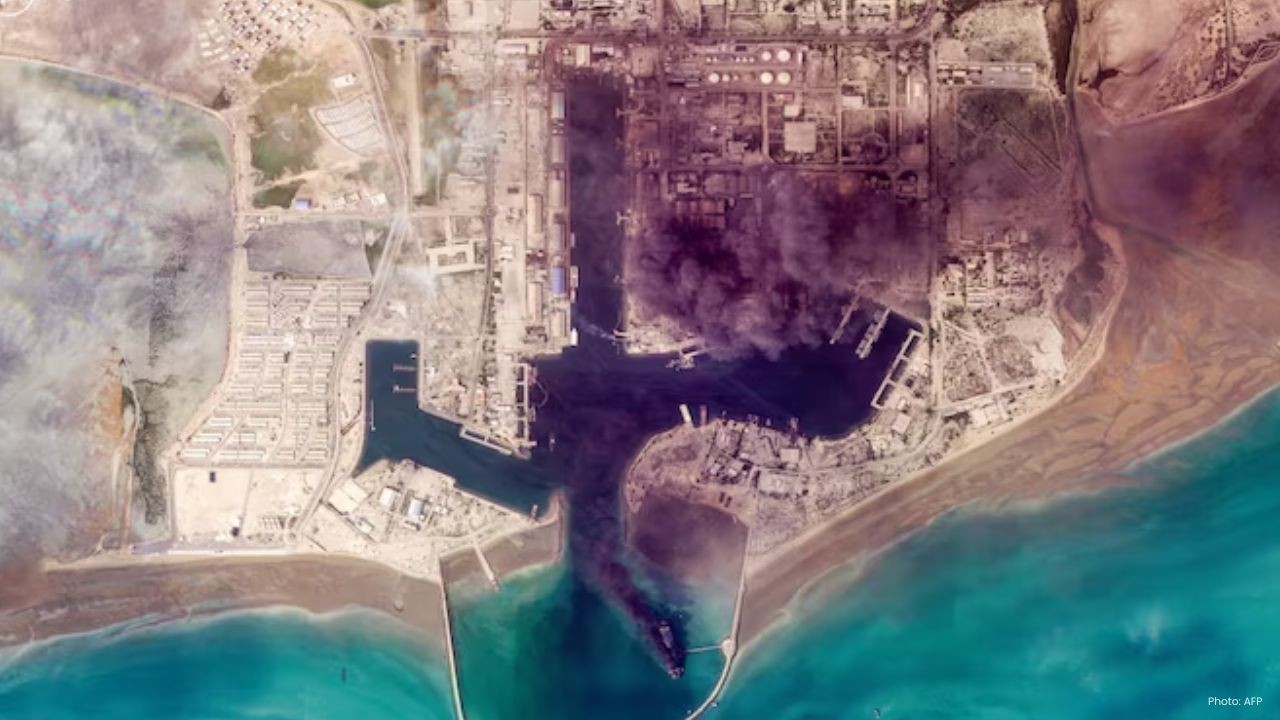
Iran shuts Strait of Hormuz amid US-Israel strikes, sending oil prices higher and raising serious en


Bank of Baroda Faces Abu Dhabi Legal Battle over NMC Collapse
Bank of Baroda’s involvement in Abu Dhabi litigation tied to the NMC Healthcare collapse raises repu

Top Museum Openings of 2026 Set to Transform Global Tourism
From Los Angeles to Abu Dhabi and Brussels, 2026 brings major museum launches—Lucas Museum, Guggenhe
UAE Tour Highlights UAE’s Strength in Hosting Global Sports Events
Abu Dhabi Sports Council says the successful UAE Tour reflects the UAE’s leading role in hosting maj
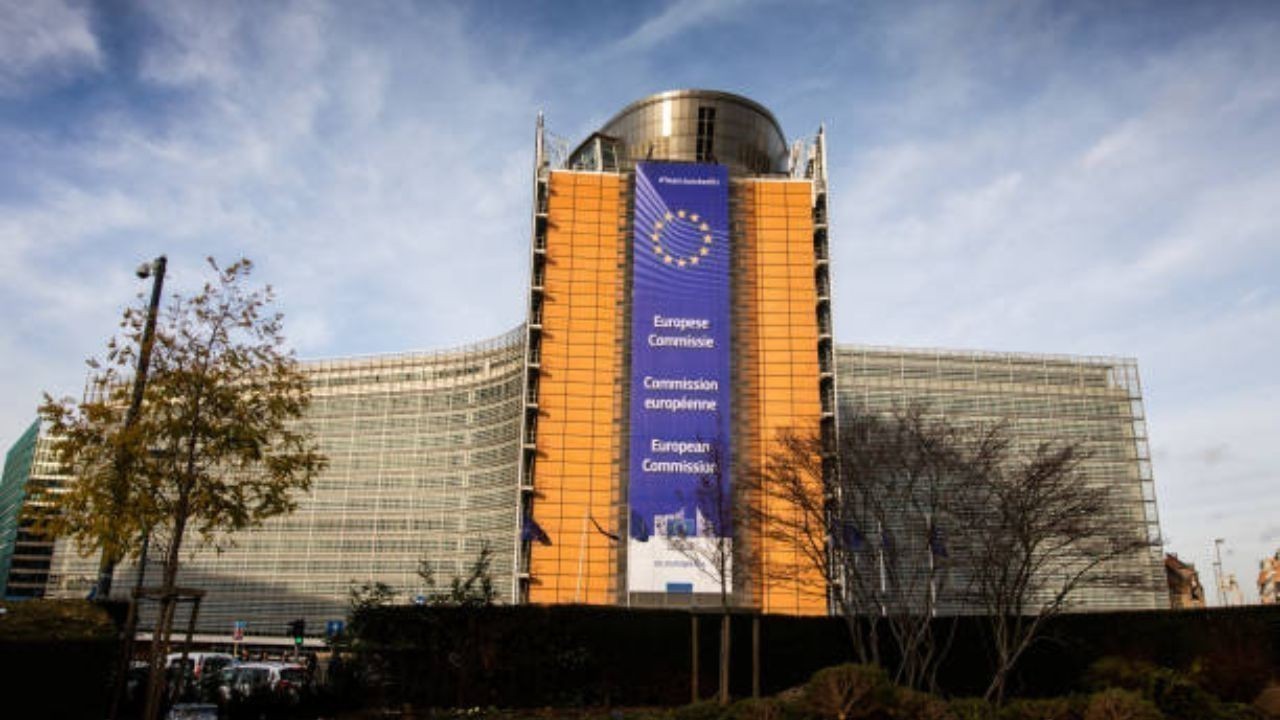
EU Seeks Clarity from US After Supreme Court IEEPA Ruling
European Commission urges full transparency from the US on steps after Supreme Court ruling, emphasi

SpaceX Launches 53 New Satellites for Expanding Starlink Network
SpaceX launches 53 Starlink satellites in two Falcon 9 missions, breaking reuse records and expandin

RTA Awards Contract for Phase II of Hessa Street Upgrade in Dubai
Phase II of Hessa Street Development to add bridges, tunnel, and upgraded intersections, doubling ca

UAE Gold Prices Today, Monday 16 February 2026: Dubai & Abu Dhabi Updated Rates
Gold prices in UAE on 16 Feb 2026 updated: 24K around AED 599.75/gm, 22K AED 555.25/gm, and 18K AED

Over 25 Ahmedabad Schools Receive Bomb Threat Email, Authorities Investigate
More than 25 schools in Ahmedabad evacuated after bomb threat emails mentioning Khalistan. Authoriti