Post by : Anis Karim
In today's connected world, the internet serves as the primary resource for travelers preparing for their journeys. During peak seasons, when crowds gather, the emphasis on safety escalates. Concerns about fog on highways, unexpected coastal storms, or extreme desert temperatures drive many to seek guidance online. In 2026, digital platforms have transformed into handy travel guides, easily accessible via smartphones.
The rush to travel during seasonal events isn't just about excitement; it's a practical response to ensure family safety and budget management. As major holidays approach, questions arise: Is the road safe? Are flights on schedule? Understanding this surge in inquiries offers insight into how life increasingly intertwines joy with caution. The upcoming sections will delve into the reasons behind this trend and its implications on various industries as well as decision-making processes.
The New Year's celebration continues to be a major travel incentive. After a demanding year, families often plan getaways as January approaches. However, winter weather conditions, like dense fog and chilly winds in places like New Zealand, lead travelers to check safety updates and forecasts at the same time they secure their tickets. Airports and roadways become as busy as a carnival, prompting a keen focus on travel guides.
During early January 2026, visitors flooded search platforms with inquiries about cold-weather packing and hydration tips for heat waves. This shows that travelers approach their plans methodically, craving practical advice to avoid mishaps. Trends favoring home-cooked meals and wellness practices have also reinforced a preference for indoor activities during unsafe weather, intensifying online search behavior.
Cultural practices associated with religious festivities often compel individuals to return to their hometowns. For many families across Asia, weddings entail extensive travel often influenced by seasonal weather challenges. The festive spirit has made wealth in tangible forms appealing and the journey unavoidable, especially when these significant events coincide with adverse weather.
In 2026, various festivals in the Gulf and India faced storm warnings, leading families to seek clarity on road conditions. The internet has emerged as a reliable advisor, revealing social uneasiness regarding delays or hazards. Such searches reflect a desire not to be featured in distressing headlines.
Younger generations are more mobile but consistently check their devices for updates. Social media trends—like viral recipes or styles—prompt them to organize trips to recreate these experiences. This peer-driven curiosity boosts search activity, especially during significant seasonal occasions.
Weather patterns serve as prominent triggers for safety queries. Conditions like fog on northern roads or frost in urban areas raise anxiety levels among drivers. Black ice, often invisible, becomes a formidable hazard to be avoided. When confronted with these challenges, families often move to cancel trips or delay plans, initiating their search for safety information online.
In 2026, the rise of AI-based tools for personal skin assessments parallels travelers' needs for reliable forecasts. Rather than risk unproven methods, travelers seek assurances through weather applications. Subtle shifts in environmental conditions may drastically affect road safety, explaining the rise in queries during media discussions about adverse weather.
Warming ocean temperatures and storm alerts significantly impact travel plans along coastlines. Warnings of storms along the Gulf coast or excessive heat in the Dubai desert prompt individuals to question how to protect themselves while arranging flights. The advent of electric aircraft and delivery drones heavily relies on real-time weather data, ultimately determining travel feasibility.
The media’s portrayal of both travel delays and weather issues creates a significant push for immediate searches. When discussions arise about flight interruptions or trade policies affecting travel, audiences quickly look online for confirmation. Social media platforms reflect a keen interest in discussions rather than passive engagement.
Airlines consider seasonal peaks as critical challenges each year. Increased search volumes signal the need for additional staff, parking availability, and adaptable scheduling. In 2026, airports resemble vibrant markets, where technicians align skincare products alongside boarding gates. Monitoring such search trends enables airlines to forecast cancellations or refund requests more accurately.
Discussions surrounding ethical practices in travel mirror the manner in which airlines manage real-life complexities. Employing technologies within enterprise operations—like logs and metrics—paves the way for enhanced safety protocols across busy terminals.
Retail innovations offer consumers mixed packages where they can purchase both gold and silver items alongside travel safety kits. Rising freight costs following busy seasons can impact the delivery of beauty products and meals. The emergence of decentralized Web3 wallets provides smoother transactions for users, decreasing logistic complications.
As robotics in various sectors emerge—like hospitality bots and autonomous delivery vehicles—real-time data impacts their operations. In 2026, the correlation between search peaks and stock management has been more apparent.
Smart cities utilizing sensor networks to enhance living conditions depend on up-to-date analytics. On fog-laden days, traffic signals adapt, and self-driving cars reduce speed, benefiting community workflows and gaining widespread public admiration.
In 2026, households approach their travel strategies akin to financial diversification. Spreading travel times across various routes based on weather conditions becomes routine. By assessing guidance on safety and timings together—not unlike financial investments—families appease their need for security.
Consumers are now more inclined to engage in purchasing small gold or silver coins and safety kits. Monthly subscription services that offer previews of upcoming products reduce return rates and enhance satisfaction levels.
In times of distress—be it geopolitical instability or transportation issues—people instinctively seek reassurance. Gold, silver, and weather guidance serve as sources of comfort. This reflex sheds light on the interconnectedness of safety inquiries.
Much like characters in thrillers, families strive to keep their loved ones protected from impending storms. Modern health solutions and personalized healthcare shape personal choices and intertwine with patterns observed in seasonal safety inquiries.
Coverage of global phenomena impacts behavior relating to weather awareness. As media discusses cultural influences on travel preferences, audiences are encouraged to remain vigilant in their inquiries.
Historical economic factors
Inflation hedging mindsets
Currency valuation concerns
Interest rate alterations
Diversified trade strategies
Jewelry craftsmanship traditions
Solar energy sector growth
Mining profitability fluctuations
Media storytelling dynamics
Availability of collectible items
Migration-related security concerns
Production limitations in refineries
Investment diversification habits
Group psychology in consumerism
Cultural buying practices
Retail presentation strategies
Financial literacy trends
Technology-enhanced availability
Supply chain challenges in transport
Underlying themes of global risk
(These factors play a role in the simultaneous rise of weather and safety inquiries.)
AI tools can sometimes misinterpret variables, along with potential inaccuracies in weather forecasting apps. Experts recommend that technological assistance should complement professional insights rather than replace them.
Premium goods and investments like gold and truffles have accessibility issues, requiring gradual adaptation by consumers.
Blockchain technology equips entrepreneurs to create services and retail environments centered on sustainable practices. Seasonal travel consideration can be positively influenced through these developments.
Responses from Gen Z drive engagement, alongside advances in hospitality automation.
Advancements in technology like quantum simulations hold the promise of addressing latent demands for both silver and gold. Enhanced connectivity technologies could allow for new approaches to validate transactions securely. These developments could solidify the link between weather concerns and precious metal inquiries as we move through 2026 and beyond.
Future explorations of lunar resources may shape central banking strategies while affecting household ownership of precious metals, thereby influencing seasonal safety searches.
The increased interest in travel safety and weather awareness during key seasonal events in 2026 highlights a growing trend of precaution and preparation among travelers. Factors such as fog, frost, black ice, and extreme weather conditions play pivotal roles in driving these queries, while cultural nuances and social psychology promote ongoing vigilance.
Industries encompassing travel, retail, and urban living phase strategies based on these emerging search behaviors. While challenges regarding accuracy and cost persist, the demand for a thoughtful and precautionary approach thrives.
As we progress into 2026, collaborative efforts, innovations for packaging, and advancements in communication technologies will continue to redefine travel planning practices, facilitating more thoughtful decision-making ahead of time.
Disclaimer:
The content shared herein is for educational purposes only. The travel and weather discussions reflect emerging public interests and do not replace expert advice.

US Stocks Slide as AI Fears, Inflation and Oil Surge Weigh
US stocks dropped as AI disruption fears hit tech firms, inflation rose above forecasts, and oil pri

Pacific Prime Wins Top Honors at Cigna Awards 2026
Pacific Prime secured Top Individual Broker and Top SME Broker awards at Cigna’s Annual Broker Award
QatarEnergy Halts LNG Output After Military Attack
QatarEnergy has stopped LNG production after military attacks hit its facilities in Ras Laffan and M
Strong 6.1 Magnitude Earthquake Hits West Sumatra, No Damage
A 6.1 earthquake struck off West Sumatra, Indonesia. No casualties, damage, or tsunami alert reporte
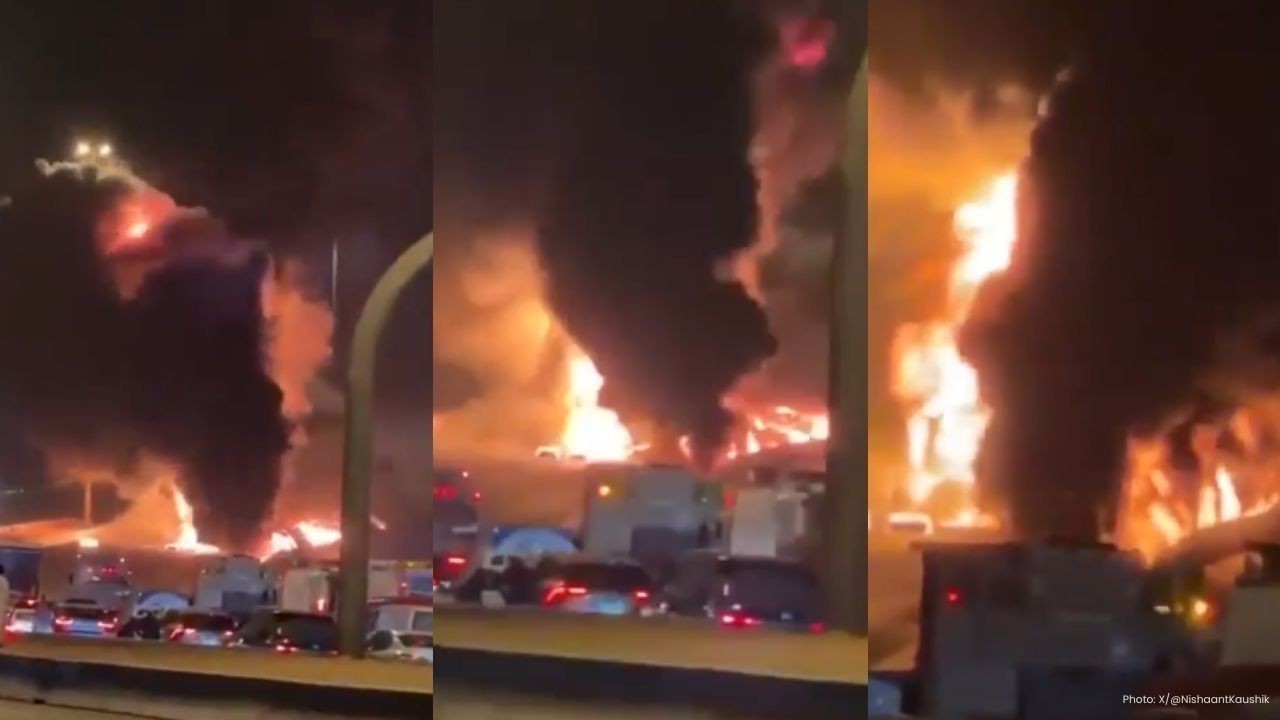
Saudi Confirms Drone Strike on US Embassy Riyadh
Two drones hit the US Embassy in Riyadh, causing a small fire and minor damage. No injuries were rep
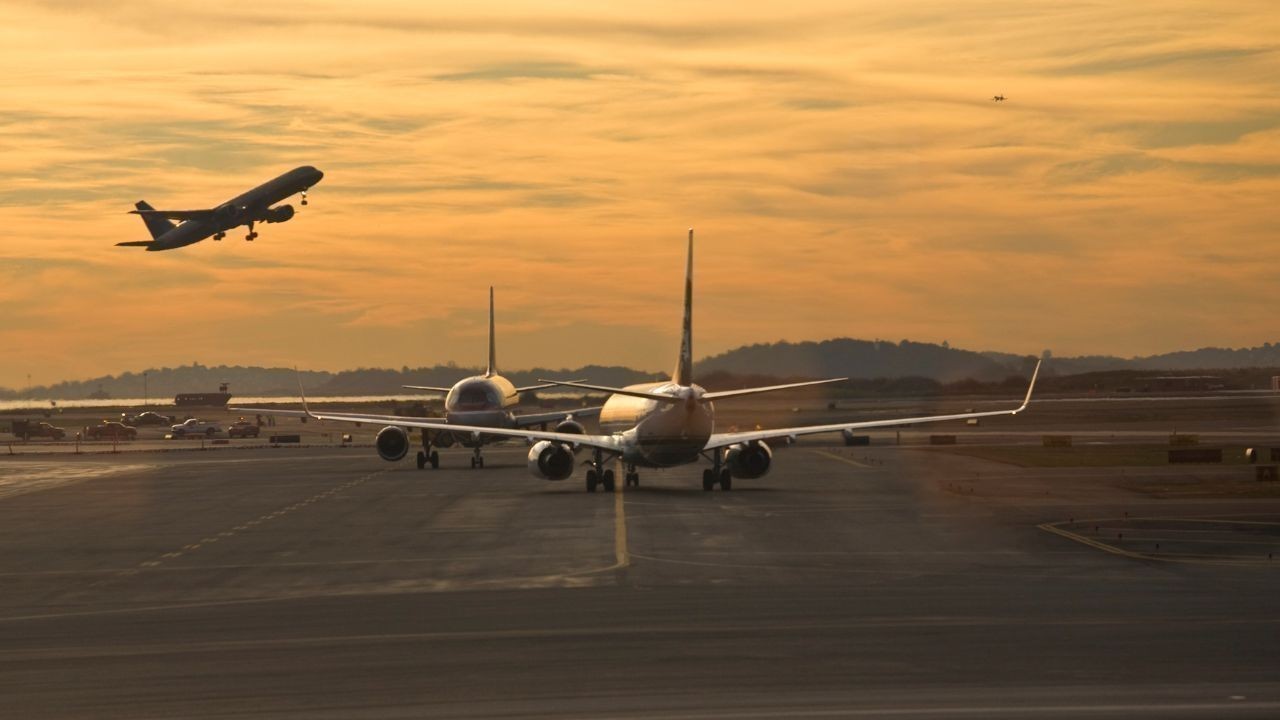
UAE Restarts Limited Flights as Regional Airspace Disruptions Continue
UAE restarts limited flights from Dubai as US-Israel attacks on Iran disrupt regional airspace, forc
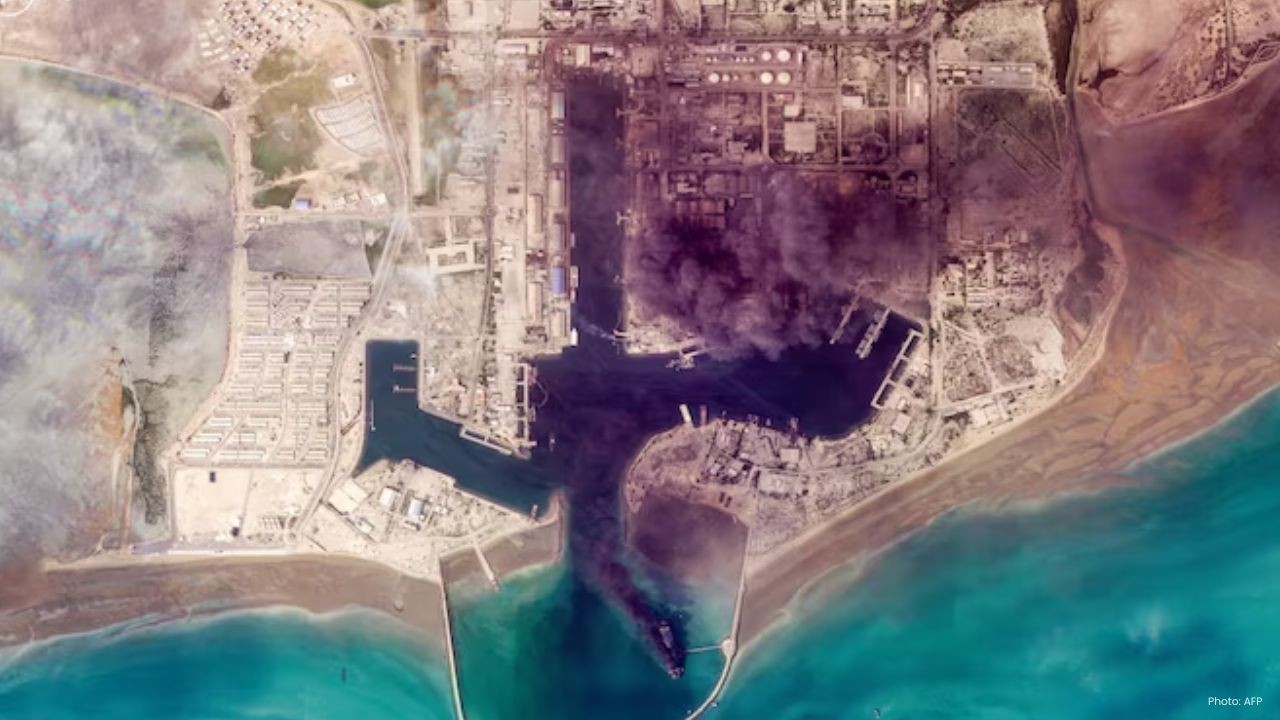
Asia Faces Energy Shock After Iran Closes Strait
Iran shuts Strait of Hormuz amid US-Israel strikes, sending oil prices higher and raising serious en


Bank of Baroda Faces Abu Dhabi Legal Battle over NMC Collapse
Bank of Baroda’s involvement in Abu Dhabi litigation tied to the NMC Healthcare collapse raises repu

Top Museum Openings of 2026 Set to Transform Global Tourism
From Los Angeles to Abu Dhabi and Brussels, 2026 brings major museum launches—Lucas Museum, Guggenhe

UAE Tour Highlights UAE’s Strength in Hosting Global Sports Events
Abu Dhabi Sports Council says the successful UAE Tour reflects the UAE’s leading role in hosting maj
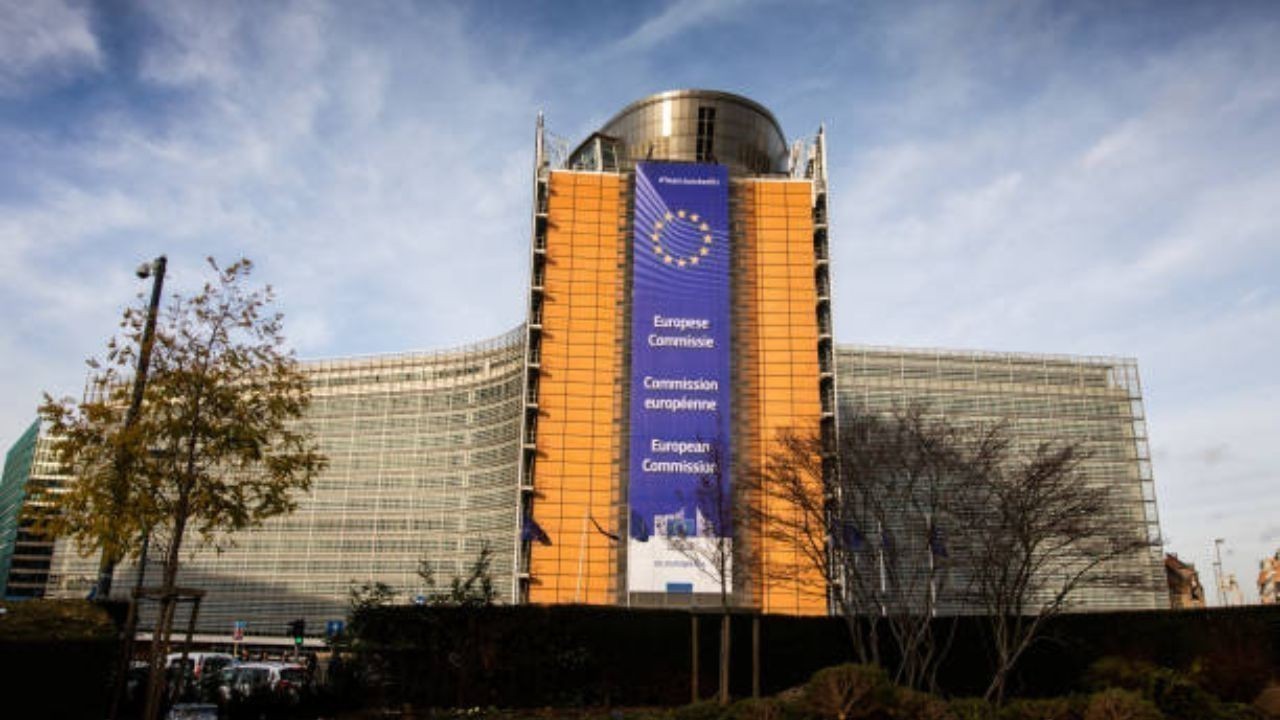
EU Seeks Clarity from US After Supreme Court IEEPA Ruling
European Commission urges full transparency from the US on steps after Supreme Court ruling, emphasi
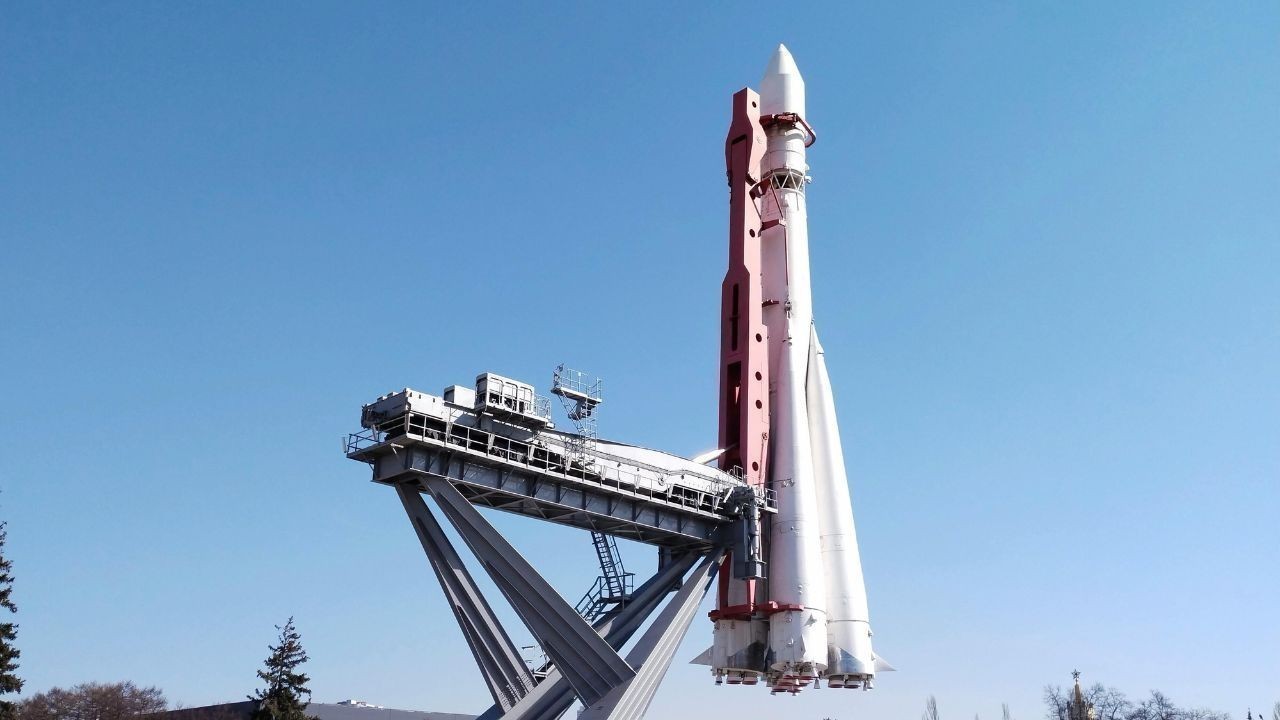
SpaceX Launches 53 New Satellites for Expanding Starlink Network
SpaceX launches 53 Starlink satellites in two Falcon 9 missions, breaking reuse records and expandin

RTA Awards Contract for Phase II of Hessa Street Upgrade in Dubai
Phase II of Hessa Street Development to add bridges, tunnel, and upgraded intersections, doubling ca

UAE Gold Prices Today, Monday 16 February 2026: Dubai & Abu Dhabi Updated Rates
Gold prices in UAE on 16 Feb 2026 updated: 24K around AED 599.75/gm, 22K AED 555.25/gm, and 18K AED

Over 25 Ahmedabad Schools Receive Bomb Threat Email, Authorities Investigate
More than 25 schools in Ahmedabad evacuated after bomb threat emails mentioning Khalistan. Authoriti