Post by : Anis Karim
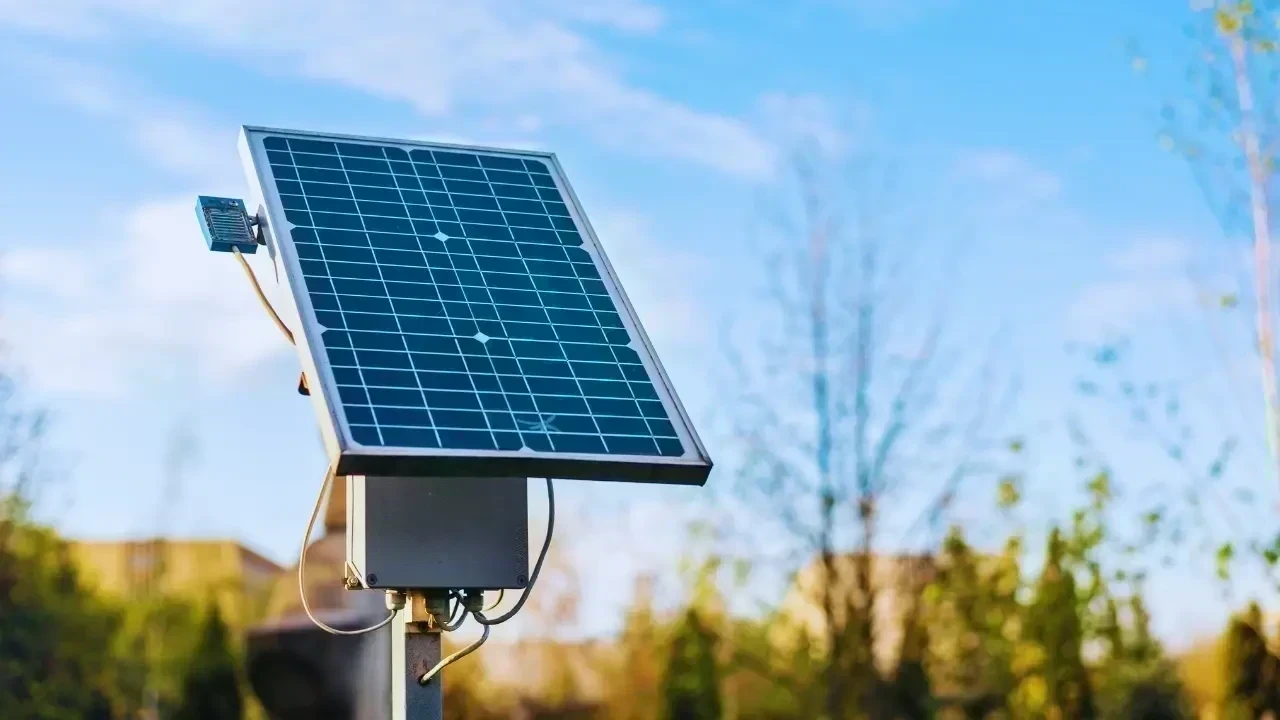
For years, solar power has been hailed as one of the cleanest and most abundant sources of energy. However, its greatest challenge has been the inability to provide electricity at night or during overcast conditions. Fortunately, this landscape is evolving rapidly. Thanks to advancements in energy storage technology, solar energy is on the verge of transitioning from a supplemental resource to a dominant player in global electricity generation.
Innovative storage technologies—including advanced batteries, thermal systems, and grid-scale solutions—are significantly changing our approach to renewable energy. These innovations allow solar installations to capture excess energy during daylight hours and utilize it during peak demand, making solar a reliable, around-the-clock power option as countries strive towards carbon neutrality.
In this article, we delve into how solar energy storage is propelling the next renewable revolution, examining the technologies at play, the benefits and challenges, and the broader implications for the world's energy future.
Solar energy production is subject to fluctuations influenced by:
Time of day
Weather conditions
Seasonal changes
Geographic factors
Without adequate storage solutions, solar energy can only generate power when conditions are optimal, creating reliability issues within the grid. Storage mitigates these gaps by saving excess energy for future use, transforming solar into a stable and manageable energy source.
By 2030, the world's electricity needs are predicted to increase significantly, driven by:
Urban growth
Electrification of transport
Industrial expansion
Increasing digital infrastructure
Storage capabilities enable solar power to effectively address surges in demand while decreasing reliance on fossil fuels.
Nations worldwide are establishing ambitious climate targets. Solar energy, supported by innovative storage solutions, is essential to achieving:
Net-zero emissions
Decarbonized grids
Reduced reliance on fossil fuel power generation
Storage technology ensures that solar can successfully substitute conventional energy sources without sacrificing reliability.
During peak sunlight hours, solar panels typically produce more electricity than is immediately required. Storage systems capture this surplus energy for later use.
The stored energy can supply:
Residential power needs
Commercial energy consumption
Industrial applications
Grid energy supply
Charging stations for electric vehicles
A stable frequency and voltage are crucial for grid operations. The variability of solar energy can cause fluctuations, but storage solutions can stabilize the grid by releasing stored energy when needed.
Lithium-ion batteries are predominant in the solar storage market due to:
Exceptional efficiency
Extended lifespan
Rapid charging capability
Compact structure
These batteries are commonly used in:
Residential solar systems
Commercial setups
Large-scale storage farms
High energy density
Minimal maintenance
Advancements in technology
Lowering costs
With an increase in electric vehicle adoption, the production of lithium batteries is scaling, which further brings down expenses and enhances solar storage capabilities.
As a competitive alternative to lithium, sodium-ion batteries offer:
Lower raw material costs
Abundant resource availability
Strong performance and safety
These batteries are promising for large-scale grid applications.
Flow batteries store energy in liquid electrolytes, providing:
Exceptional longevity
Ideal performance for grid storage
Stable energy release over extended durations
Although they can be pricier, flow batteries represent the future of long-lasting renewable energy storage.
Thermal systems utilize materials like salt, sand, or water to store excess solar heat.
Energy is captured in the form of heat and stored at elevated temperatures. This heat can later be used to generate electricity via turbines or for industrial processes.
Ability for long-duration storage
Lower costs for large systems
Efficiency in industrial applications
These systems are crucial especially in regions where sunshine is abundant and industrial demands are high.
Surplus solar energy can be converted into hydrogen through electrolysis. This hydrogen can be stored and utilized later for:
Electricity generation
Fuel cell applications
Industrial heating
Transport solutions
The storage of hydrogen is emerging as a sustainable, long-term renewable energy option.
Pumped hydro utilizes surplus solar energy to pump water uphill. When energy is required, the water flows back down through turbines, generating power.
Vast storage capacity
Extended operational lifespan
Reliable performance
Although location-dependent, pumped hydro remains one of the most economical storage options available.
Prices for batteries continue to drop due to mass production, enhanced research, and economies of scale, making solar storage investments more appealing for both homes and businesses.
Many governments are now providing:
Subsidies for home solar systems with storage
Incentives for large-scale storage
Lower tariffs for renewable energy-powered sectors
Regulations for grid stabilization via storage
Such policies are accelerating the adoption of storage solutions.
Large businesses are transitioning to renewable energy to pursue:
Cost efficiency
Sustainability objectives
Carbon credit advantages
This shift has fueled investments in storage for industrial sites, data centers, and manufacturing facilities.
Ongoing research is enhancing:
Battery longevity
Efficiency of storage solutions
Charging cycles
Availability of materials
As a result of innovation, storage technology continues to grow more affordable and reliable every year.
Properties equipped with solar storage can lessen their dependence on the grid, gaining resilience against:
Blackouts
Grid failures
High peak hour pricing
Storage enhances energy stability.
By utilizing stored solar energy during peak pricing hours, users can considerably lower their electricity expenses.
Storage mechanisms enhance power supply stability across regions, avoiding:
Power outages
Voltage instabilities
Frequency issues
This aids the grid's transition towards higher integration of renewable sources.
Solar energy storage encourages large-scale renewable energy deployment, lessening reliance on fossil fuels and curbing carbon emissions.
As cities evolve with electric vehicles and advancing digital frameworks, energy requirements will change. Storage ensures the grid adapts to these new demands.
Despite falling prices, battery systems entail significant upfront costs. The decision to adopt often depends on available incentives and financing.
Critical raw materials like lithium and cobalt are concentrated geographically, creating supply risks and cost fluctuations.
The implications of battery disposal and mining are serious, highlighting the importance of recycling programs.
Technologies like pumped hydro require specific geographical features, limiting their applicability.
Many potential users still lack understanding about storage technology and how to select the most suitable system.
Most households with rooftop solar are set to include a battery setup by default, making self-powered living the norm.
Large-scale battery installations will significantly enhance grid stability and support unprecedented levels of renewable integration.
As long-term storage becomes increasingly important, hydrogen and flow batteries will work alongside lithium solutions to diversify storage methods.
Charging facilities powered by solar energy combined with storage will emerge, alleviating pressure on national electricity grids.
The advent of solar energy storage represents not merely an enhancement, but a pivotal shift that transforms solar power from an intermittent resource to a dependable energy solution. As we navigate further into a renewable-driven landscape, storage technology is becoming the cornerstone of this transition.
With rapidly advancing technology, decreasing costs, strong governmental backing, and escalating commitments to combat climate change, solar storage systems are positioned to redefine the energy landscape. This marks the dawn of solar's evolution into a round-the-clock clean energy provider— heralding a new chapter in global energy management.
This article is intended for informational and analytical purposes only.

US Stocks Slide as AI Fears, Inflation and Oil Surge Weigh
US stocks dropped as AI disruption fears hit tech firms, inflation rose above forecasts, and oil pri

Pacific Prime Wins Top Honors at Cigna Awards 2026
Pacific Prime secured Top Individual Broker and Top SME Broker awards at Cigna’s Annual Broker Award

QatarEnergy Halts LNG Output After Military Attack
QatarEnergy has stopped LNG production after military attacks hit its facilities in Ras Laffan and M

Strong 6.1 Magnitude Earthquake Hits West Sumatra, No Damage
A 6.1 earthquake struck off West Sumatra, Indonesia. No casualties, damage, or tsunami alert reporte

Saudi Confirms Drone Strike on US Embassy Riyadh
Two drones hit the US Embassy in Riyadh, causing a small fire and minor damage. No injuries were rep

UAE Restarts Limited Flights as Regional Airspace Disruptions Continue
UAE restarts limited flights from Dubai as US-Israel attacks on Iran disrupt regional airspace, forc

Asia Faces Energy Shock After Iran Closes Strait
Iran shuts Strait of Hormuz amid US-Israel strikes, sending oil prices higher and raising serious en


Bank of Baroda Faces Abu Dhabi Legal Battle over NMC Collapse
Bank of Baroda’s involvement in Abu Dhabi litigation tied to the NMC Healthcare collapse raises repu

Top Museum Openings of 2026 Set to Transform Global Tourism
From Los Angeles to Abu Dhabi and Brussels, 2026 brings major museum launches—Lucas Museum, Guggenhe

UAE Tour Highlights UAE’s Strength in Hosting Global Sports Events
Abu Dhabi Sports Council says the successful UAE Tour reflects the UAE’s leading role in hosting maj

EU Seeks Clarity from US After Supreme Court IEEPA Ruling
European Commission urges full transparency from the US on steps after Supreme Court ruling, emphasi
SpaceX Launches 53 New Satellites for Expanding Starlink Network
SpaceX launches 53 Starlink satellites in two Falcon 9 missions, breaking reuse records and expandin

RTA Awards Contract for Phase II of Hessa Street Upgrade in Dubai
Phase II of Hessa Street Development to add bridges, tunnel, and upgraded intersections, doubling ca

UAE Gold Prices Today, Monday 16 February 2026: Dubai & Abu Dhabi Updated Rates
Gold prices in UAE on 16 Feb 2026 updated: 24K around AED 599.75/gm, 22K AED 555.25/gm, and 18K AED

Over 25 Ahmedabad Schools Receive Bomb Threat Email, Authorities Investigate
More than 25 schools in Ahmedabad evacuated after bomb threat emails mentioning Khalistan. Authoriti