Post by : Anis Karim
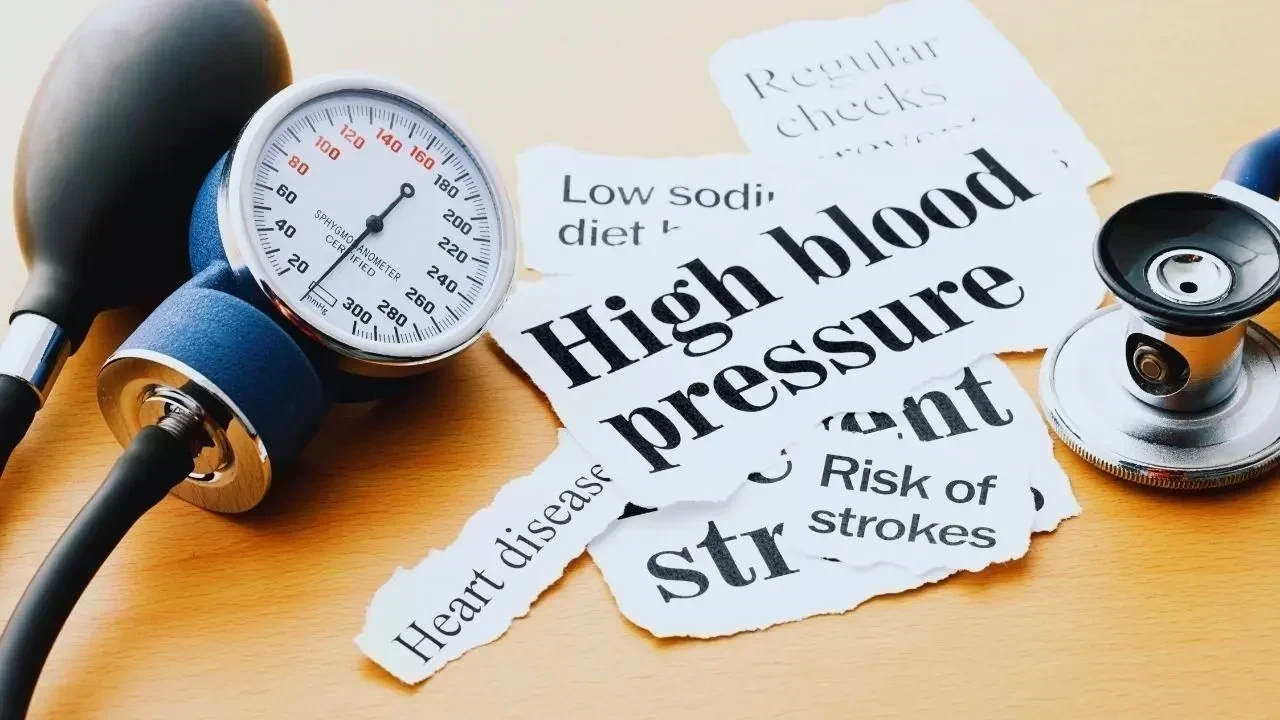
High blood pressure is one of the most underestimated health challenges globally. Unlike typical illnesses, hypertension does not announce itself through pain or discomfort. Instead, it stealthily exerts pressure on the heart, kidneys, brain, and blood vessels, often without any warning.
Many individuals feel perfectly fine while internal damage accumulates. By the time they notice headaches, chest pain, or fatigue, their blood pressure may have been elevated for years. The silent nature of hypertension has made early diagnosis a challenge for doctors; it's often a false sense of security that delays intervention.
Routine blood pressure tests remain vital but only reveal a snapshot of an individual's health at that moment, rarely forecasting future risks.
A typical blood pressure reading taken in a doctor's office is influenced by various factors like stress, movement, and even conversation, potentially masking true health conditions. Patients may record normal readings in a calm setting, while their blood pressure could be alarmingly high in everyday contexts.
This creates a deceptive sense of safety. Normal numbers can lead to complacency.
Some individuals experience “masked hypertension,” where their blood pressure appears normal in clinical settings but is significantly elevated in daily life, while others face “white coat hypertension,” where stress in a medical environment skews results.
Standard checks often miss these crucial patterns.
They assess numbers.
Not the underlying structure.
The innovative scan being introduced doesn’t just measure blood pressure. It evaluates the health of blood vessels themselves.
Rather than simply assessing how hard the blood is pushing, the scan identifies early damage such as thickening arterial walls and changes in elasticity and blood flow, often before visible symptoms arise.
These structural changes are typically early indicators of long-term hypertension.
Even with normal readings today, narrowed or hardened arteries can signal chronic strain.
This scan should complement, not replace, traditional blood pressure assessments.
Blood pressure naturally varies day by day.
However, damaged arteries do not recover quickly.
Once a vessel becomes stiff, circulation deteriorates, resulting in the heart exerting more effort. This leads to rising pressures and the cycle continues. The sooner this cycle begins, the longer the body is at risk.
If clinicians catch thickening and rigidity early, interventions can be made before serious complications arise.
Early detection can lead to:
Fewer strokes
Fewer heart attacks
Less kidney damage
Lower medication doses
Enhanced long-term outcomes
While numbers may fluctuate, damage does not stay hidden.
The human body is remarkably adept at concealing illness.
Arteries adapt.
The heart compensates.
Organs adjust.
Hypertension is particularly dangerous because it rarely brings immediate symptoms. Pain usually arises only when a significant failure occurs—such as a vessel rupturing, the heart weakening, or kidney damage happening.
Until that time, life continues.
People work.
People exercise.
People travel.
All while the condition progresses unnoticed.
This scan holds significant promise for those at high risk despite lacking symptoms.
Individuals with a family history of heart disease or strokes
People who are overweight or sedentary
Smokers and ex-smokers
Individuals with sleep disorders
Those experiencing chronic stress
Adults over forty
Individuals with borderline readings
For these demographics, waiting for symptoms is not safety.
It’s a gamble.
The healthcare sector is subtly undergoing transformation.
Instead of reacting to diseases, the focus is shifting to mapping risk.
Rather than waiting for issues to arise, professionals are now actively monitoring health.
This scan signifies a movement from crisis-oriented care to proactive management.
Identifying damage early doesn’t necessarily mean one is unwell.
It means they can take precautions sooner.
In coming years, routine health assessments may encompass:
Blood pressure readings
Cholesterol levels
Body composition
Vascular imaging
Heart rhythm evaluations
Healthcare providers would gain a comprehensive view rather than isolated fragments.
Patients would transition from guessing.
To understanding.
Technological advancements often outpace their adoption in healthcare.
Many clinics currently lack access to these new scanning technologies. Some healthcare professionals await guidelines, peer evaluation, and cost assessments before adjusting their practices.
The challenge for healthcare is balancing innovation with patient safety.
No tool seamlessly integrates into mainstream medicine overnight.
But progress always begins quietly.
Uncovering unseen damage can be unsettling.
People often prefer to feel sick rather than live with a sense of risk.
Understanding one’s risk demands accountability.
Accountability necessitates change.
Early diagnosis can prompt lifestyle adjustments that many prefer to postpone.
Yet, knowledge provides empowerment.
Without it, the price is paid silently.
People respond more positively when tangible evidence is presented.
Numbers can be dismissed.
Images cannot be ignored.
When patients observe signs of narrowed arteries or inadequate circulation, their motivation escalates. Physical activity becomes urgent. Nutrition is taken seriously. Sleep improves. Medication adherence rises.
Seeing is believing.
Literally.
If widely accessible, such scans could greatly reduce heart-related mortality rates around the globe. Hypertension is responsible for countless preventable fatalities annually. Detecting vascular issues early could revolutionize preventive strategies.
Healthcare facilities would handle fewer emergencies.
Families would confront fewer tragedies.
Communities would benefit from improved health over time.
Will this be affordable for all?
Will access reach rural regions?
Will insurance cover these services?
Will it bridge health disparities or widen them?
Every innovation brings responsibilities.
Progress that favors only urban settings is incomplete.
High blood pressure goes unnoticed.
It acts quietly.
The prospect of a quick, ten-minute scan revealing potentially years of hidden damage represents a beacon of hope in modern preventive healthcare.
Healthcare is evolving to listen to whispers rather than waiting for urgent cries.
And when medical practices adopt early interventions…
Lives endure longer.
DISCLAIMER
This article is for general informational purposes only and does not constitute medical advice or diagnosis. Readers should consult qualified healthcare professionals before undergoing diagnostic tests or making health decisions based on emerging medical technologies.

US Stocks Slide as AI Fears, Inflation and Oil Surge Weigh
US stocks dropped as AI disruption fears hit tech firms, inflation rose above forecasts, and oil pri

Pacific Prime Wins Top Honors at Cigna Awards 2026
Pacific Prime secured Top Individual Broker and Top SME Broker awards at Cigna’s Annual Broker Award

QatarEnergy Halts LNG Output After Military Attack
QatarEnergy has stopped LNG production after military attacks hit its facilities in Ras Laffan and M

Strong 6.1 Magnitude Earthquake Hits West Sumatra, No Damage
A 6.1 earthquake struck off West Sumatra, Indonesia. No casualties, damage, or tsunami alert reporte

Saudi Confirms Drone Strike on US Embassy Riyadh
Two drones hit the US Embassy in Riyadh, causing a small fire and minor damage. No injuries were rep

UAE Restarts Limited Flights as Regional Airspace Disruptions Continue
UAE restarts limited flights from Dubai as US-Israel attacks on Iran disrupt regional airspace, forc
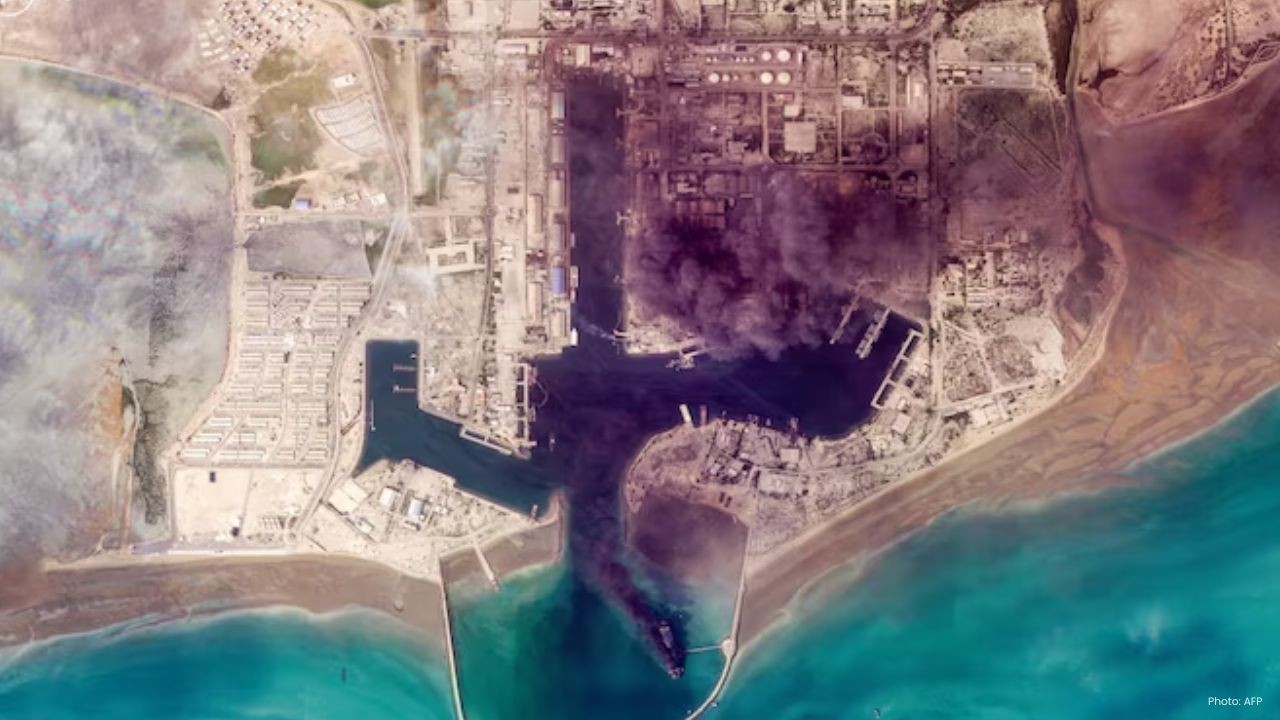
Asia Faces Energy Shock After Iran Closes Strait
Iran shuts Strait of Hormuz amid US-Israel strikes, sending oil prices higher and raising serious en


Bank of Baroda Faces Abu Dhabi Legal Battle over NMC Collapse
Bank of Baroda’s involvement in Abu Dhabi litigation tied to the NMC Healthcare collapse raises repu

Top Museum Openings of 2026 Set to Transform Global Tourism
From Los Angeles to Abu Dhabi and Brussels, 2026 brings major museum launches—Lucas Museum, Guggenhe

UAE Tour Highlights UAE’s Strength in Hosting Global Sports Events
Abu Dhabi Sports Council says the successful UAE Tour reflects the UAE’s leading role in hosting maj

EU Seeks Clarity from US After Supreme Court IEEPA Ruling
European Commission urges full transparency from the US on steps after Supreme Court ruling, emphasi

SpaceX Launches 53 New Satellites for Expanding Starlink Network
SpaceX launches 53 Starlink satellites in two Falcon 9 missions, breaking reuse records and expandin

RTA Awards Contract for Phase II of Hessa Street Upgrade in Dubai
Phase II of Hessa Street Development to add bridges, tunnel, and upgraded intersections, doubling ca

UAE Gold Prices Today, Monday 16 February 2026: Dubai & Abu Dhabi Updated Rates
Gold prices in UAE on 16 Feb 2026 updated: 24K around AED 599.75/gm, 22K AED 555.25/gm, and 18K AED

Over 25 Ahmedabad Schools Receive Bomb Threat Email, Authorities Investigate
More than 25 schools in Ahmedabad evacuated after bomb threat emails mentioning Khalistan. Authoriti