Post by : Anis Karim
Many associate illness with stark symptoms like fever or pain. We look for signs to alert us of health trouble.
Yet, some ailments remain silent.
They quietly grow within, causing significant harm before we recognize a problem.
These diseases stealthily affect major organs without disturbing daily life initially. You carry on with your routines, thinking all is well, while these hidden threats advance unnoticed.
This silence is what makes them so perilous.
They don’t disrupt your day-to-day activities.
They don’t announce their presence loudly.
They simply bide their time.
This article unveils five devastating “silent killer” diseases that can affect countless lives unnoticed and the imperative questions you ought to pose to your doctor to catch them early.
Silent illnesses typically exhibit three characteristics:
They inflict little to no pain in their initial stages.
They develop gradually.
They can cause permanent harm if not addressed in time.
Due to the absence of pain, many choose to skip regular check-ups. Small early warnings may be disregarded, and busy lives often push preventive measures to the back burner.
Until one day, the body shuts down — often without any prior warning.
High blood pressure typically remains pain-free. No fatigue or discomfort.
However, it gradually harms:
Heart tissue
Blood vessels
Kidneys
Brain
Eyes
Millions endure dangerously high levels convinced that everything is alright.
When high blood pressure persists:
Blood vessel walls weaken
The heart enlarges inappropriately
Blood flow to the brain suffers
Kidneys fail quietly
This eventually culminates in:
Heart attacks
Strokes
Vision impairment
Kidney failure
Sudden death
More often, the first symptom is a medical crisis.
Those with a family history
Smokers
Alcohol consumers
Professionals under stress
Those with a high-salt diet
Inactive individuals
Obese individuals
Individuals above 35
Even younger adults are now showing higher pressure levels unbeknownst to them.
“What’s my current blood pressure?”
“Is it normal or borderline?”
“How often should I check it?”
“Should I alter my diet or lifestyle now?”
“Is ambulatory monitoring necessary?”
Always remember, “no symptoms” does not imply “no issues.”
Diabetes rarely incites pain in its early phases.
Instead, it:
Thickens blood
Harms nerves
Weakens vision
Damages kidneys
Impares immune response
And it progresses quietly.
Many are only diagnosed after experiencing:
Frequent infections
Delayed healing
Vision problems
Tingling sensations
Significant weight shifts
Unchecked blood sugar levels:
Harden arteries
Can lead to heart disease
Result in amputations
Cause nerve loss
Permanently damage eyesight
Identifying it early makes management easier.
Fatigue
Blurred vision
Frequent restroom visits
Slow to heal cuts
Minor weight loss
Increased thirst
Commonly misattributed to stress, aging, or lifestyle choices.
“What’s my fasting blood sugar?”
“What’s my HbA1c level?”
“Am I at risk of prediabetes?”
“Should I make lifestyle changes now?”
“How frequently should I monitor my levels?”
Early-stage diabetes is often reversible with discipline.
Late-stage diabetes primarily requires management rather than reversal.
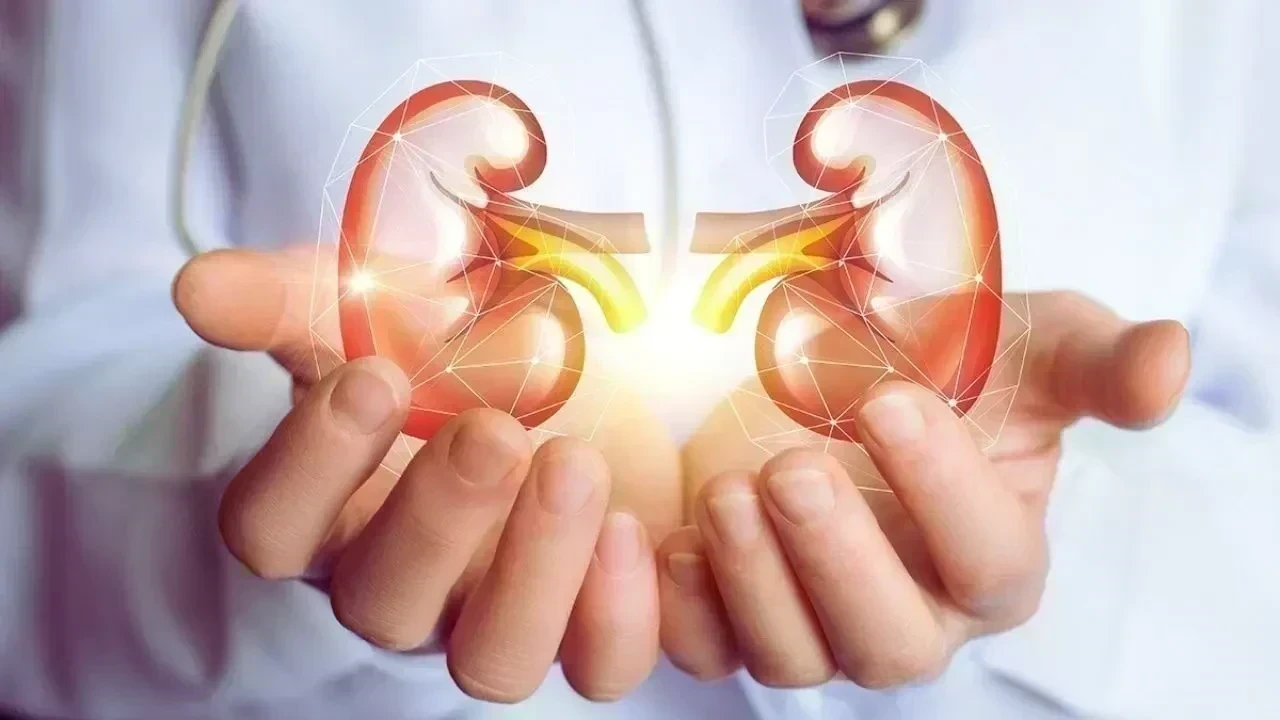
Kidneys typically show no signs of distress until a major portion of their function is compromised.
By the time symptoms emerge:
Options for recovery are scarce
Dialysis often becomes necessary
Transplant discussions become relevant
Subtle signs might include:
Mild swelling
Diminished appetite
Dry skin
Frequent nighttime urination
Foamy urine
High blood pressure
However, many feel nothing at all.
Kidney failure results in:
Toxins lingering in the blood
Fluid accumulation in lungs
Increased blood pressure
Doubled risk for heart disease
Potential for anemia
Kidney failure rarely occurs in isolation.
It impacts other organs as well.
“What’s my creatinine level?”
“What’s my eGFR score?”
“Is there protein in my urine?”
“Are my kidneys healthy for my age?”
A straightforward urine test can help detect CKD early.
Do not wait for symptoms to appear.
Your liver lacks pain receptors.
This absence makes liver disease eerily quiet.
Fat builds up slowly, damaging tissue gradually, which can eventually lead to:
Cirrhosis
Liver failure
Cancer
Portal hypertension
It is significantly tied to:
Poor dietary choices
Obesity
Diabetes
Lack of physical activity
Excessive alcohol consumption
Sugar overloads
Fatty liver is now impacting younger adults and even teens.
Bloating
Mild fatigue
Reduced appetite
Minor abdominal discomfort
Loss of interest in food
Symptoms are often dismissed as related to "acidity" or irregular meal times.
“Are my liver enzymes at a healthy level?”
“Should I get an ultrasound done?”
“Is my fatty liver reversible?”
“What lifestyle changes should I consider?”
Fatty liver is reversible only if caught early.
Late-stage complications tend to be permanent.
Heart disease doesn’t always signal its arrival with chest pain.
Frequently, the initial alert is:
Sudden collapse
Heart attacks
Irregular heartbeats
Stroke events
In the meantime, arteries narrow in silence.
Plaque slowly accumulates. Heart muscles weaken without notice.
Cholesterol imbalance
Family history
Obesity
Smoking habits
Alcohol consumption
Stress
Lack of sleep
Diabetes
Hypertension
Shortness of breath
Jaw tension
Back discomfort
Occasional palpitations
Excessive fatigue
Digestive discomfort
Heart-related symptoms may not always appear alarmingly.
This is especially true for women.
“What’s my cholesterol status?”
“Do I require an ECG or stress assessment?”
“Is my risk level low or escalating?”
“Should I be on preventive medication?”
“What lifestyle modifications are most protective?”
Proactive measures are better than emergency responses.
“I feel perfectly fine.”
“I’m too young for this.”
“No one in my family has this.”
“I’ll check on it next year.”
“Healthcare costs too much.”
Silent threats thrive on procrastination.
The price of late identification far outweighs early intervention.
Blood pressure: Every 6-12 months
Blood sugar: Yearly
Kidney function: Around age 35, annually
Liver profile: Annually if at risk
Cholesterol: Yearly after 30
Sooner if you:
Smoke
Drink alcohol
Are overweight
Sit for long durations
Have a family medical history
Have diabetes or high blood pressure
Screening is about foresight, not fear.
Engage in daily walks
Limit sugar intake
Avoid deep-fried foods
Stay hydrated
Refrain from smoking
Moderate alcohol consumption
Prioritize quality sleep
Incorporate fiber-rich foods
Manage stress effectively
Maintain a healthy weight
Prevention isn’t about medicine, it’s about behavior.
Health is not static.
A report from last year:
Doesn’t guarantee this year
Doesn’t eliminate risks
Doesn’t negate family history
Doesn’t halt aging
Health needs regular assessments, not blind trust.
| Stage | Expense |
|---|---|
| Early detection | Affordable |
| Managed condition | Moderate |
| Emergency treatment | High |
| Organ failure | Life-altering costs |
| Long-term care | Financial ruin |
Your health is most affordable before it falters.
Silent killers don’t strike abruptly.
They wear you down gradually.
They wait until:
Recovery costs soar
Treatment extends for a lifetime
Panic takes over
Confronting these diseases requires awareness, not bravery.
Schedule regular check-ups—not because you feel unwell, but to avoid getting startled by unexpected results.
Pose tough questions today—while the chance to modify responses remains.
Health should be preserved, not just regained.
This piece serves purely for informational purposes and does not replace specialized medical guidance, diagnosis, or treatment. It is advised to seek consultation from qualified healthcare professionals for tailored medical choices and screening advice aligned with individual health needs and risk factors.

US Stocks Slide as AI Fears, Inflation and Oil Surge Weigh
US stocks dropped as AI disruption fears hit tech firms, inflation rose above forecasts, and oil pri

Pacific Prime Wins Top Honors at Cigna Awards 2026
Pacific Prime secured Top Individual Broker and Top SME Broker awards at Cigna’s Annual Broker Award

QatarEnergy Halts LNG Output After Military Attack
QatarEnergy has stopped LNG production after military attacks hit its facilities in Ras Laffan and M
Strong 6.1 Magnitude Earthquake Hits West Sumatra, No Damage
A 6.1 earthquake struck off West Sumatra, Indonesia. No casualties, damage, or tsunami alert reporte

Saudi Confirms Drone Strike on US Embassy Riyadh
Two drones hit the US Embassy in Riyadh, causing a small fire and minor damage. No injuries were rep

UAE Restarts Limited Flights as Regional Airspace Disruptions Continue
UAE restarts limited flights from Dubai as US-Israel attacks on Iran disrupt regional airspace, forc
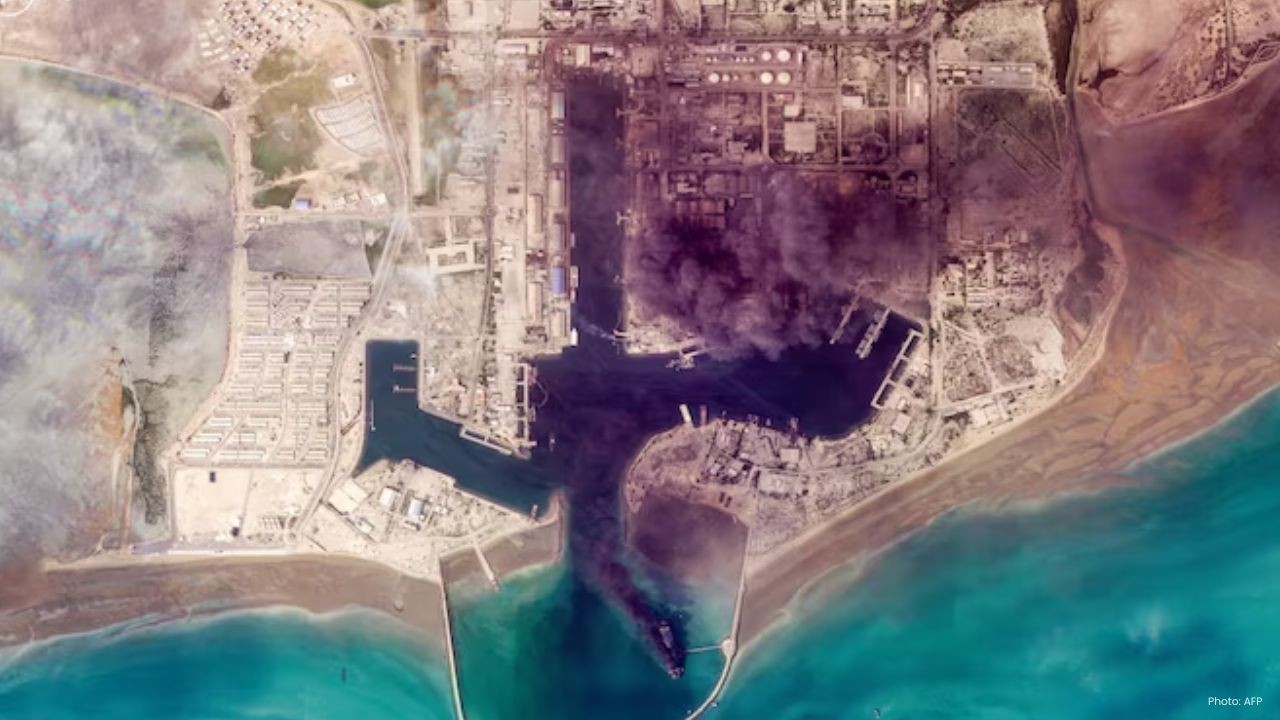
Asia Faces Energy Shock After Iran Closes Strait
Iran shuts Strait of Hormuz amid US-Israel strikes, sending oil prices higher and raising serious en


Bank of Baroda Faces Abu Dhabi Legal Battle over NMC Collapse
Bank of Baroda’s involvement in Abu Dhabi litigation tied to the NMC Healthcare collapse raises repu

Top Museum Openings of 2026 Set to Transform Global Tourism
From Los Angeles to Abu Dhabi and Brussels, 2026 brings major museum launches—Lucas Museum, Guggenhe

UAE Tour Highlights UAE’s Strength in Hosting Global Sports Events
Abu Dhabi Sports Council says the successful UAE Tour reflects the UAE’s leading role in hosting maj
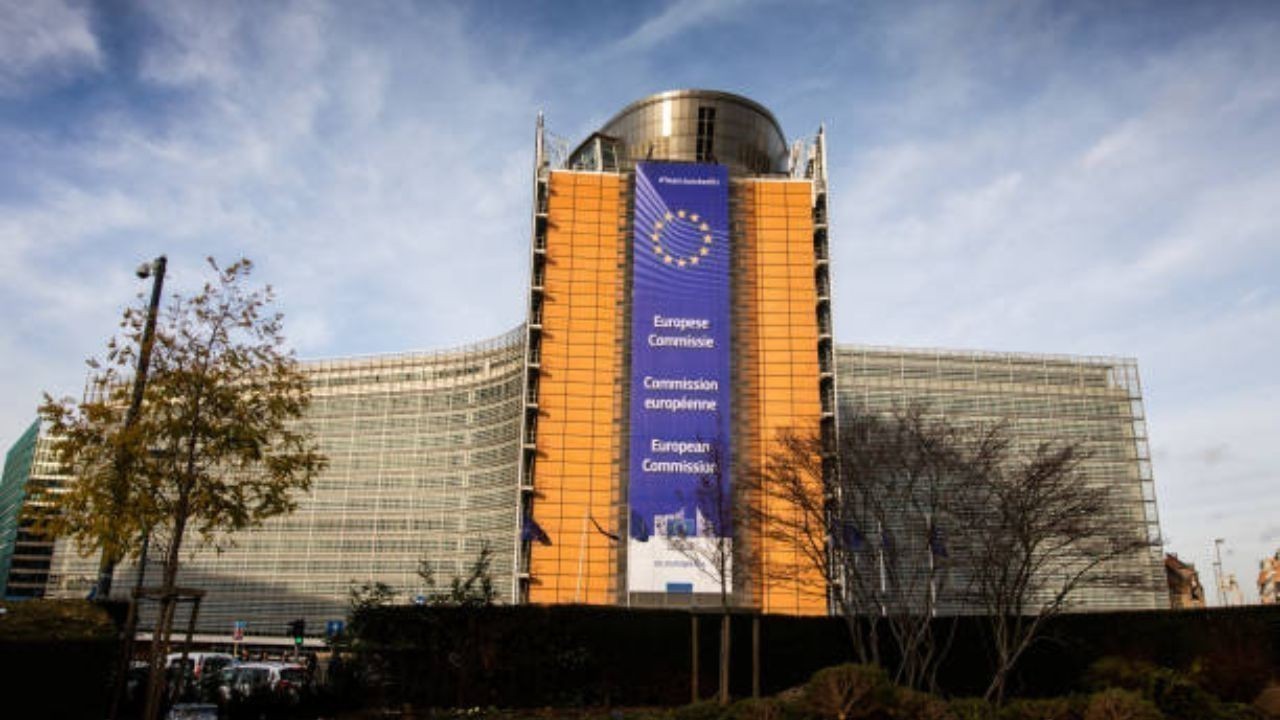
EU Seeks Clarity from US After Supreme Court IEEPA Ruling
European Commission urges full transparency from the US on steps after Supreme Court ruling, emphasi
SpaceX Launches 53 New Satellites for Expanding Starlink Network
SpaceX launches 53 Starlink satellites in two Falcon 9 missions, breaking reuse records and expandin

RTA Awards Contract for Phase II of Hessa Street Upgrade in Dubai
Phase II of Hessa Street Development to add bridges, tunnel, and upgraded intersections, doubling ca

UAE Gold Prices Today, Monday 16 February 2026: Dubai & Abu Dhabi Updated Rates
Gold prices in UAE on 16 Feb 2026 updated: 24K around AED 599.75/gm, 22K AED 555.25/gm, and 18K AED
Over 25 Ahmedabad Schools Receive Bomb Threat Email, Authorities Investigate
More than 25 schools in Ahmedabad evacuated after bomb threat emails mentioning Khalistan. Authoriti