
Post by : Sam Jeet Rahman
Daily stress has quietly become a constant part of modern life. Long work hours, screen exposure, financial pressure, social expectations, poor sleep, and information overload keep the body in a continuous state of alert. While short-term stress is normal and even useful, problems begin when the body does not get enough time or support to recover fully.
When recovery is incomplete, stress stops being temporary and turns into chronic physiological strain. The body may appear functional on the outside, but internally, systems responsible for energy, immunity, hormones, digestion, and mental clarity start to weaken. Recognizing early signs of poor stress recovery is critical because the body always sends signals before serious health issues develop.
This article explains the most important signs that your body is not recovering properly from daily stress, why they happen, and what they actually mean. These are not surface-level symptoms but deeper indicators that your nervous system, hormones, and recovery mechanisms are overloaded.
Stress alone does not cause damage. The real damage happens when stress outweighs recovery.
Your body is designed to handle pressure through the stress response, which includes:
Increased cortisol and adrenaline
Faster heart rate
Sharper focus
Temporary suppression of non-essential functions
This response is meant to be followed by recovery, where the body returns to balance. When recovery is insufficient, the stress response stays partially active, slowly draining physical and mental resources.
Over time, this leads to exhaustion, inflammation, hormonal imbalance, and reduced resilience.
Feeling tired after a long day is normal. Feeling exhausted every day, even after adequate sleep, is not.
Persistent fatigue indicates that the nervous system is overstimulated and unable to fully downshift into recovery mode. Even during sleep, the body remains alert instead of restorative.
This type of fatigue is not about lack of sleep hours but poor-quality recovery. The body spends too much time managing stress hormones and not enough time repairing tissues, balancing hormones, and restoring energy.
Waking up tired
Low energy throughout the day
Energy crashes in the afternoon
Feeling drained by simple tasks
This is often one of the earliest signs that stress recovery is failing.
A well-recovered body maintains a strong immune system. When recovery is poor, immunity weakens.
Chronic stress increases cortisol, which suppresses immune responses. Over time, this makes the body more vulnerable to infections and delays healing.
Catching colds frequently
Longer recovery from minor illnesses
Wounds taking longer to heal
Frequent inflammation or flare-ups
This is the body signaling that it is diverting resources away from immune defense to cope with ongoing stress.
The gut is extremely sensitive to stress.
When the body is under stress, blood flow is redirected away from digestion toward muscles and the brain. This slows digestion and disrupts gut function.
Bloating
Acid reflux
Constipation or diarrhea
Loss of appetite or constant cravings
Poor digestion is a sign that the body does not feel safe enough to perform non-essential functions properly.
Muscle tightness is one of the most overlooked signs of unresolved stress.
Stress prepares the body for action by tightening muscles. Without proper recovery, muscles remain partially contracted even at rest.
Neck and shoulder tightness
Jaw clenching
Lower back pain
Headaches
This constant tension drains energy and increases pain sensitivity, making the body feel heavier and slower.
Sleep duration alone does not reflect recovery quality.
Difficulty falling asleep despite exhaustion
Frequent nighttime awakenings
Vivid or stressful dreams
Waking up feeling unrested
This indicates that the stress response is still active at night, preventing deep restorative sleep stages.
When recovery is compromised, emotional regulation suffers.
The brain regions responsible for impulse control and emotional balance need recovery just like muscles do. Without it, emotional responses become exaggerated.
Irritability over small issues
Low frustration tolerance
Mood swings
Feeling overwhelmed easily
This is not a personality issue but a neurological fatigue response.
Mental clarity depends on proper nervous system recovery.
Elevated cortisol
Poor sleep quality
Reduced glucose regulation in the brain
Difficulty concentrating
Forgetfulness
Slower thinking
Reduced creativity
This often leads to working longer hours, which further worsens recovery.
A stressed, under-recovered body prioritizes survival over enjoyment.
Chronic stress reduces dopamine sensitivity, the neurotransmitter linked to motivation and pleasure.
Loss of interest in hobbies
Reduced excitement
Feeling emotionally flat
Lack of drive despite goals
This is often mistaken for laziness or burnout but is actually a recovery deficit.
Stress recovery affects hunger hormones directly.
Increases cravings for sugar and refined carbs
Suppresses appetite in some people
Leads to emotional or mindless eating
These changes reflect disrupted signaling between the brain and digestive system.
Hormones rely heavily on recovery cycles.
Disrupting cortisol rhythm
Affecting thyroid function
Altering insulin sensitivity
Influencing reproductive hormones
Weight gain or loss without clear reason
Irregular cycles
Hair thinning
Cold sensitivity or heat intolerance
Hormonal imbalance is often a downstream effect of chronic stress without recovery.
When natural energy systems fail, people rely on artificial stimulation.
Needing caffeine to function
Energy drinks becoming routine
Crashes after stimulants wear off
This creates a cycle where stimulation replaces recovery, further exhausting the system.
Ironically, poor recovery makes you less resilient to stress.
Feeling overwhelmed by tasks you once handled easily
Avoiding responsibilities
Procrastination due to mental fatigue
This is a clear sign that the stress load has exceeded recovery capacity.
Breathing reflects nervous system state.
Shallow breathing
Frequent sighing
Feeling unable to take a deep breath
Poor breathing limits oxygen delivery and keeps the body in alert mode.
Chronic stress promotes low-grade inflammation.
Joint stiffness
Increased pain perception
Frequent soreness
Inflammation is the body’s response to prolonged imbalance.
Most of these symptoms develop gradually. People normalize them as part of adult life, work pressure, or aging. However, these signs are not normal—they are adaptive warnings.
The body is signaling that it needs recovery, not more effort.
Recovery is not just rest. It includes:
Quality sleep
Nervous system downregulation
Nutrient replenishment
Emotional decompression
Reduced mental stimulation
Recovery must be intentional in modern environments.
Ignoring these signs can lead to:
Chronic fatigue
Burnout
Anxiety and depression
Metabolic disorders
Hormonal conditions
Early awareness prevents long-term damage.
If symptoms persist despite lifestyle changes or worsen over time, professional evaluation is important. Chronic stress can mask or contribute to underlying medical conditions.
Your body is designed to handle stress—but not without recovery. When daily stress becomes constant and recovery is incomplete, the body shifts from growth mode to survival mode. The signs are subtle at first but become louder if ignored.
Listening to these signals early allows you to restore balance, energy, and resilience before deeper health issues develop.
This article is intended for informational and educational purposes only and does not replace professional medical advice. Stress-related symptoms can overlap with other medical conditions. If symptoms are persistent, severe, or worsening, consult a qualified healthcare professional for proper evaluation and guidance.

US Stocks Slide as AI Fears, Inflation and Oil Surge Weigh
US stocks dropped as AI disruption fears hit tech firms, inflation rose above forecasts, and oil pri

Pacific Prime Wins Top Honors at Cigna Awards 2026
Pacific Prime secured Top Individual Broker and Top SME Broker awards at Cigna’s Annual Broker Award
QatarEnergy Halts LNG Output After Military Attack
QatarEnergy has stopped LNG production after military attacks hit its facilities in Ras Laffan and M
Strong 6.1 Magnitude Earthquake Hits West Sumatra, No Damage
A 6.1 earthquake struck off West Sumatra, Indonesia. No casualties, damage, or tsunami alert reporte
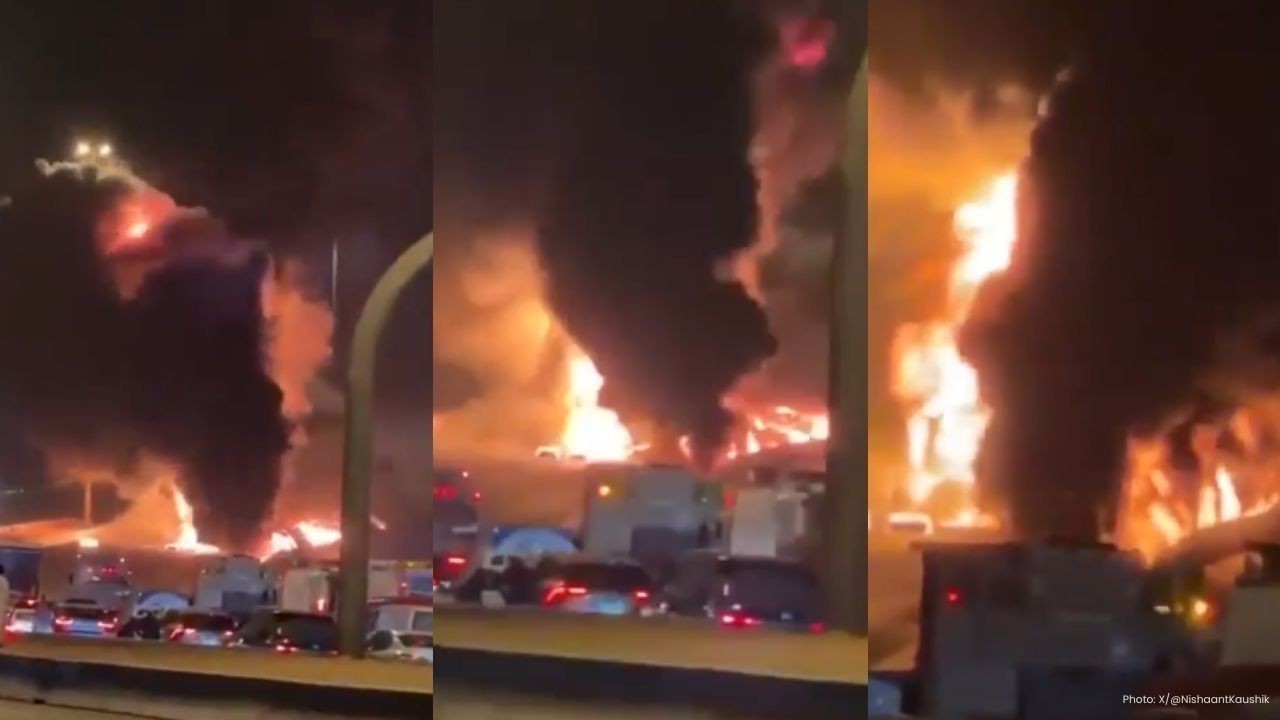
Saudi Confirms Drone Strike on US Embassy Riyadh
Two drones hit the US Embassy in Riyadh, causing a small fire and minor damage. No injuries were rep
UAE Restarts Limited Flights as Regional Airspace Disruptions Continue
UAE restarts limited flights from Dubai as US-Israel attacks on Iran disrupt regional airspace, forc
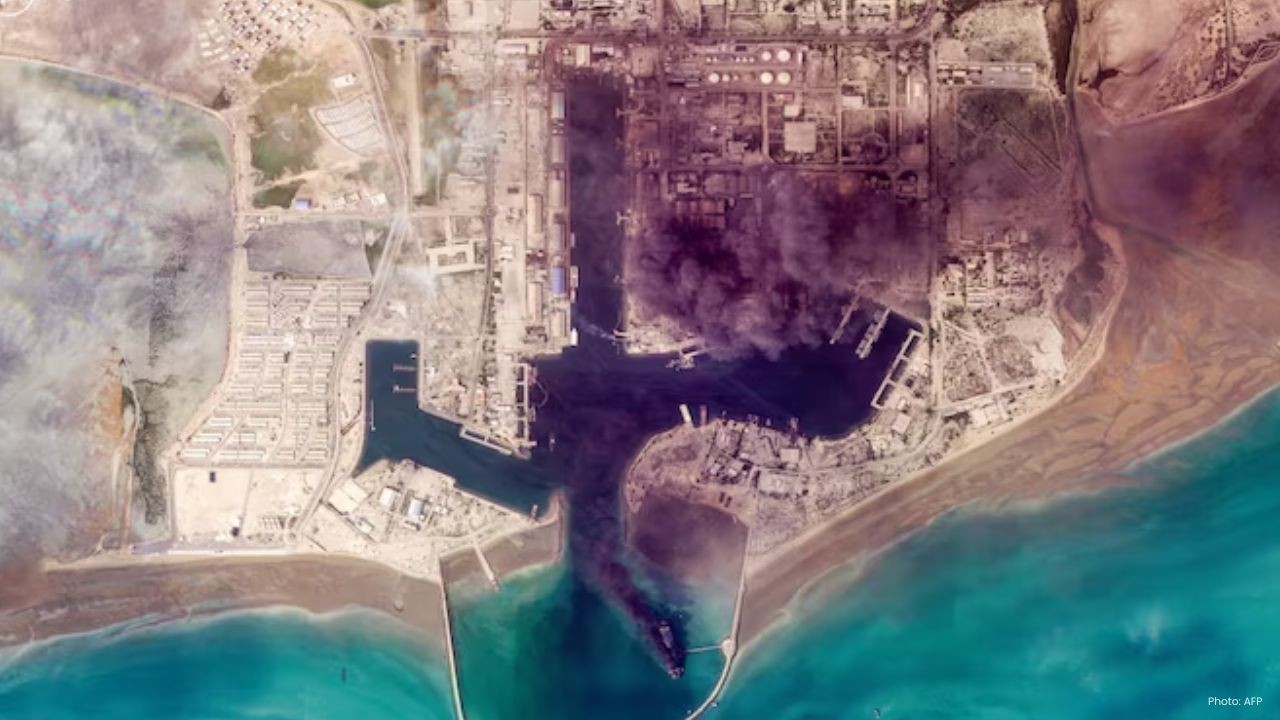
Asia Faces Energy Shock After Iran Closes Strait
Iran shuts Strait of Hormuz amid US-Israel strikes, sending oil prices higher and raising serious en


Bank of Baroda Faces Abu Dhabi Legal Battle over NMC Collapse
Bank of Baroda’s involvement in Abu Dhabi litigation tied to the NMC Healthcare collapse raises repu

Top Museum Openings of 2026 Set to Transform Global Tourism
From Los Angeles to Abu Dhabi and Brussels, 2026 brings major museum launches—Lucas Museum, Guggenhe

UAE Tour Highlights UAE’s Strength in Hosting Global Sports Events
Abu Dhabi Sports Council says the successful UAE Tour reflects the UAE’s leading role in hosting maj

EU Seeks Clarity from US After Supreme Court IEEPA Ruling
European Commission urges full transparency from the US on steps after Supreme Court ruling, emphasi
SpaceX Launches 53 New Satellites for Expanding Starlink Network
SpaceX launches 53 Starlink satellites in two Falcon 9 missions, breaking reuse records and expandin

RTA Awards Contract for Phase II of Hessa Street Upgrade in Dubai
Phase II of Hessa Street Development to add bridges, tunnel, and upgraded intersections, doubling ca

UAE Gold Prices Today, Monday 16 February 2026: Dubai & Abu Dhabi Updated Rates
Gold prices in UAE on 16 Feb 2026 updated: 24K around AED 599.75/gm, 22K AED 555.25/gm, and 18K AED
Over 25 Ahmedabad Schools Receive Bomb Threat Email, Authorities Investigate
More than 25 schools in Ahmedabad evacuated after bomb threat emails mentioning Khalistan. Authoriti