
Post by : Sam Jeet Rahman
Metabolism plays a major role in how your body converts food into energy and manages weight. When metabolism slows down or functions poorly, the body burns fewer calories at rest, stores more fat, and struggles to maintain energy balance. Many people blame weight gain only on overeating, but poor metabolic health is often an underlying factor. Understanding the signs of a slow or inefficient metabolism can help you take early action and prevent long-term weight issues.
Metabolism refers to all the chemical processes that occur in the body to keep you alive, including breathing, digestion, circulation, and temperature regulation. A healthy metabolism efficiently burns calories for energy, while a poor metabolism conserves energy and promotes fat storage. Metabolic rate is influenced by age, muscle mass, hormones, genetics, activity level, and nutrition.
One of the most common signs of poor metabolism is gaining weight without major changes in diet or lifestyle. When metabolism slows, the body burns fewer calories even during rest. Excess calories are stored as fat, especially around the abdomen. This weight gain often feels stubborn and resistant to normal diet efforts.
People with poor metabolism often struggle to lose weight despite calorie control and exercise. The body adapts by conserving energy and slowing calorie burn further. Weight loss plateaus become frequent, making progress frustrating and slow.
A sluggish metabolism means energy production is inefficient. This leads to constant tiredness, even after adequate sleep. Physical and mental fatigue are common, and daily tasks may feel exhausting. Low energy also reduces motivation to stay active, worsening metabolic slowdown.
Metabolism generates heat as a byproduct of energy use. When metabolic rate drops, body temperature regulation becomes weaker. Feeling cold more often, especially in hands and feet, can indicate a slow metabolism.
Poor metabolism often affects digestion. Food moves slowly through the digestive system, leading to bloating, constipation, and discomfort. Inefficient digestion also reduces nutrient absorption, which further impacts energy levels and weight control.
Abdominal fat is closely linked to metabolic dysfunction. Poor insulin sensitivity and hormonal imbalance promote fat storage in the belly area. This type of fat is harder to lose and is associated with higher health risks.
Metabolism is strongly influenced by hormones such as thyroid hormones, insulin, cortisol, and leptin. Poor metabolic health can disrupt these hormones, leading to increased hunger, fat storage, and reduced calorie burning. Thyroid-related issues are a common cause of metabolic slowdown.
Muscle tissue burns more calories than fat, even at rest. Poor metabolism is often associated with muscle loss, especially in people who are inactive or consume insufficient protein. Less muscle mass lowers resting metabolic rate, making weight gain more likely.
A slow metabolism often confuses hunger and satiety signals. Blood sugar imbalances increase cravings for sugar and refined carbohydrates. Frequent hunger leads to overeating, which worsens weight gain and metabolic stress.
Sleep and metabolism are closely connected. Poor metabolism can disrupt sleep patterns, while lack of sleep further slows metabolic rate. This creates a cycle where hormonal imbalance increases appetite and fat storage.
Metabolic slowdown affects circulation and nutrient delivery. Dry skin, brittle hair, and hair thinning can be subtle signs of poor metabolic health, especially when combined with weight changes and fatigue.
People with slow metabolism may feel breathless or weak during light physical activity. Poor energy production limits endurance and recovery. Reduced activity further decreases calorie burn and muscle strength.
Over time, poor metabolism leads to gradual weight gain, particularly fat mass rather than muscle. The body becomes more efficient at storing calories instead of burning them. Insulin resistance increases, making weight control harder and raising the risk of metabolic disorders. Without intervention, even small dietary excesses can result in noticeable weight gain.
Poor metabolism affects more than just weight; it influences energy, digestion, hormones, and overall health. Recognizing early signs such as unexplained weight gain, fatigue, cold sensitivity, and difficulty losing weight allows timely action. Improving metabolic health through balanced nutrition, regular movement, strength training, and quality sleep can restore energy balance and make weight management sustainable.
This content is for informational purposes only and is not a substitute for medical advice. Consult a healthcare professional for diagnosis or treatment of metabolic or hormonal conditions.

US Stocks Slide as AI Fears, Inflation and Oil Surge Weigh
US stocks dropped as AI disruption fears hit tech firms, inflation rose above forecasts, and oil pri

Pacific Prime Wins Top Honors at Cigna Awards 2026
Pacific Prime secured Top Individual Broker and Top SME Broker awards at Cigna’s Annual Broker Award
QatarEnergy Halts LNG Output After Military Attack
QatarEnergy has stopped LNG production after military attacks hit its facilities in Ras Laffan and M
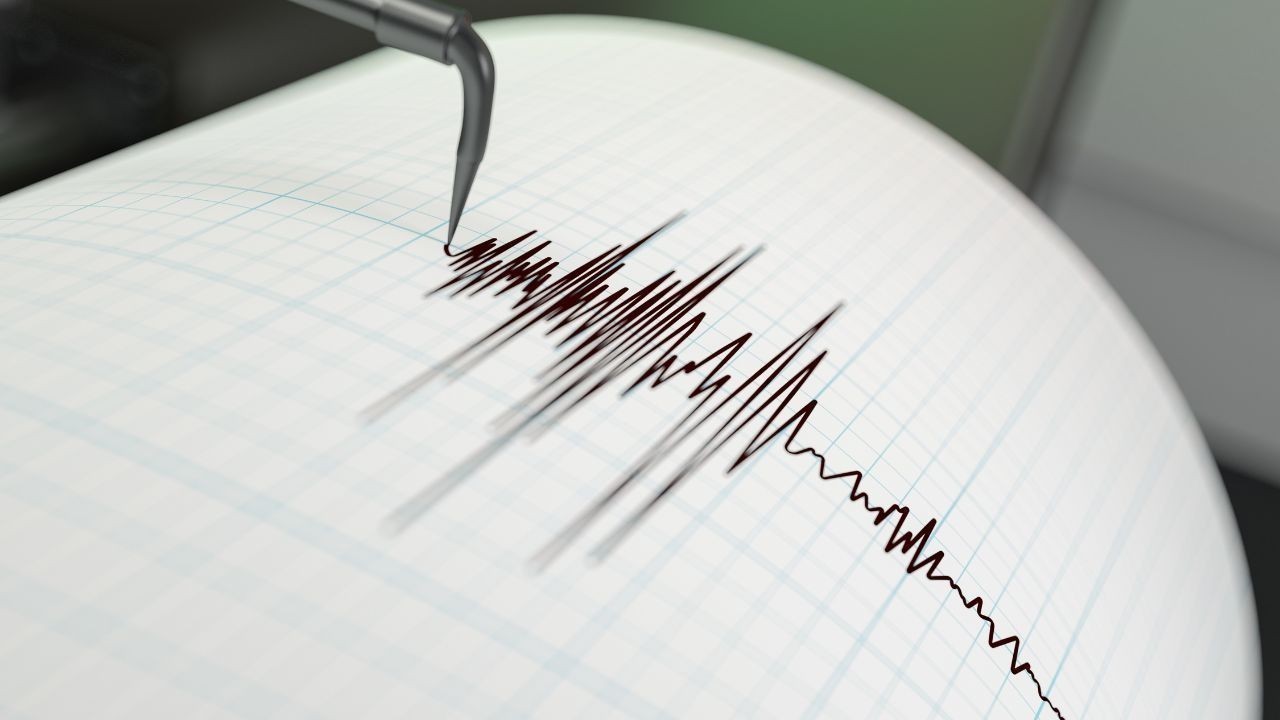
Strong 6.1 Magnitude Earthquake Hits West Sumatra, No Damage
A 6.1 earthquake struck off West Sumatra, Indonesia. No casualties, damage, or tsunami alert reporte

Saudi Confirms Drone Strike on US Embassy Riyadh
Two drones hit the US Embassy in Riyadh, causing a small fire and minor damage. No injuries were rep

UAE Restarts Limited Flights as Regional Airspace Disruptions Continue
UAE restarts limited flights from Dubai as US-Israel attacks on Iran disrupt regional airspace, forc

Asia Faces Energy Shock After Iran Closes Strait
Iran shuts Strait of Hormuz amid US-Israel strikes, sending oil prices higher and raising serious en


Bank of Baroda Faces Abu Dhabi Legal Battle over NMC Collapse
Bank of Baroda’s involvement in Abu Dhabi litigation tied to the NMC Healthcare collapse raises repu

Top Museum Openings of 2026 Set to Transform Global Tourism
From Los Angeles to Abu Dhabi and Brussels, 2026 brings major museum launches—Lucas Museum, Guggenhe

UAE Tour Highlights UAE’s Strength in Hosting Global Sports Events
Abu Dhabi Sports Council says the successful UAE Tour reflects the UAE’s leading role in hosting maj

EU Seeks Clarity from US After Supreme Court IEEPA Ruling
European Commission urges full transparency from the US on steps after Supreme Court ruling, emphasi

SpaceX Launches 53 New Satellites for Expanding Starlink Network
SpaceX launches 53 Starlink satellites in two Falcon 9 missions, breaking reuse records and expandin

RTA Awards Contract for Phase II of Hessa Street Upgrade in Dubai
Phase II of Hessa Street Development to add bridges, tunnel, and upgraded intersections, doubling ca

UAE Gold Prices Today, Monday 16 February 2026: Dubai & Abu Dhabi Updated Rates
Gold prices in UAE on 16 Feb 2026 updated: 24K around AED 599.75/gm, 22K AED 555.25/gm, and 18K AED

Over 25 Ahmedabad Schools Receive Bomb Threat Email, Authorities Investigate
More than 25 schools in Ahmedabad evacuated after bomb threat emails mentioning Khalistan. Authoriti