
Post by : Anis Karim
After nearly three years of pent-up wanderlust, global travel has made a roaring comeback — but not without its share of anxiety. This week, a sharp spike in travel insurance searches has taken both travel aggregators and insurers by surprise. Analysts attribute this surge to the complex web of new risks facing travelers in 2025 — from volatile weather and flight cancellations to health scares and evolving visa requirements.
It’s not just about ticking a mandatory checkbox before boarding anymore. Travel insurance has become part of the travel experience itself — a psychological cushion that offers peace of mind amid unpredictable circumstances. Whether it’s a student flying abroad, a family on vacation, or a digital nomad on the move, the trend signals one key insight: today’s traveler is both daring and cautious at once.
Search volume data from multiple trend-tracking platforms show a distinct rise in keywords like “best travel insurance for international trips,” “flight cancellation cover,” and “medical insurance for Europe travel.” The timing isn’t accidental. As global air traffic hit record highs this quarter, travelers are revisiting their insurance choices with a more analytical eye.
The most striking shift? Younger travelers — once dismissive of insurance — are leading the search wave. Gen Z and millennial travelers are now viewing insurance as essential rather than optional. This shift reflects growing financial literacy, fear of disruptions, and increased exposure to stories of travel gone wrong.
Typically, travel insurance searches peak before holiday seasons. But this week’s data show something different: a steady rise even outside peak vacation months. With fluctuating airline schedules, uncertain visa timelines, and frequent weather alerts, travelers are learning to plan ahead — and plan safely.
The pandemic years left deep scars on how people think about travel risk. In 2020, thousands of travelers lost deposits and tickets due to sudden lockdowns, border closures, and flight bans. Even with refunds, the experience exposed how fragile international travel could be.
That memory still fuels today’s behaviour. Many travelers who were once uninsured now view coverage as a fundamental part of any booking. The logic is simple: if global crises can return without warning, having financial protection is the least one can do.
Before 2020, insurance was often an afterthought — a last-minute add-on at checkout. Post-pandemic, it’s part of the initial checklist. In 2025, travelers treat it as seriously as passport renewals or vaccination records. Some even go further, comparing policy inclusions with the same scrutiny once reserved for hotel reviews.
During the pandemic, many travelers had to navigate complex documentation — PCR reports, vaccination proof, quarantine coverages — and insurance that included “COVID clauses.” These experiences built long-term awareness. Even though the virus is no longer the main global threat, the preparedness mindset persists.
The last few weeks have seen travel disruptions caused by flash floods, air-traffic strikes, and regional tensions. Travelers flying through or near affected areas are prioritizing coverage that protects them from cancellations, delays, or emergency evacuations. As one industry insider puts it, “Insurance is no longer fear-based — it’s strategy-based.”
Many countries are now tightening rules that make insurance mandatory for visa issuance. Meanwhile, airlines are enforcing stricter refund and rescheduling policies. This has forced travelers to think two steps ahead. Insurance serves as a backup plan where flexibility ends.
Online comparison tools and influencer-led travel planning have made it easier for people to educate themselves. Viral travel mishaps on social media — from lost baggage to last-minute cancellations — reinforce the message: better to spend a bit on protection than lose a fortune to bad luck.
Modern insurance is evolving from generic packages to tailored coverage. Frequent flyers want annual multi-trip protection. Backpackers prefer flexible, pay-as-you-go plans. Families choose comprehensive medical and cancellation covers. Digital nomads opt for cross-border insurance that follows them wherever they log in.
A growing trend is the integration of insurance purchase within airline and booking apps. Many now offer instant coverage upgrades or claim filing through chatbots. The convenience of real-time assistance has made even skeptical travelers reconsider.
Artificial intelligence is quietly reshaping travel insurance underwriting. Predictive models assess route risks, weather patterns, and even user behaviour to suggest personalized coverage. For travelers, it means better accuracy and fewer claim rejections — another reason for rising interest this week.
Modern travelers aren’t necessarily fearful — they’re strategic. They crave adventure but want assurance that they can handle emergencies. This psychological balance defines the 2025 traveler: spontaneous yet backed by safety nets.
Insurance offers a less-discussed benefit: mental comfort. The idea that “you’re covered” allows travelers to focus on the experience rather than worst-case scenarios. That emotional peace has become a product in itself — one reason insurers now market feelings of confidence rather than just financial reimbursement.
Influencers and digital creators have inadvertently become insurance promoters. When they share stories about claims being honored or mishaps being covered, followers take note. Search volumes often spike right after viral posts about travel gone wrong.
Insurers are adopting flexible, modular policies. Travelers can now toggle between add-ons like gadget cover, missed connections, medical evacuation, or trip cancellation, based on trip type. This on-demand model suits the hybrid traveler generation.
Brands are also tying insurance to sustainability, pledging carbon-offset partnerships or coverage for eco-travel experiences. Ethical marketing is resonating with younger travelers who weigh brand values as heavily as benefits.
Old frustrations with delayed claim settlements are being replaced with instant processing systems. Many providers now promise 24-hour reimbursements for minor claims. This agility is helping rebuild trust.
Countries like India, Indonesia, and Vietnam have seen record online searches for travel insurance this week. Rising disposable income and new passport holders mean first-time international travelers — who tend to be cautious — are joining the global mobility wave.
In Europe, unpredictable weather and labour strikes have made cancellation coverage a must. Searches show a preference for multi-trip annual plans among frequent EU travelers.
GCC nations continue to require comprehensive travel insurance for incoming visitors. This policy, combined with outbound growth among residents, keeps insurance demand steady.
In the U.S. and Canada, inflation and rising healthcare costs make medical coverage abroad a key concern. Travelers are comparing policies not just for price but for hospital network reliability.
AI-powered systems can track flights, weather and global alerts to offer automatic policy adjustments. If a traveler’s flight gets delayed, their insurance can auto-extend. This proactive feature is expected to dominate the next generation of policies.
Insurtech startups are exploring blockchain-based claim verification to eliminate fraud and disputes. Transparent, immutable records will make claim approvals faster and fairer.
Micro-insurance — covering just a single flight or short trip — is gaining traction. It’s affordable, accessible through mobile apps, and especially popular among students and solo explorers.
When travelers feel safe, they travel more confidently. That’s why tourism boards quietly welcome the insurance boom — it stabilizes visitor sentiment even during global volatility. Airlines too are offering bundled policies to protect loyalty.
Online travel agencies now integrate insurance choices seamlessly into checkout flows. The trend this week indicates users are not skipping that step anymore; instead, they’re comparing plans before paying for tickets.
Ultimately, the rise of insurance symbolizes maturity in global travel culture. It shows that modern travelers respect unpredictability but refuse to be paralyzed by it.
If this week’s surge is any indication, travel insurance will soon be as standard as carrying a credit card. The more uncertain the world feels, the more people value certainty in their experiences. The next phase of evolution will likely see “embedded insurance” — policies automatically included in ticketing systems or hotel bookings, much like baggage fees today.
We’re moving toward an age where travel and protection merge seamlessly. The smart traveler of 2025 no longer asks, “Should I get insurance?” Instead, the question becomes, “Which coverage fits my journey best?”
The climb in travel insurance searches this week tells a story of balance — between freedom and foresight, thrill and thoughtfulness. It’s proof that the modern traveler is evolving: daring enough to explore the world but wise enough to protect the journey.
As borders reopen wider and the appetite for exploration grows stronger, insurance stands not as a barrier, but as a bridge between aspiration and assurance. Travelers today don’t fear the unexpected; they prepare for it — and that preparedness, more than anything, defines the spirit of global travel in 2025.
This article is intended for informational and editorial purposes only. It does not offer financial or legal advice. Readers are encouraged to research or consult professionals before making insurance or travel decisions.

US Stocks Slide as AI Fears, Inflation and Oil Surge Weigh
US stocks dropped as AI disruption fears hit tech firms, inflation rose above forecasts, and oil pri

Pacific Prime Wins Top Honors at Cigna Awards 2026
Pacific Prime secured Top Individual Broker and Top SME Broker awards at Cigna’s Annual Broker Award

QatarEnergy Halts LNG Output After Military Attack
QatarEnergy has stopped LNG production after military attacks hit its facilities in Ras Laffan and M

Strong 6.1 Magnitude Earthquake Hits West Sumatra, No Damage
A 6.1 earthquake struck off West Sumatra, Indonesia. No casualties, damage, or tsunami alert reporte

Saudi Confirms Drone Strike on US Embassy Riyadh
Two drones hit the US Embassy in Riyadh, causing a small fire and minor damage. No injuries were rep

UAE Restarts Limited Flights as Regional Airspace Disruptions Continue
UAE restarts limited flights from Dubai as US-Israel attacks on Iran disrupt regional airspace, forc
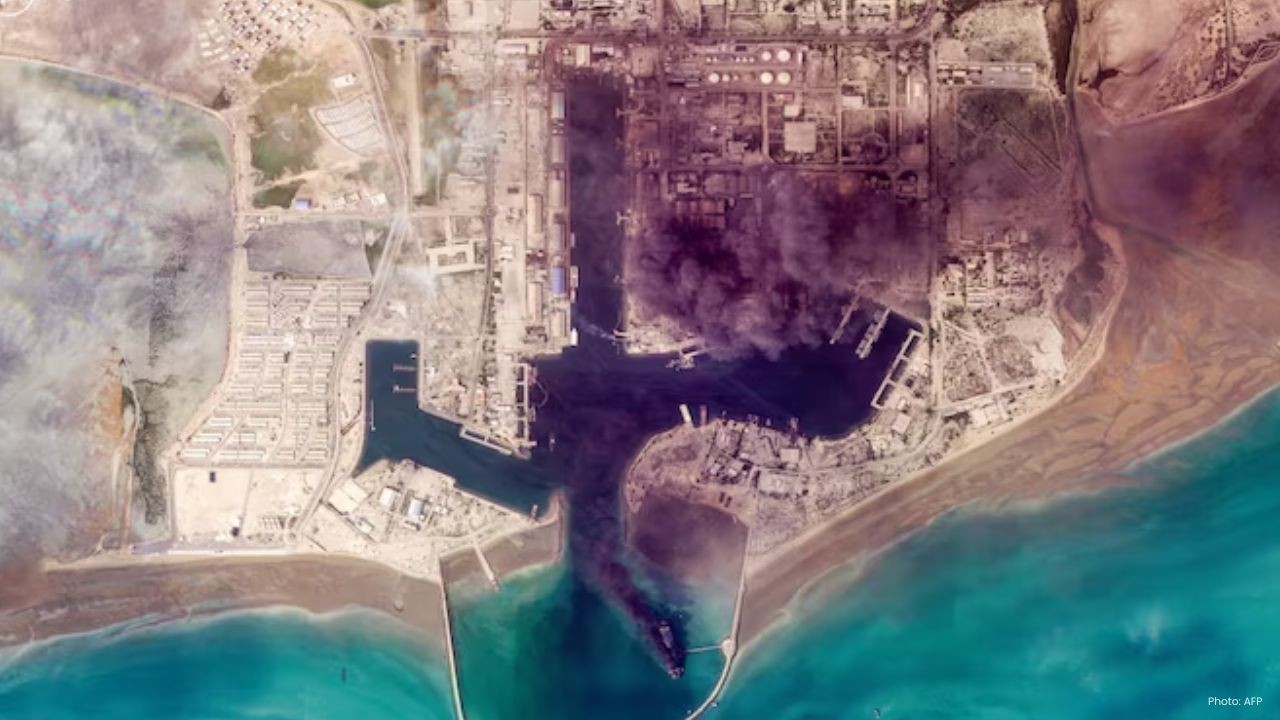
Asia Faces Energy Shock After Iran Closes Strait
Iran shuts Strait of Hormuz amid US-Israel strikes, sending oil prices higher and raising serious en


Bank of Baroda Faces Abu Dhabi Legal Battle over NMC Collapse
Bank of Baroda’s involvement in Abu Dhabi litigation tied to the NMC Healthcare collapse raises repu

Top Museum Openings of 2026 Set to Transform Global Tourism
From Los Angeles to Abu Dhabi and Brussels, 2026 brings major museum launches—Lucas Museum, Guggenhe

UAE Tour Highlights UAE’s Strength in Hosting Global Sports Events
Abu Dhabi Sports Council says the successful UAE Tour reflects the UAE’s leading role in hosting maj
EU Seeks Clarity from US After Supreme Court IEEPA Ruling
European Commission urges full transparency from the US on steps after Supreme Court ruling, emphasi

SpaceX Launches 53 New Satellites for Expanding Starlink Network
SpaceX launches 53 Starlink satellites in two Falcon 9 missions, breaking reuse records and expandin

RTA Awards Contract for Phase II of Hessa Street Upgrade in Dubai
Phase II of Hessa Street Development to add bridges, tunnel, and upgraded intersections, doubling ca

UAE Gold Prices Today, Monday 16 February 2026: Dubai & Abu Dhabi Updated Rates
Gold prices in UAE on 16 Feb 2026 updated: 24K around AED 599.75/gm, 22K AED 555.25/gm, and 18K AED

Over 25 Ahmedabad Schools Receive Bomb Threat Email, Authorities Investigate
More than 25 schools in Ahmedabad evacuated after bomb threat emails mentioning Khalistan. Authoriti