Post by : Anis Karim
Recent trends in financial markets reflect a significant transformation, driven by inflation fluctuations, geopolitical conflicts, and changes in monetary policies. As traditional asset allocation models face challenges, commodities are gaining increased importance in strategic portfolio discussions.
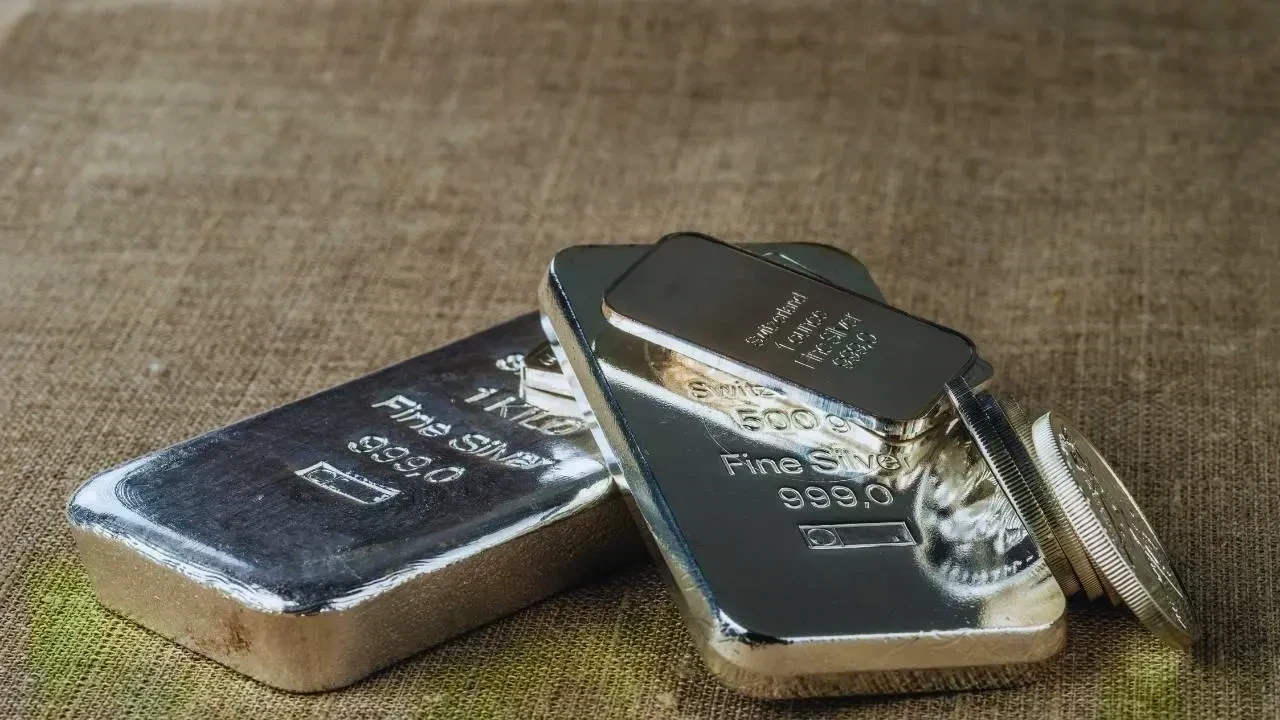
Silver, often considered the underdog compared to gold, is witnessing a resurgence in demand as both a precious and industrial metal. Coupled with the rising significance of other energy metals and agricultural products, commodities are redefining how investors address risk and growth.
This article delves into the factors fueling this trend, focusing on silver's vital role in current investment strategies and its influence on both institutional and retail portfolios.
With inflation proving more enduring than expected, soaring prices across numerous sectors are prompting investors to consider assets that can safeguard against currency devaluation. Historically, commodities have thrived during inflationary phases, holding intrinsic value tied to physical goods.
Silver's dual nature as a valuable asset and an industrial necessity makes it particularly attractive. Investors are increasingly choosing silver for its potential to preserve wealth while also offering growth opportunities.
a tangible, limited resource
robust demand during industrial cycles
limited correlation with stocks
cost-effective compared to gold, attracting retail interest
Global tensions and supply chain crises have revealed the vulnerabilities of existing economic frameworks, leading to heightened risk premiums in financial markets and increased interest in hard assets.
Commodities typically maintain purchasing power during turbulent periods, and silver’s extensive use across industries elevates its value, particularly when geopolitical events disrupt supply.
Modern investors increasingly pursue diverse portfolios to mitigate risks associated with stock and bond volatility. Commodities represent a unique opportunity due to their potential for non-correlation with traditional asset classes.
The recognition of uncorrelated returns has reintroduced silver and similar commodities into mainstream investment strategies, not just as tactical tools but as essential long-term components.
Historically, silver has been valued mainly for wealth preservation, but its wider application in various industries enhances its investment case. In contrast to gold, primarily sought for jewelry and investment, silver holds considerable industrial significance.
Silver plays a crucial role in several growing industries, including:
production of solar panels
components for electric vehicles
semiconductor manufacturing
medical technology and diagnostics
communication electronics
These sectors are poised for rapid expansion, ensuring a steady demand for silver even amidst fluctuating market sentiments. This dual functionality enables silver to benefit from both safe-haven capital flows and phases of industrial growth.
increased global investments in renewable energy
growing adoption of electric vehicles
heavy reliance on electronic infrastructure
Silver’s integral role in the green energy transition will further solidify its status as a strategic asset.
With a global shift toward sustainability, energy metals such as lithium, nickel, copper, and rare earth elements are becoming increasingly significant. These commodities are critical for innovations in electric vehicles and energy storage solutions.
promising growth potential driven by enduring demand
prices influenced by scarcity
alignment with sustainability-focused investments
Silver complements these trends, enhancing sectors such as photovoltaics and electronic applications.
Climate events, geopolitical tensions, and demographic shifts are increasingly impacting food supply chains. Consequently, agricultural commodities are gaining traction as vital diversification options.
fundamental necessity drives sustained demand
provides a buffer against climate-driven supply issues
benefits from worldwide consumption growth
Combining agriculture with metals and energy assets fortifies portfolio resilience against market unpredictability.
Historically, commodities were used intermittently as tools for inflation hedging or volatility management. Nowadays, investors are increasingly recognizing commodities as integral to well-rounded portfolios.
persistent global demand
supply uncertainties driving prices upward
rise of green technologies
increased focus on hard assets
Silver stands out due to its liquidity, market accessibility, and relevance to future industries.
Pension funds and sovereign wealth entities are expanding their commodity allocations, recognizing the long-term value of risk management and inflation defense.
diversification to counteract equity and bond concentration
hedging against prolonged uncertainties
capitalizing on market imbalances
commitments to sustainable practices
Many institutional strategies now include silver alongside energy and precious metals in their commodity portfolios.
Retail investors have easier access to commodities through:
exchange-traded funds
fractional metal purchases
digital platforms for gold and silver
commodity-based stocks
more affordable than gold
robust long-term industrial demand
offers both safety and growth potential
simple investment options
Retail engagement has contributed to enhanced liquidity and price movement in silver markets.
Adjustments in central bank interest rates significantly influence commodity pricing through their impact on:
borrowing rates
inflation projections
foreign exchange strength
overall market liquidity
Typically, lower rates create a favorable environment for commodities, while higher rates might reduce speculative interest but have a positive effect on industrial metals like silver.
The extensive industrial implications of silver allow it to surpass gold during recovery phases, regardless of interest rate fluctuations.
International commitments to decrease carbon emissions and implement clean technologies pave the way for long-lasting demand for select commodities. Experts suggest that we may be entering a new commodity supercycle.
essential for solar technology
critical for electric vehicle parts
used in power systems and grid technologies
The rise of AI and automation technologies necessitates significant metal inputs, generating fresh long-term demand opportunities for silver and similar strategic commodities.
Investors must be mindful of price volatility arising from:
geopolitical disturbances
breakdowns in supply chains
climate-related agricultural shifts
rapid changes in demand
While silver and oil benefit from high market liquidity, certain rarer metals and agricultural products may present challenges such as:
limited liquidity
broader bid-ask spreads
challenges related to physical ownership
Changes in mining policies, trade regulations, and sustainability initiatives have the potential to profoundly affect supply dynamics, leading to substantial price impacts.
Once viewed as mere utility assets, commodities are now recognized as central to sustainable growth, risk mitigation, and portfolio stability. Silver, situated at the nexus of finance and industry, will maintain its relevance in future-oriented portfolios.
expansion of global manufacturing
commitments to sustainable energy
increased electric vehicle prevalence
investor appetite for safe-haven assets
As market conditions evolve, investors focus on crafting portfolios that are resilient and can leverage upcoming trends. Commodities provide the necessary framework for such strategies, ensuring diversification and strategic importance.

US Stocks Slide as AI Fears, Inflation and Oil Surge Weigh
US stocks dropped as AI disruption fears hit tech firms, inflation rose above forecasts, and oil pri

Pacific Prime Wins Top Honors at Cigna Awards 2026
Pacific Prime secured Top Individual Broker and Top SME Broker awards at Cigna’s Annual Broker Award

QatarEnergy Halts LNG Output After Military Attack
QatarEnergy has stopped LNG production after military attacks hit its facilities in Ras Laffan and M

Strong 6.1 Magnitude Earthquake Hits West Sumatra, No Damage
A 6.1 earthquake struck off West Sumatra, Indonesia. No casualties, damage, or tsunami alert reporte

Saudi Confirms Drone Strike on US Embassy Riyadh
Two drones hit the US Embassy in Riyadh, causing a small fire and minor damage. No injuries were rep

UAE Restarts Limited Flights as Regional Airspace Disruptions Continue
UAE restarts limited flights from Dubai as US-Israel attacks on Iran disrupt regional airspace, forc

Asia Faces Energy Shock After Iran Closes Strait
Iran shuts Strait of Hormuz amid US-Israel strikes, sending oil prices higher and raising serious en


Bank of Baroda Faces Abu Dhabi Legal Battle over NMC Collapse
Bank of Baroda’s involvement in Abu Dhabi litigation tied to the NMC Healthcare collapse raises repu

Top Museum Openings of 2026 Set to Transform Global Tourism
From Los Angeles to Abu Dhabi and Brussels, 2026 brings major museum launches—Lucas Museum, Guggenhe

UAE Tour Highlights UAE’s Strength in Hosting Global Sports Events
Abu Dhabi Sports Council says the successful UAE Tour reflects the UAE’s leading role in hosting maj

EU Seeks Clarity from US After Supreme Court IEEPA Ruling
European Commission urges full transparency from the US on steps after Supreme Court ruling, emphasi

SpaceX Launches 53 New Satellites for Expanding Starlink Network
SpaceX launches 53 Starlink satellites in two Falcon 9 missions, breaking reuse records and expandin

RTA Awards Contract for Phase II of Hessa Street Upgrade in Dubai
Phase II of Hessa Street Development to add bridges, tunnel, and upgraded intersections, doubling ca

UAE Gold Prices Today, Monday 16 February 2026: Dubai & Abu Dhabi Updated Rates
Gold prices in UAE on 16 Feb 2026 updated: 24K around AED 599.75/gm, 22K AED 555.25/gm, and 18K AED

Over 25 Ahmedabad Schools Receive Bomb Threat Email, Authorities Investigate
More than 25 schools in Ahmedabad evacuated after bomb threat emails mentioning Khalistan. Authoriti





