Post by : Anis Karim
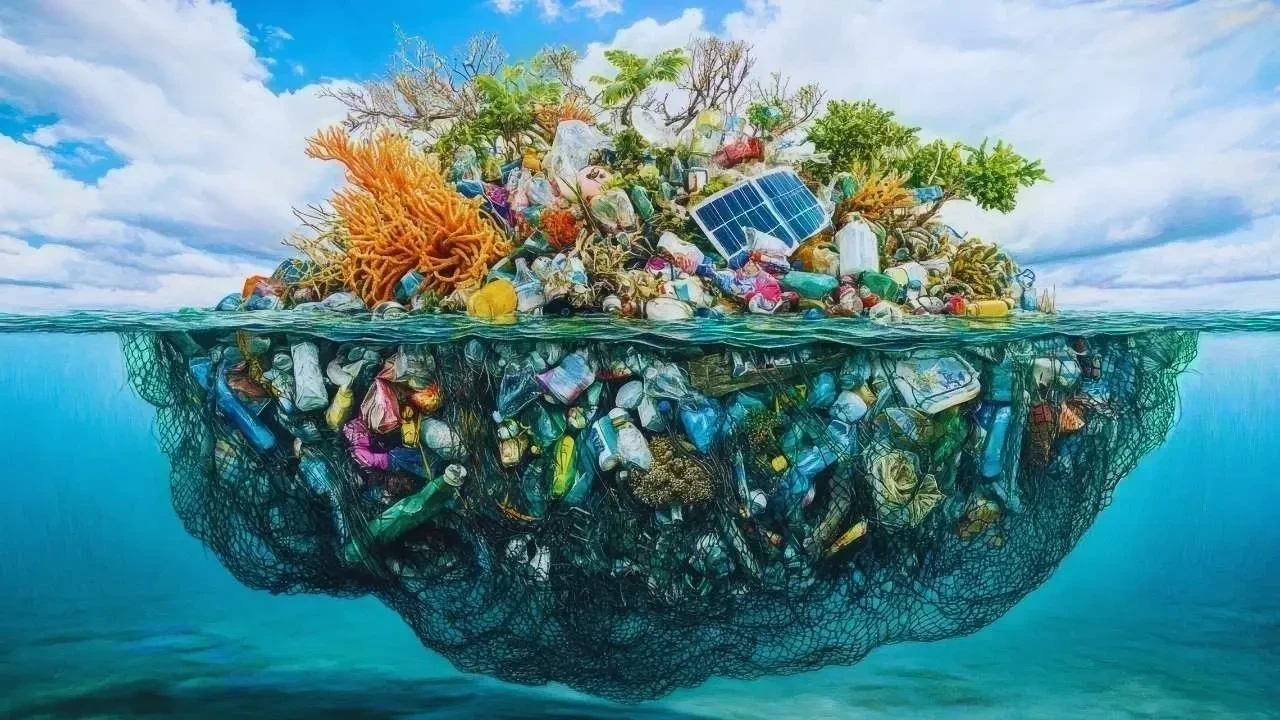
Once, pollution was an external issue, confined to the air we breathe and the water we drink. Now, it has breached our most intimate boundary: the human bloodstream.
Recent studies have revealed alarming traces of pollutants within human blood. Dust particles, chemicals, and microplastics are no longer merely environmental hazards; they are now circulating within our bodies, unseen yet impactful.
For countless individuals, this situation unfolds without any noticeable symptoms. There’s no burning sensation, no overt signs of distress—just the unsettling reality that each breath and sip of water may harbor harmful substances.
This is not an abstract environmental dilemma; it is a pressing health concern.
Pollution is not just “out there”—it is within us.
The contaminants sneaking into our bloodstream encompass a range of materials that permeate our daily lives.
Particle pollution, specifically PM2.5, consists of minuscule air particles that penetrate deep into the lungs and then into our bloodstream.
Once they enter:
They reach the heart
They traverse into the brain
They infiltrate the liver and kidneys
They provoke inflammatory responses
These particles contribute to a range of health issues:
Cardiovascular problems
Stroke risks
Lung cancer incidence
Cognitive impairment
Diabetes prevalence
The smaller the particle, the greater the risk it poses.
Toxins such as lead, mercury, and cadmium continue to infiltrate our food, water, and air.
These metals:
Pollute drinking water
Accumulate in seafood
Spread through dust
Persist in outdated plumbing
Once in the bloodstream:
They harm neural pathways
Disrupt memory function
Compromise immune systems
Negatively impact kidney and liver health
Impair child development
These contaminants are not easily eliminated.
Microplastics, once thought to be a coastal issue, are now found throughout our bodies:
In blood samples
In lung tissues
Within placental tissues
In breast milk
These tiny plastics originate from:
Food packaging materials
Bottled water containers
Synthetic textiles
Domestic dust
Cosmetic products
Plastic fails to biodegrade or dissolve.
In the bloodstream, they behave as carriers for harmful chemicals.
Each inhalation introduces:
Exhaust from vehicles
Emissions from factories
Dust from construction sites
Smoke from waste burning
Fumes from fires
Air is the quickest route for pollutants to infiltrate our bodies.
Water quality is compromised by:
Runoff from industries
Cracked pipelines
Overflow from sewage systems
Chemicals from agriculture
Not all pollutants can be eliminated by boiling.
Pesticides seep into soil and vegetables.
Fish consume mercury from pollutants in rivers.
Milk can carry toxins.
Meat contains harmful residues.
Our meals are part of the contamination cycle.
Skin is not an impenetrable barrier.
Chemicals from:
Soaps
Shampoos
Deodorants
Cosmetics
can gradually seep into our bloodstreams.
Our bloodstream serves as a delivery system.
Any substance that enters is distributed throughout the body.
Pollution triggers immune responses, constantly signaling the body to defend itself. Ongoing exposure can result in:
Damaged vascular health
Cardiac diseases
Disorders of the immune system
Increased cancer risk
The liver and kidneys attempt to cleanse contaminated blood.
Over time:
The filtering process slows
Resistance builds up
Tissue begins to deteriorate
Toxins accumulate in the organs
Our organs face accelerated aging when overwhelmed.
Despite protective barriers, airborne toxins can penetrate.
For instance, PM2.5 exposure has been associated with:
Cognitive decline
Depressive symptoms
Increased risk of Alzheimer’s
Learning difficulties
The brain absorbs pollutants more readily than anticipated and eliminates them very slowly.
According to the World Health Organization, air pollution is one of the most severe environmental hazards globally. Studies from various continents consistently link the exposure to pollution with premature mortality.
In Europe, researchers have discovered plastic particles within human organs. In Asia, heavy metal exposure remains a critical issue. Africa faces challenges with unsafe water, while Latin America is grappling with invisible industrial toxins.
Pollution does not recognize borders.
Children are particularly vulnerable:
They breathe more rapidly.
They ingest more liquids relative to their body weight.
They absorb pollutants more easily.
Their bodies are still developing.
This leads to severe risks such as:
Asthma
Developmental behavior issues
Heart complications
Hormonal irregularities
This is not a potential future risk; it is damage passed down through generations.
While modern advancements have brought:
Innovation in electricity
Enhanced transportation
Industrial growth
Convenience in daily life
They have also resulted in:
Smog accumulation
Toxin proliferation
Chemical runoff preponderance
Increasing landfill waste
Every advancement has unwittingly created environmental harm.
Diseases like cancer and heart issues silently affect individuals.
Symptoms develop gradually.
Contaminated blood flows unnoticed, leading to insidious health declines.
Medical professionals largely treat:
Lung disorders
Cardiovascular events
Arthritis conditions
Neurological impairment
Rarely do they pinpoint pollution as a direct cause, due to its intricate and cumulative nature.
Modern medicine addresses damage but seldom prevents exposure.
City living amplifies pollution exposure:
Enclosed spaces trap contaminants
Air circulation drops
Traffic congestion increases
Construction activity never ceases
People are confined in polluted environments daily.
Living in rural areas doesn’t guarantee safety:
Agricultural chemicals taint
Wells and natural water sources
Produce contamination is accelerated
Outdoor burning and pesticide usage intensify health risks.
Governments primarily engage with:
Industrial interests
Economic growth indicators
Job market statistics
However, few consider:
Health deterioration
Declining productivity
Rising healthcare expenses
Population decline
As health suffers:
Workforce participation diminishes
Hospital admissions increase
Insurance premiums rise
National health declines overall
A toxic economy struggles to remain productive.
Economic privilege doesn’t shield against polluted air.
Filters offer some help, but supply chains intertwine sources of contamination.
Awareness remains the key to lowering risk.
Ventilate frequently when conditions allow
Avoid smoke indoors
Utilize air purifiers as needed
Regularly clean surfaces
Opt for reliable filtering systems
Avoid unknown water sources
Conduct frequent checks on water systems
Thoroughly wash all produce
Limit reliance on packaged goods
Avoid reheating food in plastic containers
Prefer fresh, local sourcing
Limit cosmetic applications
Select simple formulations
Minimize usage of scented chemicals
Clean children's toys regularly
Restrict outdoor play during high pollution days
Focus on nutritious diets
Pollution isn't merely an individual issue; it's a collective one. Solutions require:
Stricter regulations on factories
Investigating safer transport fuels
Efficient waste management systems
Reforms in agriculture
Enforcement of air quality standards
While personal efforts lead to improvements, comprehensive governmental intervention is indispensable.
Organs are oblivious to financial progress; the heart doesn’t recognize commerce.
Results indicate that when blood is polluted, economic success diminishes.
Health will always be the true measure of economic stability.
They are embedded within us, silent yet ever-present. This isn't merely an urban challenge; it’s a physiological reality.
Once a distant skyline issue, pollution now flows through our veins.
What we face isn’t merely an environmental crisis; it’s a transformative biological emergency.
Our bodies are becoming repositories for industrial waste.
If we don’t act soon, the irreversible damage inside us will only intensify.
Disclaimer:
This article is intended for educational purposes only and is not medical advice. Always consult a qualified healthcare professional for health-related issues.

US Stocks Slide as AI Fears, Inflation and Oil Surge Weigh
US stocks dropped as AI disruption fears hit tech firms, inflation rose above forecasts, and oil pri

Pacific Prime Wins Top Honors at Cigna Awards 2026
Pacific Prime secured Top Individual Broker and Top SME Broker awards at Cigna’s Annual Broker Award
QatarEnergy Halts LNG Output After Military Attack
QatarEnergy has stopped LNG production after military attacks hit its facilities in Ras Laffan and M
Strong 6.1 Magnitude Earthquake Hits West Sumatra, No Damage
A 6.1 earthquake struck off West Sumatra, Indonesia. No casualties, damage, or tsunami alert reporte

Saudi Confirms Drone Strike on US Embassy Riyadh
Two drones hit the US Embassy in Riyadh, causing a small fire and minor damage. No injuries were rep
UAE Restarts Limited Flights as Regional Airspace Disruptions Continue
UAE restarts limited flights from Dubai as US-Israel attacks on Iran disrupt regional airspace, forc
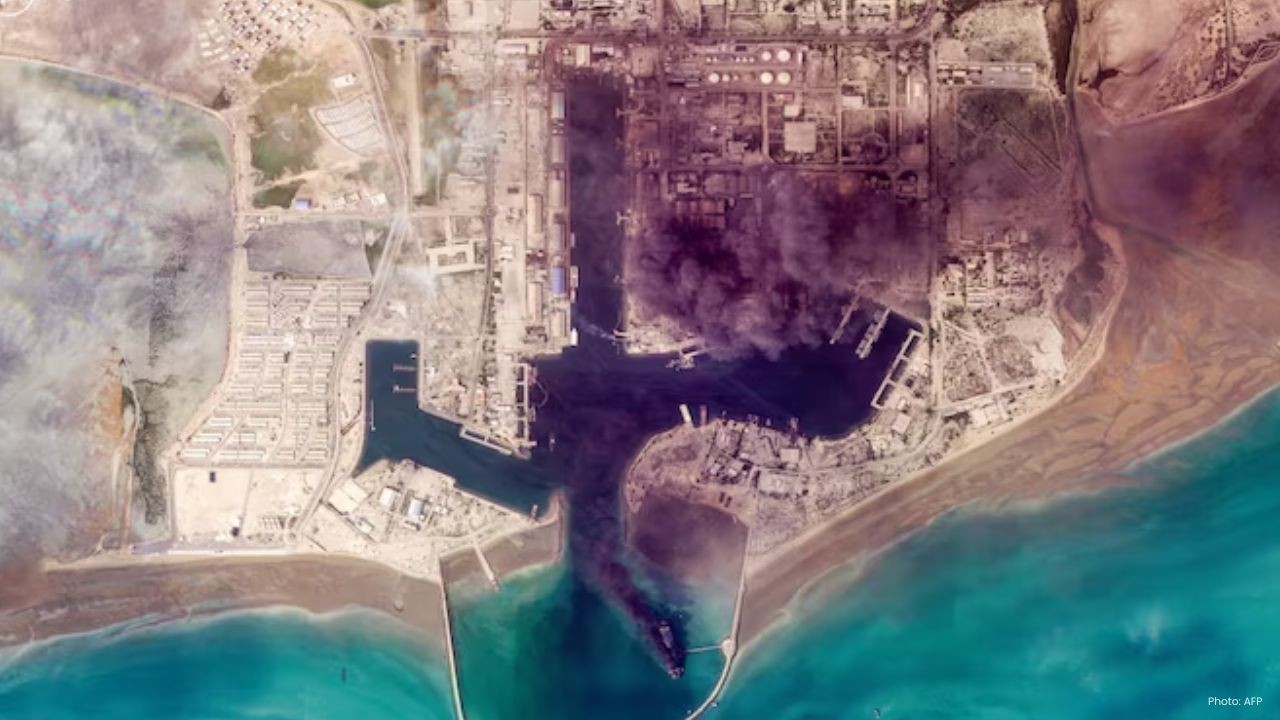
Asia Faces Energy Shock After Iran Closes Strait
Iran shuts Strait of Hormuz amid US-Israel strikes, sending oil prices higher and raising serious en


Bank of Baroda Faces Abu Dhabi Legal Battle over NMC Collapse
Bank of Baroda’s involvement in Abu Dhabi litigation tied to the NMC Healthcare collapse raises repu

Top Museum Openings of 2026 Set to Transform Global Tourism
From Los Angeles to Abu Dhabi and Brussels, 2026 brings major museum launches—Lucas Museum, Guggenhe

UAE Tour Highlights UAE’s Strength in Hosting Global Sports Events
Abu Dhabi Sports Council says the successful UAE Tour reflects the UAE’s leading role in hosting maj

EU Seeks Clarity from US After Supreme Court IEEPA Ruling
European Commission urges full transparency from the US on steps after Supreme Court ruling, emphasi
SpaceX Launches 53 New Satellites for Expanding Starlink Network
SpaceX launches 53 Starlink satellites in two Falcon 9 missions, breaking reuse records and expandin

RTA Awards Contract for Phase II of Hessa Street Upgrade in Dubai
Phase II of Hessa Street Development to add bridges, tunnel, and upgraded intersections, doubling ca

UAE Gold Prices Today, Monday 16 February 2026: Dubai & Abu Dhabi Updated Rates
Gold prices in UAE on 16 Feb 2026 updated: 24K around AED 599.75/gm, 22K AED 555.25/gm, and 18K AED

Over 25 Ahmedabad Schools Receive Bomb Threat Email, Authorities Investigate
More than 25 schools in Ahmedabad evacuated after bomb threat emails mentioning Khalistan. Authoriti