Post by : Anis Karim
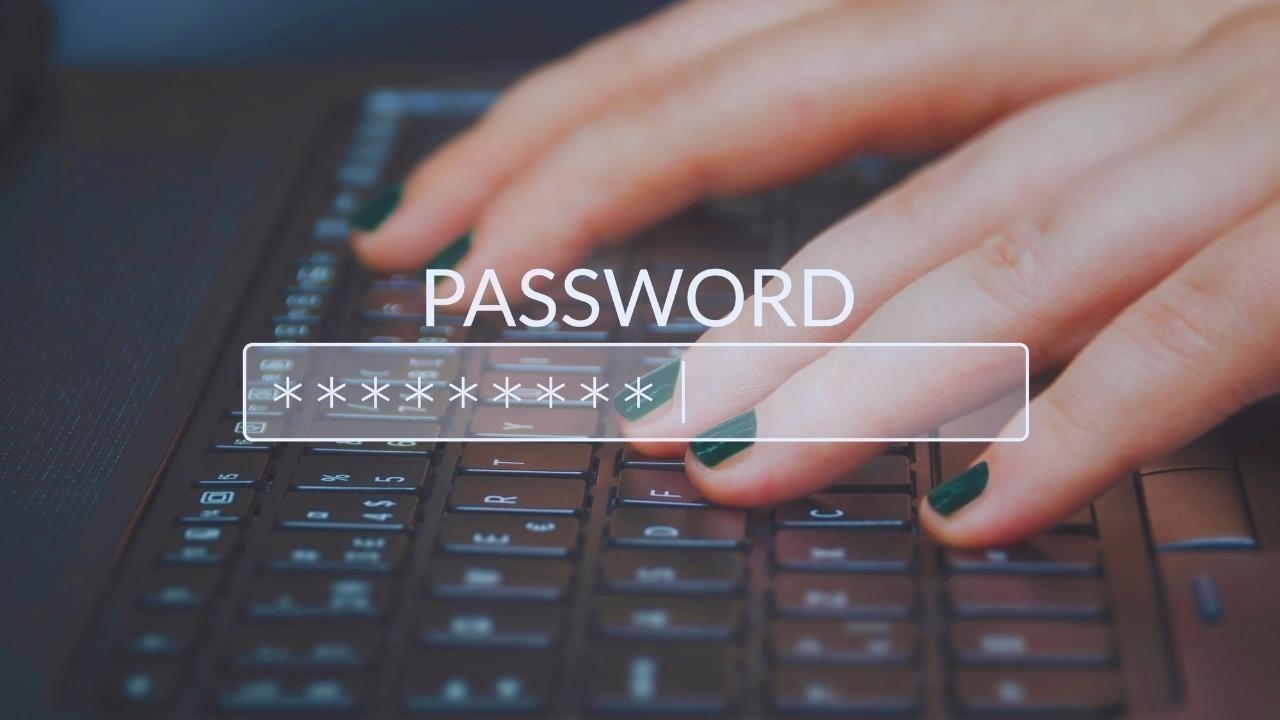
In today's hyper-connected world, passwords are the first and often only line of defense standing between your digital life and potential cyber threats. Yet, despite increasing awareness, many individuals continue to rely on weak, repetitive, or easily guessable passwords. Whether you're logging into a shopping account, email, bank, or social media platform, a compromised password can spiral into data theft, financial loss, or worse—identity fraud. With cybercrime becoming more sophisticated, the need for foolproof password strategies is no longer optional; it's urgent.
For the average user, it’s easy to underestimate the consequences of a simple security lapse. A reused or weak password can become a gateway to all your digital accounts, especially if you’re using the same login credentials across multiple platforms. According to cybersecurity reports, over 60% of data breaches stem from reused or easily cracked passwords. These are not just tech statistics; they translate into real-world issues like drained bank accounts, hijacked social profiles, unauthorized purchases, and prolonged credit recovery procedures. The everyday person may not feel like a target, but bots and phishing campaigns don’t discriminate.
It’s not just about adding numbers and special characters anymore. A robust password in 2025 is:
At least 12–16 characters long
Includes a mix of uppercase, lowercase, numbers, and symbols
Avoids dictionary words or predictable patterns
Is unique for every platform
The best passwords are not memorable by humans—they’re remembered by machines. And this is where trusted tools enter the picture.
Password managers are applications that store and encrypt your login information across sites and apps. Some trusted names in 2025 include Bitwarden, 1Password, NordPass, and Dashlane. These tools not only generate complex, unbreakable passwords but also autofill them securely when needed. Users only need to remember one master password—everything else is handled automatically, encrypted using military-grade protocols.
Beyond convenience, password managers can also flag weak, old, or duplicated passwords and alert you to breaches involving your credentials. These digital vaults are available across devices, offering mobile and browser extensions, making them incredibly convenient for day-to-day life.
Think of Two-Factor Authentication (2FA) as a double lock on your door. Even if a hacker manages to get your password, they still can’t access your account without a second form of verification—often a one-time code sent to your device or generated via an app like Google Authenticator or Authy. Some platforms now even offer biometric authentication (face scan, fingerprint) as part of multi-factor security.
2FA significantly reduces the risk of unauthorized access. For common users, enabling it on email, banking, cloud storage, and social accounts is one of the simplest ways to fortify their digital footprint.
While knowing what to do is crucial, knowing what not to do is equally important. Here are a few habits to break immediately:
Never write passwords on paper or sticky notes
Avoid saving passwords in plain text files on your desktop or email
Stop using names, birthdays, or simple number sequences as passwords
Do not use the same password across multiple websites
Cyber attackers often run stolen credentials through hundreds of sites in what's known as credential stuffing attacks. If your Facebook password is the same as your banking one, you're practically handing out your wallet.
Tech giants like Apple and Google are moving towards passkey technology—a passwordless future where authentication happens using device-based cryptographic keys. This eliminates the need to remember passwords altogether and significantly minimizes phishing risks. While still in its early adoption phase, the system is rapidly being accepted by major apps and websites.
In tandem, biometric logins like facial recognition and fingerprint scanning offer an extra layer of convenience and security. However, these should always be used in conjunction with other methods and not as standalone access—biometrics can’t be changed if compromised.
It’s vital to educate not just tech-savvy users but also vulnerable groups like children and the elderly. Simple actions like enabling password managers on family devices or setting up 2FA on their email accounts can make a big difference. Many password managers also offer family plans, making it easier to monitor and guide safe digital behavior across age groups.
Even the best-prepared user may occasionally forget a password. The key is to ensure your recovery methods are up-to-date—linked to an active email, phone number, and recovery questions that only you can answer. If you use a password manager, recovery options typically include backup keys or emergency contacts. It’s worth spending 10 minutes today setting this up instead of spending hours recovering your online life post-breach.
Let’s clear up some common misconceptions:
"I’m not important enough to be hacked."
Hackers often target users at random, using bots to automate breaches.
"I changed my password last year. I’m fine."
Cyber threats evolve rapidly. Passwords should be reviewed every 3–6 months.
"It’s okay to use the same password if I only access my accounts from home."
Wi-Fi networks can be vulnerable too. Repetition is always risky.
"Strong passwords are too hard to remember."
That’s exactly why password managers exist—let them do the remembering.
Download a trusted password manager
Change weak or duplicate passwords
Turn on 2FA for your key accounts
Avoid logging into important accounts over public Wi-Fi
Enable alerts for suspicious login activity
These aren’t high-level IT solutions—they’re accessible steps anyone can take with a smartphone and a few minutes of attention.
While passwords may eventually give way to more secure methods like biometrics and passkeys, the present still demands vigilance. Everyone from students to senior citizens has a digital footprint to protect. Understanding that your data is valuable is the first step in treating it that way.
Cyber hygiene doesn’t require technical expertise—just informed choices. With the right tools and habits, anyone can build a digital shield around their private information. In an era where one click can lead to crisis, proactive password protection is not paranoia—it’s prudence.
The views and opinions expressed in this article are those of the author and do not necessarily reflect the official policy or position of DXB News Network. The content is provided for general informational purposes only and should not be construed as cybersecurity or IT professional advice. Always consult with certified security professionals for individual concerns and protection strategies.

US Stocks Slide as AI Fears, Inflation and Oil Surge Weigh
US stocks dropped as AI disruption fears hit tech firms, inflation rose above forecasts, and oil pri

Pacific Prime Wins Top Honors at Cigna Awards 2026
Pacific Prime secured Top Individual Broker and Top SME Broker awards at Cigna’s Annual Broker Award

QatarEnergy Halts LNG Output After Military Attack
QatarEnergy has stopped LNG production after military attacks hit its facilities in Ras Laffan and M
Strong 6.1 Magnitude Earthquake Hits West Sumatra, No Damage
A 6.1 earthquake struck off West Sumatra, Indonesia. No casualties, damage, or tsunami alert reporte

Saudi Confirms Drone Strike on US Embassy Riyadh
Two drones hit the US Embassy in Riyadh, causing a small fire and minor damage. No injuries were rep

UAE Restarts Limited Flights as Regional Airspace Disruptions Continue
UAE restarts limited flights from Dubai as US-Israel attacks on Iran disrupt regional airspace, forc

Asia Faces Energy Shock After Iran Closes Strait
Iran shuts Strait of Hormuz amid US-Israel strikes, sending oil prices higher and raising serious en


Bank of Baroda Faces Abu Dhabi Legal Battle over NMC Collapse
Bank of Baroda’s involvement in Abu Dhabi litigation tied to the NMC Healthcare collapse raises repu

Top Museum Openings of 2026 Set to Transform Global Tourism
From Los Angeles to Abu Dhabi and Brussels, 2026 brings major museum launches—Lucas Museum, Guggenhe

UAE Tour Highlights UAE’s Strength in Hosting Global Sports Events
Abu Dhabi Sports Council says the successful UAE Tour reflects the UAE’s leading role in hosting maj
EU Seeks Clarity from US After Supreme Court IEEPA Ruling
European Commission urges full transparency from the US on steps after Supreme Court ruling, emphasi

SpaceX Launches 53 New Satellites for Expanding Starlink Network
SpaceX launches 53 Starlink satellites in two Falcon 9 missions, breaking reuse records and expandin

RTA Awards Contract for Phase II of Hessa Street Upgrade in Dubai
Phase II of Hessa Street Development to add bridges, tunnel, and upgraded intersections, doubling ca

UAE Gold Prices Today, Monday 16 February 2026: Dubai & Abu Dhabi Updated Rates
Gold prices in UAE on 16 Feb 2026 updated: 24K around AED 599.75/gm, 22K AED 555.25/gm, and 18K AED

Over 25 Ahmedabad Schools Receive Bomb Threat Email, Authorities Investigate
More than 25 schools in Ahmedabad evacuated after bomb threat emails mentioning Khalistan. Authoriti