Author : Mukesh Kumar
Are You Training Too Much? Your Body Might Be Asking You to Slow Down
These days, many people focus a lot on fitness. Whether it’s going to the gym, running every morning, or following tough workout plans, staying fit is a big goal for many. You might hear phrases like “No pain, no gain” or “Train hard or stay the same.” But what if training too much is actually harming your health?
There is a condition called Overtraining Syndrome, or OTS for short. It happens when you push your body too hard without giving it the rest it needs. This can lead to tiredness, poor performance, mood changes, and even illness. So let’s understand what overtraining really is — and how you can avoid it.
Overtraining Syndrome happens when a person exercises too much and doesn’t allow enough time for the body to rest and recover. This is not the same as feeling sore or tired after a hard workout. OTS is a more serious problem that affects your energy, mood, strength, and health over time.
People who get OTS often ignore the early signs. They think pushing harder will lead to better results. But the body needs time to repair and grow stronger. Without rest, things can go wrong.
Here are some common causes of Overtraining Syndrome:
Too Many Workouts, Not Enough Rest
Exercising every day without taking breaks puts stress on your muscles and joints. Your body needs time off to rebuild itself.
Not Sleeping Enough
When you sleep, your body heals. If you sleep less than 7 hours, you may not recover properly from workouts.
Eating the Wrong Foods or Not Enough Food
Food gives energy. If your meals don’t have enough protein, healthy carbs, or water, your body can’t recover the way it should.
Stress from Life
Even stress from school, work, or home can affect your body. If your mind is tired and stressed, it makes physical recovery slower.
Ignoring Tiredness or Pain
Some people keep training even when their body is in pain or feels very tired. This can make small problems turn into serious injuries.
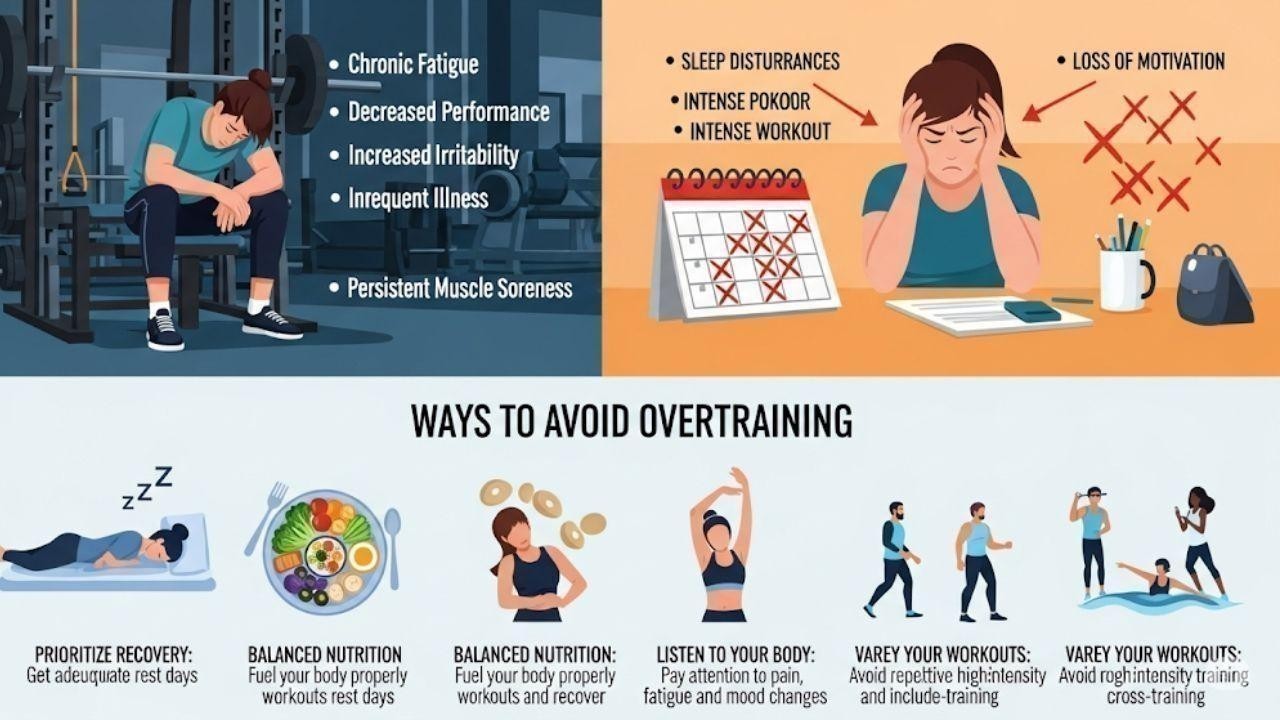
If you feel any of the signs below for more than a few days, your body might be overworked:
Feeling tired all the time
Not doing as well in workouts as before
Muscles staying sore for many days
Trouble sleeping or falling asleep
Mood changes like getting angry or sad easily
Not feeling hungry or losing weight suddenly
Getting sick more often than usual
Not wanting to train or feeling no motivation
Fast heartbeat even when resting
These are signs your body is telling you to slow down and rest.
OTS doesn’t just affect your muscles. It can impact your hormones, heart, and even your mood.
Hormones Go Out of Balance
When you overtrain, your body makes too much of a hormone called cortisol, which causes stress. At the same time, your body may make less testosterone, which is needed for muscle repair and growth.
Mental Health Suffers
Many people with OTS feel anxious, moody, or even depressed. They lose interest in workouts and feel mentally tired.
Heart Becomes Overworked
Your heart rate may go up, even when you’re just sitting or lying down. This means your heart is under extra stress.
The good news is that you can avoid overtraining by following some simple habits. Here’s how:
Take Rest Days
Your muscles need time to heal. Take at least 1 or 2 full rest days each week. Don’t feel guilty — rest helps you get stronger.
Get Good Sleep
Try to sleep 7 to 9 hours every night. Sleep is one of the best ways to help your body recover.
Eat Healthy Food
Eat a mix of protein (like eggs or chicken), good carbs (like rice or oats), healthy fats (like nuts), and drink lots of water. Your body needs fuel to perform and recover.
Don’t Do the Same Workout Every Day
Try different types of exercise like swimming, walking, stretching, or cycling. This helps prevent injury and keeps things interesting.
Listen to Your Body
If you feel extra tired or sore, take a break. It’s okay to skip a workout if your body asks for rest.
Keep a Simple Record
Use a notebook or an app to write down how you feel after each workout. It can help you see patterns and spot problems early.
Talk to a Trainer or Doctor
If you're unsure how much training is too much, ask a coach or health expert to guide you.
If you already feel like you’re dealing with OTS, don’t worry — recovery is possible. But it will take time.
Stop Hard Workouts
Take a break from all intense exercises. Rest fully for a few days or even a few weeks if needed.
Try Gentle Activities
Instead of heavy training, do things like walking, stretching, or yoga to stay active while still allowing recovery.
Sleep and Eat Well
This is the time to really focus on sleeping more and eating right. Your body will heal faster.
Get Professional Help
If your symptoms don’t go away, visit a doctor, sports therapist, or physiotherapist. They can help with a proper recovery plan.
Everyone’s recovery time is different. Some people feel better in a few days, while others may need more time.
Being strong and healthy is not just about working hard. It’s also about knowing when to pause. Overtraining can stop your progress and hurt your body. But by following the right habits — rest, nutrition, sleep, and balance — you can train in a smart way.
Even the best athletes in the world take rest seriously. If you want long-term results, remember:
“Sometimes, your strongest move is choosing to rest.”
The information provided in this article is for educational purposes only. DXB News Network is not responsible for any health issues arising from the application of this content. Always consult a qualified healthcare professional before starting or changing any fitness or health program

US Stocks Slide as AI Fears, Inflation and Oil Surge Weigh
US stocks dropped as AI disruption fears hit tech firms, inflation rose above forecasts, and oil pri

Pacific Prime Wins Top Honors at Cigna Awards 2026
Pacific Prime secured Top Individual Broker and Top SME Broker awards at Cigna’s Annual Broker Award
QatarEnergy Halts LNG Output After Military Attack
QatarEnergy has stopped LNG production after military attacks hit its facilities in Ras Laffan and M
Strong 6.1 Magnitude Earthquake Hits West Sumatra, No Damage
A 6.1 earthquake struck off West Sumatra, Indonesia. No casualties, damage, or tsunami alert reporte

Saudi Confirms Drone Strike on US Embassy Riyadh
Two drones hit the US Embassy in Riyadh, causing a small fire and minor damage. No injuries were rep

UAE Restarts Limited Flights as Regional Airspace Disruptions Continue
UAE restarts limited flights from Dubai as US-Israel attacks on Iran disrupt regional airspace, forc
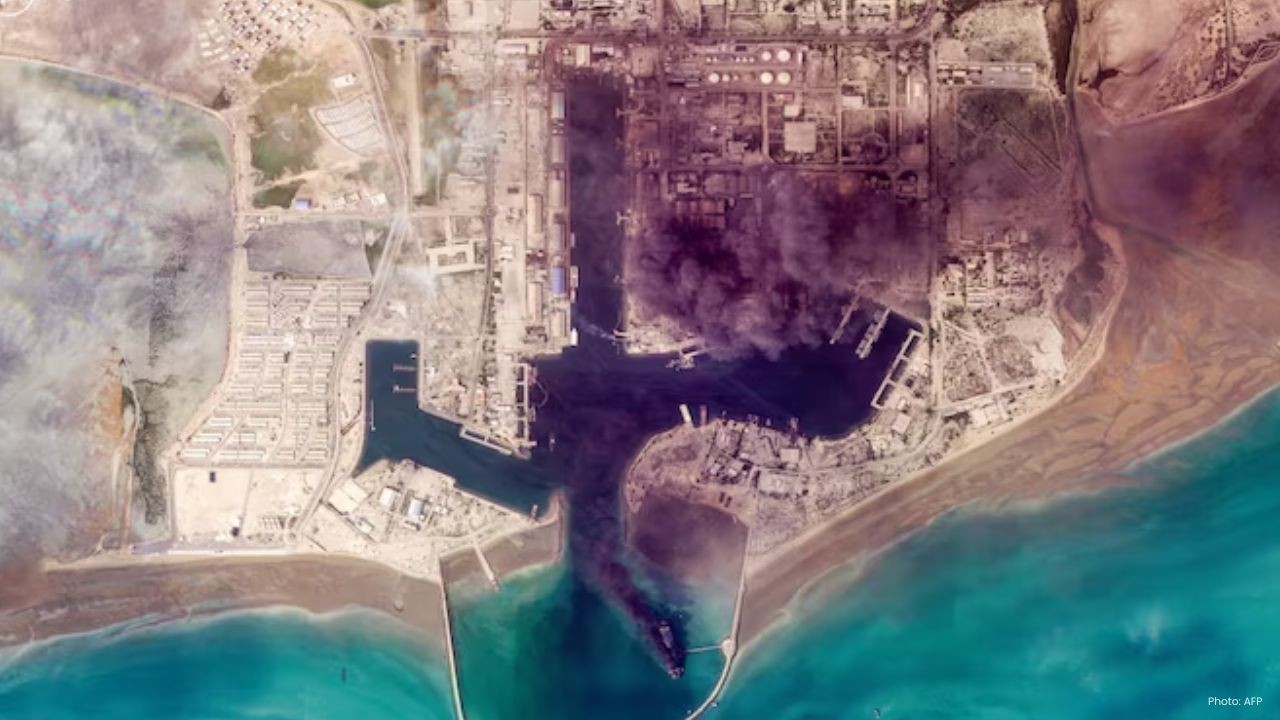
Asia Faces Energy Shock After Iran Closes Strait
Iran shuts Strait of Hormuz amid US-Israel strikes, sending oil prices higher and raising serious en


Bank of Baroda Faces Abu Dhabi Legal Battle over NMC Collapse
Bank of Baroda’s involvement in Abu Dhabi litigation tied to the NMC Healthcare collapse raises repu

Top Museum Openings of 2026 Set to Transform Global Tourism
From Los Angeles to Abu Dhabi and Brussels, 2026 brings major museum launches—Lucas Museum, Guggenhe

UAE Tour Highlights UAE’s Strength in Hosting Global Sports Events
Abu Dhabi Sports Council says the successful UAE Tour reflects the UAE’s leading role in hosting maj

EU Seeks Clarity from US After Supreme Court IEEPA Ruling
European Commission urges full transparency from the US on steps after Supreme Court ruling, emphasi
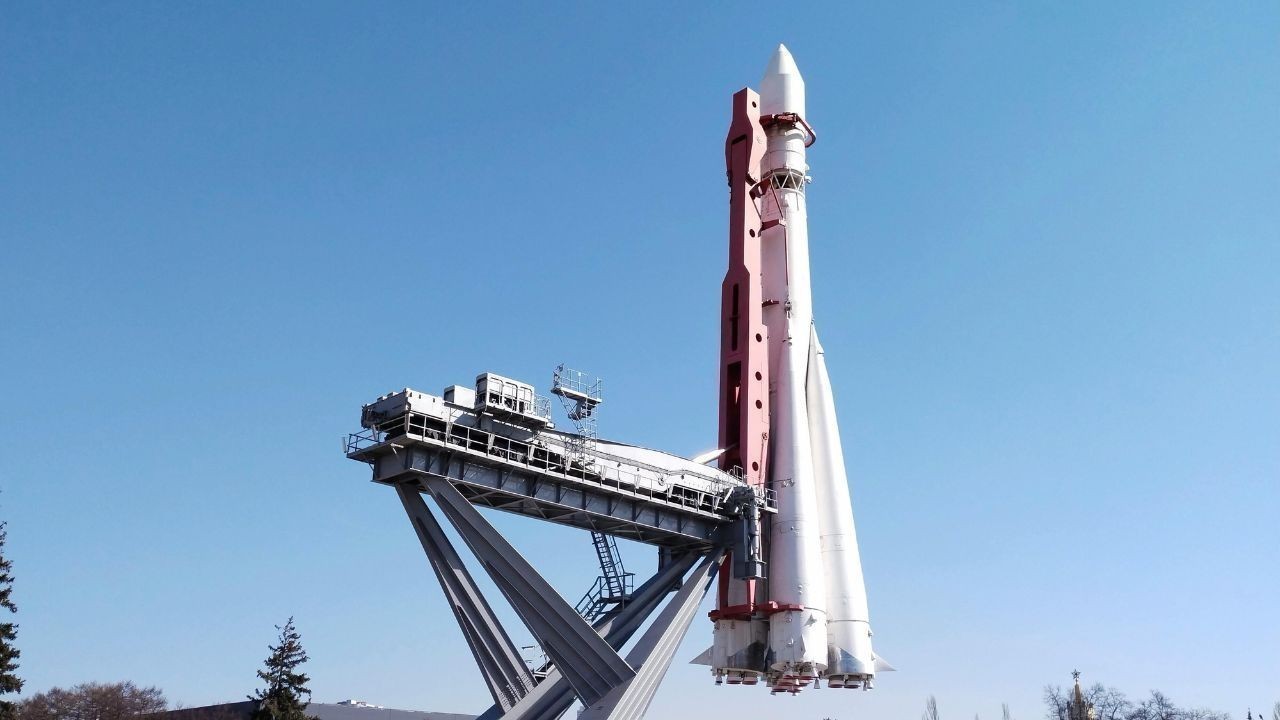
SpaceX Launches 53 New Satellites for Expanding Starlink Network
SpaceX launches 53 Starlink satellites in two Falcon 9 missions, breaking reuse records and expandin

RTA Awards Contract for Phase II of Hessa Street Upgrade in Dubai
Phase II of Hessa Street Development to add bridges, tunnel, and upgraded intersections, doubling ca

UAE Gold Prices Today, Monday 16 February 2026: Dubai & Abu Dhabi Updated Rates
Gold prices in UAE on 16 Feb 2026 updated: 24K around AED 599.75/gm, 22K AED 555.25/gm, and 18K AED
Over 25 Ahmedabad Schools Receive Bomb Threat Email, Authorities Investigate
More than 25 schools in Ahmedabad evacuated after bomb threat emails mentioning Khalistan. Authoriti