
Post by : Sam Jeet Rahman
This article provides general information about business setup in the UAE. Regulations, fees, and procedures may change depending on emirate, authority, and business activity. Always verify details with official UAE government departments or registered business setup consultants before starting the process.
Starting a business in the United Arab Emirates (UAE) has become increasingly attractive for expatriates due to its fast-growing economy, tax advantages, global connectivity, and stable business environment. However, the process is unique compared to many other countries. This guide explains everything expats must know before taking their first step toward launching a business in the UAE.
The UAE offers two main business jurisdictions:
Mainland (onshore)
Allows companies to operate anywhere in the UAE.
Easier access to local markets and government contracts.
No restriction on business operations across the emirates.
Free Zones
Independent jurisdictions offering 100% foreign ownership.
Ideal for international trade, digital businesses, consulting, media, logistics, and tech startups.
Companies can trade inside the free zone and internationally but must use a local distributor to sell directly in the mainland market.
Understanding the difference helps expats choose the correct license type and business structure.
The UAE has hundreds of approved business activities across sectors such as:
E-commerce
Consulting
Real estate brokerage
Digital marketing
Food and beverage
Tourism
Education and training
Import and export
Manufacturing
Technology and AI
Each activity has specific rules, required approvals, and setup fees. Selecting the correct activity is crucial because it determines:
Which authority issues your license
Whether external approvals are needed
Office space requirements
Visa quotas for employees
Annual renewal costs
The UAE now allows 100% foreign ownership for most business activities on the mainland. However, some strategic sectors still require a local Emirati agent or partner.
In free zones, foreigners always retain full ownership.
This policy makes business formation more accessible to expats than ever.
Determine where you can operate, how much control you want, and what your budget is.
Common options include:
Sole establishment
Limited liability company (LLC)
Branch of a foreign company
Free zone establishment (FZE)
Free zone company (FZC)
This defines your license category (commercial, professional, industrial, etc.)
Your business name must follow UAE naming guidelines and be approved by the relevant authority.
This confirms the government has no objection to your business idea.
Depending on the structure, these may include:
Memorandum of Association (MOA)
Local service agent agreement
Passport and visa copies
Business plan (some free zones require this)
Options include:
Virtual office
Shared desk
Flexi-desk
Private office space
Warehouse or industrial facility
Free zones often provide flexible rental packages to suit various business models.
Fields like food trading, education, real estate, and healthcare may require approvals from other authorities.
Once fees are paid, your trade license is issued. You can now officially operate your company.
After obtaining the license, expats must open a corporate bank account. This process can take time due to compliance checks. Banks may require:
Business license
Passport copies
Residency visa
Emirates ID
Proof of address
A minimum balance
Business plan or invoices (for some industries)
The UAE’s banking sector is strong, but it prioritizes security, so documentation must be complete and accurate.
Business owners can obtain residency through investor or partner visas. Your visa quota depends on the office space and jurisdiction.
These categories allow you to sponsor:
Family members
Employees
Domestic workers (under certain conditions)
A valid residency visa also allows you to open bank accounts, rent a home, and access services.
Expats choose the UAE for several reasons:
Zero personal income tax
No currency restrictions
World-class infrastructure
Global hub connecting Asia, Europe, and Africa
Stable political and economic environment
Business-friendly regulations
Full foreign ownership in many sectors
Fast licensing processes
These advantages make the UAE one of the most attractive entrepreneurship destinations in the world.
Despite its benefits, setting up a business in the UAE can bring challenges:
High startup and renewal costs in some free zones
Difficulty opening bank accounts
Changing regulations
Office space requirements for certain activities
Limited understanding of the market by new expats
Cultural and business etiquette differences
Research and clear planning help avoid unnecessary delay or cost.
Costs vary widely depending on:
Jurisdiction
Business activity
Visa requirements
Office type
Additional approvals
Generally, a free zone license may start from lower cost ranges, while mainland licenses can vary based on activity and location.
Expats should also consider renewal fees, corporate tax (for eligible businesses), employee salaries, and operational expenses.
Choose jurisdiction based on where you want to operate
Understand your business activity and required approvals
Prepare complete documentation
Budget for setup and renewal costs
Learn UAE business culture and legal compliance
Plan for banking and residency needs
Research competition and market demand
With the right approach, the UAE offers a powerful environment for entrepreneurs to succeed.

US Stocks Slide as AI Fears, Inflation and Oil Surge Weigh
US stocks dropped as AI disruption fears hit tech firms, inflation rose above forecasts, and oil pri

Pacific Prime Wins Top Honors at Cigna Awards 2026
Pacific Prime secured Top Individual Broker and Top SME Broker awards at Cigna’s Annual Broker Award
QatarEnergy Halts LNG Output After Military Attack
QatarEnergy has stopped LNG production after military attacks hit its facilities in Ras Laffan and M

Strong 6.1 Magnitude Earthquake Hits West Sumatra, No Damage
A 6.1 earthquake struck off West Sumatra, Indonesia. No casualties, damage, or tsunami alert reporte

Saudi Confirms Drone Strike on US Embassy Riyadh
Two drones hit the US Embassy in Riyadh, causing a small fire and minor damage. No injuries were rep

UAE Restarts Limited Flights as Regional Airspace Disruptions Continue
UAE restarts limited flights from Dubai as US-Israel attacks on Iran disrupt regional airspace, forc
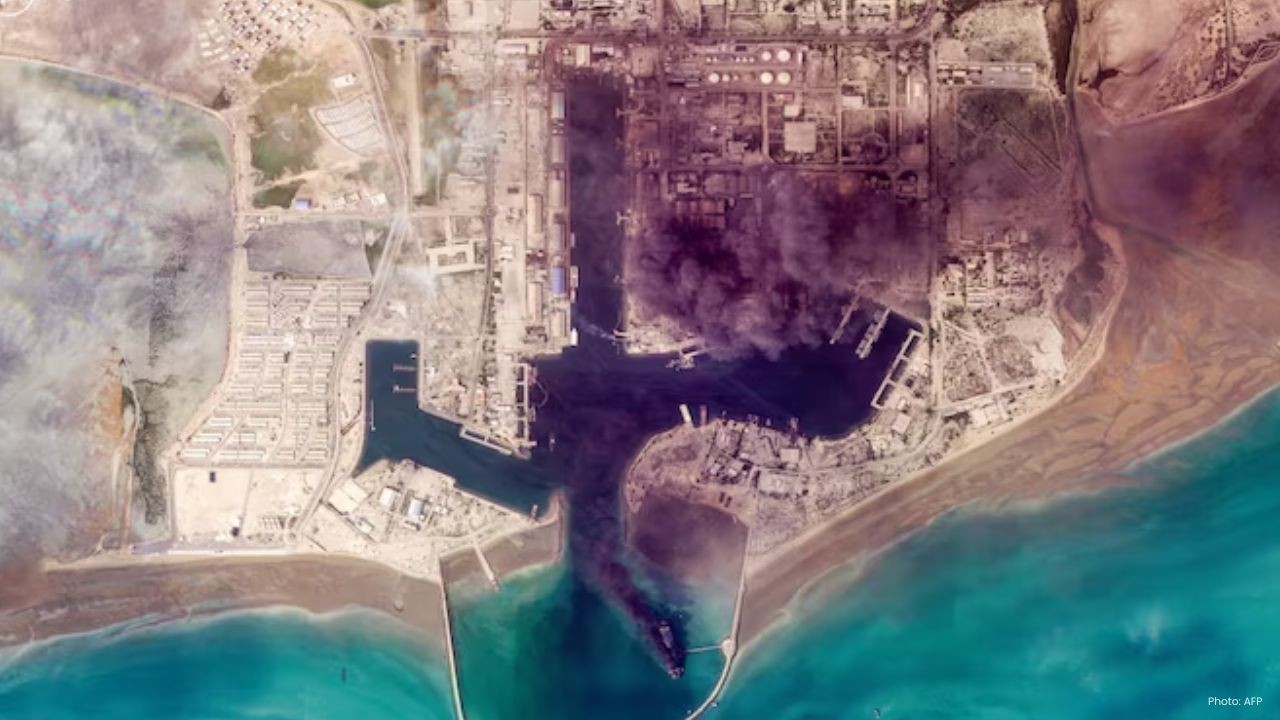
Asia Faces Energy Shock After Iran Closes Strait
Iran shuts Strait of Hormuz amid US-Israel strikes, sending oil prices higher and raising serious en


Bank of Baroda Faces Abu Dhabi Legal Battle over NMC Collapse
Bank of Baroda’s involvement in Abu Dhabi litigation tied to the NMC Healthcare collapse raises repu

Top Museum Openings of 2026 Set to Transform Global Tourism
From Los Angeles to Abu Dhabi and Brussels, 2026 brings major museum launches—Lucas Museum, Guggenhe

UAE Tour Highlights UAE’s Strength in Hosting Global Sports Events
Abu Dhabi Sports Council says the successful UAE Tour reflects the UAE’s leading role in hosting maj

EU Seeks Clarity from US After Supreme Court IEEPA Ruling
European Commission urges full transparency from the US on steps after Supreme Court ruling, emphasi

SpaceX Launches 53 New Satellites for Expanding Starlink Network
SpaceX launches 53 Starlink satellites in two Falcon 9 missions, breaking reuse records and expandin
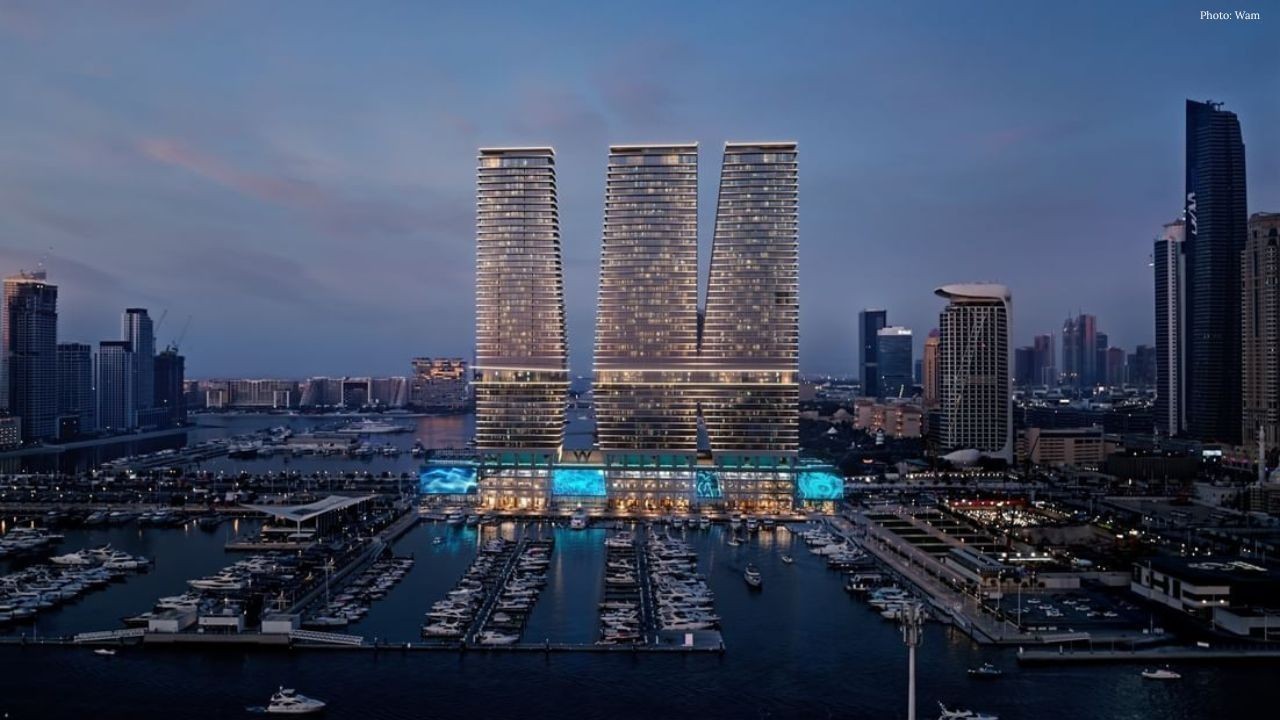
RTA Awards Contract for Phase II of Hessa Street Upgrade in Dubai
Phase II of Hessa Street Development to add bridges, tunnel, and upgraded intersections, doubling ca

UAE Gold Prices Today, Monday 16 February 2026: Dubai & Abu Dhabi Updated Rates
Gold prices in UAE on 16 Feb 2026 updated: 24K around AED 599.75/gm, 22K AED 555.25/gm, and 18K AED

Over 25 Ahmedabad Schools Receive Bomb Threat Email, Authorities Investigate
More than 25 schools in Ahmedabad evacuated after bomb threat emails mentioning Khalistan. Authoriti