Post by : Naveen Mittal
Israel paused to reflect on a moment that reshaped its landscape—both physically and emotionally. Two years have passed since a coordinated attack by militants ripped through southern Israel, igniting a war whose repercussions are still unfolding across Gaza, the region, and global discourse. The date has become a marker of grief, political friction, and the grim reality that no clear resolution has yet appeared.
In 2023, militants staged a surprise onslaught: rockets, infiltration of military bases, assaults on border communities, and an outdoor music festival. Some 1,200 people—mostly civilians, including children, elderly, and festivalgoers—lost their lives. Around 251 were abducted; while many have since been released through ceasefires or negotiations, roughly 48 remain in captivity, with only an estimated 20 still believed alive.
That attack did more than cause casualties. It triggered a cascade of military, political, and humanitarian responses that continue to shape the region’s fate. The conflict expanded into confrontations involving Gaza, Israel, neighboring states, and foreign backers.
On the anniversary, thousands gathered across Israel—at memorials, the Nova festival site, city squares—to commemorate those lost and to press for accountability and closure. Some events were organized by bereaved families. Others were state ceremonies, reflecting the tension between public mourning and political signaling. Many voiced frustration at stalled hostage returns and demanded investigations into security failures.
Yet the anniversary also exposed deep political divides. Some Israelis blame leadership—especially Prime Minister Netanyahu—for failing to negotiate an effective ceasefire, for not assuring safer borders, and for leaving families of hostages in limbo. Protests and public demonstrations on this day highlighted the emotional weight the date carries, and how it continues to trigger activism.
The war’s toll on Gaza has been staggering. Tens of thousands have been killed, towns razed, and entire neighborhoods turned to rubble. Over 90% of Gaza’s population of nearly 2 million has been displaced—some repeatedly. Humanitarian supplies are constrained. Access to clean water, electricity, medical care and food remains precarious, compounding trauma, disease, and famine risk.
The underpinning causes—blockades, border restrictions, conflict zones—create barriers to relief reaching people in need. Many families still struggle to get food or medical care, especially in densely shelled areas.
At the heart of the conflict is the still-unresolved issue of hostages. Israel insists on their full return as a nonnegotiable term for any long-term ceasefire. Hamas links their release to a lasting truce and Israeli withdrawal.
Peace diplomacy continues, usually via indirect channels—mediators, intermediaries, regional players. But trust deficits, shifting conditions on the ground, and competing agendas make breakthroughs elusive. Ceasefires have come and gone, often unraveling amid renewed violence.
The October 7 attack pushed conflict dynamics beyond local borders. Israel’s engagements with Iran, Iran’s proxies (notably Hezbollah in Lebanon), shifts in regional alliances, and global polarization over Middle Eastern policy have all intensified.
International attention to the Gaza crisis has grown: concerns about war crimes, accusations of genocide, humanitarian law, the role of blockade and siege tactics, and the rights of civilians caught in conflict zones. The International Criminal Court has ongoing interest. The conflict also puts pressure on international donors, humanitarian agencies, and foreign governments to respond or take stances.
Memory & Identity: For Israeli society, Oct 7 has become a national trauma, a point of reference for loss, security fears, and demands for justice.
Political Leverage: Leaders and opposition use this date to critique strategy, defense policy, negotiations, and accountability.
Continued Awareness: The anniversary refocuses media and public attention on an otherwise entrenched war.
Moral & Humanitarian Spotlight: It highlights the human cost—displaced civilians, hostages, deaths—and the unresolved security and sovereignty issues that fuel the crisis.
A durable ceasefire with guarantees, monitoring, and phased disengagement may offer an opening.
Comprehensive hostage release frameworks tied to credible political agreements.
Reconstruction and humanitarian access for Gaza, with aid secured safely in conflict zones.
Regional diplomacy that addresses underlying grievances, border security, and territorial disputes.
International accountability and legal frameworks enforcing protections for civilians, investigating alleged violations.
Disclaimer:
This article is based on current reporting, verified accounts, and publicly available data at the time of writing. Situations on the ground may change, and some factual or strategic interpretations may evolve. This is for informed discussion and reflection—not legal or policy guidance.

US Stocks Slide as AI Fears, Inflation and Oil Surge Weigh
US stocks dropped as AI disruption fears hit tech firms, inflation rose above forecasts, and oil pri

Pacific Prime Wins Top Honors at Cigna Awards 2026
Pacific Prime secured Top Individual Broker and Top SME Broker awards at Cigna’s Annual Broker Award
QatarEnergy Halts LNG Output After Military Attack
QatarEnergy has stopped LNG production after military attacks hit its facilities in Ras Laffan and M

Strong 6.1 Magnitude Earthquake Hits West Sumatra, No Damage
A 6.1 earthquake struck off West Sumatra, Indonesia. No casualties, damage, or tsunami alert reporte
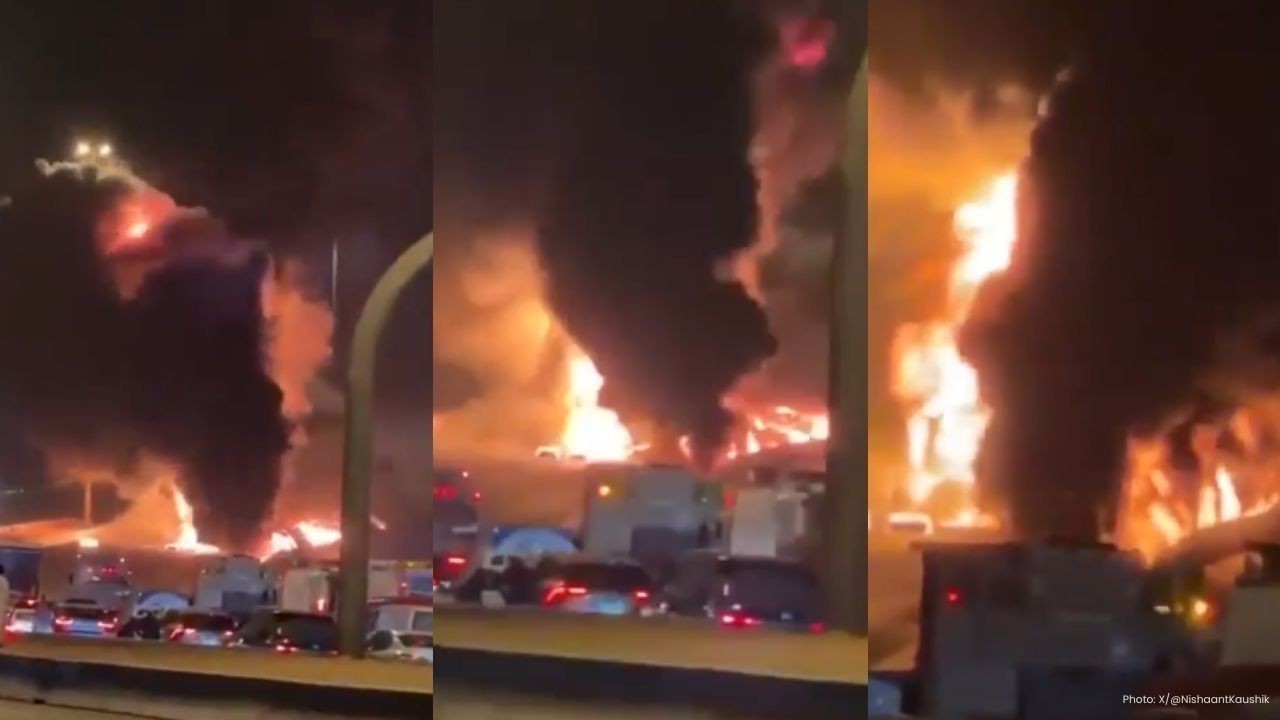
Saudi Confirms Drone Strike on US Embassy Riyadh
Two drones hit the US Embassy in Riyadh, causing a small fire and minor damage. No injuries were rep

UAE Restarts Limited Flights as Regional Airspace Disruptions Continue
UAE restarts limited flights from Dubai as US-Israel attacks on Iran disrupt regional airspace, forc
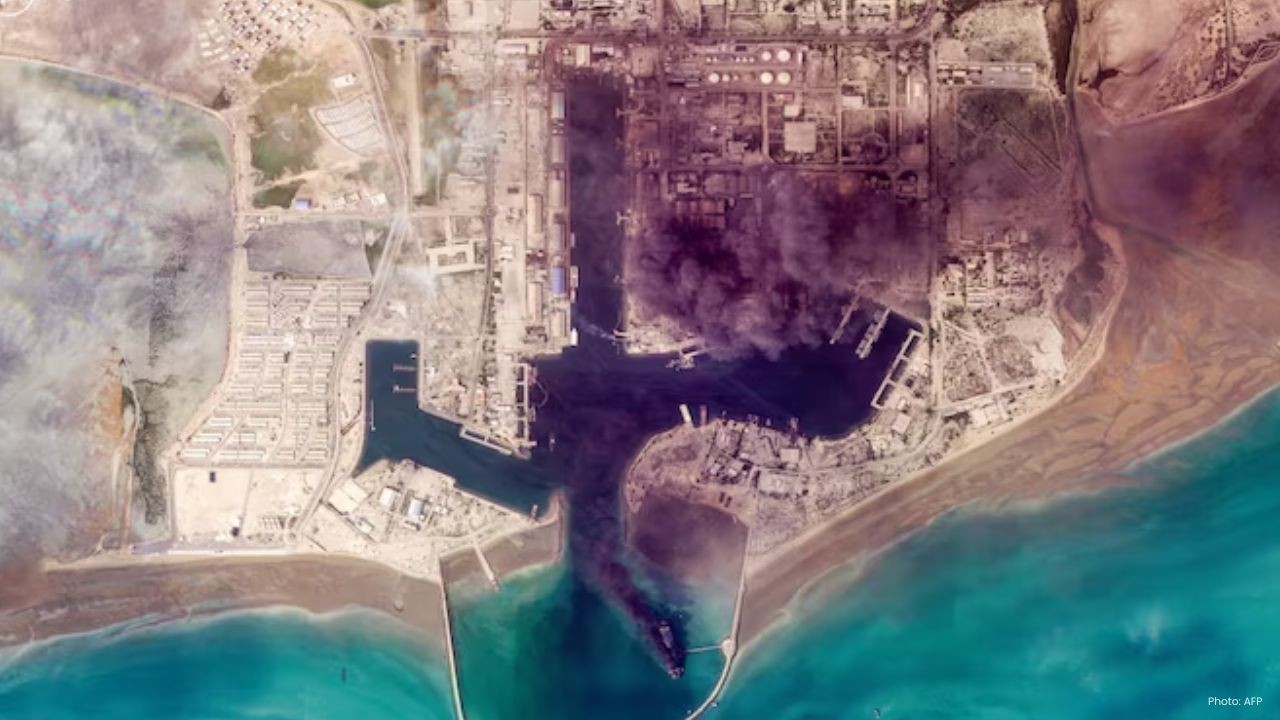
Asia Faces Energy Shock After Iran Closes Strait
Iran shuts Strait of Hormuz amid US-Israel strikes, sending oil prices higher and raising serious en


Bank of Baroda Faces Abu Dhabi Legal Battle over NMC Collapse
Bank of Baroda’s involvement in Abu Dhabi litigation tied to the NMC Healthcare collapse raises repu

Top Museum Openings of 2026 Set to Transform Global Tourism
From Los Angeles to Abu Dhabi and Brussels, 2026 brings major museum launches—Lucas Museum, Guggenhe

UAE Tour Highlights UAE’s Strength in Hosting Global Sports Events
Abu Dhabi Sports Council says the successful UAE Tour reflects the UAE’s leading role in hosting maj
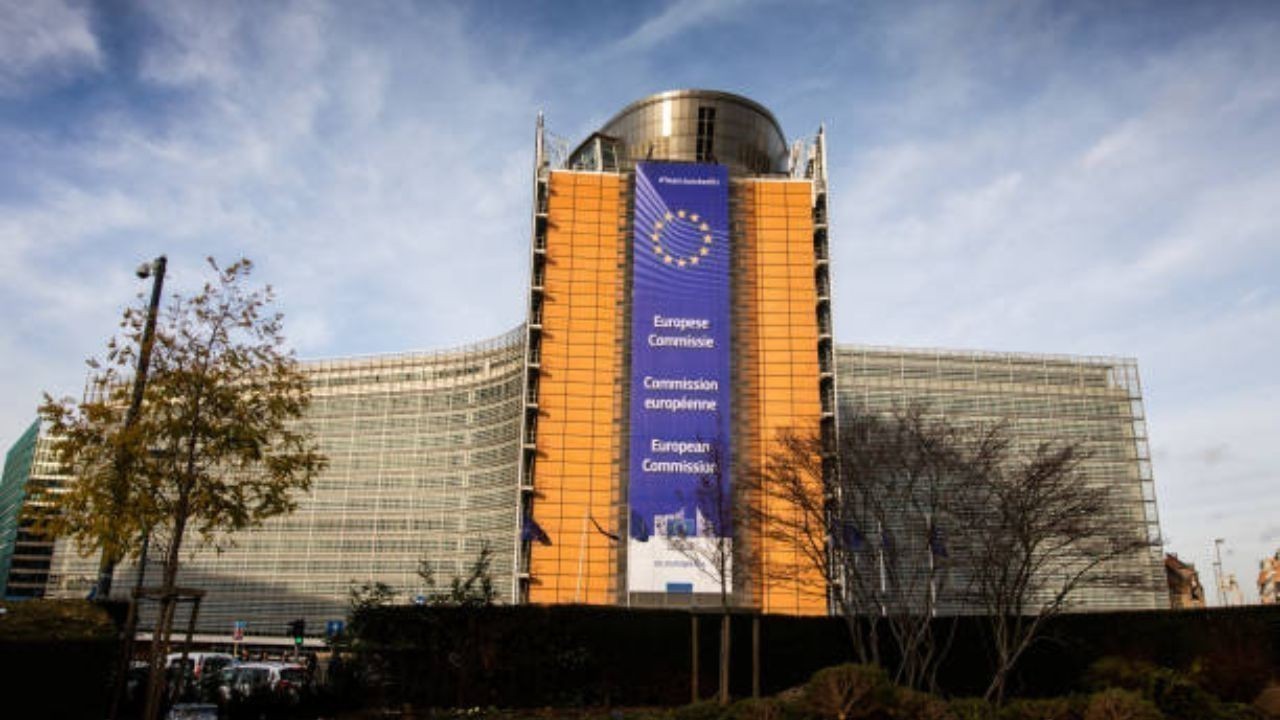
EU Seeks Clarity from US After Supreme Court IEEPA Ruling
European Commission urges full transparency from the US on steps after Supreme Court ruling, emphasi
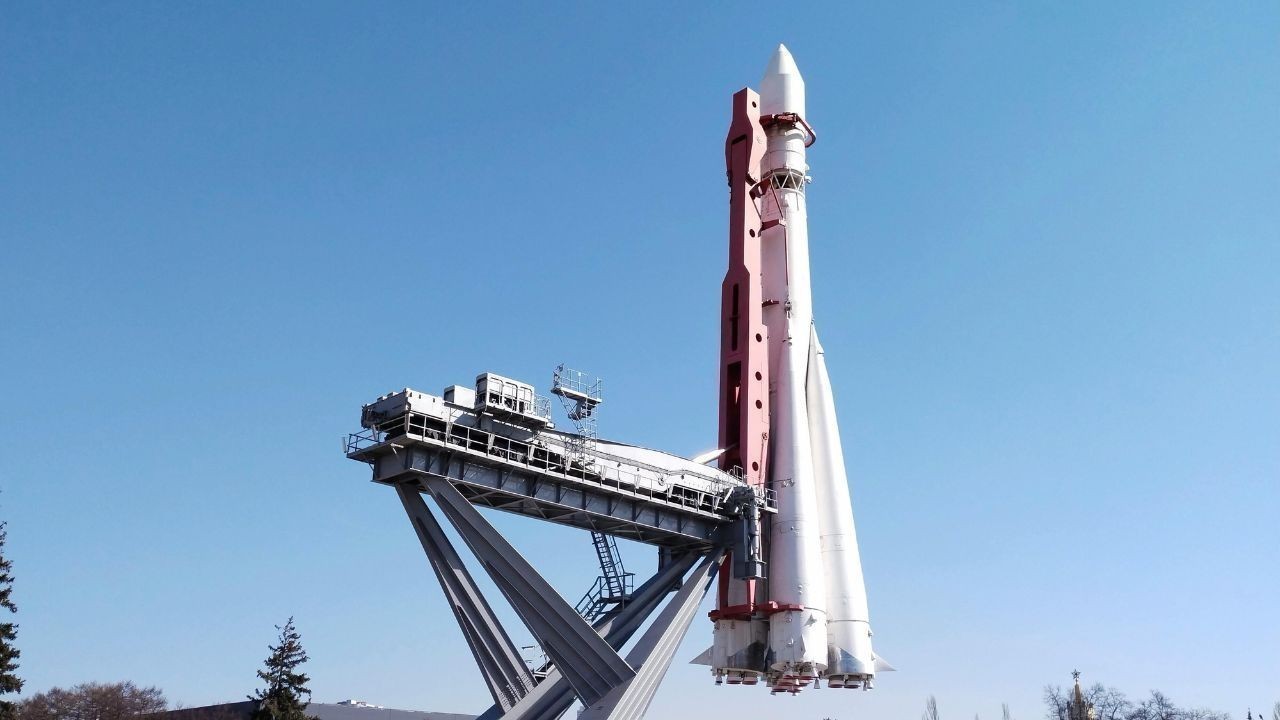
SpaceX Launches 53 New Satellites for Expanding Starlink Network
SpaceX launches 53 Starlink satellites in two Falcon 9 missions, breaking reuse records and expandin

RTA Awards Contract for Phase II of Hessa Street Upgrade in Dubai
Phase II of Hessa Street Development to add bridges, tunnel, and upgraded intersections, doubling ca

UAE Gold Prices Today, Monday 16 February 2026: Dubai & Abu Dhabi Updated Rates
Gold prices in UAE on 16 Feb 2026 updated: 24K around AED 599.75/gm, 22K AED 555.25/gm, and 18K AED

Over 25 Ahmedabad Schools Receive Bomb Threat Email, Authorities Investigate
More than 25 schools in Ahmedabad evacuated after bomb threat emails mentioning Khalistan. Authoriti