Post by : Anis Karim
Street food has always been a beloved part of daily life, offering affordable, flavorful and convenient meals to millions of people. But recent updates to street-food regulations announced this week have created a significant buzz among both sellers and customers. These changes aim to modernise the street-food sector, improve hygiene standards, enhance safety, and streamline vendor licensing in a way that balances tradition with public health needs.
For many, street-food culture is more than a quick bite — it’s an identity marker, a source of livelihood, a cultural staple and a lifestyle habit. Therefore, the updated regulations have become a major talking point, as they will reshape how street-food businesses operate and how consumers experience their favourite local delicacies. While some vendors view these rules as an opportunity to professionalise their work, others fear the cost and complexity involved. Customers, meanwhile, welcome enhanced safety measures but worry about possible price hikes or reduced food variety.
This article breaks down the updated regulations in a clear, detailed and human-friendly manner. Whether you are a vendor trying to understand compliance or a regular customer wanting to know how these changes affect your daily snack run, this 1800-word deep dive will walk you through everything that matters.
Street-food guidelines undergo revisions from time to time, but the latest update is considered one of the most comprehensive in recent years. Authorities emphasized that the update was necessary due to several evolving factors shaping the food industry.
In the past decade, street food has grown far beyond local stalls. Urbanisation, changing work routines and growing affordability concerns have made street food a primary meal option for a significant portion of the population. With this expansion comes a need for organised and modernised guidelines to maintain quality and safety standards.
Recent global health events have shifted public expectations for hygiene. Customers now demand cleaner cooking environments, safer food-handling practices and transparency about ingredients. Regulators responded by tightening rules around cleanliness, licensing and waste management.
Authorities found gaps between old regulations and current practices. Many earlier rules failed to account for newer street-food models such as mobile food trucks, temporary festival stalls, late-night hubs and pop-up eateries.
Officials recognised that many street-food sellers struggled to navigate complicated paperwork, unclear requirements and licensing delays. The updated regulations aim to make compliance easier and more accessible for small vendors.
The newly implemented guidelines cover a wide range of operational areas, from hygiene to licensing. Here are the most important changes vendors and customers should know.
Vendors are now required to undergo short hygiene-certification sessions. These workshops are designed to be simple, accessible and multilingual. They cover essential topics such as handwashing, storage temperatures, prevention of food contamination and safe waste disposal.
The new guidelines call for safer stall setups, including:
Raised cooking surfaces
Covered food storage
Separate chopping boards for cooked and raw items
Regular equipment sanitisation
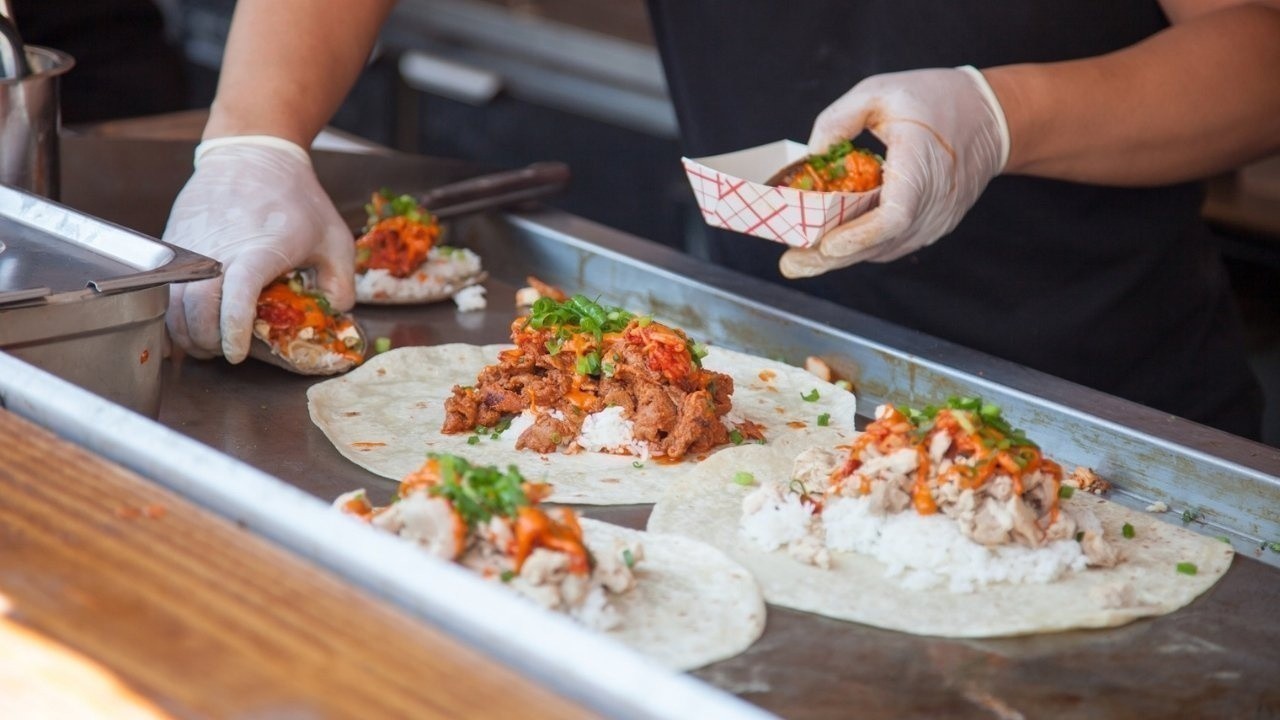
Mandatory use of gloves and hair covers
This aims to reduce contamination and improve visual cleanliness, giving customers more confidence in street-food safety.
The licensing process has been made more straightforward. Requirements have been simplified and timelines reduced, ensuring that small vendors can complete their formalities without excessive delays. Vendors are encouraged to register digitally, allowing inspectors to monitor compliance more efficiently.
New rules require vendors to segregate waste, dispose of oils responsibly and maintain a clean surrounding area. Vendors operating in crowded zones must now partner with local collection systems.
Food items that spoil quickly or are prone to contamination must be stored in coolers or insulated boxes. Vendors selling dairy, seafood or meat in high-temperature regions must comply with temperature-control requirements.
To address allergy concerns and dietary preferences, the updated guidelines ask vendors to display ingredient lists or verbally inform customers of key components upon request.
Vendors handling food directly must undergo periodic health checks to ensure they are fit to work in food preparation environments.
These updates, though extensive, are aimed at improving long-term safety and reliability.
The new guidelines introduce several changes that directly impact how vendors work and manage their businesses daily.
Many vendors will need to invest in:
Basic safety equipment
Improved storage containers
Waste bins and cleaning supplies
Occasional training programs
For small vendors operating on tight margins, these new costs may feel burdensome. However, many regulators are offering subsidies, free training and low-cost registration to ease the financial load.
Vendors must adjust daily routines to meet hygiene expectations. This includes cleaning schedules, better ingredient storage and consistent use of protective gear.
While some see the rules as restrictive, others view them as a chance to expand. Vendors adopting higher hygiene standards can attract more customers, access new markets, and even participate in food festivals and regulated events.
One of the biggest benefits is enhanced customer confidence. Clear hygiene rules help vendors establish stronger relationships with regular customers who may have hesitated earlier due to safety concerns.
Customers stand to benefit most from the updated guidelines, as food safety becomes more standardised and predictable.
Customers can expect cleaner stalls, better food handling and improved hygiene practices across the board.
Ingredient disclosure requirements help customers with allergies, dietary restrictions or health concerns make better decisions.
While some customers fear price hikes, many subsidies and simplified licensing processes help vendors keep costs manageable.
With improved storage and preparation practices, customers benefit from fresher food, reduced contamination risks and fewer cases of food-borne illnesses.
Organised stalls, better surroundings and clearer service processes transform simple street-food stops into pleasant micro-experiences.
The updated guidelines prioritise public health, especially in high-population zones where street food is consumed frequently.
Better hygiene and temperature controls significantly reduce risks of contamination, spoilage and bacterial growth.
Waste-management requirements help maintain neighbourhood cleanliness and reduce insect presence around stalls.
New rules for meat, dairy and seafood storage reduce health hazards associated with improper handling.
Public health officials expect gradual but noticeable improvements as compliance increases.
Many street-food sellers lack financial flexibility, making equipment upgrades difficult.
Some vendors may struggle to understand or follow new guidelines without proper training.
Vendors operating in tight urban areas may find it difficult to reorganise their stalls according to the new spatial rules.
Long-time vendors accustomed to traditional methods may be hesitant to adopt updated practices.
However, ongoing awareness drives and community workshops are being rolled out to assist vendors.
Customers can support the movement by choosing vendors who follow hygienic practices.
Adjustments take time. Vendors may need a few weeks to fully adopt new processes.
Simple appreciation motivates vendors to maintain good hygiene and proper waste disposal.
Not as a punitive act, but to ensure safer food environments for everyone, customers can inform authorities of serious lapses.
Street food is not going anywhere. These guidelines aren’t designed to restrict culture but to help it evolve responsibly. Experts predict:
More organised street-food clusters
Rising participation in food festivals
Wider acceptance of mobile food trucks
Cleaner and safer public eating spaces
Better recognition of vendors as micro-entrepreneurs
With higher standards, street food may gain even stronger cultural status in the years ahead.
The updated street-food regulations mark an important moment in the evolution of local food culture. These guidelines aim to protect customers, empower vendors, and modernise the vibrant street-food economy. While the transition may present challenges — from new costs to operational adjustments — the long-term benefits are hard to ignore.
Cleaner environments, safer food, simplified licensing and better customer trust all point to a healthier and more sustainable future for street food. As vendors adapt and customers support responsible practices, the street-food scene is set to become more organised, respected and widely enjoyed than ever before.
This article is intended for informational and journalistic purposes only. It summarises recent updates to street-food regulations and their implications for vendors and customers. It does not offer legal or commercial advice.

US Stocks Slide as AI Fears, Inflation and Oil Surge Weigh
US stocks dropped as AI disruption fears hit tech firms, inflation rose above forecasts, and oil pri

Pacific Prime Wins Top Honors at Cigna Awards 2026
Pacific Prime secured Top Individual Broker and Top SME Broker awards at Cigna’s Annual Broker Award

QatarEnergy Halts LNG Output After Military Attack
QatarEnergy has stopped LNG production after military attacks hit its facilities in Ras Laffan and M

Strong 6.1 Magnitude Earthquake Hits West Sumatra, No Damage
A 6.1 earthquake struck off West Sumatra, Indonesia. No casualties, damage, or tsunami alert reporte

Saudi Confirms Drone Strike on US Embassy Riyadh
Two drones hit the US Embassy in Riyadh, causing a small fire and minor damage. No injuries were rep

UAE Restarts Limited Flights as Regional Airspace Disruptions Continue
UAE restarts limited flights from Dubai as US-Israel attacks on Iran disrupt regional airspace, forc

Asia Faces Energy Shock After Iran Closes Strait
Iran shuts Strait of Hormuz amid US-Israel strikes, sending oil prices higher and raising serious en


Bank of Baroda Faces Abu Dhabi Legal Battle over NMC Collapse
Bank of Baroda’s involvement in Abu Dhabi litigation tied to the NMC Healthcare collapse raises repu

Top Museum Openings of 2026 Set to Transform Global Tourism
From Los Angeles to Abu Dhabi and Brussels, 2026 brings major museum launches—Lucas Museum, Guggenhe

UAE Tour Highlights UAE’s Strength in Hosting Global Sports Events
Abu Dhabi Sports Council says the successful UAE Tour reflects the UAE’s leading role in hosting maj

EU Seeks Clarity from US After Supreme Court IEEPA Ruling
European Commission urges full transparency from the US on steps after Supreme Court ruling, emphasi

SpaceX Launches 53 New Satellites for Expanding Starlink Network
SpaceX launches 53 Starlink satellites in two Falcon 9 missions, breaking reuse records and expandin

RTA Awards Contract for Phase II of Hessa Street Upgrade in Dubai
Phase II of Hessa Street Development to add bridges, tunnel, and upgraded intersections, doubling ca

UAE Gold Prices Today, Monday 16 February 2026: Dubai & Abu Dhabi Updated Rates
Gold prices in UAE on 16 Feb 2026 updated: 24K around AED 599.75/gm, 22K AED 555.25/gm, and 18K AED

Over 25 Ahmedabad Schools Receive Bomb Threat Email, Authorities Investigate
More than 25 schools in Ahmedabad evacuated after bomb threat emails mentioning Khalistan. Authoriti





