Post by : Sam Jeet Rahman
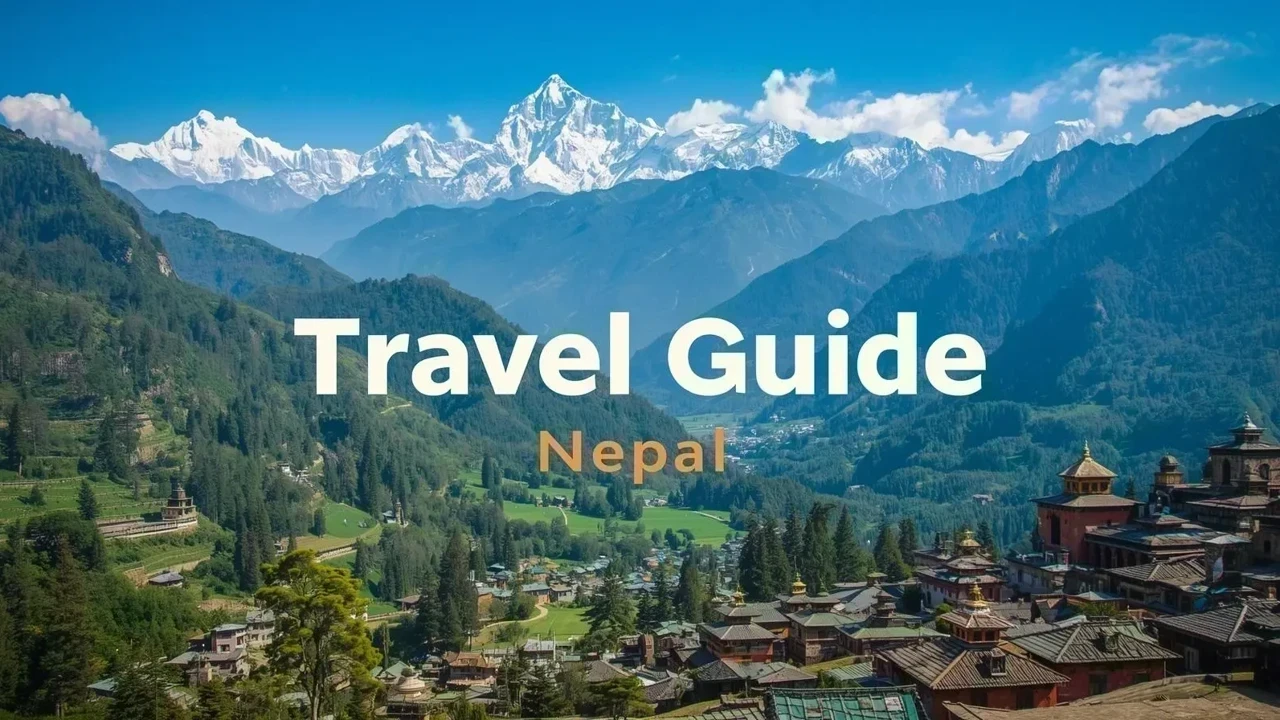
Nepal is a dream destination for travelers who love culture, mountains, spirituality, and adventure. Home to the Himalayas, ancient temples, scenic lakes, and world-famous trekking routes, Nepal offers meaningful experiences even on a modest budget. This guide is designed for first-time and repeat visitors, covering Kathmandu, Pokhara, and how to plan treks in Nepal with clear structure and practical details.
Nepal combines deep-rooted traditions with natural beauty. You can explore centuries-old temples in the morning, enjoy mountain views by afternoon, and plan a Himalayan trek the next day. The country is affordable, welcoming, and ideal for solo travelers, backpackers, and adventure seekers.
Kathmandu is the capital and cultural heart of Nepal. It is usually the first stop for international travelers and serves as the main gateway to trekking regions.
Kathmandu is rich in UNESCO World Heritage Sites and religious landmarks.
Durbar Square showcases ancient palaces, temples, and courtyards reflecting traditional Newari architecture.
Swayambhunath (Monkey Temple) offers panoramic city views and Buddhist symbolism.
Pashupatinath Temple is Nepal’s most sacred Hindu site located along the Bagmati River.
Boudhanath Stupa is one of the largest Buddhist stupas in the world and a center for Tibetan culture.
Thamel is the most popular area for tourists, offering hotels, hostels, trekking shops, cafés, and nightlife.
Lazimpat is quieter and suitable for mid-range and upscale stays.
Patan (Lalitpur) is ideal for travelers interested in art, culture, and calmer surroundings.
Kathmandu offers affordable local and international food.
Local meals: Dal bhat, momos, thukpa
Average meal cost: Low-cost eateries are budget-friendly, while tourist cafés cost slightly more
Dal bhat is unlimited in many places and is a staple for trekkers.
Pokhara is Nepal’s most scenic city, known for its relaxed vibe and stunning views of the Annapurna range. It is also the main base for several popular treks.
Pokhara offers a slower pace compared to Kathmandu.
Phewa Lake is perfect for boating and sunset views.
Sarangkot is famous for sunrise views over the Himalayas.
Davis Falls and Gupteshwor Cave add natural and spiritual attractions.
Adventure activities include paragliding, zip-lining, and kayaking.
Lakeside is the most popular area, filled with hotels, cafés, yoga centers, and trekking agencies.
Damside is quieter and more budget-friendly.
Pokhara is slightly cheaper than Kathmandu for accommodation.
Budget stays: Guesthouses and hostels near Lakeside
Mid-range stays: Boutique hotels with mountain or lake views
Food options: Nepali, Indian, continental, and vegan-friendly cafés
Trekking is one of the main reasons people visit Nepal. The country offers trails for beginners to experienced mountaineers.
Annapurna Region includes Annapurna Base Camp and Ghorepani Poon Hill, suitable for beginners and moderate trekkers.
Everest Region features Everest Base Camp and offers dramatic mountain scenery but requires higher altitude acclimatization.
Langtang Region is less crowded and culturally rich, ideal for shorter treks.
Manaslu Region is more remote and requires special permits.
Spring (March–May): Clear skies, blooming rhododendrons, ideal conditions
Autumn (September–November): Best visibility and stable weather
Winter treks are possible at lower altitudes, while summer brings monsoon rains and landslides.
Most treks require permits.
TIMS card is mandatory for most trekking routes.
National park or conservation permits vary by region.
Restricted areas require special permits and often a licensed guide.
Guided trekking is safer for beginners and helps with navigation, permits, and accommodation.
Independent trekking is cheaper and suitable for experienced hikers on popular routes.
Hiring a local guide also supports the local economy.
Most treks use teahouse lodges, which provide basic rooms and meals.
Facilities become simpler at higher altitudes.
Charging devices, hot showers, and Wi-Fi may cost extra.
Layered clothing for changing temperatures
Good trekking shoes with ankle support
Reusable water bottle with purification tablets
Basic medicines and altitude sickness tablets
Cash, as ATMs are limited outside cities
Flights connect Kathmandu and Pokhara quickly but are weather-dependent.
Tourist buses are affordable and popular for scenic routes.
Local buses are cheapest but slower and less comfortable.
Dress modestly in temples and rural areas.
Remove shoes before entering religious sites.
Ask before photographing people, especially monks.
Respect local customs and environmental rules during treks.
Nepal is generally safe for travelers.
Altitude sickness is a real concern on treks, so acclimatization is essential.
Travel insurance covering trekking is highly recommended.
Stick to bottled or purified water to avoid stomach issues.
Nepal offers a perfect balance of culture, nature, and adventure. Kathmandu immerses you in history, Pokhara provides scenic relaxation, and trekking delivers unforgettable Himalayan experiences. With proper planning, Nepal is suitable for all kinds of travelers, from budget backpackers to serious trekkers.
This article is for informational purposes only. Travel conditions, trekking rules, permit requirements, and costs may change. Always check official tourism and government sources before planning your trip.

US Stocks Slide as AI Fears, Inflation and Oil Surge Weigh
US stocks dropped as AI disruption fears hit tech firms, inflation rose above forecasts, and oil pri

Pacific Prime Wins Top Honors at Cigna Awards 2026
Pacific Prime secured Top Individual Broker and Top SME Broker awards at Cigna’s Annual Broker Award

QatarEnergy Halts LNG Output After Military Attack
QatarEnergy has stopped LNG production after military attacks hit its facilities in Ras Laffan and M

Strong 6.1 Magnitude Earthquake Hits West Sumatra, No Damage
A 6.1 earthquake struck off West Sumatra, Indonesia. No casualties, damage, or tsunami alert reporte

Saudi Confirms Drone Strike on US Embassy Riyadh
Two drones hit the US Embassy in Riyadh, causing a small fire and minor damage. No injuries were rep

UAE Restarts Limited Flights as Regional Airspace Disruptions Continue
UAE restarts limited flights from Dubai as US-Israel attacks on Iran disrupt regional airspace, forc

Asia Faces Energy Shock After Iran Closes Strait
Iran shuts Strait of Hormuz amid US-Israel strikes, sending oil prices higher and raising serious en


Bank of Baroda Faces Abu Dhabi Legal Battle over NMC Collapse
Bank of Baroda’s involvement in Abu Dhabi litigation tied to the NMC Healthcare collapse raises repu

Top Museum Openings of 2026 Set to Transform Global Tourism
From Los Angeles to Abu Dhabi and Brussels, 2026 brings major museum launches—Lucas Museum, Guggenhe

UAE Tour Highlights UAE’s Strength in Hosting Global Sports Events
Abu Dhabi Sports Council says the successful UAE Tour reflects the UAE’s leading role in hosting maj

EU Seeks Clarity from US After Supreme Court IEEPA Ruling
European Commission urges full transparency from the US on steps after Supreme Court ruling, emphasi

SpaceX Launches 53 New Satellites for Expanding Starlink Network
SpaceX launches 53 Starlink satellites in two Falcon 9 missions, breaking reuse records and expandin

RTA Awards Contract for Phase II of Hessa Street Upgrade in Dubai
Phase II of Hessa Street Development to add bridges, tunnel, and upgraded intersections, doubling ca

UAE Gold Prices Today, Monday 16 February 2026: Dubai & Abu Dhabi Updated Rates
Gold prices in UAE on 16 Feb 2026 updated: 24K around AED 599.75/gm, 22K AED 555.25/gm, and 18K AED

Over 25 Ahmedabad Schools Receive Bomb Threat Email, Authorities Investigate
More than 25 schools in Ahmedabad evacuated after bomb threat emails mentioning Khalistan. Authoriti





