Post by : Anis Karim
For the current generation of students, the journey towards a career looks vastly different from the past. The rapid changes in the job landscape, marked by frequent layoffs and advancements in automation, have overshadowed the once-assured path from education to employment. Young adults now approach their educational choices with calculation and urgency, rather than simple optimism, influenced by a climate of instability.
Today’s students ponder not only which fields to enter but whether their chosen degrees will still hold value when they graduate. This uncertainty has permeated family discussions and impacts financial priorities and professional aspirations. Parents who once believed that academic success automatically secures a bright future are growing increasingly concerned, which students can't help but notice, adjusting their educational paths accordingly.
This landscape of uncertainty is not born from indecision; it is a response to a world that feels increasingly unpredictable.
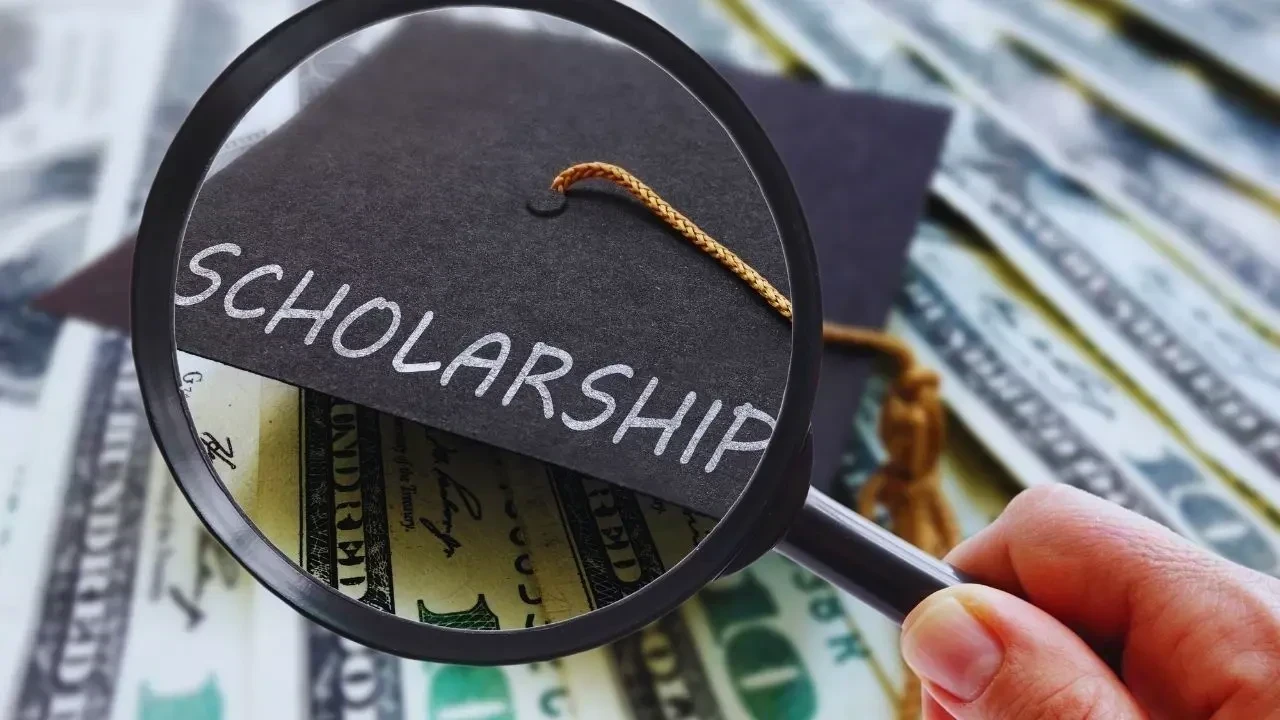
In the past, scholarships were primarily for top performers or students in need. Today, they are viewed as essential survival tools amidst rising tuition fees and stagnant incomes. Students now regard scholarships more as crucial financial supports rather than mere accolades for academic achievement.
By actively seeking out global funding options, merit-based grants, and targeted educational programs, students recognize that graduating without substantial debt will afford them the freedom to explore different career paths or entrepreneurial ventures. While students burdened with debt enter the workforce under duress, those with financial backing can approach their careers with greater flexibility.
Moreover, scholarships offer more than just financial assistance; they confer legitimacy, paving the way to influential institutions, networks, and mentorship opportunities critical for career advancement.
While degrees retain their significance, the ability to prove one's skills has become paramount for survival in the job market.
Employers are looking beyond grades; they demand tangible evidence of proficiency. Portfolios showcasing coding, writing, design work, and freelance projects now hold as much weight as formal qualifications.
Students are stepping outside traditional classrooms, enrolling in online courses, engaging with tutorials, and participating in digital communities. Many are acquiring skills like foreign languages, coding, and financial literacy alongside their formal education.
This shift is not a knock on established universities but reflects the slow pace at which they change, often leaving their curriculums outdated before students can benefit from them.
Once considered a novelty, the concept of juggling multiple jobs has become the new standard. Many students today believe that relying on a single source of income is not just outdated; it's risky, prompting a reevaluation of how they spend their time.
Activities such as photography, content creation, tutoring, and coding are reshaping how students engage with their interests. What were once hobbies are now seen as potential sources of income. Mornings may be spent in lectures while evenings are filled with freelance work. Weekends are now dedicated to entrepreneurial pursuits.
These side hustles provide more than extra income; they foster essential skills in time management, client interaction, and self-promotion, equipping students with experiences that far exceed passive learning.
Gone are the days when students limited their aspirations to their local horizons. Many now consider international education and remote job prospects as viable options rather than distant dreams. Opportunities such as foreign internships, student exchanges, and international certifications are actively being sought after.
The internet has democratized the job market, enabling students from smaller towns to secure roles thousands of kilometers away. Geographic boundaries no longer restrict career paths.
This shift in perspective is empowering; students see themselves as global contenders rather than mere local players, pushing them to work harder and plan smarter.
Traditionally, parents held steadfast to professional aspirations for their children—doctor, engineer, lawyer—but today, many parents are tuning in more to their children's inclinations.
Having witnessed economic upheaval and job losses among peers, parents are increasingly supportive of skill-based education alongside conventional degrees. While they may not fully grasp digital career paths, they recognize the value in tangible capabilities. A child capable of building, creating, or selling holds a more promising future than one who solely relies on traditional job placements.
This evolution in parental support is encouraging young people to make bolder choices.
Students today are not merely grappling with academic challenges; they find themselves competing in a broader arena that includes social media, freelancing platforms, and professional networks.
This can result in significant stress.
Everyone seems to be achieving remarkable feats, whether that’s launching startups or securing freelance gigs. Amidst this flurry of activity lies a pervasive sense of self-doubt.
Such comparisons often breed burnout, yet they also foster resilience. Students develop agility in adapting to failures and cultivate self-reliance.
In an unforgiving job market, students are emerging stronger.
For many young individuals, education is now pursued not merely for a love of learning but as a strategy for survival. It serves as both growth and a safeguard.
They now opt for courses with multifaceted exit options and remain sceptical about those limiting their future. Questions surrounding salary potential and job placement rates have replaced fanciful aspirations.
Though passion still exists, it’s now entwined with practical foresight. Dreams may have evolved into smarter ambitions.
Despite these societal changes, many institutions remain stagnant. Curriculums often lag behind industry needs, and opportunities for practical training are conspicuously limited.
Students often end up teaching themselves what formal educational settings do not provide.
This disconnect can be disheartening, as students realize too late that years of study have not equipped them with applicable skills.
Institutions that prioritize career readiness and relevant training are growing increasingly rare, leaving a significant gap between education and employability.
Underpinning ambition is a layer of anxiety.
Students quietly grapple with personal doubts about failure, financial stability, and external expectations. They carry pressure from their families, society, and within themselves.
While side hustles may provide some financial relief, they can also lead to mental exhaustion. Scholarships alleviate some financial concerns but introduce performance anxiety. Skill-building often encroaches upon necessary downtime.
Students seldom appear at ease—they look busy.
This distinction is important.
Though the job market rewards some, it simultaneously pressures others into exhaustion.
Therefore, mental health support must expand alongside career guidance.
Amid these challenges, this generation is showing remarkable adaptability.
They learn rapidly, switch careers with confidence, and forge independent paths. They start earning early and think globally.
While they may struggle now, they are cultivating options that previous generations could only dream of.
When faced with obstacles, this generation seeks alternative solutions.
Students are no longer waiting for authorities to rectify the markets.
They are proactive.
They seek financial aid, pursue self-learning, innovate to earn, and embrace a global mindset.
The unpredictable job landscape hasn't stifled their initiative. It has actually honed it.
Insecurity has shifted from a weakness to a motivating force.
DISCLAIMER
This article serves educational purposes only and does not offer professional advice. Individuals are encouraged to consult qualified experts before making significant decisions.

US Stocks Slide as AI Fears, Inflation and Oil Surge Weigh
US stocks dropped as AI disruption fears hit tech firms, inflation rose above forecasts, and oil pri

Pacific Prime Wins Top Honors at Cigna Awards 2026
Pacific Prime secured Top Individual Broker and Top SME Broker awards at Cigna’s Annual Broker Award
QatarEnergy Halts LNG Output After Military Attack
QatarEnergy has stopped LNG production after military attacks hit its facilities in Ras Laffan and M
Strong 6.1 Magnitude Earthquake Hits West Sumatra, No Damage
A 6.1 earthquake struck off West Sumatra, Indonesia. No casualties, damage, or tsunami alert reporte

Saudi Confirms Drone Strike on US Embassy Riyadh
Two drones hit the US Embassy in Riyadh, causing a small fire and minor damage. No injuries were rep

UAE Restarts Limited Flights as Regional Airspace Disruptions Continue
UAE restarts limited flights from Dubai as US-Israel attacks on Iran disrupt regional airspace, forc

Asia Faces Energy Shock After Iran Closes Strait
Iran shuts Strait of Hormuz amid US-Israel strikes, sending oil prices higher and raising serious en


Bank of Baroda Faces Abu Dhabi Legal Battle over NMC Collapse
Bank of Baroda’s involvement in Abu Dhabi litigation tied to the NMC Healthcare collapse raises repu

Top Museum Openings of 2026 Set to Transform Global Tourism
From Los Angeles to Abu Dhabi and Brussels, 2026 brings major museum launches—Lucas Museum, Guggenhe

UAE Tour Highlights UAE’s Strength in Hosting Global Sports Events
Abu Dhabi Sports Council says the successful UAE Tour reflects the UAE’s leading role in hosting maj
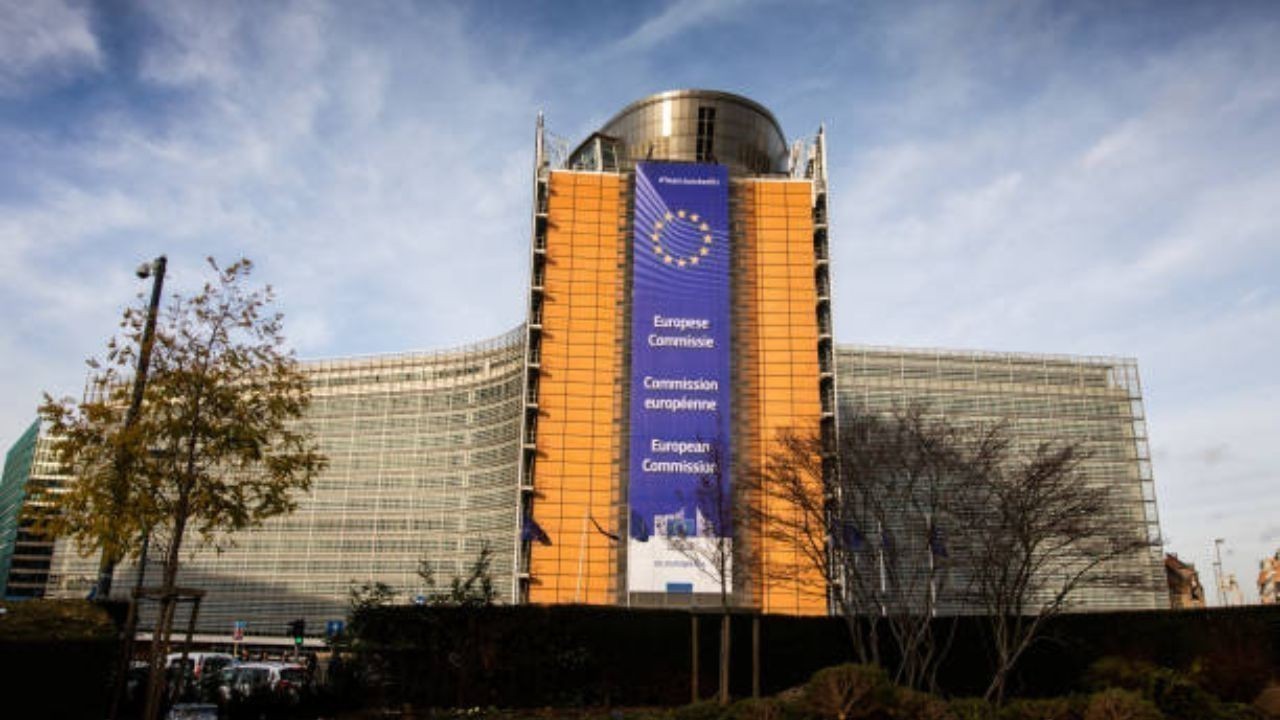
EU Seeks Clarity from US After Supreme Court IEEPA Ruling
European Commission urges full transparency from the US on steps after Supreme Court ruling, emphasi
SpaceX Launches 53 New Satellites for Expanding Starlink Network
SpaceX launches 53 Starlink satellites in two Falcon 9 missions, breaking reuse records and expandin

RTA Awards Contract for Phase II of Hessa Street Upgrade in Dubai
Phase II of Hessa Street Development to add bridges, tunnel, and upgraded intersections, doubling ca

UAE Gold Prices Today, Monday 16 February 2026: Dubai & Abu Dhabi Updated Rates
Gold prices in UAE on 16 Feb 2026 updated: 24K around AED 599.75/gm, 22K AED 555.25/gm, and 18K AED

Over 25 Ahmedabad Schools Receive Bomb Threat Email, Authorities Investigate
More than 25 schools in Ahmedabad evacuated after bomb threat emails mentioning Khalistan. Authoriti