
Post by : Anis Karim
Climate change is no longer an abstract issue only discussed in reports and conferences; it is a lived experience marked by extreme weather events such as heatwaves, floods, and rising sea levels. With these phenomena increasingly common and severe, a critical policy discourse has emerged: should the global community prioritize combating climate change or adjust to its inevitable consequences?
This discourse pits climate mitigation against climate adaptation. Mitigation focuses on reducing greenhouse gas emissions to curb global warming, while adaptation is about modifying our societies and ecosystems to handle the impacts that cannot be avoided.
Although both strategies are crucial, current global efforts lean heavily towards mitigation, leaving adaptation strategies underfunded and often overlooked. As climate-related damages intensify, justifying this focus on mitigation alone becomes increasingly problematic.
Mitigation comprises activities aimed at reducing the onset and severity of climate change, such as lowering emissions, transitioning to renewable energy sources, enhancing energy efficiency, conserving forests, and altering consumption habits.
The goal of these mitigation strategies is to tackle the root causes of climate change—namely, greenhouse gas emissions—while limiting global temperature increases and avoiding catastrophic outcomes.
For many years, international climate talks have centered around mitigation. Emission targets and sustainability commitments are easier to track and promote in political arenas, aligning well with long-term economic goals and technological advancements.
Developed nations may see mitigation as a way to spearhead global climate action without needing to confront immediate impacts that are often felt more by less fortunate countries.
A drastic reduction in emissions today can’t eliminate the climate impacts already locked in due to years of historical emissions. Rising sea levels, increasing temperatures, and more frequent extreme weather events will likely persist.
This reality unveils a key limitation of focusing solely on mitigation: it fails to protect communities currently dealing with climate consequences.
Despite ambitious commitments, emissions are still on the rise. Political hurdles, financial constraints, and energy security issues hinder the transition away from fossil fuel dependency.
Thus, solely relying on mitigation is no longer a viable option for safeguarding ecosystems and livelihoods.
Adaptation comprises strategies designed to minimize vulnerabilities to climate impacts. This includes implementing flood-resistant infrastructure, developing urban areas that can withstand heat, strengthening healthcare systems, and enhancing agricultural resilience.
Though adaptation does not prevent climate change, it plays a significant role in reducing its effects on humans and economies.
Unlike mitigation—often characterized by global or national targets—adaptation is inherently local. Solutions tailored for coastal cities may not be applicable to agricultural communities facing drought.
This specificity makes adaptation more complex but also renders it more vital for immediate impact.
Globally, climate finance disproportionately supports mitigation initiatives, such as clean technology investments. Despite its critical importance for at-risk populations, adaptation receives a significantly smaller share of funding.
Countries most affected by climate change often lack the resources to make substantial investments in adaptation.
Adaptation efforts seldom attract the excitement generated by large renewable energy projects or infrastructure upgrades. Improving drainage systems or increasing community heat shelters may not carry the same allure as high-profile net-zero declarations.
Consequently, adaptation frequently gets sidelined in governmental climate policies.
Portraying adaptation and mitigation as mutually exclusive is misleading. Without effective mitigation, adaptation costs will escalate, while success in mitigation will be too late for those facing immediate threats.
Both approaches must be integrated to ensure they support one another.
Adaptation addresses the urgent risks of today, while mitigation aims for long-term sustainability. Ignoring either response creates vulnerabilities that deepen over time.
A holistic approach advocates for simultaneous climate action across present and future concerns.
Nations contributing the least to climate change often bear the brunt of its impacts. For these countries, adaptation is essential for survival.
Small island nations and the least developed countries urgently need support for adaptation, particularly as mitigation progresses slowly on a global scale.
The disparity in funding between mitigation and adaptation mirrors broader inequalities within global governance. Wealthier nations can afford to invest in mitigation technologies, while poorer nations struggle to fund basic resilience measures.
Closing this gap is critical for achieving climate justice and fostering collaborative international efforts.
Investments in flood defenses, resilient housing, and urban designs capable of coping with heat stress can dramatically mitigate climate-related destruction and loss of life.
Strategies such as climate-smart farming, drought-resistant crops, and enhanced water management can safeguard food security for vulnerable populations.
Effective forecasting tools and emergency planning can save lives and minimize losses during extreme weather events.
Some impacts of climate change may become too severe to adapt to properly. For instance, certain coastal areas may eventually become uninhabitable due to rising sea levels, irrespective of protective infrastructure.
This stresses that adaptation serves as a complement, rather than a substitute, for effective mitigation.
Richer regions typically enjoy better resources for adaptation than their less affluent counterparts, which may struggle with greater exposure and fewer options. Without comprehensive mitigation, this gap will only widen.
Recent international climate dialogues increasingly spotlight the need for immediate adaptation efforts. Discussions surrounding loss and damage reveal the financial burdens associated with inadequate preparedness.
Yet, acknowledgment has not yet translated into adequate funding or practical implementation.
Cities and businesses are beginning to channel investments into adaptation initiatives as climate risks jeopardize their assets and operations. This grassroots momentum could hasten resilience planning.
Climate policies should harmoniously meld mitigation and adaptation into development planning rather than isolate them.
A greater share of climate funding must be dedicated to adaptation, focusing on high-risk regions.
Success should extend beyond emission reductions, also capturing lives saved, livelihoods sustained, and systems fortified against climate impacts.
Delaying adaptation efforts only heightens future costs. Investments made today are far less expensive than rebuilding after disaster strikes.
Each year that passes without improving mitigation increases the odds of surpassing critical climate thresholds.
The discussion around climate adaptation versus mitigation isn't about making a choice; it ultimately involves acknowledging that the climate crisis involves various dimensions and timelines. Mitigation is vital for curbing future degradation, while adaptation is essential for safeguarding lives and economies today.
A focus purely on emissions without incorporating resilience may lead to preventable suffering for millions. The future depends on a balanced response, urgency, and the courage to face the climate crisis as it truly exists.
Disclaimer:
This article serves only for educational and informational purposes and does not provide policy or investment advice. Climate strategies may differ between regions.

US Stocks Slide as AI Fears, Inflation and Oil Surge Weigh
US stocks dropped as AI disruption fears hit tech firms, inflation rose above forecasts, and oil pri

Pacific Prime Wins Top Honors at Cigna Awards 2026
Pacific Prime secured Top Individual Broker and Top SME Broker awards at Cigna’s Annual Broker Award

QatarEnergy Halts LNG Output After Military Attack
QatarEnergy has stopped LNG production after military attacks hit its facilities in Ras Laffan and M

Strong 6.1 Magnitude Earthquake Hits West Sumatra, No Damage
A 6.1 earthquake struck off West Sumatra, Indonesia. No casualties, damage, or tsunami alert reporte

Saudi Confirms Drone Strike on US Embassy Riyadh
Two drones hit the US Embassy in Riyadh, causing a small fire and minor damage. No injuries were rep

UAE Restarts Limited Flights as Regional Airspace Disruptions Continue
UAE restarts limited flights from Dubai as US-Israel attacks on Iran disrupt regional airspace, forc
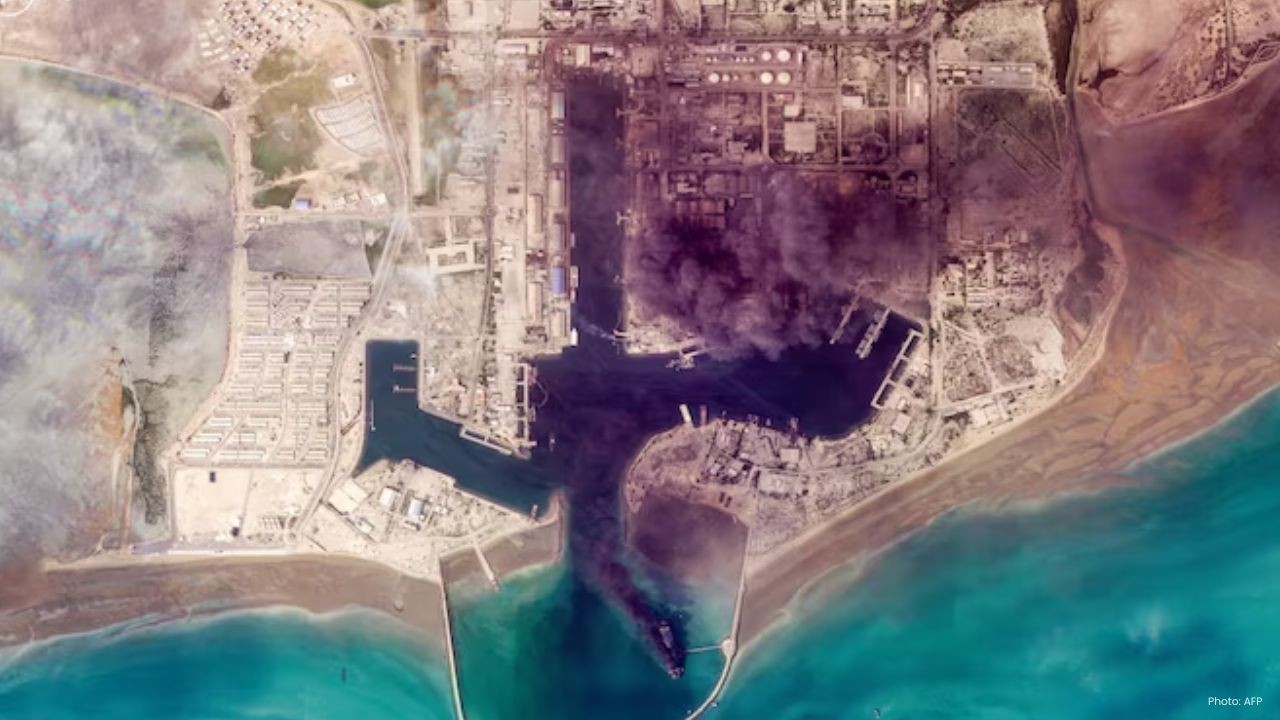
Asia Faces Energy Shock After Iran Closes Strait
Iran shuts Strait of Hormuz amid US-Israel strikes, sending oil prices higher and raising serious en


Bank of Baroda Faces Abu Dhabi Legal Battle over NMC Collapse
Bank of Baroda’s involvement in Abu Dhabi litigation tied to the NMC Healthcare collapse raises repu

Top Museum Openings of 2026 Set to Transform Global Tourism
From Los Angeles to Abu Dhabi and Brussels, 2026 brings major museum launches—Lucas Museum, Guggenhe

UAE Tour Highlights UAE’s Strength in Hosting Global Sports Events
Abu Dhabi Sports Council says the successful UAE Tour reflects the UAE’s leading role in hosting maj

EU Seeks Clarity from US After Supreme Court IEEPA Ruling
European Commission urges full transparency from the US on steps after Supreme Court ruling, emphasi
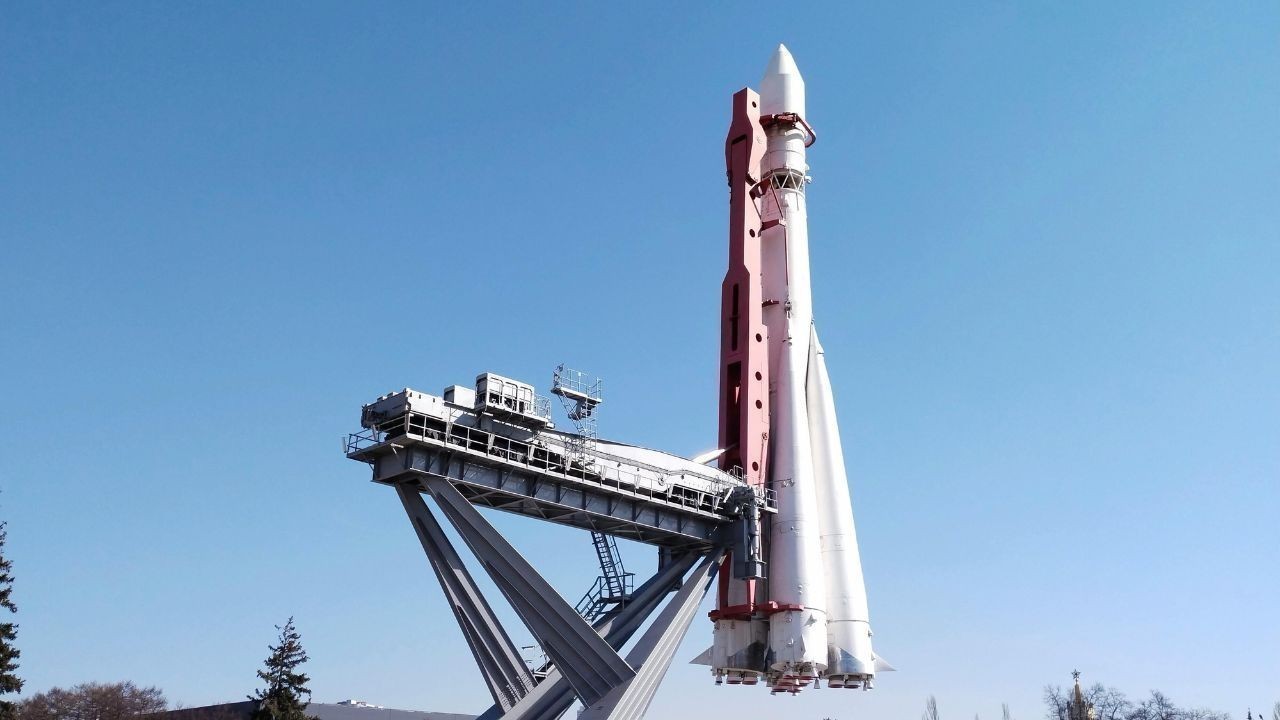
SpaceX Launches 53 New Satellites for Expanding Starlink Network
SpaceX launches 53 Starlink satellites in two Falcon 9 missions, breaking reuse records and expandin

RTA Awards Contract for Phase II of Hessa Street Upgrade in Dubai
Phase II of Hessa Street Development to add bridges, tunnel, and upgraded intersections, doubling ca

UAE Gold Prices Today, Monday 16 February 2026: Dubai & Abu Dhabi Updated Rates
Gold prices in UAE on 16 Feb 2026 updated: 24K around AED 599.75/gm, 22K AED 555.25/gm, and 18K AED

Over 25 Ahmedabad Schools Receive Bomb Threat Email, Authorities Investigate
More than 25 schools in Ahmedabad evacuated after bomb threat emails mentioning Khalistan. Authoriti