
Post by : Sam Jeet Rahman
Living in the UAE offers tax-free income and a high standard of living, but expenses can rise quickly without proper planning. Rent, daily necessities, transportation and lifestyle spending can silently consume a large portion of income if not tracked carefully. Monthly expense planning helps residents avoid financial stress, build savings, and maintain a comfortable lifestyle without constant worry about rising costs.
Most household budgets in the UAE revolve around four main pillars: rent, food, transport, and savings. Supporting expenses such as utilities, internet, healthcare, and education also play an important role, but controlling the core categories makes overall planning much easier.
Rent is usually the largest monthly expense in the UAE, especially in major cities like Dubai and Abu Dhabi. The amount spent on housing directly impacts how much remains for savings and lifestyle needs.
Studio and one-bedroom apartments in well-connected areas usually cost between AED 4,000 and AED 8,000 per month. Two-bedroom apartments or family-sized homes can range from AED 8,000 to AED 15,000 or more depending on location and amenities.
Smart rent planning involves choosing a home within reasonable commuting distance, avoiding lifestyle-driven upgrades too early, and ensuring rent does not exceed 30–35 percent of monthly income. Paying annual rent in multiple cheques can also help reduce financial pressure.
Utility bills in the UAE vary by season, with summer months increasing electricity and water usage. Monthly utility expenses generally range between AED 500 and AED 1,200 depending on apartment size and usage. Internet and mobile plans usually add another AED 300 to AED 600.
Planning for utilities as a fixed monthly cost prevents surprises and ensures better control over seasonal increases.
Food expenses depend heavily on eating habits. Cooking at home significantly lowers monthly costs compared to frequent dining out.
A single person may spend AED 800 to AED 1,200 per month on groceries, while a small family may spend AED 1,800 to AED 3,000. Dining out, café visits, and food delivery can add AED 500 to AED 1,500 monthly if not controlled.
A balanced approach that mixes home-cooked meals with occasional dining helps maintain both health and financial stability.
Transport costs vary based on whether residents use public transport or own a car. Public transport passes typically cost between AED 300 and AED 450 per month. Car ownership includes fuel, parking, insurance, and maintenance, which can range from AED 600 to AED 1,200 monthly.
Choosing a home near metro lines or workplaces can significantly reduce transport expenses and daily commute stress.
Many employers provide health insurance, but coverage levels differ. If insurance is partially covered, individuals may spend AED 300 to AED 1,000 monthly on premiums and medical expenses. Planning for healthcare ensures unexpected medical costs do not disrupt monthly finances.
Lifestyle expenses include entertainment, fitness, subscriptions, shopping, and social activities. These costs are flexible but can easily grow without limits. Allocating a fixed amount between AED 500 and AED 1,500 helps maintain enjoyment without overspending.
Tracking lifestyle expenses monthly helps identify areas where spending can be reduced without affecting quality of life.
Savings are often treated as optional, but in reality they should be a fixed expense. Emergency funds, future goals, and retirement planning depend on consistent saving habits.
Financial planners commonly recommend saving at least 20 percent of monthly income. Even starting with 10 percent creates financial discipline and long-term security. Savings should be set aside immediately after receiving income, not from what remains at month-end.
A balanced monthly budget for a single professional may look like this:
Rent: AED 5,500
Utilities and Internet: AED 800
Food and Groceries: AED 1,200
Transport: AED 600
Lifestyle and Personal Expenses: AED 900
Savings: AED 2,000
This structure ensures stability, flexibility, and future readiness.
Many residents underestimate small daily expenses such as food deliveries, subscriptions, and impulse shopping. Another common mistake is ignoring irregular costs like car servicing, travel, or medical expenses. Proper planning includes setting aside a buffer for such unpredictable expenses.
Track every expense for at least three months to understand spending patterns.
Avoid lifestyle inflation when income increases.
Choose housing based on necessity, not appearance.
Review subscriptions and cancel unused services.
Automate savings to ensure consistency.
Consistent expense planning reduces financial anxiety and helps residents prepare for job changes, emergencies, or family responsibilities. It also makes future investments, property purchases, and travel plans more achievable.
Monthly expense planning is not about restriction but about clarity and control. By balancing rent, food, transport, and savings wisely, residents can enjoy the UAE lifestyle while building financial security. A well-planned budget creates confidence, flexibility, and peace of mind in a fast-paced economy.
This article is for informational purposes only. Expenses may vary based on lifestyle, city, family size, and employer benefits. Readers should assess their personal financial situation before making budgeting decisions.

US Stocks Slide as AI Fears, Inflation and Oil Surge Weigh
US stocks dropped as AI disruption fears hit tech firms, inflation rose above forecasts, and oil pri

Pacific Prime Wins Top Honors at Cigna Awards 2026
Pacific Prime secured Top Individual Broker and Top SME Broker awards at Cigna’s Annual Broker Award

QatarEnergy Halts LNG Output After Military Attack
QatarEnergy has stopped LNG production after military attacks hit its facilities in Ras Laffan and M

Strong 6.1 Magnitude Earthquake Hits West Sumatra, No Damage
A 6.1 earthquake struck off West Sumatra, Indonesia. No casualties, damage, or tsunami alert reporte

Saudi Confirms Drone Strike on US Embassy Riyadh
Two drones hit the US Embassy in Riyadh, causing a small fire and minor damage. No injuries were rep

UAE Restarts Limited Flights as Regional Airspace Disruptions Continue
UAE restarts limited flights from Dubai as US-Israel attacks on Iran disrupt regional airspace, forc
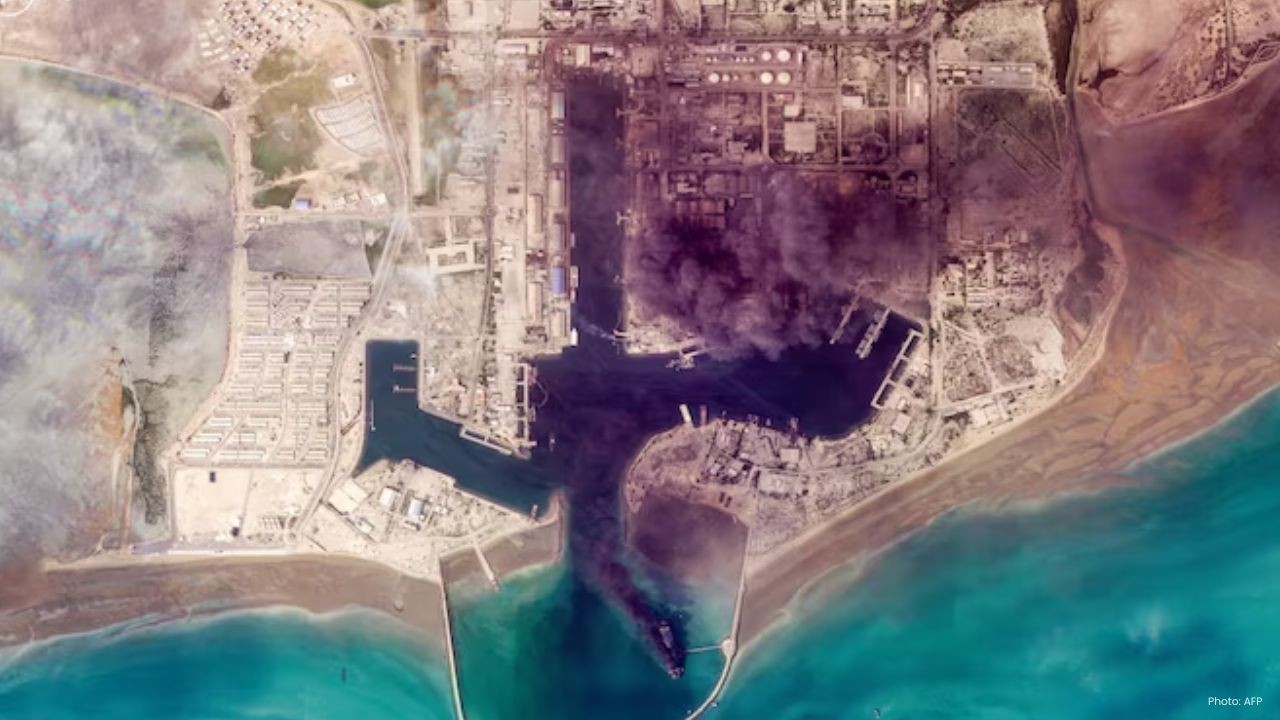
Asia Faces Energy Shock After Iran Closes Strait
Iran shuts Strait of Hormuz amid US-Israel strikes, sending oil prices higher and raising serious en


Bank of Baroda Faces Abu Dhabi Legal Battle over NMC Collapse
Bank of Baroda’s involvement in Abu Dhabi litigation tied to the NMC Healthcare collapse raises repu

Top Museum Openings of 2026 Set to Transform Global Tourism
From Los Angeles to Abu Dhabi and Brussels, 2026 brings major museum launches—Lucas Museum, Guggenhe

UAE Tour Highlights UAE’s Strength in Hosting Global Sports Events
Abu Dhabi Sports Council says the successful UAE Tour reflects the UAE’s leading role in hosting maj
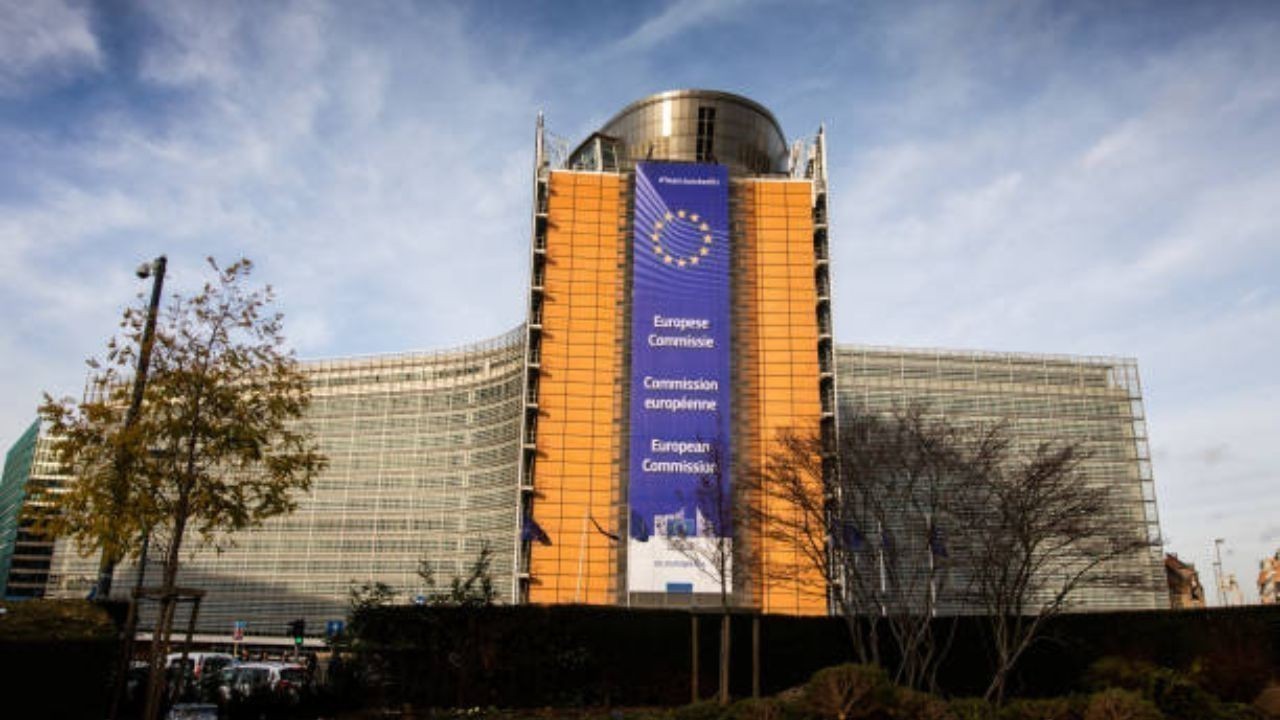
EU Seeks Clarity from US After Supreme Court IEEPA Ruling
European Commission urges full transparency from the US on steps after Supreme Court ruling, emphasi
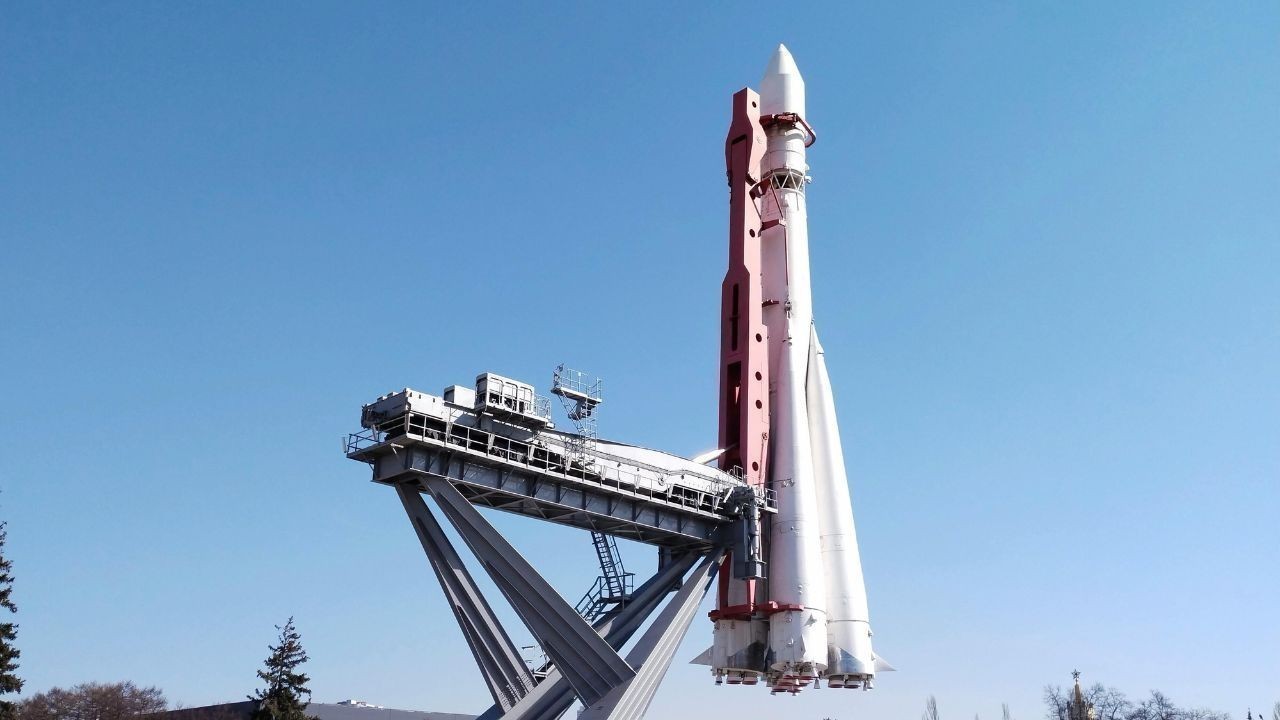
SpaceX Launches 53 New Satellites for Expanding Starlink Network
SpaceX launches 53 Starlink satellites in two Falcon 9 missions, breaking reuse records and expandin

RTA Awards Contract for Phase II of Hessa Street Upgrade in Dubai
Phase II of Hessa Street Development to add bridges, tunnel, and upgraded intersections, doubling ca

UAE Gold Prices Today, Monday 16 February 2026: Dubai & Abu Dhabi Updated Rates
Gold prices in UAE on 16 Feb 2026 updated: 24K around AED 599.75/gm, 22K AED 555.25/gm, and 18K AED

Over 25 Ahmedabad Schools Receive Bomb Threat Email, Authorities Investigate
More than 25 schools in Ahmedabad evacuated after bomb threat emails mentioning Khalistan. Authoriti