Post by : Sam Jeet Rahman
Dubai is often seen as a city of luxury, skyscrapers, and high-end lifestyles. While that image is partly true, the actual monthly cost of living in Dubai for singles varies widely depending on lifestyle choices, housing location, and spending discipline. In 2026, Dubai continues to attract professionals, freelancers, and entrepreneurs because of tax-free income, strong infrastructure, safety, and career opportunities.
This guide provides a clear, realistic, and fully explained breakdown of what a single person can expect to spend monthly in Dubai, from rent and food to transport, utilities, and lifestyle expenses.
Dubai does not have a single “fixed” cost of living. Two people earning the same salary can live completely different lives based on:
Area of residence
Sharing vs private accommodation
Eating habits
Transport choices
Lifestyle spending
For singles, the biggest expense is usually housing, followed by food and transport.
Housing is the largest monthly expense, often consuming 30–45% of income.
A private studio is preferred by singles who value independence.
Budget areas: AED 3,000–4,000 per month
Mid-range areas: AED 4,500–6,000 per month
Premium areas: AED 7,000+ per month
Budget-friendly locations include International City, Deira, Al Nahda, and parts of Dubai South. These areas offer reasonable rents but longer commute times.
Many singles reduce costs by sharing.
Private room in shared apartment: AED 2,000–3,500
Bed space (shared room): AED 1,200–2,000
Sharing significantly lowers rent and utility costs, making it popular among newcomers.
Rent is not the only housing-related expense.
Security deposit (usually refundable)
Agent commission (if applicable)
Ejari registration fee
Annual rent paid in cheques (monthly options increasing in 2026)
While deposits are one-time, they impact initial budgeting.
Utilities are moderate but vary with usage.
For a single person:
AED 300–500 per month
Air conditioning usage greatly affects this cost, especially in summer.
Home internet: AED 300–400
Mobile plan: AED 100–200
Internet packages in Dubai are reliable but relatively expensive compared to other countries.
Food expenses depend heavily on whether you cook or eat out.
For singles who cook most meals:
Basic groceries: AED 700–1,000 per month
This includes vegetables, fruits, rice, bread, eggs, dairy, and occasional meat.
Imported and branded items increase costs, while local and regional products are more affordable.
Budget meals: AED 15–30
Casual restaurant: AED 40–70
Mid-range dining: AED 80–150
Eating out regularly can double food expenses.
Mostly cooking: AED 800–1,200
Mixed eating habits: AED 1,200–1,800
Frequent dining out: AED 2,000+
Singles who plan meals and limit food delivery apps save significantly.
Dubai offers both public and private transport options.
Metro, bus, tram monthly pass: AED 300–350
Public transport is clean, safe, and cost-effective for most professionals.
Short rides: AED 15–30
Regular use adds AED 400–800 monthly
Ride-hailing apps are convenient but should be limited for cost control.
For singles who prefer convenience:
Fuel: AED 300–500
Insurance: AED 150–250
Parking and maintenance: AED 200–300
Car ownership can add AED 700–1,000+ monthly.
Healthcare quality in Dubai is high, but costs can rise without insurance.
Most employers provide basic coverage. If self-paid:
Basic plan: AED 300–600 per month
Enhanced coverage: AED 700+
GP visit: AED 100–300
Specialist visit: AED 300–600
Insurance significantly reduces medical expenses.
Lifestyle spending varies the most among singles.
Budget gym: AED 150–250
Premium gym: AED 400–700
Outdoor fitness options and public tracks reduce costs.
Movies: AED 35–50
Cafes: AED 20–40 per visit
Nightlife and events: AED 300–800 monthly depending on frequency
Dubai offers many free or low-cost activities, especially outdoors.
Haircut: AED 30–80
Grooming and self-care: AED 100–250 monthly
Dubai has options from budget to luxury.
Basic clothing: AED 150–300 monthly
Occasional shopping: AED 300–600
Sales seasons significantly reduce clothing costs.
These are often overlooked but add up.
Subscriptions: AED 50–150
Household items: AED 100–200
Unexpected costs: AED 100–300
Keeping a buffer prevents budget stress.
Shared accommodation
Mostly cooking
Public transport
Approximate monthly cost: AED 3,500–4,500
Studio apartment
Mixed eating habits
Public transport + occasional taxis
Approximate monthly cost: AED 5,500–7,000
Prime location studio
Frequent dining out
Car ownership
Approximate monthly cost: AED 8,500–12,000+
Choose housing near workplace
Share accommodation initially
Use Nol cards for transport
Cook at least 4–5 days a week
Limit food delivery apps
Track subscriptions regularly
Small habits make a big difference.
Dubai is affordable if spending aligns with income. The absence of income tax helps offset higher rent and service costs. Singles who plan carefully can save 20–40% of their income, especially during early career stages.
Living in Dubai as a single person offers safety, opportunity, and lifestyle flexibility. While costs are higher than many cities, control and awareness determine affordability. Those who budget intentionally enjoy a comfortable life without financial pressure.
This article is for informational purposes only. Actual living costs in Dubai may vary based on personal lifestyle, housing choices, market conditions, and inflation. Prices mentioned are approximate estimates and should not be considered financial advice. Readers are advised to conduct personal research and budgeting before making relocation or financial decisions.

US Stocks Slide as AI Fears, Inflation and Oil Surge Weigh
US stocks dropped as AI disruption fears hit tech firms, inflation rose above forecasts, and oil pri

Pacific Prime Wins Top Honors at Cigna Awards 2026
Pacific Prime secured Top Individual Broker and Top SME Broker awards at Cigna’s Annual Broker Award
QatarEnergy Halts LNG Output After Military Attack
QatarEnergy has stopped LNG production after military attacks hit its facilities in Ras Laffan and M

Strong 6.1 Magnitude Earthquake Hits West Sumatra, No Damage
A 6.1 earthquake struck off West Sumatra, Indonesia. No casualties, damage, or tsunami alert reporte

Saudi Confirms Drone Strike on US Embassy Riyadh
Two drones hit the US Embassy in Riyadh, causing a small fire and minor damage. No injuries were rep

UAE Restarts Limited Flights as Regional Airspace Disruptions Continue
UAE restarts limited flights from Dubai as US-Israel attacks on Iran disrupt regional airspace, forc
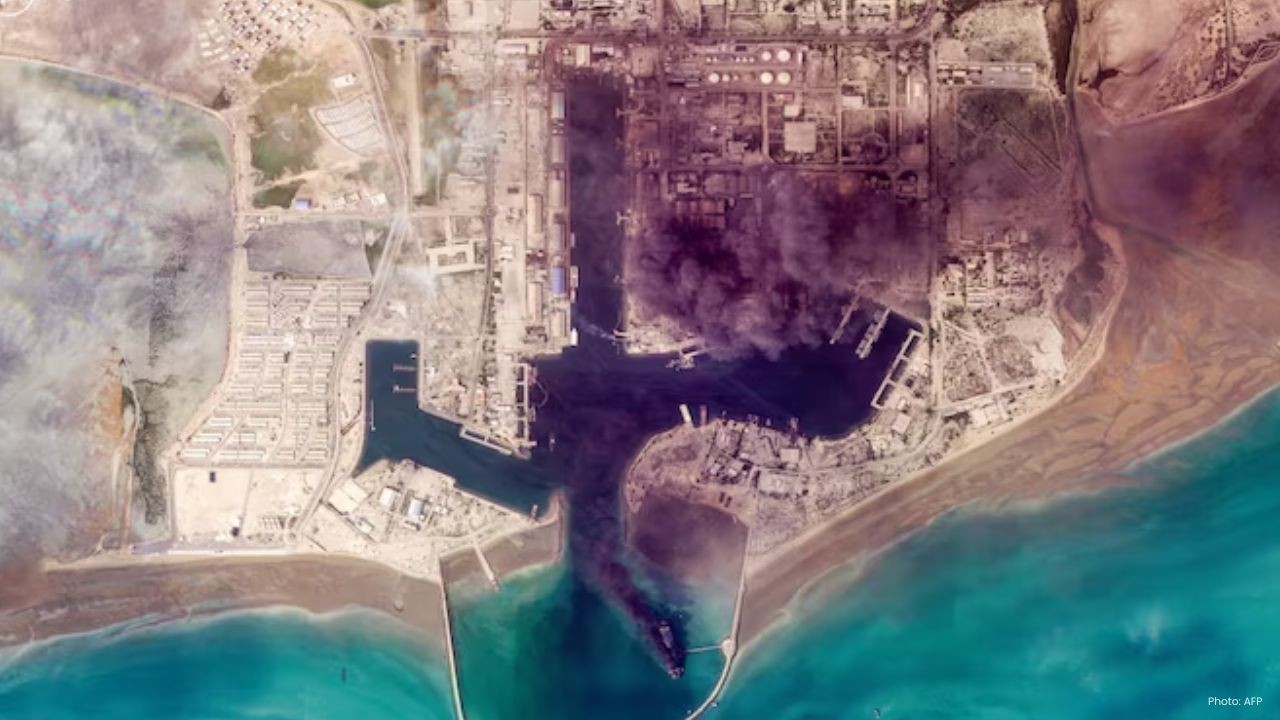
Asia Faces Energy Shock After Iran Closes Strait
Iran shuts Strait of Hormuz amid US-Israel strikes, sending oil prices higher and raising serious en


Bank of Baroda Faces Abu Dhabi Legal Battle over NMC Collapse
Bank of Baroda’s involvement in Abu Dhabi litigation tied to the NMC Healthcare collapse raises repu

Top Museum Openings of 2026 Set to Transform Global Tourism
From Los Angeles to Abu Dhabi and Brussels, 2026 brings major museum launches—Lucas Museum, Guggenhe

UAE Tour Highlights UAE’s Strength in Hosting Global Sports Events
Abu Dhabi Sports Council says the successful UAE Tour reflects the UAE’s leading role in hosting maj
EU Seeks Clarity from US After Supreme Court IEEPA Ruling
European Commission urges full transparency from the US on steps after Supreme Court ruling, emphasi
SpaceX Launches 53 New Satellites for Expanding Starlink Network
SpaceX launches 53 Starlink satellites in two Falcon 9 missions, breaking reuse records and expandin
RTA Awards Contract for Phase II of Hessa Street Upgrade in Dubai
Phase II of Hessa Street Development to add bridges, tunnel, and upgraded intersections, doubling ca

UAE Gold Prices Today, Monday 16 February 2026: Dubai & Abu Dhabi Updated Rates
Gold prices in UAE on 16 Feb 2026 updated: 24K around AED 599.75/gm, 22K AED 555.25/gm, and 18K AED

Over 25 Ahmedabad Schools Receive Bomb Threat Email, Authorities Investigate
More than 25 schools in Ahmedabad evacuated after bomb threat emails mentioning Khalistan. Authoriti